A Spay Is A Major Abdominal Surgery…Please Consider It As Such
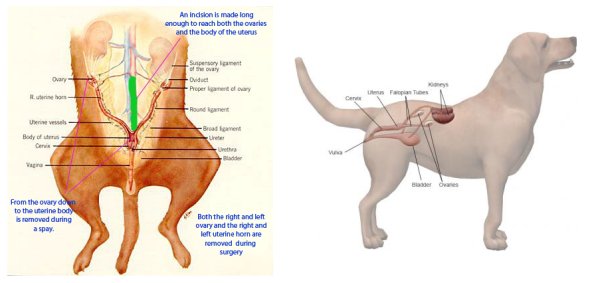 I think the veterinary medical field has to do away with the simple term “spay” and call the procedure by its actual name, ovariohysterectomy. Ovariohysterectomy more effectively gets across that what we commonly refer to as a spay, which is the surgical removal of the female reproductive tract thatt requires an incision and closure of the abdominal cavity and the tying off and transection of major blood vessels.
Perhaps if we called the procedure by its technical name and not its lay-term, pet owners may take it more seriously. Perhaps they will not call around to obtain the best bargain basement pricing for such a major surgery. Perhaps they will take the time to look into why there are such differences and disparities in the pricing of the procedure.
Perhaps during the recovery, they would be more likely to keep collars on to prevent the pet from licking an incisional closure that stands between intestines staying inside the abdomen where they belong instead of popping out and dragging on the floor. Perhaps they would reasonably reign in activity and confine the patient to prevent internal bleeding and incision dehiscence.
To many of you, these aspirations that I yearn to achieve through calling the procedure by its true name may seem like common sense, yet my clinic takes at least 10 calls a day with people asking the price of a spay then the hang up never to call back (presumably because they found some place that does it cheaper). Time and again, owners remove the pets’ e-collar or let them play Frisbee or swim way too soon post-operatively and are surprised when bad things happen.
I remember like it was yesterday when on the soft tissue surgery rotation in my 4th year of veterinary school at the University of Illinois College of Veterinary Medicine teaching hospital when our head surgeon, Dr. Cathy Greenfield, gave my student surgical group a pep talk as we were about to spend the day performing spays on dogs from the local shelter. She stated that spays were major abdominal surgeries and complications happen. As a board certified surgeon who performs only the most complicated surgical procedures on a referral basis, she shared with us that some of the most difficult surgeries she had performed in her career were complicated spays.
She parted by saying, “While we routinely do spays, there is nothing routine about them.”
Those words are as profoundly wise today as they were when I was a student 16 years ago.
Dr. Roger Welton is the President of Maybeck Animal Hospital in West Melbourne, FL, Chief Editor of the Veterinary Advice and Information Website, Web-DVM, and founder/CEO of Dr. Roger’s Holistic Veterinary Care.
Why is insulin to important? An intro to diabetes
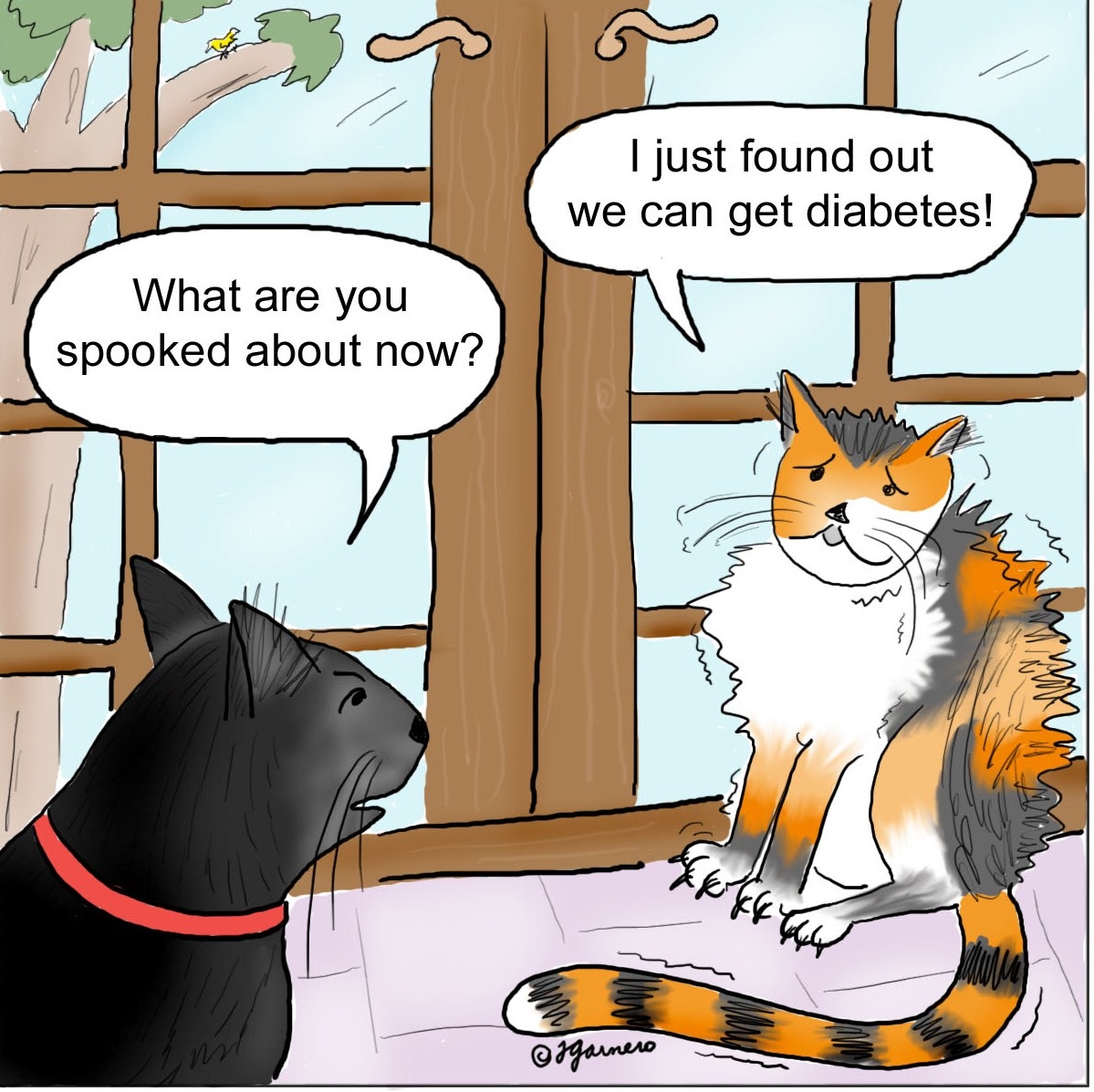 You may still be reeling from hearing the news that your dog or cat is diabetic. We can get through this! First, let’s get three facts very clear.
1 – Diabetes sucks
2 – Diabetes is not a death sentence
3 – For most animals, once you get into a routine, diabetes sucks a lot less
Yes, your lives will change, and giving these insulin shots sounds very scary. Trust me, a couple months from now you’ll be a pro! You’ll be able to draw up insulin half asleep and give it as the cat walks by. You’ll be the expert among your friends who ever have to give injections or do anything quasi-medical to their pets.
Trust me, word gets out!
First, why are we giving insulin, and why is not giving insulin really not a long-term option?
One of the jobs of the pancreas is to produce insulin. Pets with diabetes may have an inflamed pancreas (called pancreatitis) or may have one that isn’t overly angry, it just quit making insulin. What is the big deal about insulin? Either way, diabetes boils down to an insulin deficiency.
Every cell in the body needs fuel to keep it running. Brain, heart, muscle, skin, everything. For most cells, that fuel comes in the form of glucose (sugar). The blood carries glucose all around the body, delivering it to cells in need. Insulin is there to take the glucose from the highway of the bloodstream, and transfer it to the cells. Without insulin, you have plenty of sugar in the blood, but the cells are starving because they cannot get it! Imagine driving up to a gas pump to fill up your car, then realizing there is no hose. Sitting next to the pump full of gas does not do you any good if you lack the connection between gas pump and your car!
So in diabetic animals, the level of sugar in the blood rises and rises, because none of it is getting into the cells! Meanwhile, the body’s cells are starving. In some cases, they will be forced to improvise, burning fuels other than glucose in an effort to stay alive. It’s like putting diesel gasoline in your car because the unleaded pump didn’t work. Bad news!
In the body, use of these inappropriate fuel sources results in waste products being produced that, quite frankly, shouldn’t be there! The main one we see is ketones, which we can detect in the urine. Dogs and cats who are newly diagnosed as diabetic and have not begun treatment are often the ones with ketones in their urine. And they usually are very sick. Some present for lethargy and vomiting, while others present unconscious, hypothermic, and basically at death’s door! With aggressive treatment, many of these pets can be saved, but it requires hospitalization in an intensive care unit for days. And, as you can expect, it can add up to quite the bill.
If your newly diabetic pet does not have ketones in the urine, and is doing well besides drinking and urinating a lot, then you will simply start your pet on insulin shots. Don’t be scared. I have a 90 year old lady who gives her dog insulin shots twice a day. I have a legally blind man who, amazingly, gives his not-so-cooperative cat insulin shots twice a day! So, yes, you can do it too!
Next I’ll have an article on how to give insulin shots to your dog or cat, as well as what to watch for and monitor with a diabetic pet.
Web-DVM guest blogger Dr. Karen Louis is a practicing small animal veterinarian. See more of her articles at her blog at VetChick.com
Why Oral Glucosamine Treatment For Arthritis In Dogs and Cats Should Be Supplemented With Glycosaminoglycan Injections
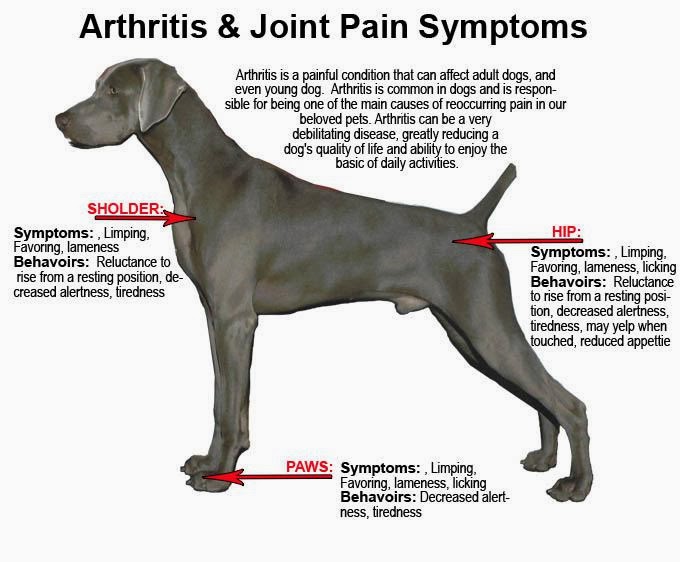 The theory behind the reported effectiveness of glucosamine supplementation for dogs and cats suffering from osteoarthritis, often simply referred to with the broad term arthritis, is that glucosamine serves as a precursor to glycosaminoglycan. Glycosaminoglycan is utilized by cartilage building cells in the body called chondrocytes, to build and repair cartilaginous tissues in the body. Normally the body would produce glycosaminoglycan from glucose, so the glucosamine molecule is believed to provide additional molecular raw material to produce more glycosaminoglycan which in turn will enhance the function of chondrocytes to repair cartilage.
While studies have to date been conflicting on the efficacy of this process via oral glucosamine therapy, from an anecdotal standpoint, the veterinary medical establishment has appreciated overall improvement in osteoarthritis cases in dogs, cats, and horses. It is believed that two factors may affect the variability of study outcomes for oral glucosamine: the form of glucosamine in a given product (glucosamine sulfate is believed to be the most effective in conversion to glycosaminoglycan) and glucosamine being lost in digestion.
A pharmaceutical company called Novardis several years ago (the exact year escapes me), released a product called Adequan that contains pure injectable glycosaminoglycan. The injection could be given intramuscularly for cases of diffuse generalized arthritis in dogs, cats, and horses, or directly into a joint. The positive results in arthritis patients across species were irrefutable and it remains a very effective modality for management of arthritis in veterinary medicine today. What’s more, Adequan is now labelled for subcutaneous (under the skin) injection, which is less painful than in the muscle. There are also now several effective generic injectable glycosaminoglycan products on the market.
If my pet is getting glycosaminoglycan injections should I not bother with a glucosamine supplement?
My opinion on this is that the arthritic pet best benefits from the administration of both. From a comprehensive therapeutic point of view, the most reputable veterinary grade joint supplements have several other beneficial joint healthy elements in them such as omega-3-fatty acids, MSM, and chondroitin.
From a molecular perspective, the benefit of glucosamine extends beyond just glycosaminoglycan synthesis, but also proteoglycan synthesis. Proteoglycans are instrumental in collagen synthesis in the body, which is integral in the repair of the body’s connective tissues.
From an anecdotal case perspective, I have witnessed patients time and again (my own pets included) enjoy greater symptomatic relief and slowing of the progression of arthritis utilizing both injectable glycosaminoglycan injections and joint chews together than using either alone.
Dr. Roger Welton is the President of Maybeck Animal Hospital in West Melbourne, FL, Chief Editor of the Veterinary Advice and Information Website, Web-DVM, and founder/CEO of Dr. Roger’s Holistic Veterinary Care.
Leptospirosis AKA “Lepto”
 When I first started making house calls, I debated whether or not to offer the vaccine against Leptospirosis. I didn’t routinely carry it, but for the small number of dogs who needed it, I would order it and vaccinate them.
Well, I decided to just start carrying it. There are many pros and cons to vaccinating your dog for this disease. I’ll present both in detail, and let you decide.
Reasons FOR vaccination:
1 – The bacteria may be more prevalent than we think?
2 – Raccoons and rodents are pretty much everywhere in the suburbs, possibly exposing dogs to this bacteria.
3 – The disease can be fatal, and treatment is costly. Infected dogs can transmit the disease to humans.
Reasons AGAINST vaccination:
1- Potential risk of vaccine reaction.
2- Risk of infection is questionable, with it being rarely diagnosed.
3 – Vaccine may not offer complete protection against the serovar your dog meets.
Here’s what that means:
To start, what is Leptospirosis (AKA Lepto)? It’s a spiral shaped bacteria that is most often associated with standing water. The theory is, wildlife (specifically raccoons) who carry this bacteria urinate in the water. The bacteria can penetrate skin, so if your dog swims, jumps in, or drinks the water, he or she can acquire the bacteria. That’s what I learned in school.
Now we’re getting reports nationwide of dogs who have no access to water getting Lepto. Theory is that wildlife urine can be anywhere, not just in water, to deliver the bacteria. That makes a lot more dogs seemingly at risk!
Lepto in dogs makes them very sick, and can be fatal (treatment is a specific antibiotic that kills the bacteria). If not treated aggressively, (to the tune of about $2,000) the dog will succumb to liver and/or kidney failure.
To boot, diagnosing this disease is tough! There really is no great Lepto test. Kinda like testing for tick disease, the traditional Lepto test shows exposure to the disease. If a dog is acutely ill, the test can be a false negative. If the dog ran into the bacteria, and his immune system successfully fought it off a little bit ago, you can get a false positive. A new test is emerging, called PCR, which detects small amounts of Leptospirosis, but is only available at select laboratories. You can sometimes get lucky and find the bacteria in the urine, which gives you an instant diagnosis. I’ve never been that lucky.
How common is this disease? Remember, getting an actual diagnosis is tricky, so a dog may be a “Lepto suspect” but never be confirmed. We treat and he gets better – who knows what it was really? In my career, I’ve had about 30 Lepto suspects, but only one that I could confirm, often because the owners would not let me perform the test.
To boot, it’s a disease that people can get! Because the bacteria can penetrate skin, full protective gear must be worn by all parties interacting with the dog in the hospital. Yep, it causes kidney and liver failure in people too.
Why not vaccinate every dog? For decades, the Lepto vaccine has been associated with the highest rate of vaccine reactions. Some reactions are minor, others are life threatening. No way to tell which dogs will react (although small breeds are predisposed) until we have swollen sick dog in front of us. However, new data is coming out that it isn’t the Lepto vaccine per se that is causing reactions, but it’s more a function of the number of total vaccines going into a dog in one visit. Lepto was associated with increased reactions, as it’s often the additional vaccine, the “straw that broke the camel’s back.” The reaction rate is less than 3%, so still very low, but it is higher than other vaccinations.
Also, there are SEVEN different subtypes, or serovars, of Lepto. The Lepto vaccine only covers four of them. Guess which three serovars are on the rise? Yep, the three not in the vaccine. Some protection against these is still afforded by the vaccine, but it won’t completely prevent your dog from getting sick.
Finally, the shot lasts one year, so for your dog to be protected, he or she would need to be vaccinated every year. I often recommend three-year vaccines on DHPP/ Distemper combo and Rabies, but there’s no choice with this one.
Bottom line – every dog is an individual. You all know pushing vaccines isn’t my game. I like to give all the facts, and then you and your vet can decide what is best for YOUR dog.
Web-DVM guest blogger Dr. Karen Louis is a practicing small animal veterinarian. See more of her articles at her blog at VetChick.com
Canine Distemper – what dog owners need to know
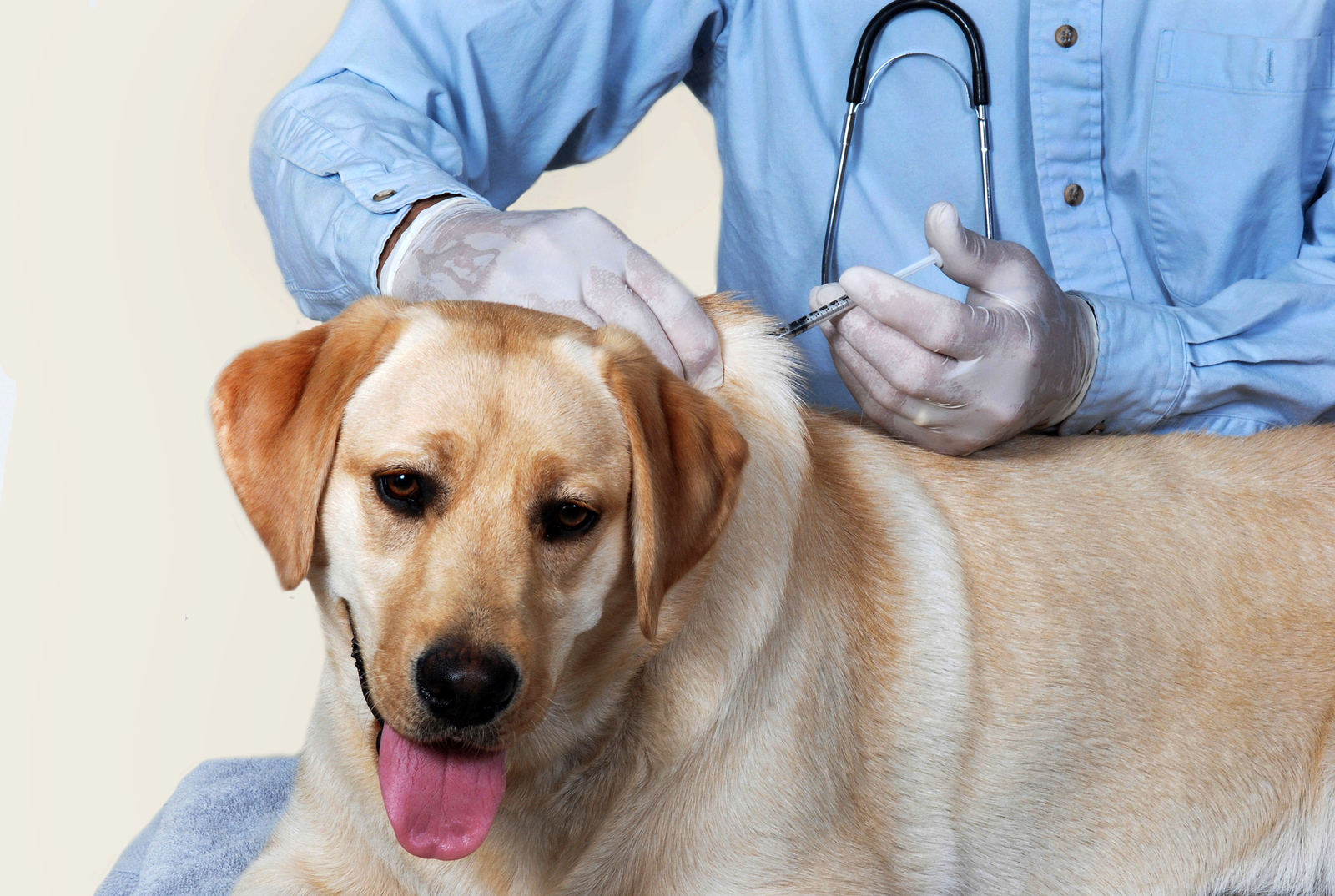
Our local news broke a sad story. Stray Rescue of St. Louis is experiencing an outbreak of distemper among their dogs, mainly puppies. Several have already died. Because this virus is highly contagious, the shelter is closed for the next 30 days. They cannot risk bringing in new dogs (who are, obviously, not vaccinated). This deadly virus is, fortunately, not very common, thank to vaccinations. While it does not make the news very often, here’s what you need to know.
The virus
Distemper does not get the attention that parvovirus does, although it can be just as deadly. Thankfully, it’s not all that common, but every veterinarian has seen a case in the past few years. Better news: the distemper virus is a bit of a wimp once it’s outside a living body. While parvo can live on and on in soil or grass, the distemper virus will only last a few hours on its own.
The symptoms & treatment
Distemper is a disease that can produce a variety of symptoms. The most common presentation is a dog (or puppy, usually) with a high fever and a very bad cough. These symptoms can start to show 5-7 days after the dog met with the sick animal. These pups have yellow-green mucous pouring from their nose, and often their eyes. The pups feel like crap! Symptoms can progress to severe vomiting and/or diarrhea, and even neurological signs, like muscle tremors or even seizures. Some dogs develop a hardening of the nose and paw pads. If not treated aggressively, the virus is often fatal. If a dog has progressed to the point of seizures or other neurological signs, the chances of recovery are much lower. Treatment involves hospitalization (in isolation) at a 24/7 facility on IV fluids and IV antibiotics. Other treatments are symptomatic (ie for vomiting, diarrhea, etc).
The source
In the midwest, the most likely source of distemper virus is an infected raccoon. The raccoon will be out during the day, and will not seem shy – it may be acting “drunk.” Because the virus cannot survive overly long outside the body, virus transmission is often via direct contact, or at least close vicinity. The virus is found in pretty much every secretion of a sick dog or raccoon: nasal mucous (from a sneeze), eye discharge, diarrhea, even urine! The virus enters via mucous membranes (nose or mouth).
The vaccine
Everyone has heard of the distemper vaccine. It’s actually a combination shot (usually) that includes protection against parvovirus, adenovirus, and an upper respiratory virus. (Here’s my article all about vaccines). We call it the “distemper shot” because its official name is DHPP, or Distemper – Hepatitis – Parvovirus – Parainfluenza. That’s a mouthful, so we just say “Distemper.” Good news – the shot is highly effective! If you have wildlife in your yard, I recommend protecting your dog with this vaccine. Good news – the vaccine does not need to be given every year, and the three year vaccine is safe and efficacious. Once your dog is vaccinated, you can even have levels of antibodies checked (called titers) to make sure your dog is protected and does not need re-vaccination.
Why puppies?
These outbreaks hit puppies the hardest for two reasons. First, their immune systems are not 100% developed yet. Also, and most importantly, they have not been alive long enough to have been vaccinated, and for that vaccine to protect them from the disease. Depending on vaccine type, it can take roughly 10-20 days for the vaccine to produce a protective immunity from the virus. So if a puppy is brought into a shelter experiencing a distemper outbreak and is given a vaccine right away, it will still be susceptible to the disease for several days. This is why shelters experiencing distemper outbreaks will not accept unvaccinated dogs or new puppies – the chance of them contracting the disease – and dying from it – is very high.
The test
There is a reliable test for distemper that your veterinarian can perform if the disease is suspected. The bad news – unlike the parvo test, which gives us results on the spot in 10 minutes, the tests for distemper must be sent to a lab, and can take a day or two to get results. In a very sick dog with distemper, those two days can mean life or death. Worse, in a shelter situation, that’s two more days of the virus spreading via coughs and sneezes!
Bottom line – distemper is bad news. The reason we do not see it very often is because dog owners have vaccinated their pets! Before the vaccine was developed, this disease killed countless dogs! Maintaining your dog’s protection against this virus will effectively prevent him or her from contracting the disease.
Web-DVM guest blogger Dr. Karen Louis is a practicing small animal veterinarian. See more of her articles at her blog at VetChick.com
Dogs Understand Language As Well As A Child
 Pictured here is Sky the Border Collie who, along with her mom Dr. Melody Jackson, is leading cutting edge research that give dogs a “voice” that enhances the relationship between dogs and their people. At the Georgia Tech Animal Computer Interaction Lab, when instructed, Sky lifts her head to tug on a strap that hangs from the side of a vest that triggers a voice that says, “My owner is hurt, please follow me.” Sky and her Mom are also currently testing additional technology that calls 911 upon the tug of a strap.
This research has illustrated that most dogs can understand human language at the same level as a 2 year old human child. Some dogs far exceed this, such as Sky who can comprehend human language at the level of a 4 year old human.
Similarly to humans, dogs have evolved an area in the brain called the Broca, which is responsible for language comprehension, lending them an uncanny ability to learn and comprehend human speech.
The vest also has other applications where bomb sniffing dogs may differentiate between a stable or dangerous substance with a simple tug on a strap. The possibilities for the technology being studied at Georgia Tech can be profoundly life changing. For example, a deaf person may be alerted that a baby is crying or someone is at the front door.
For those of us who have had dogs all of our lives and love them as family members, most of us enjoy talking to their dogs. I have always felt that dogs understand not only what I am saying, but sense the feelings behind my words. In the past, this belief was dismissed as simple repetitive sound association and dogs being astutely sensitive to human body language and the scent of pheromones. However, this research has proven what I have known in my heart since I was a child, that my dogs can actually understand my words.
While the practical applications of this research are exciting for the enhancement of the canine-human bond, the confirmation that dogs understand our language is even more profound.
Dr. Roger Welton is the President of Maybeck Animal Hospital in West Melbourne, FL, Chief Editor of the Veterinary Advice and Information Website, Web-DVM, and founder/CEO of Dr. Roger’s Holistic Veterinary Care.
Photo and article source credit: http://www.wtsp.com/life/animals/our-dogs-understand-language-as-well-as-a-child/352328621
Getting Veterinary Advice From Your Breeder Is Like Getting Gynecological Advice From A Pimp
 Whether you find the title of this post either exceptionally crass or exceptionally clever, I cannot take credit either way, as it comes from a Facebook meme I recently saw posted by a veterinary friend and colleague of mine. It was a recent client visit that had me feeling like I was banging my head against a wall that reminded me of the meme that inspired me to write this post.
A beloved client that has been seeing me for over 12 years brought her new Golden Retriever puppy for her second set of puppy immunizations. I had tended to her two previous Golden Retrievers who were sisters from the same litter that we collectively nursed through the myriad health issues that commonly afflict dogs in their twilight years. In one particular incident, I performed emergency surgery on one of them to stop internal hemorrhage that had resulted from a ruptured spleen. We enjoyed a great working relationship built on mutual respect and trust, which makes what I am about to discuss in this post all the more unpleasantly surprising.
As I was about to administer the second immunization of the puppy visit, my client asked me what it was. I told her that is was leptospirosis. With that answer, she promptly asked me to stop, as she intended to decline that vaccine. When I asked her why, she stated that her breeder warned her not to have the vaccine administered.
At that moment, I felt my blood pressure rising and I have admit, was thoroughly annoyed. The fact that a breeder feels qualified to give veterinary advice – that goes against my veterinary medical judgment, as well as the judgment of the American Veterinary Medical Association and the American Animal Hospital Association that all recommend Leptospirosis as a core canine vaccine – is troubling enough, but for my beloved client of over 12 years to trust a breeder’s judgment over mine is a punch in the gut.
As annoyed as I felt, I kept my cool and calmly asked my client why her breeder had an issue with Leptospirosis vaccine. To this, my client stated that her breeder did not specify and simply told her that it was very dangerous. My follow up sentiment was that “dangerous” is a very nebulous term and I asked if she was referring to any specific syndromes, FDA, or adverse reaction data. She said no.
I then asked my client if her breeder had any veterinary medical training, which my client answered no, but she is a very knowledgeable and respected breeder. I asked my client if her breeder told her that Leptospirosis is bacterial disease that is transmitted via the urine of rodents, including squirrels and rats, has an uncanny ability to survive in an environment of moist soil and fresh standing water, and carries a 50% mortality rate. She said no.
I assured my client that the immunization is not only statistically overwhelmingly safe, but that it also saves lives as it protects from a deadly disease that is on the rise. My assurance was dismissed, and she remained steadfast in her intent to decline the vaccine, but promised that she will continue to look into it.
Although we often do not think of it this way, veterinary clients are paying customers. In addition to being paying customers, they have sentiments and concerns about their furry family members medically justified or not that deserve our attention and to be addressed with respect. As such, I parted from the visit agreeing to disagree and welcomed her to return for a complementary immunization should she change her mind.
Although I handled the encounter professionally, days later I still have difficulty shaking off the frustration that my veterinary medical judgment has been undermined by a breeder and my client that in this case values her breeder’s opinion over mine.
Dr. Roger Welton is the President of Maybeck Animal Hospital in West Melbourne, FL, Chief Editor of the Veterinary Advice and Information Website, Web-DVM, and founder/CEO of Dr. Roger’s Holistic Veterinary Care.
What to do (and what NOT to do) when a pet is limping
 When I was in vet school, one of our orthopedic surgery professors had a saying:
“There is no such thing as an orthopedic emergency.”
Clearly he did not enjoy being called in the wee hours of the night.
Can’t blame him.
What he means is that an animal won’t die from a broken leg or ruptured ligament. Now, if they broke that leg because they were hit by a car, that is a totally different story! Playing ball in the yard and your dog suddenly starts limping – not fatal. Still sucks though!
Some limping type injuries can self-resolve in a matter of hours. You know how it is – you step on your ankle funny and it hurts for a while. You go to bed, forget it about it, and wake up fine. Good thing you didn’t spend the night in the ER! However, not all of us get that lucky.
What to do?
First thing – do not make life harder for your pet (or the vet) by giving pain medication that is not intended for your pet! I can’t tell you how many pets I have seen for limping, and after I talked to them, I couldn’t care less about the limp. I cared about the toxic dose of pain meds (or combination) that the owner had been giving them. They won’t die from the limp. They can die from drug toxicities. So a simple injury I could have easily treated turned into a life-threatening ordeal, simply because the owner had nothing but good intentions.
If your dog or cat has been on pain meds for another reason, and you have some left over, that’s great! By all means, make your pet comfortable using what was prescribed for him! If you don’t have anything at home, this is not the time to get creative. And please don’t google search – you’ll find suggestions that can do more harm than good! (Remember, ANYONE can make a website.)
If you’re tempted to give aspirin – stop. Put the bottle down. In cats, aspirin is downright deadly. In dogs, a little aspirin won’t hurt them. BUT, it then prevents your vet from being able to prescribe more effective and safe medications, because many of those interact negatively with aspirin. As a veterinarian, it’s very frustrating to want to give a hurting dog pain meds, but I have to wait several days for the stupid aspirin to leave their system first!
So just don’t start.
Additionally, although it is tempting to want to help our pet in any way, resist the urge to wrap or splint the leg. Over 50% of the time, the joint the owner thinks is hurting is not the affected joint at all! You can actually make your pet hurt worse by improvising some type of “bandage”.
If he or she is eating, drinking, acting OK, but limping, it is not a life-or-death emergency, but we still want to get to the bottom of this! We vets can often tell based on physical exam which joint is hurting (it isn’t always what you think!), and give you options of x-rays, medications, as well as surgical options, if applicable. We can also provide pain medications for your pet that are designed for pets! So if the limping has lasted more than several hours, have your pet seen by a veterinarian and skip the “home remedies.” Some things are best left to the experts!
Web-DVM guest blogger Dr. Karen Louis is a practicing small animal veterinarian. See more of her articles at her blog at VetChick.com
How can I tell if my cat is in pain?
 If you’ve lived with a cat, you know that making our lives easier is most certainly not on their agenda. They are great communicators in some aspects – when he’s hungry, you will be informed in no uncertain terms, particularly if it’s 5am. Some cats clearly show their disdain at the litter box not being up to standard.
If they are so good at sharing their feelings, why do they hide their pain so well? It goes back to their origins as both predator and potential prey. The cat that is limping, lethargic, or showing any weakness basically looks like a target to a larger animal who may want to eat it. So, survival instincts dictate concealing pain.
Besides, when have cats ever tried to make our lives as owners and veterinarians easy?
There are signs that give away their painful secret – you just have to know what to look for!
Missed jumps, or not even trying
As cats age, they commonly become arthritic, which means they feel pain in their joints when moving, walking or jumping. If your cat used to run up and down the stairs, and you’re noticing she’s staying on one floor, that is a sign. Not hanging out on the perch he loves, or hesitating before jumping are also giveaways that there may be some joint pain. Some cats will still try to jump and miss. This sign is not very common, and cats are smart and do not enjoy failure. A couple missed jumps can make a cat think “forget it, I just won’t go there any more.”
Sleeping or lying in new places
This is related to the lack of jumping. If your cat chooses a new place to sleep that is on or close to floor level, there could be a reason. If it’s too painful to go to the usual spots, they’ll pick new ones.
Eliminating outside the litter box
There are many potential causes for this, but pain is one. It’s important to rule out other causes, but a couple things to think about:
- Is the litter box in the basement?
- Is the litter box covered or tall?
- Are there barriers to the litter box to keep other pets out?
For older, arthritic pets, these seem like minor details, but they can be deal breakers! Some litter boxes are 8 inches tall – imagine having to climb a wall almost as tall as you are to use the toilet! On a similar note, heading down and up a flight of stairs is a journey when jumping up every single step is accompanied by pain!
Matting/Lack of grooming
Grooming, especially the back half, requires some bending and downright yoga-style moves. Cats with arthritis often are not able to groom as well as they used to. If you notice tangled hair (mats) forming on your cat, have her checked out – she likely is stiff and painful. Another possibility – some cats are so obese they simply cannot reach! Also, cats with mouth pain (dental disease or oral cancer) often will skip grooming.
Hiding
When cats are sick for a variety of reasons, the most obvious sign they often give us is hiding. It’s a vague sign, but if your cat starts hanging out in out-of-the-way places, or avoiding contact, have her checked out by the vet!
Posture
Classic posture of cat that is suffering
This is a subtle one, but it’s huge! Cats that feel like total crap take a traditional “I hurt” posture. It’s often sitting curled up with the neck flexed down, back slightly arched, staring at the floor. It’s almost like they are curling up into a ball. I see this in cats with more just arthritis, but major disease that makes them feel like the worst flu you’ve ever had, times 100. Cats in severe kidney failure or liver failure often have this posture.
Changes in habits/behavior
If your cat always wakes up at 6am and wants to eat, then stops doing that, there’s a sign. If she greets you at the door and no longer does, or used to love to cuddle and you’re now alone, those are also big signs.
The “obvious” signs
Notice crying or moaning in pain was not on this list! Cats hide their pain, so moaning, crying, or wailing rarely happens. Don’t wait for that before you think your cat is hurting. Cats can vocalize for other reasons, such as dementia, hyperthyroidism, or hypertension. If your cat is vocalizing more, a visit to the veterinarian is in order! Just know there will likely be more to it than pain.
Another obvious sign is a change in appetite. This might not always be obvious in multi-cat households, where the food is down all the time and everyone eats when they want. It’s very hard to tell who is eating what in these cases, but make sure everyone visits the food bowl daily as far as you can tell. Weight loss often accompanies appetite loss, but with cats, loss of a single pound is a big deal, and that can be very subtle and hard to detect!
Additional obvious signs include limping or a change in gait. No one needs to tell you those symptoms indicate pain. Another symptom is licking or over-grooming of a particular area. Bear in mind, over-grooming can also be symptom of skin disease or anxiety, so mention this to your veterinarian!
Senior or geriatric cats with arthritis or other diseases can often develop dementia as well. The overlap of symptoms of these diseases makes it even more important to discuss any symptoms you observe to your veterinarian. Click here for my article on dementia in cats.
Web-DVM guest blogger Dr. Karen Louis is a practicing small animal veterinarian. See more of her articles at her blog at VetChick.com
Good Grief
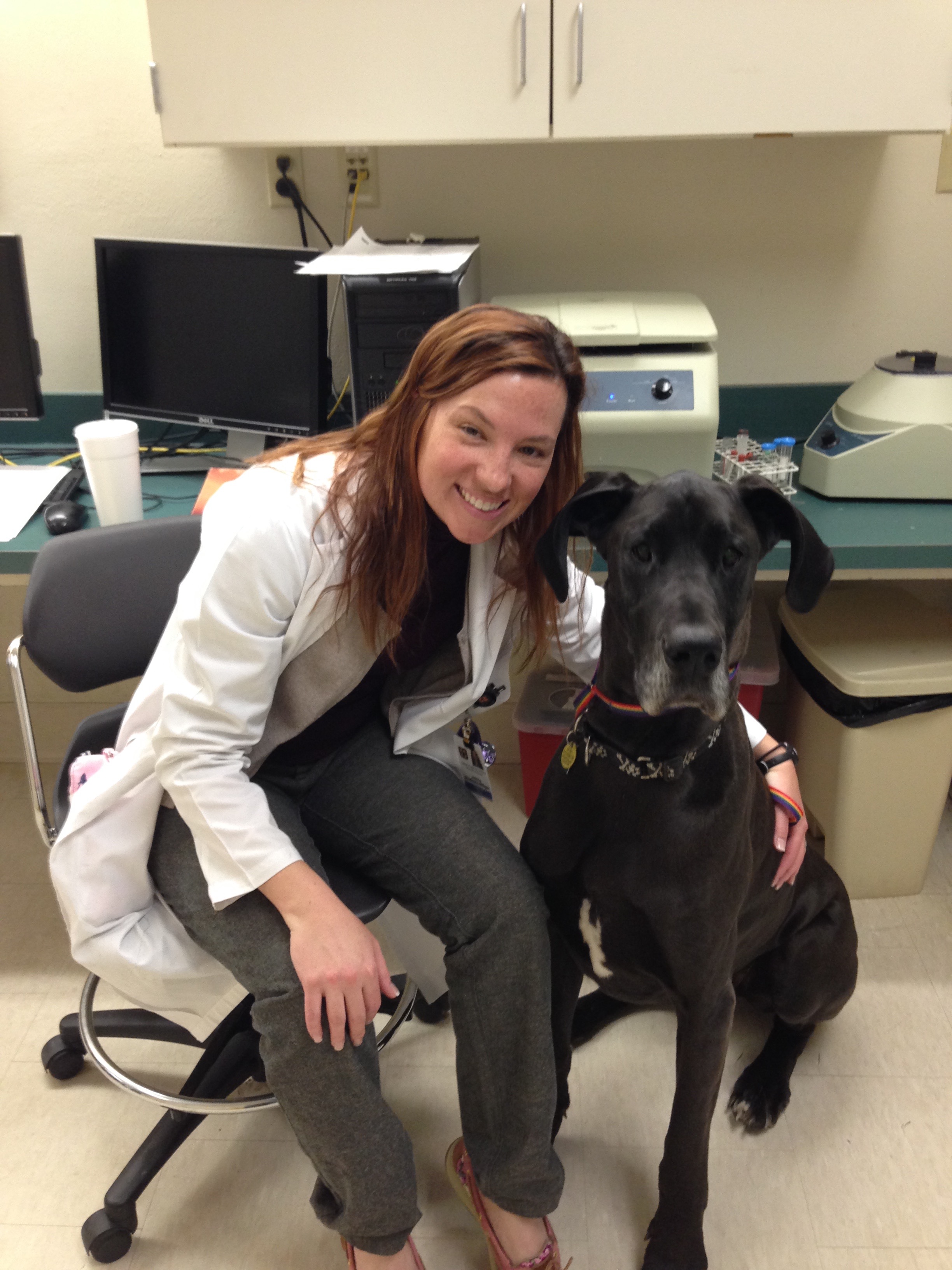 My husband and I lost our Great Dane to osteosarcoma (bone cancer) last week, at almost 9 years of age.
My dog , my furry daughter, the reflection of my soul, light of my life, and apple of our eyes, died.
She is gone.
(more tears hit the keyboard…)
What makes us as veterinarians, as scientists, us as people taught in the shades of grey that paint the world of medicine, decide that “it’s time”? Is it that he/she is no longer acting like they did yesterday, the day before, last week, or last month? Is it that they are in pain beyond the reaches of what current medicine can offer? Is it that they won’t eat, won’t wag a tail, won’t walk on their own? Is it that we’ve done everything we know to do and can’t improve their quality of life? The answer to the above is yes.
We have the exquisitely unique ability to freely use humane euthanasia to end animal suffering, and even took an oath to utilize that freedom to the best of our ability when we graduated from veterinary school (“…I solemnly swear to use my scientific knowledge and skills for…the prevention and relief of animal suffering…”). While euthanasia is the last option we discuss in the exam room, and we aim to prevent animal suffering with diagnostics and treatments aimed at alleviating the pet’s medical condition, sometimes it is still very appropriate to discuss end-of-life decisions and how we can best respect Fido or Fifi’s life and allow them the most comfortable passing as possible without undue suffering.
I read an article written, not too long ago, from a veterinarian who performs in-home euthanasias and hospice care. She said it best, and I often repeat it to my clients, “It is better to be a week too early than a minute too late.” And I think that encompasses so many different scenarios that we all face when it comes to the end of our best friend’s life. Many of my clients have told me they remember the agony their pet was in the last few days, weeks, or months prior to death, and are tainted with those memories rather than the plethora of good and happy times they spent the remainder of their lives. I know we all wish they were born with a pop-up turkey timer that miraculously pops up and says “It’s time and I’m ready!”. That would be clean, easy, and no regrets. But as we all know, life is messy, and it’s up to us as loving family members and as veterinarians whose sole purpose is to provide comfort, decrease pain, and cure or palliate disease, to step in and realize that the best love we can give our beloved furry family members is to let them leave this world in peace and love in a controlled environment without stress or agony.
As I often tell my clients when the tears are uncontrollable, and our hearts are shattered in a million pieces, “If we didn’t love them unconditionally, this would be so much easier.”
And, yet, our tears fall daily. Our hearts re-break each time we think of them. And we will agonize over if the timing was right. We are all in this together, and with time, each day will get easier.
Their memory will not fade, our love will not waiver, and we pray each day for peace. And we are eternally grateful we were able to share our life and our love with someone who reflected the best of us, and returned our affections a million-fold.
Dr. Jessica Boudreaux-Milligan is Web-DVM contributor and attending veterinarian at Maybeck Animal Hospital in West Melbourne, FL.

Keep your pets safe this holiday season!
The holiday season is right around the corner starting with Halloween (yes, in my home, we consider Halloween a holiday!). It is both a joyous and busy time and it can be easy to overlook certain...

Help for nervous/anxious dogs
There seems to be a growing number of excessively nervous, often skittish dogs. This can range from anxieties, such as noise or storm anxiety, anxiousness about being separated from pet parents,...
Bird flu is infecting cats and cases are rising – What you need to know!
H5N1 Avian Influenza is causing far more trouble than just just high egg prices. The bird flu has successfully jumped species now able to infect cats and people. Although the ability to infect...

Read Dr. Roger’s Latest Book!

 Be Healthy & Fit With Celebrity Trainer Steve Jordan
- The New Measure of a Life Well Lived: Why Health Span Matters More Than Longevity
- The Wealth Spark: Igniting Your Path To Abundance and Success
- Bright Line Eating with New York Times best selling author Dr. Susan Peirce Thompson
- Maximizing Your Workout Time: Efficiency Tips from Westwood Private Fitness
- How to Transform Your Dad Bod: Insights from the Fit Father Project – New Podcast Episode Out Now!