Unsubstantiated Mass Hysteria Targets Trifexis
I don’t know what it is about the psyche of certain people. They yearn to choose conspiracy over the obvious, somehow garner security from their own distrust of everyone and live their lives looking for the next professional expert to expose as incompetent, unscrupulous and in league against them. In the face of difficult circumstances, these same people often feel the need to blame someone or something for their misfortune, that somehow pinpointing and targeting the reason for their problems, makes tough situations more easily accepted.
Atlanta-based consumer investigative reporter Jim Strickland was contacted by a so-called “victim” of the flea, heartworm and parasite preventive Trifexis, and was pointed to a Facebook page called “Trifexis Kills Dog.” The alleged canine victim had died within two days of taking the product according to its owner. It did not matter that dog was 12 years old, was under treatment for a serious endocrine disease called Cushings Disease and that Elanco (the animal division of Ely Lilly, the pharmaceutical that manufactures the product) paid to have a post mortem examination that found heart failure to be the cause of death, with no link to Trifexis. Heart failure is, however, linked to Cushings Disease, the aforementioned endocrine disorder this dog was under treatment for.
Nonetheless, this reporter saw an angle and remained undeterred, playing on the emotions of the type of people that are ripe for such news, regardless of lack of objective evidence to substantiate the story. The story came to my attention initially because a colleague of mine was quoted out of context for the report and follow-up article on the Trifexis story. My veterinary colleague, who has some experience in dealing with media, forgot the golden rule of talking to reporters, and that is to never answer them with one thought broken up in separate sentences. Here is how it went down.
The reporter asked my colleague in light of the negative publicity of Trifexis, if he has ever seen reactions after administration of Trifexis to a dog. My colleague answered, “I sometimes see reactions. Reactions are not very common and it has never been anything beyond minor GI upset.” The reporter printed, “I sometimes see reactions.”
The truth about Trifexis is that it is a very safe product for use in the prevention of heartworm disease, fleas and the three of the most common types of intestinal worm parasites in dogs. Where fleas and heartworm disease are serious year-round issues, such as here in Florida and other southeast states, Trifexis has been a life sustaining preventive product for some patients.
I have been carrying Trifexis for the past two years, during which time I have sold thousands of doses for hundreds of canine patients. It is very popular for its all-in-one preventive approach, but in Florida where there is flea resistance to long-standing veterinary grade topical flea preventives; it has been especially successful in controlling flea outbreaks. I have not seen one single serious reaction to Trifexis, just the occasional canine patient (about 1 in 40-50) whose gastrointestinal system cannot tolerate the product and experienced vomiting or diarrhea. It is otherwise a good product for the vast majority of dogs who take it.
This situation is dismaying to me, not because I have pity for the multibillion dollar pharmaceutical company that makes Trifexis, but because it is yet another example of sensational, unethical reporting to a certain segment of people all too eager to buy it hook, line and sinker. Some of the posts on the article, as well as the Facebook page, are difficult for veterinarians to stomach, with people accusing us of peddling this product, knowingly intoxicating countless dogs, thinking more about our revenue stream from the product than for our patients. One person wrote, “…I don’t know if I can ever trust another veterinarian ever again.”
To set the record straight, veterinarians recommend products like Trifexis because they safely prevent disease. While we earn a profit for the sale or medications, supplements, immunizations and medical services, the vast majority of us make our recommendations based on the well-being of the patient’s we treat. I would strongly discourage denying your dog the disease preventive benefits of a product like Trifexis on the basis of unethical reporting and certain types of people who choose to believe it over the judgment of their veterinarian.
Dr. Roger Welton is the President of Maybeck Animal Hospital and CEO/Chief Editor of the veterinary information and blog online community, Web-DVM.
“Designer Breeds” Are Growing Out Of Control
It started in the early 2000s with the Puggle (Pug and Beagle mix) and the Labradoodle (Labrador Retriever and Standard Poodle), and gradually took off from there. Prospective puppy buyers saw the trend and fell victim to it, often agreeing to pay thousands of dollars for what the AKC considers little more than a mutt – a mixed breed dog that has no more value than one you can pick up at the pound. At least, the mutt at the pound is a rescued dog that costs an average adoption fee of $60 and comes with de-worming, immunizations and spay/neuter.
Nonetheless, the trend has grown, now giving rise to the likes of the Maltipoo (Maltese and Mini-poodle), Yorkiepoo (Yorkshire Terrier and Mini-poodle) Shih-poo (Shih Tzu and Mini-poodle). Just this past month I saw my first Bassador (Bassett Hound and Labrador Retriever).
People, Please Stop!
Don’t continue to give these “breeders” more justification to keep finding new ways to create countless more mutts, tag them with fancy names to hide the fact that the dog is a mutt, and convince people that they really need to pay thousands of dollars for them. If you want a good pet, go adopt one from the pound and spend the savings on quality veterinary care and optimal nutrition. For an adoption fee of about $60, you’ll get a beautiful mutt that is spayed or neutered, de-wormed, heartworm screened, parasite screened and treated, and current on all immunizations. If you wish to give the mutt puppy a cutesy little unique “breed” name, you can create your own by combining the breed names it is mixed with. It will be equally as meaningless to the AKC as one you would buy from a breeder. But go ahead and have a little fun with it anyway!
Please don’t take this the wrong way, I have nothing against mutts – I love them actually. Their genetic diversity often makes them healthier and better adjusted than their pure bred counterparts, and they deserve our love just as much. Just don’t feed an industry that is purposely making so many more mutts that our country’s overflowing shelters must euthanize hundreds of thousands of them every day.
Dr. Roger Welton is the President of Maybeck Animal Hospital and CEO/Chief Editor of the veterinary information and blog online community, Web-DVM.
Top 2014 Resolutions for your Pet’s Health
Take dental health seriously
Dental and gum disease not only causes direct pain, but it also is linked directly to immune compromise, kidney disease, heart disease, liver disease, respiratory disease, gastrointestinal disease, and oral cancer. The sad part is that the consequences of dental and gum disease are very preventable. Many pet owners choose to dismiss the veterinarian’s recommendation for dental cleanings when periodontal disease is diagnosed on routine physical examination. They find the idea of a dog or cat receiving dental hygienic care silly.
Pet owners also commonly assume that as long as the pet continues to eat and not show outright signs of oral pain, that all is well enough…even when I show them severe dental lesions with gum recession, bone loss, and tooth root exposure. They are not aware that animals by their nature hide signs of pain; they internalize it and suffer silently. In a wild setting, animals that show pain or weakness attract predators; invite younger, stronger animals to chase them from territory, steal their food, and threaten their young. It is thus instinctive for animals to do their best to hide pain.
But make no mistake, if you were living with stage 3 out of 4 periodontal disease or worse, as I commonly see my patents living with, not only would your general health be suffering, but you would be living in agony. Hence, once resistant owners finally take the recommendation seriously enough to finally invest in dentistry for their pet, we commonly get the report that in addition to markedly improved breath, the pet generally has more pep, sometimes even seemingly a new lease on life.
Engage in real wellness care
The past several years of economic turmoil saw the rise of the bottom of the veterinary barrel, discount vaccine clinics. Whether in an actual building or in mobile units that pull up to pharmacies, pet stores, and even gas stations, these facilities have left a dark stain on veterinary medicine, by significantly lowering the standard of care of pets in the United States.
Discount vaccine clinics do not take medical history, take temperature, or provide a physical examination prior to plugging your pet with vaccines. Since their primary income source is vaccines, they usually do not follow AVMA or AAHA vaccine standards that call for a strong emphasis on 3 year core vaccines and lifestyle/geographically tailored vaccines protocols based on risk assessment. They will pound away with every vaccine available every year, even when diseases may not be endemic to your given area, or your pet’s lifestyle may not leave him at significant risk for a given disease.
The lack of comprehensive physical examination not only misses health conditions that may make a pet a poor candidate to receive vaccines. Not having the pet properly examined at least yearly does not allow for early detection of disease. Early disease detection allows for early treatment intervention before it is too late. This is especially true for senior aged animals. Not a day goes by that I do not detect early signs of disease in a patient during a routine wellness visit.
Take nutrition seriously
I commonly observe people filling the gas tanks of their automobiles with premium gas that costs a dollar or more per gallon, yet they will feed their pet the cheapest pet food that is on sale at the nearby superstore. On one hand they make the investment to spend more money on fuel to optimize the performance and life of their cars, but when it comes to the fuel they choose for their pets’ bodies, they do not apply the same standard.
The truth is that nutrition is perhaps the most important aspect of a pet’s quality of life and longevity. Poor quality diets have poor quality ingredients that provide for reduced nutrient absorption, while creating excess metabolic waste. They subsequently do not optimally nourish the pet’s body, negatively affecting vigor and quality of life, predisposing to disease, and ultimately shortening lifespan.
At the same time, just because a diet is expensive does not mean it is necessarily a good diet. Using terms like “all natural” and “holistic,” and/or showing pictures of wild cats and wolves on their labels, gimmicky pet food companies fool many pet owners into paying a lot of money for diets that are not appropriately nutrient balanced. Some of these foods gain underserved status through cult followings in internet pet forums. Not having a species appropriate nutrient balanced diet can lead to many of the negative effects we see associated with poor quality superstore or grocery store pet foods.
Don’t be fooled by labels like “all natural” or “holistic.” Any food that is put into a can or is processed into a kibble form cannot possibly be all natural. Since there is no criteria by which a diet can be called holistic, thus it holds no real meaning in the pet food industry…it is little more than a promotional ploy.
Your veterinarian remains your best source for pet food recommendations.
Consider pet insurance
If you have a healthy, young to middle aged pet, you may want to give serious consideration to purchasing pet insurance if you are not in a financial position to be able to pay hundreds to thousands of dollars for diagnosis and treatment of unexpected injury or illness. Good pet insurance companies will reimburse 80%-90% of a claim, which for many pet owners could mean the difference between being able to afford treatment for their pet, or not.
When shopping for pet insurance, always remember that like in any other industry, not all are created equal. Before purchasing a policy for your pet, ask your veterinarian who likely has experience with many different pet insurance companies and can provide you valuable feedback.
Dr. Roger Welton is the President of Maybeck Animal Hospital and CEO/Chief Editor of the veterinary information and blog online community, Web-DVM.
2013-2014: Pet Peeves And Positive Signs
The end of each year is a reflective time for many us. It’s a time to look back on the things we did well and the things we did poorly; and to use the lessons of our triumphs and failures to set goals that will optimize our success in the New Year. I take this concept to a higher degree than most, necessitating of course, that I blog and podcast about it this time every year. J Many things that occur to us in the course of the year we have 100% control over, while others, we have little, partial, or no control.
Government Gone Really Bad
2013 highlighted perhaps the worst example of government I have seen in my lifetime, with political partisan gridlock taking precedence over the people our elected officials represent. I do not need to remind anyone that this led to the government shutdown of 2013, as well as the near (and potentially catastrophic) default on our debt.
Many Americans were angered, but unaffected by the dysfunction of Washington and either ignored the news or simply sat back in their loungers and chose sides in the debacle, taking whatever position their political talking head du jour spoon-fed them. For others, this was not a left versus right, donkey versus elephant game, cheering for one’s favorite ideological team to win, but a situation that sought to damage a slow and steady but fragile economic recovery, and put their lives and families in serious financial jeopardy.
My veterinary practice is in an area very much directly affected by the actions of our government, in an area known as the Florida Space Coast that is home to NASA, Patrick’s Airforce Base, and an alphabet of defense contracting companies. As the shutdown progressed, as politicians pointed fingers and bickered like school children, I watched friends, family, and clients be told to stay home from their jobs, as they could not be paid.
Not knowing when the shutdown would end and not knowing how a final deal would affect their employment, people with children to feed and clothe and mortgages to pay, were rightfully scared. During that three-week period my clinic was so quiet, one could hear crickets. Meanwhile, I had a medical team’s salary to pay, and all of the other financial obligations that come with a full service veterinary hospital. Every small business in my county suffered the same circumstances, all manufactured by our own government.
What I learned from this experience is that our currently elected officials have less regard for the wellbeing of the American people, than they do about advancing an ideological agenda, or the agenda of special interest groups that fund their campaigns. If course, I was previously not so naïve to be unaware that to a large degree this has really always been the case with politicians, but this was the worst example of it I have seen to date…and I do not see it getting any better anytime soon.
As a result, while I still must pay some attention to government, be informed and exercise my right to vote to at least try to make a difference; I have lost faith in our political system. I know that they are far more capable of doing the American populace harm, than they are in creating good. I have begun assertive but conservative financial planning, knowing that social security will not be there for my generation, as well as aggressively investing in my children’s education, preparing for the ever skyrocketing costs of college education. While I want to equip my practice with all possible state of the art equipment and tools, knowing that my government’s actions can pull down our economy on a dime, I instead wait for a time when medical equipment can be purchased in cash rather than risk financing them.
2014 will be a mid-term election year. While there is little we can do to influence the all too often hyper-partisan House of Representatives whose members represent highly partisan small districts (and thus continue to get elected no matter how much trouble they cause), I will be looking at political seats that must answer to a larger portion of the electorate: US Senators, Governors, and the US Presidency (although this will mostly be primaries until 2016 – oh joy!). I will be less interested in political party and ideology than I will in a candidate’s willingness to work with the other side, as well as have the résumé to back up that sentiment.
Hope in Our Economy
Bad government notwithstanding, for the first time since 2008, I am seeing some real optimism about the economy. Unemployment has dipped 7%, the economy had very strong growth in the last quarter of 2013 (4.1% according to bloomberg.com). Pet owners seem generally more willing to spend money on important but often ignored elective procedures such as dentistry, alternative medical therapy, as well as investing in optimal nutrition. Many pet owners who felt compelled to elect yearly immunizations from shot wagons and discount vaccine clinics, have returned to enjoy the benefits of comprehensive wellness visits that a full service veterinary hospital provides for their pets.
Veterinary Medical Technologies Have Never Been More Cutting Edge
2013 saw the rise of stem cell technology enabling treatment of all manner of degenerative diseases and injuries. Combined with PRP (platelet rich plasma), therapy laser and the use of hyperbaric chambers, our ability repair damaged tissue has increased by leaps and bounds this past year.
However, these technologies are all too often cost prohibitive for a lot of pet owners, which means that our next task will be to make these technologies more affordable and therefore available to the average pet owner.
Thank you to all of my readers, listeners and viewers. I am touched by the fact that so many of you take the time to read about my experiences and how I feel the pet world may benefit from sharing them. I extend a special thanks to those who not only read, listen or view my work, but to contribute your thoughts by posting here at the blog, calling into my live podcast or commenting on my YouTube page.
Happy 2014 to each and every one of you! I look forward to continuing our conversations throughout the New Year!
Dr. Roger Welton is the President of Maybeck Animal Hospital and CEO/Chief Editor of the veterinary information and blog online community, Web-DVM.
Craigslist is a Bad Place to Buy Pets
Like most people, I have used Craigslist to land great deals on household items sold at often-inexpensive prices. As a road cyclist, I also used the site to sell my old road bike when it came time to upgrade to a newer one. To be sure, Craigslist serves a useful purpose in many ways, even helping people to find employment. But when it comes to looking to buy a new pet, it is absolutely the wrong place to go.
I finished today’s workday seeing a lovely young couple, two quality individuals the likes of which it is my privilege to serve. The young lady having had an affinity and love of Bengal cats but was having trouble finding breeders reasonably nearby to find one, she had taken to Craigslist to search for a Bengal kitten.
She promptly found what she was looking for, but when she went to see the litter that was available to choose from, something did not feel right about the experience from the outset. The home of the breeder looked run down and unkempt, the yard overgrown with uncut grass, bushes and weeds everywhere. The breeder also brought the basket of kittens outside, not allowing the couple in the home.
The couple picked out their new kitten, but contrary to Florida state pet law requirements, the breeder presented no state health certificate for sale (that just be signed by a licensed veterinarian), and no evidence that that the kitten had ever been evaluated by a veterinarian at all. Within one day of bringing him home, the young owners quickly noted that the kitten had fleas, that he was sick, showing gastrointestinal and upper respiratory disease signs. After bringing the kitten to my clinic, they learned that he was sick with parasites and an upper respiratory infection, both of which were treated by my associate veterinarian.
Oddly, sometime later, the breeder called the young couple and asked them if they would be interested in a free kitten that had an eye infection, that if they were willing to take on the expense to have it treated, they could have the kitten for free. Despite the creepy vibe they got from this breeder and the already bad experience they had had with her, they still loved the kitten they got from her, and did not want to think about what this person may do with the kitten with the eye infection if they would not take her.
This time around, the couple was actually invited into the home, and what they saw appalled them. The house was filthy, and there were un-neutered and unsprayed cats all over the place, free to breed at will and provide a constant influx of new kittens to provide her income….yet not given any access to veterinary care whatsoever. The cats were all covered in fleas, and many looked in poor health. The woman intimated to the couple that she was looking to sell off the remainder of the cats as soon as possible, as her house was in foreclosure and could not take the cats with her.
Worst of all, when the couple saw the kitten that was being given to them provided they were willing to deal with the “eye infection,” they saw that there really was no functional eye to see. Where there was once an eye, was now little more than an ocular socket with macerated tissue and pus oozing out of it. Once the kitten was brought into my hospital and examined, we determined that was once likely a simple eye infection, due to the breeder’s neglect and refusal to have the kitten seen by a veterinarian, the infection ultimately destroyed the eye. There was no recourse other than to have the remnants of the eye surgically debrided, the eye socket flushed, and the eyelids trimmed and sutured closed: a salvage procedure known as an enucleation.
Hoping to put an end to this “cattery from hell,” the couple went to our county Animal Law Enforcement division to report the appalling conditions numerous cats were kept in, none with even a current rabies vaccine (a violation of Florida pet law), and in numbers that were well beyond municipal limits for household pets.
Unfortunately, the Animal Enforcement officer told them that due to budget cuts and lack of resources, such a situation was not severe enough to allocate their assets to address, which must be reserved for the worst of cases. Whether this this was really true, or this was a simply a lazy or uncaring officer that was unsympathetic to the described condition of the cats in question, it is a sad situation.
Long story short, this young couple took it upon themselves to help this poor excuse for not just a breeder, but also a human being, and provide homes for these cats as her foreclosure looms ever closer. I saw two more of them today. At their own expense, the couple is having the cats treated for chronic ailments they have suffered from months and for the adult cats, years of neglect. They are also having them properly immunized, given flea treatment, and spayed and neutered prior to homing them to friends and family. In the midst of seeing the dark side of the pet industry, we take some solace in having seen this young couple be an example of the very best. This story is still troubling nonetheless.
I felt obliged to share this story and spread awareness of this new facet of the pet industry that has come about in our modern, internet driven world: the sale of pets online on sites like Craigslist. This is only one of many example of bad circumstances that I have seen come from the purchase of pets off Craigslist in the past 18 months, as this new practice begins to gain momentum.
Operating incognito from private homes, their operations fly under the radar of veterinarians, other scrupulous breeders that may otherwise call them out, and of course, law enforcement. They often bring the pets to a third party location for sale, carefully hiding the true nature of their operation. Feeling immune from state laws that are in reality often only loosely enforced, they sell animals that have had no veterinary care, no immunizations or deworming, are often inbred, and commonly end up being generally unhealthy from the results of all of this. Worst of all, their breeding animals are the ones who suffer the most, not much removed from the lives of breeding animals in puppy mills and catteries, where animals are bred relentlessly until they die, living in cages, never having access to veterinary care, being eaten alive by fleas, and not being given any semblance of decent nutrition.
Buying pets on Craigslist not only poses a high risk of a bad experience for you as consumers, but also feeds an appalling side of the pet industry and encourages these people to continue to stay in business, leaving suffering, misery and death in their wake.
Dr. Roger Welton is the President of Maybeck Animal Hospital and CEO/Chief Editor of the veterinary information and blog online community, Web-DVM.
Anti-Vaccine Movement Killing Kids and Pets
Many are familiar with the anti-immunization fervor begun by an unscrupulous doctor in England who published misrepresented data from an already grossly biased and flawed study linking vaccines to the development of autism in young children. That doctor was later largely discredited and even had his medical license revoked for his flagrant unethical deviation from what are acceptable standards of research. Although this man holds no credibility and the medical community overwhelmingly rejects a vaccine link to autism based on actual ethically structured and honestly reported research, still many chose to believe in the unfounded link.
What made matters worse was when celebrities with no medical or even basic higher learning in science – most notably former Playboy Playmate Jenny McCarthy – jumped on the vaccine-causes-autism bandwagon. Despite no real data supporting the link of vaccines to autism, cutting edge genetic research providing strong evidence for autism being a genetic disease, and the position of the American College of Pediatricians unequivocally rejecting a vaccine-autism link, there still are a troubling number of people who prefer to believe a celebrity without formal medical training.
As a result, the anti-vaccine movement has led to a surge in deadly, preventable infectious disease in children such as measles, mumps and rubella, with a rising body count left in its wake. There is a website that actually tracks the anti-vaccine body count by keeping a running tally of illnesses and deaths that have occurred over parental decisions to not have basic immunizations for their children against their doctors’ advice:
http://www.jennymccarthybodycount.com/Anti-Vaccine_Body_Count/Home.html
I advise you to take a look, as it is truly eye opening, as it is disturbing. Per the website, since Jenny McCarthy began her anti-vaccine crusade in 2007, there have been 126,180 preventable illnesses, among them 1,299 deaths. What is most troubling in the mix, are the children that legitimately cannot receive vaccines because they may have immune suppressive disease, are undergoing cancer treatment, or have other conditions that mandate avoidance of immunizations. For these children, their main mode of protection is community protection. Community protection occurs when the majority of vaccine eligible children whose parents choose to comply with recommended immunizations are protected, thereby decreasing the incidence of deadly infectious diseases in the community. By the majority keeping these diseases out of a community, the minority that medically cannot have vaccines are indirectly, collectively protected. In veterinary medicine, we call this effect, herd immunity.
The reason I bring this up, aside from the fact that I am a father of two young children whose lives are more precious to me than words can express (and I thus find such senseless avoidance of vaccines for diseases that kill innocent children appalling), is because this anti-vaccine fervor is spilling over into my industry. While the contrived link to bad things in dogs and cats may not be autism, they are blamed for any number of diseases, cancers, anxiety disorders, etc…the vast majority of which are baseless, non-scientifically based innuendo from non-medically trained people.
The truth is that extensive expense and allocation of resources the by American Veterinary Medical Association (AVMA) and the American Animal Hospital Association (AAHA), were directed toward vaccine research and subsequent reform in the early 2000s. This research was to determine the link between vaccine titer (protective antibodies whose production are stimulated by vaccination) levels and effective prevention of a given disease in order to see which vaccines we could legitimately and safely reduce the frequency of, and which ones we could not.
Both of these aforementioned governing bodies of the veterinary profession also stressed veterinarians to recommend vaccines only for diseases that are endemic in the region they practice, and to avoid vaccinations for diseases that are not. They also stressed that we incorporate lifestyle considerations for each individual patient when formulating vaccine strategies that are commensurate with lifestyle based risk assessment.
Despite explaining to pet owners that the vaccines we recommend are based on lifestyle and regional risk assessment, and each vaccine protocol we engage in for a given patient is based on scientifically and ethically established AVMA and AAHA guidelines, there remains the small percentage of people that prefer to dismiss what we say. They choose to instead take their groomer’s word or the word of some person they never met on an internet forum who recommended they avoid vaccination for preventable, endemic and deadly diseases.
Not unlike human medicine, we are subsequently seeing a resurgence of deadly disease like canine parvo, feline panleukopenia, canine distemper, canine infectious hepatitis and leptospirosis. What’s more, for our patients that legitimately have medical reasons why they should not receive vaccines, they consequently are at greater risk when pets in the majority that can and should receive vaccines, fail to receive them due to the owner’s refusal to allow it. Thus, pet owners that refuse vaccines for their pets do not only stand to put their own pets in harm’s way, but by decreasing herd immunity, they put other innocents in danger who have medical restrictions that preclude their ability to receive vaccines.
While we do not yet have an anti-vaccine body count website to keep a running tally, make no mistake, the anti-vaccine body count in animals continues to rise as it does in people.
Dr. Roger Welton is the President of Maybeck Animal Hospital and CEO/Chief Editor of the veterinary information and blog online community, Web-DVM.
How To Protect Pets From Hidden Winter Holiday Dangers
The winter holiday season is a wonderful time of year. Families get together, children are bubbling with joy, and people get into the spirit of giving. Pets get to wear cute little accessories like Christmas sweaters and deer antlers, and many get stockings of their own stuffed with toys, treats, bones and other goodies. It is indeed a magical time for all, but hidden in that magic are all too common dangers lurking for your furry little family members; leaving me compelled to spread the word each holiday season so that pet owners are aware of, and can avoid holiday perils for their pets.
While dogs tend to more often get themselves into trouble during the holidays, cats are far from immune. Cats have an innate love of anything stringy. Balls of yarn, Christmas tree tinsel and garlands are all irresistible items that many cats cannot refrain from chewing and swallowing. The problem with these items is that if they are 4 inches or longer, they pose the most dangerous kind of gastrointestinal foreign body obstruction in pets: the linear foreign body.
What makes these kinds of obstructions so dangerous is that they not only obstruct the gut, but they also commonly lacerate the bowel as the intestines in their ill-fated attempt to contract and move them along, make the stringy material taught. When bowel gets lacerated, it spills its bacteria ridden contents into the sterile abdominal cavity and an already dangerous situation becomes critical. It is best to avoid having these items around if possible, or at least use deterrents like scat mats around the tree to keep the cats away from it.
Christmas tree lights are another common danger for both dogs and cats alike. Some are compelled to chew them, posing a very serious electrocution hazard for the pet, and a major fire hazard for the home. Most have seen the classic holiday movie, National Lampoon’s Christmas Vacation, and have seen the tragically funny scene when the Griswold’s senile aunt’s cat chews the Christmas tree lights and is instantly vaporized as the tree is consumed by fire. While there is a bit of comedic exaggeration in that scene, it is not too far removed from what can really happen.
That is about it for the unique dangers the holiday season brings to kitties, but for dogs, it is merely the tip of the iceberg. Oh, those silly, silly dogs.
The main problem we run into with dogs is that they will eat just about anything. I have surgically removed all manner of items from canine guts, from rocks and Christmas tree ornaments (hook and all), to tampons, underwear, socks, and rocks, to name a few. Since foreign body obstructions are really a year-round problem not necessarily unique to the holiday season, I will focus more on toxic items that dogs will tend to eat this time of year. Nonetheless, I would be ever aware that obstructions can and do happen all the time.
Candy and chocolate are top on my list, for who can blame our dogs for wanting to delve into these tasty treats? The problem is that chocolate contains a substance called theobromine that is harmless to us, but is slowly eliminated by dogs and can make them seriously, even fatally ill. Many candies have an artificial sweetener called xylitol, which is potentially toxic to dogs. Many people erroneously think that xylitol is only present in diet or low calorie candy, but they are wrong. Xylitol is often used in sweets not for its low calorie ability to sweeten, but because it simply sweetens better than sugar.
Gingerbread houses are another big problem. Most gingerbread houses these days are meant more for appearance than for consumption, and are thus held together by glues and resins that are toxic to dogs, but all the dog knows is that gingerbread house smells yummy, and he intends to eat it…all of it…and then end up very seriously ill. I solve this problem by not keeping them in the home, but if you must have these holiday treasures in your home, be sure to keep them out of paw’s reach.
Rich foods that we eat more of this time of year that often do not agree with our own GI systems; usually agree even less with our dogs. Thus, gastrointestinal upset, vomiting/diarrhea, and pancreatic disease caused by overly rich foods are among the most common cases we see this time of year. Often, the owners themselves simply wanting their dogs to enjoy delicious holiday food along with them offer the dogs these rich foods that may make them sick. Other times, it is the dog that gets into the garbage that is not well secured, or helps himself to an abandoned child’s plate.
I am not saying that you necessarily should not give your pet any yummy holiday food this season, but just use common sense. A lean piece of steak, white meat turkey, some green beans or other lean, low sugar items should pose little danger. However, I would avoid pork, ham, desserts, and other high fat and/or high sugar items.
You must secure your garbage, because not only are there overly rich dietary items in there that may make your pets sick, poultry and pork bones are often there that can obstruct and lacerate bowel.
Enjoy your pets this holiday season, while doing your best to keep them out of my office with illness or injury that could easily have been prevented. Have a safe and merry Christmas!
With love,
Dr. Roger
Dr. Roger Welton is the President of Maybeck Animal Hospital and CEO/Chief Editor of the veterinary information and blog online community, Web-DVM.
Winter Fleas? Pets are Itching for Relief
It may seem strange that I choose to write a flea article just as most of the nation is being hit with winter storms. However, those snowstorms can lull pet owners into a sense of false security when it comes to fleas. While those fleas may be effectively killed outside, they are doing just fine in their nice and cozy, warm homes, happily feeding on dogs and cats and making lots of babies.
There is also the reality that here in Florida where I practice veterinary medicine, the flea problem is the worst in the country with no seasonal kill-off to keep flea infestations in check. Combined with a high feral cat population and abundant wildlife that propagates the presence of fleas in the environment, veterinarians in Florida and other southeast states have a special interest in safe, but aggressive, effective flea control.
Anywhere there is wildlife, stray cats, and a time of year where the temperature rises above 50 degrees; there is a flea threat to dogs and cats. Fleas are far more than just a nuisance, but are responsible for discomfort, skin infections, and can even transmit a tapeworm parasite. Although the disease is rare in modern society, fleas are responsible for transmission of Yersinia Pestis, the causative bacterial agent of bubonic plague. Not to cause mass hysteria – as I stated the disease is very rare in modern society – there recently was a report of an 11-year-old boy in California who contracted plague from fleas that were present on his cat that slept in bed with him. The bottom line is, fleas are bad, and our pets and families are better off without them around.
With all of the products out there, it is important for veterinarians to help pet owners sift through which products work, which products do not, and which products are safe or toxic. Let us begin with how flea preventive products work.
The flea lifecycle consists of 4 life stages: (1) eggs, which hatch into (2) larvae, which cocoon themselves into (3) pupa, from which emerges the (4) adult flea. Some products are geared toward killing the larvae and adult fleas, while others are geared toward flea sterilization, making their eggs unviable. The former is called an insecticide, while the latter is called an insect growth regulator. No product currently kills the pupa stage.
Examples of common flea insecticides that kill larvae and adult fleas include imidacloprid, fipronyl, indoxacarb, and spinosad. Examples of common insect growth regulators that sterilize fleas include methoprene, pyriproxyfen, and lufenuron. Various retail products have varying elements that provide flea control for your pet, some of which are topical, some of which are taken orally. For me to discuss every flea preventive product in the industry would take a several page document, the likes of which I – and I assume my readers as well – do not have the patience nor the time for. Instead, I will discuss my favored approach to flea control in dogs and cats in terms of safety, effectiveness, and cost – observations from my everyday general practice in the flea capital of the United States.
Let me begin by letting you know what I absolutely do not like: any products that have organophosphates. Organophosphates are not only toxic, but despite being touted by the companies that sell them as being capable of killing larvae and adult fleas, they really do not work. There are too many brands that have these chemicals in them to list them, but in general, pet store grade flea preventives, most flea collars, flea shampoos, and flea dips are comprised primarily of organophosphates.
The most comprehensive approach to flea control is to break the flea life cycle with veterinary grade products. While fleas can accidentally bite people, they cannot reproduce with our blood. In order to reproduce, they need the blood of their definitive hosts, dogs and cats. As such, if we can effectively prevent fleas from feeding on their definitive hosts, as well as kill as many life stages of the flea as possible, we will create the best scenario in which we can keep these pests out of our homes.
To accomplish this, if you were to use just an insecticide, you will effectively kill the adult fleas and larvae that are on the pet, but with eggs and larvae that are persisting in the carpets, hard wood floor cracks, gaps in tile grout, and in the yard, there will always be a constant persistence of little creepy crawlies in the home and environment. There would also be a constant infusion of new fleas to battle, making breakage of the flea life cycle challenging.
Click the link below to see a video of larvae embedded deep in carpet fibers where vacuums commonly fail suck them up…it is enough to make anybody’s skin crawl!
http://www.youtube.com/watch?v=sH2KblmOlFo
On the other hand, treating with just an insect growth regulator effectively sterilizes the fleas making them unable to reproduce. However, adult fleas may still often be a problem, especially in areas where stray cats and wildlife may move across yards and provide constant new infestations of adult fleas, eggs, and larvae.
In consideration of all of this, I favor a preventive approach that includes both an insecticide and insect growth regulator. While there are a number of products that include both growth regulator and insecticide, many do not live up to their expectations, the proverbial “jack of all trades, but master of none.” This is especially true in climates like the southeastern United States. Having practiced veterinary medicine in Florida for the past 9 years, I have come to know very well what the best balance of effectiveness, safety, and cost is when it comes to flea prevention for dogs and cats.
Dogs
For dogs, the insect growth regulator I like to use in Sentinel. Sentinel contains the insect growth regulator, lufenuron, but it is also convenient because it is also contains milbemycin oxime, a well-established heartworm and intestinal parasite preventive. Both insect growth regulator and heartworm/intestinal parasite preventives are compounded into one flavor tablet that is fed to dogs once a month.
The insecticide I favor for dogs for use concurrently with Sentinel is a product called Comfortis, which contains the active ingredient spinosad administered in a monthly flavor tablet. In my experience, nothing on the market kills adult fleas faster.
Unfortunately, Comfortis has little activity against ticks. Thus, if you live in a tick prone area, in place of Comfortis to augment Sentinel treatment, I would instead use an insecticide that effectively kills both fleas and ticks. The monthly topical, Activyl, active ingredient indoxacarb, effectively accomplishes this. While Activyl does not kill adult fleas as rapidly as Comfortis, it is the next best insecticide option for adult flea control, with the added bonus that it also kills ticks faster than any other product on the market.
Cats
For cats, for insect growth regulator, I like the product Revolution with the active ingredient selamectin. Revolution is a very nice product, as it prevents heartworm disease (less common, but cats can get heartworm disease too), as well as several intestinal parasites in addition to its effective insect growth regulating activity.
For insecticide, just as for dogs, I like Comfortis for cats. One major drawback of Comfortis for cats, is that it is a flavor tab that most cats will not readily eat. Thus, it can be difficult for some feline owners to administer, even monthly. As an alternative insecticide to use concurrently with Revolution, my recommendation is Activyl for cats.
From skin disease, tapeworms infections in pets, to even posing a health risk to our human family members, comprehensive flea control is one of the most important aspects of responsible, healthy pet guardianship.
Dr. Roger Welton is the President of Maybeck Animal Hospital and CEO/Chief Editor of the veterinary information and blog online community, Web-DVM.
For Pets and People, Alternative Medicine is Not Just Treatment, But a Lifestyle
People often give chiropractors a hard time about the fact that they make an appointment to be checked, receive treatment, but are then mandated by the doctor to have regular visits for the rest of their lives. From our well-ingrained western medical culture, it does seem like a funny and relevant joke. However, it not only paints chiropractors in the unfriendliest of lights, it misses the point of chiropractic and other forms of alternative medicine – and it is unfair to the practitioner.
Alternative medicine is just, well…different. Instead of just prescribing a pill to treat the disease directly, alternative medicine corrects imbalances in the patient’s body to enable the body to perform one of the functions it does best, which is to heal itself.
In the case of chiropractic, the doctor is seeking to find misalignments that are not only responsible for pain and decreased mobility, but also block the flow of nerve conduction which compromises tissues and can have a profound affect on the total health of the patient. With acupuncture, the practitioner seeks points of poor or blocked chi flow, the ancient Chinese word for the body’s life energy force (what modern science interprets as nerve conduction and blood circulation). The acupuncturist manages symptoms and disease by strategically placing fine needles to re-establish energy flow. From either discipline, through the restoration of balance and thus nerve conduction and circulation, the body can then deliver vital energy and healing cells to elevate the health of the patient.
I mention these two disciplines because they are the most well known, but also because to optimally enjoy the health benefits of each, some degree of ongoing maintenance treatment is usually necessary. Alternative therapy, however, does not stop there. It includes therapeutic massage, nutritional therapy, hydrotherapy, and MLS laser therapy to name some.
Our western medical mindsets and busy, stressful lives dictate that we all too often seek a pill for what ails us so that we may feel better and get on with our lives. All too often, we wish for the same for our furry family members as well. We may even view the concept of ongoing maintenance treatments with alternative medicine with some degree of skepticism or even cynicism. But we really should not.
There is a scientific law known as the Law of Entropy, which dictates that without constant energy input, all isolated systems – biological systems included – will progress from a state of order to disorder. The best way to consider the effects of entropy is to consider what would become of your home if you did not regularly clean it. Entropy occurs in our bodies and the bodies of our pets every moment of our existence. Entropy is the reason bodies break down, the reason they age, and ultimately the reason they die.
In consideration of disease and its relation to entropy, it should be clear why alternative medicine is a lifestyle choice, not a magic pill. Maintenance treatment is often necessary to maintain the health of the patient. In the case of our friend the chiropractor, he finds the misalignment and will likely successfully correct it, but there was a reason for the misalignment in the first place. Whether it is a very active lifestyle, a physically laborious occupation, bad sleeping habits, or poor genetically inherited conformation, etc., if not maintained to some degree, the misalignment will likely return. It is no different for other forms of alternative medicine.
The most common breed of dog in which I treat spinal disk disease, is the Dachshund, a breed that is predisposed to spinal problems because of their elongated conformation. In the case of debilitating disk injuries and degeneration, therapy laser, acupuncture, and nutritional therapy will help to alleviate pain and restore function, but no amount of these treatments is going to change the fact that the dog simply is too long for the number of vertebra it has. Some degree of ongoing treatment is going to be necessary to maintain the health benefits achieved by the initial induction period of treatment, the frequency of which is determined by the severity of disease and the length of response from each individual patient.
Thus, if considering alternative therapy for your dog, cat, human family member, or for yourself, go into it understanding that you are not engaging in a one time or short term cure-all, but instead making a lifestyle choice that will lead to profound health benefits. Just as most people readily accept the notion that they need to regularly visit the beautician to maintain hair, hands and feet, and your dog or cat needs a regular visit to the groomer for the same; accept that regular visits for acupuncture, therapy laser and chiropractic are necessary to maintain something far more precious than beauty…health.
Dr. Roger Welton is the President of Maybeck Animal Hospital and CEO/Chief Editor of the veterinary information and blog online community, Web-DVM.
Secondhand Smoke and Pets
I inherited a very keen sense of smell from my mom. Nothing gets by our noses, and my nose was on full alert as I walked into an annual well visit with a nice retirement age couple who brought in their 1 year, 4 month old dog. I picked up the smell of cigarettes in the room immediately, emanating from both owners, and the dog.
As I examined the little guy, I noted that his lungs sounded rather coarse for a dog this age. I asked the owners if he ever coughed, and they told me that he coughed every time he got excited or exerted himself for an extended period of time. When they asked me what would cause this in such a young dog, I told them that their little dog likely had chronic inflammatory bronchitis, commonly caused by inhalation allergies such as pollens, respiratory irritants such as air pollution or secondhand smoke, or combinations of all of the above.
At the mention of secondhand smoke, they both looked at one another, but said nothing. I did not want to offend these nice people, so I just left it out there and discussed management at this time. I told the owners that since their dog was young, the inflammatory changes were likely reversible at this point. As such, I advised ion and other air filtration systems for their home, frequent vacuuming, dusting, and refraining from letting people smoke in their home…Yes, I know, I was playing dumb.
I wanted to get the point across that smoking in the home was probably a major contributing factor to their dog’s chronic airway disease at such a young age, without coming off like I was insulting or lecturing them. These owners may have a habit that is not only bad for them, but bad for their dog as well, but they are still nice people who do love their dog and deserve to be treated with respect, not lectured by a their veterinarian.
Although in not saying anything, I am not properly performing my duties as a health care professional, so I hope my hinting at smoking as a contributing cause will have an effect and they will quit smoking; but of course we all know that is not likely to happen. I wish that I could at least hope that the couple will choose to smoke outside the home, but my experience tells me that even that is unlikely to happen.
The next best thing to laying on guilt or taking on a lecturing tone with clients is to blog about the fact that second hand smoke causes the same damage to animals as it does to people. From inflammatory airway disease, asthma, pulmonary fibrosis and lung cancer, to even congestive heart failure, our pet’s health can be seriously compromised and lives cut short because of the constant inhalation of second hand smoke.
By blogging about the dangers of second hand smoke with pets, my hope is that I may reach those that are in a better position to lay on guilt and lecture pet owners like this, such as their human children, other relatives, and close friends. Guilt away…a furry little life may lay in the balance.
Dr. Roger Welton is the President of Maybeck Animal Hospital and CEO/Chief Editor of the veterinary information and blog online community, Web-DVM.

Keep your pets safe this holiday season!
The holiday season is right around the corner starting with Halloween (yes, in my home, we consider Halloween a holiday!). It is both a joyous and busy time and it can be easy to overlook certain...

Help for nervous/anxious dogs
There seems to be a growing number of excessively nervous, often skittish dogs. This can range from anxieties, such as noise or storm anxiety, anxiousness about being separated from pet parents,...
Bird flu is infecting cats and cases are rising – What you need to know!
H5N1 Avian Influenza is causing far more trouble than just just high egg prices. The bird flu has successfully jumped species now able to infect cats and people. Although the ability to infect...

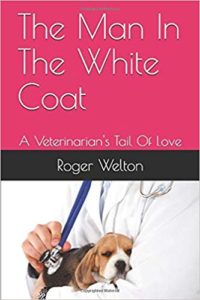
Read Dr. Roger’s Latest Book!
 Be Healthy & Fit With Celebrity Trainer Steve Jordan
- The New Measure of a Life Well Lived: Why Health Span Matters More Than Longevity
- The Wealth Spark: Igniting Your Path To Abundance and Success
- Bright Line Eating with New York Times best selling author Dr. Susan Peirce Thompson
- Maximizing Your Workout Time: Efficiency Tips from Westwood Private Fitness
- How to Transform Your Dad Bod: Insights from the Fit Father Project – New Podcast Episode Out Now!