True Confessions…of a Veterinarian??
I once thought of ABC’s program 20/20 as a good example of responsible, investigative reporting…until now. Their piece titled, “True Confessions,” was not only an example of sensational, irresponsible, and poor quality reporting, but it misrepresented a veterinary profession that is by in large one of the few noble professions left in the world; and it thus was very disappointing and even heartbreaking to those of us who take great pride in using our years of schooling and sacrifice to improve the lives of animals and the families that love them each day of our existence.
Before I get into the fundamentally flawed reporting of 20/20 in their “expose’” of evil veterinarians, let me first discuss the character and motives of the vast majority of veterinarians. Most of us decide we want to be veterinarians well before we are really thinking about things like money, from childhood during the most innocent time of our existence when we first become fascinated and moved by the beauty and majesty of animals. For me, it was the age of 4, when I fell in love with our first family puppy, a puppy that was intended for my brother as a Christmas present, but was quickly recognized by both family and dog as the novelty of the puppy gradually wore off for my brother but not for me; he was clearly my dog, and my best friend.
As a young boy, I watched on two occasions that veterinarians came to my best friend’s rescue, once when he became obstructed with chicken bones after having gotten into the garbage, another time when he got burned during a grease fire that broke out in the kitchen of my childhood home. Having been so grateful for the professionals that healed my best friend, becoming an animal doctor became all I ever wanted to do. If you talk to most veterinarians and what motivated them to pursue this profession, most have similar stories.
Of course with that passion and fascination for animals, a high degree of intelligence and affinity for science and mathematics is also necessary for one to become a veterinarian. With only 28 veterinary schools in the U.S. compared to 144 medical schools, it is 4-5 times more competitive to get accepted to veterinary school than it is to get accepted to medical school. With all due respect to human doctors, any veterinarian had the intelligence, the ability, and the grades to attend medical school and ultimately earn in most cases 2-3 times the amount of money we do as veterinarians; only money was clearly not our primary motivator.
Of course, 20/20 seems to think differently of veterinarians, reporting about us in the same light as scandalous bartenders and car thieves. As the centerpiece of their report, they used Canadian veterinarian Andrew Jones, a man who had previously surrendered his veterinary license. Even if the producers of 20/20 did not care to vet or consider the motives of a man like this, did they not think that a country full of offended veterinarians that endured the nausea of watching their reporting would not call them out on this? Shame on them for relying on a disgraced veterinarian to represent an entire profession, accusing veterinarians of upselling procedures; such as dentals that are unnecessary, in order to make a buck.
They go on to showcase Honey and Maybee, two “obviously healthy” dogs for which dentals were recommended that were supposedly not necessary. The only problem was that there was no way that a camera could offer the same vantage point that the hands on veterinarian had, a perspective where stage one tartar and more subtle gingival lesions can be visualized. If you speak to any board certified veterinary dentist – which 20/20 did not bother to do – the time to engage in a cleaning and thorough oral examination under anesthesia for gingival pockets, tooth root disease, and damage to alveolar bone (the bone that houses the tooth root), is when subtle lesions are present, not when periodontal disease has progressed to stage 2 or greater when expensive and invasive oral surgery is necessary to salvage the pet’s oral health. 20/20 also did not bother to mention that greater than 40% of painful and health compromising dental lesions occur below the gum line, often only visible with routine dental x-rays, an imaging tool that is quick, inexpensive, and invaluable for monitoring and maintaining the oral health of pets.
20/20 also failed to mention that untreated periodontal disease whether visible above the gum line or invisible below, negatively affects patent health. It has been clearly linked to kidney failure, the number 1 killer of cats and number 2 killer of dogs; heart disease, and immune compromise. That is why every year, I perform dentalson my own dogs and cats. Is 20/20 now going to accuse me of trying to scam myself for money?
Let’s talk about the unnecessary vaccines 20/20 accused us of upselling, ordering one year vaccines for those which there are 3 year options. What they did not discuss, is that the 3 year rabies (because of a substance called an adjuvant that extends its protective qualities), is less safe for use in cats. Not only has the 3 year rabies been linked to malignant tumor formation at injection sites in cats, they cause a higher incidence of both local and systemic adverse vaccine reaction than the one year non-adjuvanted version. As such, most RESPONSIBLE veterinarians recommend the one year rabies Purevax for cats.
20/20 also failed to mention the expensive and comprehensive effort that the AVMA (American Veterinary Medical Association) and AAHA (American Animal Hospital Association) to engage in research to enact vaccine reform in the early 2000s. The result of that effort was the establishment of 3 year vaccine protocols even for vaccines not labeled for such use where protection was found to be adequate for that period of time, while calling for veterinarians to establish more lifestyle based vaccine protocols, as well as refraining from vaccinating for diseases that are not endemic to their given area. For example, an apartment cat with no contact with other cats outside of the household should not receive a feline leukemia vaccine beyond the kitten series. Likewise, I do not vaccinate dogs for Lyme disease in this area of Florida in which I practice where the disease is rare. But in the end, it financially does not matter for clients of my hospital how many vaccines their pets receive, as I offer all vaccines for free when owners pay for an exam and parasite screening. I have therefore have no financial incentive to plug pets with as many vaccines as possible…but that is not sensational enough to report, so I doubt that 20/20 will be calling me any time soon.
I am afraid that the result of the careless reporting by 20/20 in their misguided zeal to cast veterinarians in a controversial light will have repercussions. Pet owners may generally begin to view their veterinarian with undeserved suspicion. Pet owners may refuse important vaccines and leave their pets at risk for disease that could not only the pet, but also the human family in danger. From a larger view, for some, they will have successfully driven a distrustful wedge between pet owners and their veterinarians; a situation that disrupts the sacred doctor-patient-client relationship.
Are all veterinarians’ scrupulous, idealistic people? Of course not, and I would not ever make that assertion. However, most of us got into this line of work for the right reasons, maintaining an ethical and honest approach to the way we practice medicine. At the same time, we generally do a good job of policing our own profession, not engaging in the “protect your own” culture we see too often in other professions. Most of us would not hesitate to report or call out unscrupulous or unethical veterinarians. We certainly did not deserve to be showcased and generalized in the negative light that 20/20 reporting and their token disgraced veterinarian cast us in.
I for one, will never take 20/20 seriously again.
Dr. Roger Welton is the President of Maybeck Animal Hospital and CEO/Chief Editor of the veterinary information and blog online community, Web-DVM.
Pet Owners: Stop Paying Thousands of Dollars for Mutts!
The last decade of pet ownership has ushered in the era of the designer dog “breed”…hybrid crosses of existing AKC of recognized breeds that may provide cool looking and nice dogs, but in the end are little more than mutts (dogs of mixed breeding that have no pure bred value. Despite breeders having found a market to crank out countless new “breeds” of what are little more than mutts, dog owners are falling for them in droves…and in many cases paying a much larger price for them than actual AKC recognized dog breeds. It is beyond comprehension.
Here is a list of some of the more popular ones:
Labradoodle (Labrador Retriever standard Poodle cross)
Yorkiepoo (Yorkshire Terrier, Mini-Poodle cross)
Puggle (Beagle, Pug cross)
It is now just going crazy, as I have recently seen a Bassador (Labrador Retriever, Basset Hound cross), a Maltipoo (Maltese, Mini-Poodle cross), and a Dorkie (Dachshund, Yorshire Terrier cross). I really could go on and on with the new and different designer mutts I see weekly in practice, with owners commonly paying over $1000 for these mutts, meanwhile hundreds of thousands of mutts continue to be euthananized each year in overcrowded animal shelters.
Newsflash folks…if you want a mixed breed dog whose genetic combinations create a unique look and personality, all one needs to do is go to a local animal shelter. You will pay only about $60 for a dog that is parasite and heartworm screened, fully vaccinated, spayed/neutered, and you will be saving a life in the process.
Dr. Roger Welton is the President of Maybeck Animal Hospital and CEO/Chief Editor of the veterinary information and blog online community, Web-DVM.
Why Cats are Awesome
As pets, dogs seem to get the lion’s share of the spotlight. From being called man’s best friend and getting more media attention, to even being 80% more likely than cats to receive regular wellness veterinary care. Of course, dogs are wonderful animals, pets, and companions, but this post is all about the kitties, and why they are awesome pets in their own right.
Having been raised around dogs for the entirety of my childhood, then being introduced to cats as a young adult, I will admit, I was not initially crazy about cats. The problem was that, instead of enjoying them for being felines and all the unique curiosities and traits that come with the species, I was frustrated and disappointed over how much they were not like dogs; and to be sure, they are not like dogs.
It was not until I attended 4 years of veterinary school, became increasingly familiar with felines and understood them and adopted cats of my own, that I really began to appreciate cats for the wonderful pets that they are. In essence, I began enjoying them for being cats, understanding that they are different from dogs, but so very fulfilling companions in their own right. Today, I have more cats in my home than I do dogs (2 dogs, 3 cats).
They provide us a glimpse of the wild right in our home
Watching cats climb vertically, stalk toys and pounce, slink around the house, brings us the feeling of a connection to wild animals right in our own homes, without the danger or unpredictability of having a wild animal in the home. Whereas most dogs would die in the wild without people to feed them and provide them shelter, most cats can survive in the wild on their own. At the same time, they naturally seek and enjoy the company of people and thrive in domestic environments, giving us our own little “wild animals” that we can watch and be entertained by, but pet and cuddle with.
They are very cuddly
While most cats will not sit, roll over, or come on command, many cats are very cuddly, love to lie on laps on the couch, and snuggle in bed. In my home, one cannot sit on the couch for more than 2 minutes without one of our cats plopping in your lap and relax. Often, multiple cats will sprawl out on you, and they are content to lay there for hours if you will allow them. There are few things as relaxing and peaceful as being curled up under a blanket, watching a good movie, with a kitty on your lap to pet.
They are clean
Cats usually do not require much grooming beyond periodic brushing. They usually do not stink because of their instinctual dedication for self-grooming. They naturally take to litter box use with virtually no training, so there is no messy house training period. Modern litter options prevent the emanating of offensive odor if scooped out daily and changed out weekly.
They are low maintenance pets
Cats are very content to entertain themselves, make their own fun, but are just as happy to play with their owner when engaged with laser pointers, toys and catnip. If you are going away on a short trip for a couple of days, you can usually leave out a couple of days’ worth of food and water, and they will fend for themselves just fine. For longer trips, rather than have to board them, in most cases, you can have a friend come over to refill their bowls and scoop out their litter every couple of days. If you don’t like the idea of leaving your kitty unsupervised, since cat boarding requires minimal work for boarding kennels, cat boarding is usually quite inexpensive.
They tend to have long life spans
It is not uncommon for cats to live beyond 15 years of age, meaning that you likely will have your beloved companion for a good portion of your life. My oldest living feline patient is a cat name Tigger, 24 years of age and still living with a good quality of life.
As much as in my youth I could not picture a household with dogs in it, I now cannot picture a home without cats in it. For me, cats fill a completely different area of my heart than my dogs do. I enjoy both species for different reasons and love them equally. If you are considering being a first time cat owner, keep your mind open, do not expect them to be little dogs, and really pay attention to the feline traits that make them both quirky and unique as a species, and your will open your life to a joy you have never known.
They may not always come when called, they may act independently and aloof at times, but make no mistake, your cat loves you in his own way – differently than your dog does, but no less.
Dr. Roger Welton is the President of Maybeck Animal Hospital and CEO/Chief Editor of the veterinary information and blog online community, Web-DVM.
Be Careful of Getting Duped by Witch Potions
On days I am seeing patients, I get asked at least a few times about some miracle health tonic or pill someone discovered on the internet. Products like these make any number of claims, from curing and preventing common endocrine diseases like hypothyroidism and Cushing’s disease, to cardiac disease, kidney failure, cancer, and more. In many cases, the companies that make these products do not divulge their magical ingredients, “research” data, or “clinical trials,” in the name of protecting trade secrets. In other cases, the raw ingredients will be listed, which are more often than not ordinary items that any average person can find and throw together, but claim that their unique processing combines these items in such a manner that they produce remarkable health and disease management benefits.
I had an appointment this week, where one of my nicest and well intentioned senior clients brought her Weimariner in for her yearly visit. Having suffered from skin allergies chronically for the past couple of years, I remarked on how good her dog’s skin looked. My client told me that it was because of this amazing new product her husband had bought from the internet called Nuvet.
With computer terminals in each of my exam rooms, I was able to quickly “Google” the product and found its website. What I found out about it was quite interesting. According to the product’s website, Nuvet is not only a cure for allergies, but it is also a cure for: cataracts, Cushings disease, diabetes, ear infections, mange, cance3r, thyroid disease, and more.
As soon as I saw the claims of being curative for multiple, unrelated diseases – the one product cure all claim – my snake oil radar was instantly up. I then asked the owner if there were any other measures she had taken in order to help her dog’s skin, and she told me that at the same time she started the Nuvet, she and her husband also started her dog on a limited ingredient diet. They also put a paver walkway down the middle of their yard so that the dog would have less prolonged contact with the grass when she went out to relieve herself.
After review of the ingredient (more on this below), seeing the multiple disease cure claims, no clinical studies performed, and doing a quick search of the medical literature and finding nothing on Nuvet, I informed this nice lady that she had likely been sold a bill of goods. I told her that it was far more likely that the limited ingredient diet and limiting her dog’s exposure to the organic substances in the yard were responsible for the improved skin, not Nuvet. I advised her to not throw away any more money on that product, continue the limited ingredient diet and limiting yard exposure, and that her dog’s skin will likely fair no worse.
Returning to Nuvet’s ingredients, here they are:
Blue Green Algae, Brewer’s Yeast, Cat’s Claw, Evening Primrose Oil, Shark Cartilage, Oyster Shell, Alpha Amylase, Beta Carotene, Pine Bark, Papain, L Methionine, Alfalfa, Chicken Liver, Vitamin B1 (Thiamin), Vitamin B2 (Riboflavin), Vitamin B3 (Niacin), Vitamin B5 (Pantothenic Acid), Vitamin B6 (Pyridoxine), Vitamin B12, Vitamin D, Vitamin K, Manganese, Magnesium, Iron, Copper, Amino Acids (Tryptophan, Threonine, Isoluecine, Luecine, Lysine, Methionine, Cystine, Phenenylalaine, Tyrosine, Valine, Arginine, Histidine, Alanine, Aspartic Acid, Glutamic Acid, Glycine).
As if my snake oil radar was not stimulated enough, the true nail in the coffin as far as me giving this product any sort of credibility was the presence of shark cartilage. It has long been disproven that shark cartilage has any proven health benefit, and its continued use by charlatans has served no further purpose other than to cause sharks to be exterminated solely to harvest their fins, a grievous wildlife and environmental insult..
As a final measure, I decided to have a little fun with Nuvet and called their company. When I got a representative on the telephone, I told her that I was a practicing veterinarian and I was interested in using their product for a case of canine diabetes, whose owner wanted me to look into its benefit. After a prolonged pause, here was our conversation:
Operator: Okay sir, what is it you would like to know.
Me: Virtually all canine diabetics are type I, meaning they are insulin dependent diabetics. Genetically, they either have cellular insulin receptors that are not responsive to insulin secreted by the pancreas, or the pancreas itself is deficient in the production or synthesis of insulin. Physiologically, how does you product overcome these circumstances?
Operator: Long pause…okay, well it helps by purifying the skin and helping with wound healing.
Me: Right, but that is skin, you claim to cure diabetes, how exactly does your product address diabetes.
Operator: It stabilizes the blood sugar.
Me: Okay, but how does it do that, overcoming the fact that a canine diabetic is either not making enough insulin, or has cells that do not recognize it because of dysfunctional genetic coding.
Operator: Um…Right…Would you mind holding while I get someone else to answer your question?
Me: Sure
After nearly 10 minutes of being put on hold
New Person: Hi, this is Pamela.
Me: Hello Pamela, I was holding for information gathering on your product on behalf of a client, as to how Nuvet overcomes the genetic inability to either secrete enough insulin, or for cellular receptors to recognize insulin; in order to cure diabetes.
New Person: Well…it really doesn’t. It supports the body to decrease the damaging effects of diabetes over time, you know, complications, and maybe even decrease the dose of insulin.
Me: How does it decrease the dose?
New Person: Um, well, by supporting a healthy metabolism.
Me: How does it do that?
New Person: Well, it cleanses the body of toxins, which in turn purifies the body, which overall supports all of the organs.
Me: Do you have any clinical trials that I can look at? Any peer reviewed controlled studies that I can look up?
New Person: No, all of our research is done internally.
Me: Why would you keep all that good information to yourselves? If you can really cure cancer, diabetes, and all of the other disease you claim on your website, then shouldn’t everyone know about this? Wouldn’t it be great for sales if Nuvet was being written about in veterinary journals and being presented at conferences?
New Person: Well, yeah, but it is important for us to protect trade secrets.
Me: I see. Well, thanks for the information.
New Person: You’re welcome.
I do not think I need to state anything further.
I will leave you with this: as in most things in life, if a product’s claims seem too good to be true, it probably is. Be careful what you decide to give your pets. While most of this stuff is not likely harmful, more often than not, it is expensive, and you may be throwing away money that could better be used to offer real treatment that actually works.
Are you into holistic medicine? Fine, find a veterinarian that practices holistic medicine. Nutritional, traditional Chinese herbal medicine and acupuncture, nutraceutical therapy, and a number of alternative modalities have well established data behind their efficacy and safety. By choosing a licensed veterinarian for alternative treatment, you ensure that you are being guided by a health care provider that understands physiology and has access to diagnostics that can diagnose disease, as well as monitor efficacy of treatment regimens.
Here are some tell tail signs that a product is little more than proverbial witch potion or snake oil:
1.) Claims of being curative for multiple diseases, aka, one product cures all.
2.) Ingredients are not specifically offered under the guise of trade secrets.
3.) There are no published clinical trials or peer reviewed studies to substantiate product claims.
4.) The product website makes statements like, “Your veterinarian does not want you to know about this product,” or “Veterinarians don’t know about us because of silencing from a powerful veterinary establishment that wants to continue treating your pets with poisons,” and other variations of that.
Dr. Roger Welton is the President of Maybeck Animal Hospital and CEO/Chief Editor of the veterinary information and blog online community, Web-DVM.
Do Not Reinforce Bad Canine Behavior
I had an interesting evening of appointments last night, in which I saw 8 canine appointments in my 6PM – 8 PM time slot, each of which I had to muzzle because of fear biting potential. Usually dogs that are so fearful that they become a biting hazard, represent the minority of canine patients, but last night was different, with every single dog I saw a stressed out, uncooperative biting hazard that required muzzling.
While it makes our job a bit more difficult and even dangerous at times, I am not necessarily complaining about these patients, as we are dealing with very intelligent, emotional and self-aware creatures that can experience fear of the un-familiar, fear of strangers putting their hands on them, taking their temperature and poking them with needles, etc. Combined with the fact that we cannot reason with them, having some fear and apprehension even to the point of biting is to be expected on occasion.
My problem lies with all too often, the owner’s reaction to the behavior, where they praise the dog in the midst of what is in reality poor, even abysmal behavior, in their misguided attempt to calm them. What they do not realize, is that in their attempt to placate the dog, they are actually making matters worse – and this tendency to placate rather than lead likely extends beyond just the veterinary visit and happens at home, likely playing a significant role in why the dog acts this way to begin with.
Last night, while 5 out of my 8 canine patient’s in the course of the night’s appointments were rearing up, snarling, and trying to throw off and bite my technicians – merely for simple examinations and nail trims – the owners responded by saying things like, “good girl,” “good boy,” “Momma’s gonna give you treats,” and other such expressions of praise. My response to these owners was to tell them that he is not being a good boy, she is not being a good girl, and these dogs certainly have not earned praise for this behavior. Furthermore, by praising them in the midst of what is clearly inappropriate behavior, the owners are serving to reinforce the bad behavior, which over time helps lead to increasingly difficult visits for owners, patients, and health care providers alike.
You can think of dogs in many ways as being similar to young children. When we see a child acting in a very inappropriate manner, do we praise them for it? Of course we do not. As a parent of 2 small humans, I understand that my little ones are children learning the ways of the world and will push the limits of their boundaries, needing guidance from my wife and I to learn what is acceptable and unacceptable behavior; and part of that is letting them know when they are acting inappropriately and creating consequences when the stray from acceptable behavior. We most certainly are not going to praise them when they are acting poorly. What kind of message would I be sending my 5 year old son if I told him “good boy” when I caught him playing with matches the other day? The same criteria must apply to dogs.
Now don’t get me wrong, the dog owners I saw last night are not bad people. In fact, they are very good people with a high degree of patience for their high maintenance canines, doing the best they can with the knowledge they have. They just need to change their knowledge base, become their dogs’ leaders rather than appeasers, and refrain from reinforcing inappropriate behavior in any setting.
Dogs like this should be walked constantly, as often and for as and long as possible to release their nervous energy. They should be taught proper leash walking, heel next to their owner, and not pull. They should be made to work for their treats, being made to sit, stay, and rather than praise them when they do not act well, use the word “no.” “No” should be used consistently, but only associated with inappropriate behavior, thereby reinforcing in the dog, that when mom or dad say “no,” it means they are acting outside the boundaries of acceptable behavior.
In a veterinary or other unsettling setting, calming words like “settle,” can be used, while petting and assuring the dog when he is frightened; reserve “no” for when they rear up, growl, go to bite, or behave in other less than savory ways. “Settle” would also need to be a consistent, used when appropriately under any circumstances where stress level may be rising, combined with gentle petting and other re-assuring gestures. The word settle, then becomes a term of reassurance to the dog, a reminder that their leader is there to protect and guide them.
Of course, this stuff is not always easily accomplished. Behind these words and actions, a dog owner must have conviction. When a the owner says no, he/she must mean it, showing emotion and posture that sends the message that what the dog is doing is not sitting well with the owner. When the owner uses the word settle, emotion and posture must convey a combination of confidence, empathy, and compassion. If there is not true conviction behind the words, dogs will not be fooled…they can sniff out a phony far more effectively than any person can.
These are basic tenants, and while I have some grasp of the fundamentals of the canine psyche, I would not claim to be a trainer by any stretch. Thus, if you have a fearful, high stress dog that makes every day care of him with simple tasks such as mail trims, ear cleanings, and routine visits to the groomer and/or veterinarian very difficult; do not hesitate to seek professional training. Good trainers serve not only to teach the dog how to follow leadership, but they also teach the owner how to be a loving, compassion, and confident leader.
Whatever you do, don’t praise a pooch for naughty behavior.
Dr. Roger Welton is the President of Maybeck Animal Hospital and CEO/Chief Editor of the veterinary information and blog online community, Web-DVM.
What is the Right Age to Start Feeding Pets Joint Chews?
For anyone who has been following my blog posts, podcasts, videos, or all of the above, you will know how high a value I place on the orthopedic and rehabilitative benefit of joint health supplementation. You will also know that with these products not falling under the jurisdiction of the FDA or any other regulatory agency, that it is exceedingly important to use high quality, veterinary pharmaceutical grade supplements that not only have the ingredients that their labels claim, but also are absorbable in canine and feline guts. As far as your best source information on the best quality joint health supplements, that is your veterinarian. That established, let’s now talk about the right time to start your pet on these types of supplements.
There really is no way from strictly a health perspective that a pet owner can start a pet on joint chews too soon, as these compounds for the most part are naturally occurring dietary items refined and concentrated to provide joint and connective tissue support. From an economic perspective and allocating funds where they really are needed, as well as saving for a time when investment in pet health care is really necessary, it is best to make the investment into joint chews at a time when it is most most appropriate – not sooner than needed, but not too late.
In any case, regardless of age, whether puppy/kitten or young adult, for any dogs or cats that have inherited joint or other orthopedic deformities – hip dysplasia, elbow dysplasia, angular limb deformities, etc. – once the abnormality is discovered, joint chews should be started immediately. Being proactive and pre-emptive in this manner before degenerative joint disease and other chronic destructive changes set in enables your pet to be as sound as possible, as long as possible without the need for more aggressive, invasive intervention. It also decreases the potential for secondary injury to ligaments, tendons, and muscle which may require surgery to make the pet sound again.
For all other pets, I generally recommend starting joint chews at middle age. For dogs, this is about 5 years of age for most breeds, about 3 years of age for giant breeds. For cats, I recommend starting joint chews at about 7 years of age.
Choosing middle age to begin joint health supplementation, the pet owner effectively steps in at a time when joints and other musculoskeletal structures tend to begin to break down and develop chronic disease. This serves to slow the aging process and keep the pet mobile with optimal quality of life for as long as possible, significantly longer than would otherwise be possible.
Dr. Roger Welton is the President of Maybeck Animal Hospital and CEO/Chief Editor of the veterinary information and blog online community, Web-DVM.
China, United States FDA are Killing Pets
Good old China is at it again. From lead based paint on baby toys, melamine contaminated pet food (in 2007), to our latest travesty wreaking tragedy on our unsuspecting family members: illness and death caused by jerky treats. At first, it was believed that only chicken jerky was responsible for the problem, but further review has determined that all manner of jerky textured treats are responsible, even fruit and sweet potato….and the vast majority are processed in China. To date, over 3000 dogs and 10 cats have become sick, and 600 dogs have died following consumption of jerky treats.
The treats cause a combination of illnesses that range from gastrointestinal upset, beginning with vomiting and diarrhea, and often progressing to pancreatitis and gall bladder disease. In other pets, we see liver damage, or an otherwise rare form of kidney failure known as Fanconi’s Syndrome. Some really unfortunate pets experience all of the above. The most frustrating aspect of the illness and death that can result from consumption of jerky treats is that to date, the causative agent within the treats has not been determined. Whether it is contamination, a particular ingredient, or a byproduct associated with the processing of the treats, there is no conclusive at this time that singles out the cause; research is ongoing.
As much as I would like to bash China for having such little regard for both human and furry life for continuing to export these treats, I am more appalled at our FDA for not banning them. Their excuse for allowing them to continue to be sold is simply that the exact causative agent that is making our pets sick has not been identified. I cannot wrap my head around why the mere knowledge that jerky treats are responsible for severe illness in 3010 pets and 600 deaths is not enough for them to ban their import and sale, but that remains their position: until the direct reason for pet illness and death from jerky treats is conclusively established, they will continue to allow pets to get sick and die from them.
The final villain in this story is the retail pet stores that sell the treats. They do not need a directive from the FDA to stop selling items that commonly lead to illness and death in the creatures that they claim to exist to serve. The problem is that pets generally go nuts for jerky treats: they love them, so the pet owners buy them, and the pet stores do not want to give up that profit source. So instead of doing the right thing by pulling them off the shelves and using their position and resources to create awareness of the danger, perhaps even put pressure on the FDA to ban jerky treats once and for all; they turn a blind eye, enjoy their profit source, to the peril of the customers…corporate greed at its finest.
Thus the only solution to this problem lies with those of us who actually care for the pets we serve. It is up to veterinarians, veterinary technicians, groomers, breeders, pet store personnel who possess both a soul and a conscience, boarding kennels, word of mouth among pet owners, etc. To my readers, listeners, and viewers, please spread this post as far and wide; you will be saving countless innocent lives by doing so.
Dr. Roger Welton is the President of Maybeck Animal Hospital and CEO/Chief Editor of the veterinary information and blog online community, Web-DVM.
Preventing Urinary Tract Disease in Cats
While genetic factors play a prominent role in whether or not a particular feline may develop urinary tract disease, understanding the reasons why cats as a species carry a markedly increased risk of urinary tract disease in comparison to other mammalian species [already established in my last post], there are steps feline owners can take to reduce the prevalence of urinary tract disease.
Our first concern is diet. As per my previous post, feline diets, both canned and dry alike, have ash. Ash is the inorganic mineral content left behind in the food after it has been heated. Ash is an important consideration with regard to the urinary health of cats, as the ash can lead to fluctuations in urinary pH outside of the ideal physiological range of 6.2 – 6.4. High urine pH predisposes to infection, as well as the precipitation of struvite crystals. Low urine pH can lead to the precipitation of calcium oxalate crystals. The passage of urinary crystals irritate the lining of the urinary tract, as well as over time bind together to form stones.
While I am not a proponent of the feeding of raw meat due to the risk for raw meat bacterial food poisoning and intestinal parasites, we can eliminate the potential problems associated with ash content by choosing pet food manufactures that balance mineral content to promote ideal physiological urine pH. Do not be fooled by so many diets out there that claim that the diet “promotes urinary tract health” or makes claims of having low ash content. The pet food industry is by in large unregulated. There is no regulatory agency that holds pet food manufacturers accountable for substantiating claims on the labels of their products.
As such, it is best to stick with reputable pet food companies that have well established names to protect. Generally, pet food companies that are not just involved in the manufacture of commercial diets, but also manufacture prescription veterinary therapeutic diets tend to be among the best choice. Since even these companies are not all created equal, it is still best to ask your veterinarian what manufacturers he/she favors [I generally do not get involved in promoting individual brands in my blog].
The next consideration is promoting overall health through yearly well visits to have physical examinations, stool analysis for intestinal parasites, and inspection of the teeth. If your veterinarian recommends a dental cleaning, do not hesitate to have it done. There is a direct correlation of chronic periodontal disease and kidney and lower urinary tract disease.
Another commonly overlooked health concern in cats is obesity. Obesity leads to stress on every organ system of the body including the kidneys and lower urinary tract. Stress leads to break down in overall organ function and predisposes to disease. Fat folds that commonly cover the genitalia in obese patients increase the potential for ascending urinary tract infections.
Stress may play a role in feline urinary tract health. If you have a particular “scaredy cat,” who spend his/her time hiding a lot, may be skittish or frightens easily from loud noises, it may contribute to all manner of disease, as chronic stress is known to reduce overall health. In particular, male cats between the ages of 3-10 years of age commonly develop a lower urinary tract disease that involves painful episodes of inflammation of apparent unknown cause, called idiopathic cystitis. Stress is believed to play a significant role in the physiology of this disease, as more often than not, these kitties tend to be high stress cats, and many respond to treatment with anti-anxiety medications, such as amitriptyline or Prozac.
Stress reduction can be accomplished by engaging with the cat, such as laser pointer chasing or kitty toys. Providing them window platforms where they can lay and look outside and observe their outdoor surroundings is another common way to reduce stress, as is kitty exercise towers that can be purchased at pet stores (I call them kitty jungle gyms).
If these techniques do not help, you can try natural stress reduction by placing feline plug in diffusers that produce a calming feline pheromone in the air (these detectable to the feline olfactory system, but are not datable by humans).
Finally, encourage water intake. By their nature having been descended from desert creatures, cats generally are not big drinkers. This trait may have made their ancestors well adapted for life in the desert, but it is not well suited for a healthy urinary tract in the modern domestic feline.
The old saying, “you can bring a horse to water, but you cannot make him drink,” applies even more so with cats. You can refresh a cat’s water hourly and still may not entice them to drink. Sometimes you can encourage water intake by using a water bowl with a kitty water fountain…something about these types of bowls that create flowing water, makes the water more attractive to some cats.
While I generally like cats to be fed a dry kibble diet for the dental health benefits, for cats that have shown a predisposition to urinary tract disease, I prefer a canned diet, because the moisture content effectively also increases their water intake. I will often take it a step further and have the owners add water to the canned diet and make it as soupy as the cat will tolerate…again, helping to maximize water intake.
This post is about general guidelines to promote healthy feline urinary tracts, but sometimes despite our best efforts, disease still occurs. As such, if you suspect urinary tract disease in your cat despite doing all the right things to prevent I, do not hesitate to get your kitty to the veterinarian.
Dr. Roger Welton is the President of Maybeck Animal Hospital and CEO/Chief Editor of the veterinary information and blog online community, Web-DVM.
Why Are Cats So Prone to Urinary Tract Problems?
Passionate feline enthusiasts know all too well that cats are very prone to urinary tract disease. However, the predisposition to urinary tract disease is so significant, that most novice feline owner and even some non-feline owners are aware of the high potential for this health condition. In comparison to dogs, my general observation in small animal practice is that I see four cats to every one dog presenting with urinary tract disease signs. So what is the reason for all this urinary tract disease in cats?
To really understand cats, we need to take a look at their evolutionary history. What we know today as the domestic cat, descended from what were essentially desert creatures. These more primitive felines were adapted to life in the desert where there tends to be little water, and where little grows. In this water lacking environment, cats evolved the ability to create high urine concentration consisting of more solids than liquid in comparison to other mammalian species. The tendency to carry high urine concentration enables the feline to exist with comparatively low amounts of water intake, creating a comparatively static urinary tract. Any M.D. would advise human patients prone to urinary tract disease, to promote urinary tract health by consuming more water, thus creating a more dynamic urinary tract (think of a stagnant pond versus a swiftly flowing stream, and which is cleaner, less riddled with pollutants and debris). Thus, the very mechanisms that provided feline evolutionary ancestors the ability to survive in the dry, desert environment, also makes them prone to urinary tract disease.
These same ancestral felines also ate a diet very differently from the manner in which we commonly feed our household cats. They survived essentially on high protein, low carbohydrate frequent fresh kills: a mouse here, a bird there. Because these meals were small, they were constantly on the hunt and more active, giving them leaner body condition, more lean muscle mass and more efficient metabolisms. These meals were also free of ash, the inorganic mineral content left over after food has been heated.
Comparatively, our cats of today retain much of the same physiological features as their desert ancestors, yet we tend to feed them very differently. Rather than have to hunt for their food, we feed them, so they are less active. All too often, we over feed them, through some misguided notion that this is a form of showing them love. The food itself has ash in it, and in lesser quality diets that do not attempt to properly balance mineral content, this leads to aberrations in urinary pH, which predisposes to the precipitation of crystals, formation of bladder stones, and predisposition to infection. Lastly, too many feline diets are too canine like, laden with carbohydrate content that is just not in line with feline physiology. The resultant fluctuations in blood glucose metabolism lead to obesity and stress on the kidneys, which turn leads to stress on the lower urinary tract.
The last point I will detail in explaining the disproportionately high incidence of urinary tract disease is that cats are stress driven animals, that is, their existence is very much dictated by the fight or flight response. Being by their nature solitary creatures in the wild, unable to rely on a herd or pack for alert of danger and protection, cats evolved a hair trigger fight or flight response for survival. While this constant state of stress makes them well adapted for solitary survival in the wild in comparison to a more social type animal, it does come with a physiological price. Stress suppresses the immune system, taxes the organ systems of the body, and as such, is believed to play a role in a urinary tract disease unique to cats call idiopathic cystitis (painful episodes of inflammation of the urinary bladder with no identifiable cause). What supports this postulate, is the fact that the majority of idiopathic cystitis cats I see in practice tend to be cats with a higher than typical stress levels; and that many of these cats respond to anti-anxiety therapy with medications like amitriptylline and Prozac.
Now that we have established why cats have such a high incidence of urinary tract disease, in my next post, I will discuss strategies to prevent urinary tract disease in your feline companions.
Dr. Roger Welton is the President of Maybeck Animal Hospital and CEO/Chief Editor of the veterinary information and blog online community, Web-DVM.
A [Pet] Halloween to Remember
I just had the pleasure of the yearly ritual of taking the golf cart with my wife and two kids, each dressed up in their Halloween costumes, and heading on down to Grandma and Grandpa’s house for Gradnma’s home cooked food and trick-or-treating. Here on the east/central coast of Florida, the weather is so agreeable this time of year, that most people are set up outside in golf chairs with coolers full of adult beverages for the grown-ups, ample candy for the kids, adults and kids alike costumed for the occasion, and creative, delightfully creepy Halloween landscaping.
What makes our neighborhood really fun as well, as that we are a really varied mix of young and middle aged couples with children of all ages, mixed with baby boomer aged retirees with no children…empty nesters who now poor their love and doting into their pets.
Since cats typically do not tolerate costumes and typically do not enjoy greeting young, strange children in costumes time and again for an entire evening – and as such, I have not seen one cat participate in Halloween festivities in the 7 years I have lived in this neighborhood – this post primarily deals with canine Halloween fun.
As much as the focus is on our adorable and festive children enjoying this delightful holiday, I must say that part of the joy in our community of unique demographics, is seeing the dogs on the driveways, dressed in amazingly creative and in their own right, adorable costumes to greet parents and children alike; to play a big role in the enjoyment of Halloween.
The canine costumes varied from two little Shih Tzus dressed as little elves, to a yellow lab dressed as a pumpkin, a Chihuahua dressed as a ballerina and countless canines of all breeds simply decked out in college football attire (mostly Florida Gators, Florida State Seminoles, and the occasional University of Miami).
My kids loved it, we loved it, and it was an affirmation of what my wife and I have endeavored to dedicate our career lives to: the wellbeing of these furry little creatures who not only are cherished family members, but integral and vital components of the human community.
Between my little 3 year old girl dressed as a batterina (a bat with wings, bat ears, with tights and a tutu), my 5 year old son decked out as a ninja with [plastic] sword, a community that came together for one another’s mutual comradery and enjoyment, and the pets being a front and center component to that joy, it was yet another Halloween to remember.
Dr. Roger Welton is the President of Maybeck Animal Hospital and CEO/Chief Editor of the veterinary information and blog online community, Web-DVM.

Keep your pets safe this holiday season!
The holiday season is right around the corner starting with Halloween (yes, in my home, we consider Halloween a holiday!). It is both a joyous and busy time and it can be easy to overlook certain...

Help for nervous/anxious dogs
There seems to be a growing number of excessively nervous, often skittish dogs. This can range from anxieties, such as noise or storm anxiety, anxiousness about being separated from pet parents,...
Bird flu is infecting cats and cases are rising – What you need to know!
H5N1 Avian Influenza is causing far more trouble than just just high egg prices. The bird flu has successfully jumped species now able to infect cats and people. Although the ability to infect...
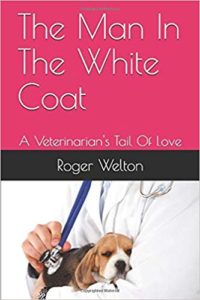
Read Dr. Roger’s Latest Book!
 Be Healthy & Fit With Celebrity Trainer Steve Jordan
- The New Measure of a Life Well Lived: Why Health Span Matters More Than Longevity
- The Wealth Spark: Igniting Your Path To Abundance and Success
- Bright Line Eating with New York Times best selling author Dr. Susan Peirce Thompson
- Maximizing Your Workout Time: Efficiency Tips from Westwood Private Fitness
- How to Transform Your Dad Bod: Insights from the Fit Father Project – New Podcast Episode Out Now!