Keep your pets safe this holiday season!
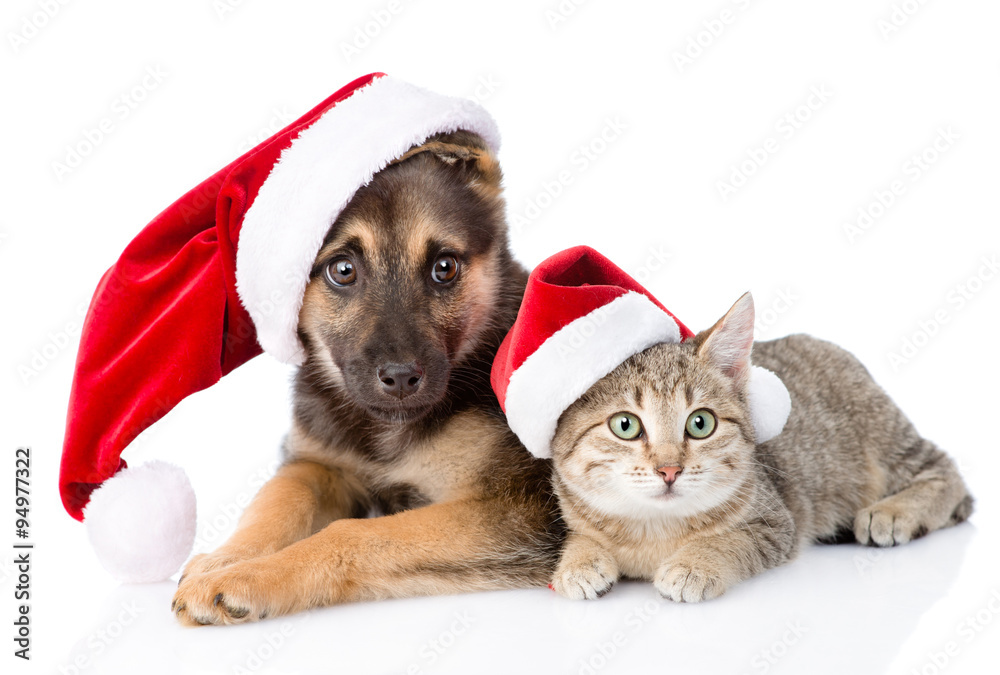
The holiday season is right around the corner starting with Halloween (yes, in my home, we consider Halloween a holiday!). It is both a joyous and busy time and it can be easy to overlook certain dangers that the holiday season can pose to our pets. Let’s start with potentially dangerous foods, something that is most revelant to our canine companions.
Chocolate – Chocolate is every bit as delicious to dogs as it is for us. Unlike us, however, just small amounts of certain types of chocolate can be toxic to dogs. Chocolate contains a stimulant called theobromine that humans metabolize similarly than we do caffiene. Dogs, however, eliminate theobromine very slowly, so slowly that it can lead them to spike dangerous fevers, experience seizures, and send them into liver failure. The two most dangerous types of chocolate are bakers and semi-sweet chocolate, as they have the highest concentraion of theobromine. However, depending on volume, ANY type of chocolate can be toxic to dogs. If you suspect your dog may have ingested chocolate, you can use the Merck chocolate calculator below to guage the potential for toxicity:
https://www.merckvetmanual.com/multimedia/clinical-calculator/chocolate-toxicity-calculator
Xylitol – Many types of candy, cookies, and other sweets have the artifical sweetener Xylitol in them. Xylitol is generally safe for people offering the taste sensation of sweetness without the calories and impact on glycemic metabolism that real sugar has. Dogs, on the other hand, recognize Xylitol as sugar and reacts by spiking insulin levels to trigger cells to take up glucose…but since Xylitol is not sugar and provides zero dietary glucose for the cells to take up, the result is a dangerous, not uncommonly life threatening drop in blood glucose.
Rich, fatty foods – No only can these types of foods cause serious GI upset in dogs, they can trigger a severe inflammatory disease of the pancreas called pancreatitis. Small terriers, Shih Tzus, Schnauzers, and Chihuahuas are especially prone to pancreatitis, but any dog breed or size dog can develop it. Pancreatitis can be life threatening and commonly requires expensive hospitalization to resolve.
Our feline friends can also experience chocolate toxicity, but thankfully are less prone to ingesting chocolate. Still, exercise caution in keeping chocolate out of reach of household cats. Our cat’s holiday danger most commonly comes from their innate curiosity that makes them want to explore any and all new things that go up in the home during the holiday season. Below are some items that cat parents should be vigilant about monitoring their cats, or in some cases, avoid altogether.
Christmas tree – Many cats like to climb the Christmas tree as if it is a real tree, but unfortunately the ones in our homes don’t have roots and can easily tip over and collapse on top of the cat potentially resulting in unjury.
Tinsel and ribbons – Cats often cannot resist playing with these items and can accidentally ingest them, leading to the most dangerous type of GI obstruction called a linear foreign body.
Lights and cords – Just like in the movie Christmas Vacation when Aunt Bethany’s cat got fried while chewing on an extension cord, this occassionally happens to cats in the real world. Chewing live cords can lead to severe burns in the oral cavity and cardiac arrest in severe cases.
Toxic plants – A lot of kitties love to nibble on plants. Lilies are extremely toxic to cats and can lead to kidney failure when ingested. Other popular holiday plants when ingested, can lead to GI upset. These include mistletoe, poinsettias, and amaryllis.
Please take any and all precautions to keep your pets free from these dangers, and enjoy a safe and happy holiday season far away from the animal ER!
Dr. Roger Welton is a practicing veterinarian and highly regarded media personality through a number of platforms. He is the author of his top selling memoir The Man In The White Coat: A Veterinarian’s Tail Of Love. In addition to this writing this blog, Dr. Welton also hosts the popular Space Coast Pet Podcast. He is the CEO and chief attending veterinarian of Premier Veterinary Care in Viera, FL.

Keep your pets safe this holiday season!
The holiday season is right around the corner starting with Halloween (yes, in my home, we consider Halloween a holiday!). It is both a joyous and busy time and it can be easy to overlook certain...

Help for nervous/anxious dogs
There seems to be a growing number of excessively nervous, often skittish dogs. This can range from anxieties, such as noise or storm anxiety, anxiousness about being separated from pet parents,...
Bird flu is infecting cats and cases are rising – What you need to know!
H5N1 Avian Influenza is causing far more trouble than just just high egg prices. The bird flu has successfully jumped species now able to infect cats and people. Although the ability to infect...
Read Dr. Roger’s Latest Book!
 Be Healthy & Fit With Celebrity Trainer Steve Jordan
- The New Measure of a Life Well Lived: Why Health Span Matters More Than Longevity
- The Wealth Spark: Igniting Your Path To Abundance and Success
- Bright Line Eating with New York Times best selling author Dr. Susan Peirce Thompson
- Maximizing Your Workout Time: Efficiency Tips from Westwood Private Fitness
- How to Transform Your Dad Bod: Insights from the Fit Father Project – New Podcast Episode Out Now!