Feline Dementia…Where’s my litter box?
 You may have noticed some behavior changes in your senior cat. Some of these changes can be symptoms of pain (here’s my article on how to tell if your cat is in pain), but we need to consider dementia in addition. Yes, cats, like people, can become senile as they age – happens to many species!
The term “dementia” often brings to mind Alzheimer’s disease in people, and rightly so. Cats can develop memory loss and personality changes similar to Alzheimers. Research is ongoing in this field (the medical term is “cognitive dysfunction”), as there is still a lot for us to learn about the causes and potential treatments.
The most important thing to know is that the diagnosis of feline dementia requires the owner’s observations! There is not a blood test, x-ray, or brain-scanning MRI that diagnoses this syndrome. We reach the conclusion based on symptoms, and ruling out other diseases as a cause. The complicated part – cats can have cognitive dysfunction in addition to other diseases, so the diagnosis can be tricky.
Signs of dementia / cognitive dysfunction
Symptoms can be subtle, so it’s important to observe your senior cat carefully. The biggest sign is disorientation, or seeming lost. The cat may walk into a room, then leave promptly to go somewhere else. He may lay in odd places (can also be a sign of pain). Related to this is wandering or pacing. Some animals even have a route they trace throughout the house over and over and over.
Vocalization can be a symptom as well. The more common reason for increased “talking” in older cats is an overactive thyroid gland, called hyperthyroidism. Yet, I have many owners who get that disease diagnosed and treated, and the cat is still very vocal. Sometimes, hearing wanes with age, making the volume of the vocalizations louder to us (sounds the same to the cat though!).
Sleep/wake cycle disturbances are a tough symptom to pinpoint in cats. They are by nature on the nocturnal end of the spectrum. Yet, if you notice your cat’s schedule changing (sleeping more in the day, or not able to get comfortable at night) these are worth mentioning to your veterinarian as well.
Another vague sign is urine or feces accidents outside the litter box. Many factors can contribute to this besides dementia. Arthritis or other pain, coupled with a tall or out-of-the-way litter box can make a cat decide to just go on the floor! (I do not recommend having all litter boxes in the basement for this reason.) Many senior cats can develop arthritis and dementia, so a litter box that takes some work to get to will be less likely to be used.
Diagnosing cognitive dysfunction
Here’s the tough part. The way we diagnose this disorder is to evaluate the symptoms and rule out other causes. In older cats, kidney disease (renal failure) is very common. This causes them to drink a lot of water, and subsequently have to urinate more. Some of these cats have accidents outside the litter box. They could have dementia, or they could have to urinate a lot, and the litter box is in a hard to reach place!
A routine senior blood panel is a great way to start eliminating (or diagnosing) diseases in your cat. This will check for kidney disease, diabetes, liver disease, and thyroid levels. A urinalysis completes this “baseline” panel, and measuring blood pressure is always a good idea as well.
A thorough assessment of your cat’s neurologic status as part of a physical exam can help us determine if more is going on than just age-related brain changes.
Once we have either ruled out other diseases, or found them and are managing them, we can reach the conclusion the cat is (perhaps also) suffering from cognitive dysfunction.
Treatment
Unfortunately, there are less options for cats with this disease than there are for dogs. In my experience, I diagnose and find myself discussing this disease more with dog owners than cat owners. Dogs are more forthcoming with their symptoms (hard to miss a dog who paces, pants loudly, and never ever lays down) while cats can be more subtle. Further, the goal of treatment is not to cure the disease -that is not possible – but to relieve symptoms so the quality of life for everyone in the house is better.
There is a prescription medication labeled for dogs, called Anipryl, that has been used in cats with varying degrees of success. I’ve used it in more dogs, and some owners say it is a wonder drug, while other are less impressed.
My personal favorite treatment is in the form of Omega 3 fatty acids, such as fish oil. Medium chain triglycerides (found in coconut oil) may be helpful in treating brain dysfunction as well – the research is still early.
Senilife is a non-prescription supplement available in a feline version that contains a combination of ingredients that are supposed to help the brain function. I have only tried it on a couple feline patients, and while it did not hurt anything, the owners weren’t sure how much it helped.
Besides medications and supplements, making the home an easier place to live can be a huge help! Keep food and water bowls easy to reach. Have the litter boxes on the main floor of the house the cat prefers. I have some owners who buy steps so the cat can lay in her favorite window, or get up on the bed!
Mental stimulation can help as well! Play that is not overly physically taxing can keep your cat’s mind sharp! Puzzles with a treat reward are always fun, or simply hiding some treats around the house so your cat can “hunt” can be stimulating.
Most of all, be understanding. Accidents outside the litter box are just that – accidents. Laying in what may be an inconvenient place is not him “getting back at you” – his brain thought it seemed like a good idea at the time. Show love, and accommodate your senior cat’s needs. He was a great cat for a lot of years – time to return the favor!
Web-DVM guest blogger Dr. Karen Louis is a practicing small animal veterinarian. See more of her articles at her blog at VetChick.com
Halloween costumes for pets should be fun!
 Everybody (hopefully) knows the “Halloween pet safety” shpeal:
- Don’t give your dog chocolate, raisins, or chocolate-covered raisins.
- Some sugar free foods are toxic (here’s my xylitol article).
- Keep your pets inside (black cats in particular – some people are freaks).
Here are a few things we might not think about in the hustle and excitement of the festivities.
–People dressed in costumes, especially masks, can be scary to many pets. If you’re planning on taking your pet with you while you’re in a costume, do several practice runs the week before so he or she can get used to it. Ease them in slowly, and give lots of treats! If your costume is very different from how you normally look, let your pet sniff it while it’s on the floor. Don one portion at a time, give treats, and take it off.
–Costumes on pets are a lot of fun – but make sure your pet is having fun too! Features like flashing lights and noises can be scary and distracting. Large stuffed portions are bulky, can flop around, and make it hard to walk. Loose or dangling edges that are cosmetically appealing can sometimes be downright delicious, yet not intended for consumption, if you know what I mean! Make sure the costume is comfortable. I’ve seen several with thick velcro or elastic straps that are downright sharp!
–If you host a party or trick-or-treaters, consider confining your pet to a “safe room” with their bed and favorite toys. If they want to come out and socialize later, it’s important to keep tabs on snacks they may eat, or doors they may exit. Remember, a lot of people in costumes can be frightening, so your best bet might be to let your dog or cat sit this one out. It’s not worth the stress or worse, your pet bolting out the open door!
–Most importantly, follow your pet’s cues. If you choose to participate in a costume contest or other social activities and your dog is scared and unwilling, do not force the issue. Crowded places with silly looking people can be a lot to handle, and even a well socialized dog can find it un-nerving. Remember, the point is to have fun!
How to SLOWLY acclimate your dog or cat to a costume?
First, start with something simple, like a cape or sweater style without hats, shoes, or flailing parts. Let your dog smell the costume and get used to it being around. Then put it on, give treats, say how amazing he or she is, and promptly take it off. For cats, go for an even simpler style, like a cape, that involves less touching of the feet (ie avoid sleeves). Several hours later again, put costume on, treats and praise, then removal. Slowly work up to having it on, walking a few feet, then being rewarded. If your pet suffers from “costume paralysis” (refusing to move while wearing a costume) then he or she is very stressed. Costume needs to come off right away! Some dogs can wear costumes and love it. Some dogs or cats never really accept them. No worries. If you try and it’s not for your pet, remember, again, this is meant to be fun! Accept that your pet is not a costume wearer and move on.
Web-DVM guest blogger Dr. Karen Louis is a practicing small animal veterinarian. See more of her articles at her blog at VetChick.com
Heart Worm Risk Is Especially High After Big Storms Like Hurricane Matthew!
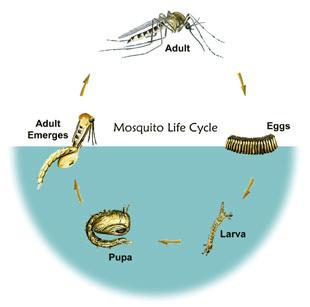 Any time a storm or other natural disaster leave behind a large amount of standing water, heart worm disease risk increases exponentially in dogs and cats. This is because the vector for transmission of the disease, the mosquito, breeds in especially high volume with all of that extra water, where it completes its life cycle from egg to adult mosquito.
Mosquitoes lay eggs in rows on the surface of the water called “rafts.” Rafts may contain as many as 200 eggs! Eggs hatch into larvae that feed on algae, plankton and fungi in the water. Larvae undergo 4 molting stages until they enter a pupa or cocoon phase. The adult mosquito them emerges from the cocoon and are ready for immediate feeding, in the case of the female mosquito, this would be a blood meal from a host animal.
Depending on the species of mosquito, air temperature, and humidity, the life cycle of the mosquito may be as short as 4 days or  as long as two weeks. During the period following a large storm that leaves in its wake vast areas of standing water, ripe breeding grounds for mosquitoes, mosquito populations are very high often starting just a few days after the storm has passed and lasting for weeks. While heartworm prevention is always important, it is especially important to treat your pets with an effective veterinary grade heartworm preventive during the period of 4-8 weeks after a storm has passed.
Notice I stated “pets” and not just dogs in the heart worm risk conversation. While the dog is the definitive host for the heartworm making it far more common to see in comparison to cats, outdoor cats can contract heartworm as well, so please take the initiative to protect them to.
Dr. Roger Welton is the President of Maybeck Animal Hospital in West Melbourne, FL, Chief Editor of the Veterinary Advice and Information Website, Web-DVM, and founder/CEO of Dr. Roger’s Holistic Veterinary Care.
Why Veterinary Hospitals Increasingly Do Not Allow Direct Payment Plans For Veterinary Medical Services
The vast majority of veterinarians I have come across in my life – and as a practicing veterinarian for almost 15 years, there are many – are among the most compassionate and kind hearted people I have had the pleasure to know. Since the day we met, my wife has told me that I am generous and honest to a fault, a sentiment that I take far more pride in than I view as a character flaw.
Yet despite most of us having taken on enormous student loan burdens and a rigorous 8 year course of study to achieve a career driven by love and compassion for the innocents we care for, we are often faced with hurtful accusations, such as:
“Money hungry”
“In it for the money”
“All you care about is money”
“You really don’t care about animals”
Etc., etc., etc…
Scroll around this very blog and you will see these and far more sinister sentiments about veterinarians in the comments. Visit internet pet forums, and the vitriol often reaches new lows, hence my decision years ago to avoid them.
So let us set the record straight on the REALITY of the veterinary profession. The most efficiently run and most profitable veterinary practices – which represents a minority of practices since we are not taught business in veterinary school – operate at best at 20% profitability. That means that for every dollar that comes in, 80 cents goes right out in payroll, payroll tax, tangible tax, property tax, regulatory fees, equipment costs, building and maintenance fees, utilities, building insurance, liability insurance, malpractice insurance…I could go on here, but I assume you get my gist. This 20% comes from a calculation known as EBIDTA (Earnings Before Interest, Depreciation, [income] Tax and Amortization). To spare you a business 101 lesson, simply stated, interest on loans, equipment value depreciation, income taxes, and loan principal come out of that 20% profitability number.
So let us offer a common example of how this plays out with a canine patient comes in and requires an emergency splenectomy (surgical removal of the spleen). The pre-anesthetic work-up, anesthesia, surgery, hospitalization, and supportive care barring complications all total about $1800. Naturally, that sum of money sounds like a lot and I should be living in the lap of luxury charging fees like that, right?
Well, no. Of that $1800, 20% (or $1440) goes to pay for all of the above costs I outlined in order to perform stated complete surgical package. This leaves a profit of about $360, of which 30% is lost to interest, depreciation, income tax, and amortization; bringing NET profit to about $252.
Let us suppose that as a practice, we allow clients to carry a balance and pay this down gradually. Since the net profit on the splenectomy is $252, this would be akin to the practice essentially lending a client $1548 of costs that have already gone out the door well before the patient is discharged, that is, assuming that the client will ultimately pay the balance in full.
As bad as veterinarians tend to be at business, we are even worse bankers. I just read a statistic in DVM360 Magazine that only 50% of account receivables (money owed to the practice) on average are ultimately collected by veterinary practices. In the case of my splenectomy example, that would mean that by agreeing to allow that client to carry a balance for the cost of the splenectomy, I have a 50% chance of taking an $1800 loss to my practice.
As a practice owner of which I took on tremendous risk to purchase and have expended an immeasurable amount in passion and work since 2004, I have a responsibility to maintain its health as a business.  This responsibility is not just to protect my life’s passion, but extends to my family, my clients and their pets to offer them the very best medical technology and care, and for my dedicated medical team to have job security with the wages and benefits that they deserve.
 It is important to note that the financial health of a practice need not be mutually exclusive to providing alternative payment structures for pet owners. There is an excellent pet insurance company that covers 90% of veterinary medical fees and reimburses clients within 3 days of claim submission. Many practices offer Care Credit, a third party medical lender that pet owners may apply for that offers low interest payment plans for payment veterinary medical services.
Dr. Roger Welton is the President of Maybeck Animal Hospital in West Melbourne, FL, Chief Editor of the Veterinary Advice and Information Website, Web-DVM, and founder/CEO of Dr. Roger’s Holistic Veterinary Care.
They May Not Be Called “Man’s Best Friend” But Cats Are The Number One House Pet In The World!
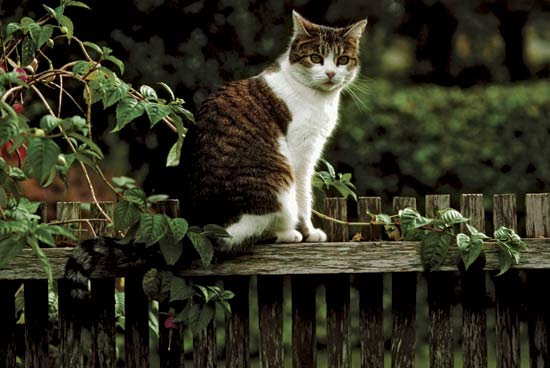 Fret not cat people, although I showcased the unique place dogs have among mankind in my most recent article, Dogs Are A Breed Apart From Other Animals, I am an equal opportunity veterinarian/blogger and fully intend to give our precious kitty cats their moment in the sun. For while dogs have been dubbed “man’s best friend,” it is cats who are the number one house pets in the world!
DNA evidence suggests that the domestic house cat of today descended from African Wildcats. Similarly to the ancient ancestor of the domestic canine, the wolf, African Wildcats likely began their association with people in search of food. The archaeological evidence shows feline bones intermixed with those of people and rodents beginning about 7000 years ago. This suggests that felines started intermixing with people during the Bronze Age, a period of time when man began to gravitate from a less nomadic existence to agricultural societies capable of sustaining cities. The archaeological record suggests that the abundant food and waste in ancient urban centers attracted vermin, which in turn attracted wildcats who saw an easy food source. It is likely that Bronze Age man saw the benefit of having cats around for vermin control and the more docile cats were encouraged to stick around and eventually become pets.
According to their hieroglyphics the archaeological record, ancient Egyptians seemed particularly fond of cats and in some cases revered them as gods and goddesses. The domestic cat spread via trade routes from the Middle East throughout Europe, to India and the Far East. Seeing their value as low maintenance companions and for vermin control on their ships, cats eventually made their way to the New World with European explorers.
Interestingly, with the evolution of the dog from its wolf ancestor through the intervention of man and selective breeding having created a whole new species, other than being generally smaller and tamer, the domestic cat remains to this day very similar to its African Wildcat ancestor. In fact, physiologically, as obligate carnivores, domestic cats are virtually identical to African Wildcats. While domestic cats readily adapt to living in households, they also have the ability to survive in the wild and tend toward a solitary existence, much like the African Wildcats.
I think part of the allure of cats is that they give us the pleasure of their beauty, companionship, and love, while retaining an inherent wildness that leaves cat lovers with the feeling that their beloved felines are wild animals that choose to live and bond with us of their own volition. Indeed, many cats are indoor/outdoor cats (not an existence that I approve of, but that is a discussion for another day!) that patrol their territory by day and come home to cozy up with human families at night.
Dr. Roger Welton is the President of Maybeck Animal Hospital in West Melbourne, FL, Chief Editor of the Veterinary Advice and Information Website, Web-DVM, and founder/CEO of Dr. Roger’s Holistic Veterinary Care.
Chapter 2 in the Game of Snacks (or, Less Food & More Praise)
 So, my intrepid pet parents, our last discussion (see The Dog: Con Man Or Opportunist?) revolved around Fido and his coy abilities to earn favors with his family in exchange for treats. So, let’s move onto how we can create a canine champion fit for the throne.
Newton’s Third Law: “For every action, there is an equal and opposite reaction.”
Why did I quote this in a discussion about canine behavior? Well, it may be a stretch, but let’s use this as a platform to employ good practices when we want to reward our furry children….and change the law to “…equal and equal reaction when it comes to positive behavior.”
First, think about what you dream about in your ideal canine companion…does he/she sit, speak, wait, backup, retrieve at your beckoning call (and you only have to ask one time!)? Do they let you know every single time that they need to go outdoors to eliminate? What other behaviors would you like Fido to accomplish with little effort from you?
So, let’s take just one activity…to keep it easy, let’s talk about eliminating outdoors. That’s the first hurdle of most puppy owners and sets the stage for learning more behaviors down the road. You give a vocal cue, or set a bell on the door knob, or teach him to come to you and speak…what’s your first reaction? It should be over joyous praise and immediate acknowledgement of the correct behavior from Fido and straight outdoors you go! Once he’s done, he gets immediate praise from you! Wow, we have just taught Fido that he can rely on us to allow him outdoors if he gives this one (correct) cue. And, what does he get out of the deal (besides an empty bladder and colon!)? He’s gets all that he needs from his family: love, attention, praise.
What about a treat, you ask? Well, we know “Food is Love” for many of us; it’s how we show affection, caring, and love for those around us, including our furry children. With all of our requests for a behavior from Fido (sit, stay, lay down, etc.), first ask:
Did he participate readily and without you begging for the action (how many times did you ask…more than once?)? Just as we get our desserts after we’ve eaten dinner (well, for most of us!), Fido should get his rewards after performing a task we’ve asked him to do. It sets up an expectation and respect from him to you that he worked for a treat, and earned it.
An important point: what is a treat? Let’s remove most human food from our table of choices, first. Then, a healthy (and economical!) idea came from a dear friend of mine: take a handful of Fido’s regular dog kibble, put it into a Ziploc bag and into the freezer. Offer a frozen piece of dog kibble (that means one piece!) as an easy go-to treat! You’ll be surprised at how ‘cool’ Fido thinks a simple temperature change is for a treat! You’ll save money on extra dog treats, and have easy access to a treat that’s hard to beat! And it’s not about the quantity of treats! No, it more about the how you present the treat, and that includes lots of love and praise.
Because, after all, in the end, we all (human, canine, feline, etc.) want more love, praise, and affections from those we respect and endear.
Dr. Jessica Boudreaux-Milligan is Web-DVM contributor and attending veterinarian at Maybeck Animal Hospital in West Melbourne, FL.
Dogs Are a Breed Apart From Other Animals
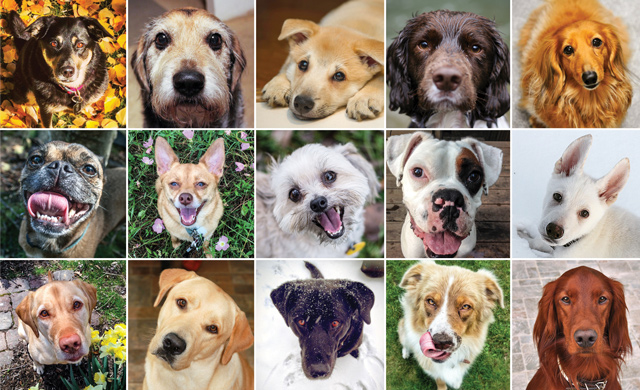 Dogs have been called “Man’s Best Friend,” and rightly so, as man in large measure created them! The oldest bones of wolves (the dog’s ancient ancestor) that have been found comingled with those of humans (indicating some form of cohabitation with wolves) date back to 400,000 years ago.
Anthropologists believe that certain factors made wolf and human symbiosis a natural fit. On one hand, wolves may have found the human camp fire and garbage dump ideal venues for easy meals scavenging for scraps and leftovers. On the other hand, seeing that wolves had similar familial and hunting strategies to humans that included following a leader and hunting in cooperative groups, humans may have noted that the keen sense of smell and hearing that wolves possessed may help lead them to prey.
With wolves venturing ever closer to human settlements it is likely that early humans may have used wolves as a source of food, but particularly docile ones were likely accepted into the human clans as members of the family. Given the aforementioned shared characteristics, a cooperation of humans and wolves for hunting and later for companionship as well would make sense.
Naturally, humans would favor the most cooperative and tame wolves to cohabitate with them which gradually led to humans effectively replacing the natural selection process for a man made one and as of about 14,000 years ago, a whole new animal effectively (however UN-naturally) evolved…the domestic dog!
By this time dogs had already possessed a wide variety of size, body proportions and physical characteristics, but about 4000-5000 years ago, dogs became increasingly more specialized and diverse. Herding dogs were selectively bred to herd livestock, sporting dogs were bred to hunt birds, hounds were bred to hunt by sight and smell, terriers were bred to hunt vermin, and toy breeds were bred to be cute and warm laps. Along with their physical characteristics and behavior, after thousands of years of eating like the humans they lived with, they changed physiologically as they adapted to a more omnivorous diet than their wolf ancestors.
Over time, dogs have made their way into law enforcement, the military, and are commonly trained as service dogs for the blind and disabled. Most importantly, dogs have made their way into our hearts and the very fabric of our family unit. Dogs are even good for our health, known to reduce blood pressure, reduce dependence on medication, reduce anxiety; and overall increase human longevity.
See also: They May Not Be Called “Man’s Best Friend” But Cats Are The Number One House Pet In The World!
Dr. Roger Welton is the President of Maybeck Animal Hospital in West Melbourne, FL, Chief Editor of the Veterinary Advice and Information Website, Web-DVM, and founder/CEO of Dr. Roger’s Holistic Veterinary Care.
The best dog exercise happens outside of your yard!
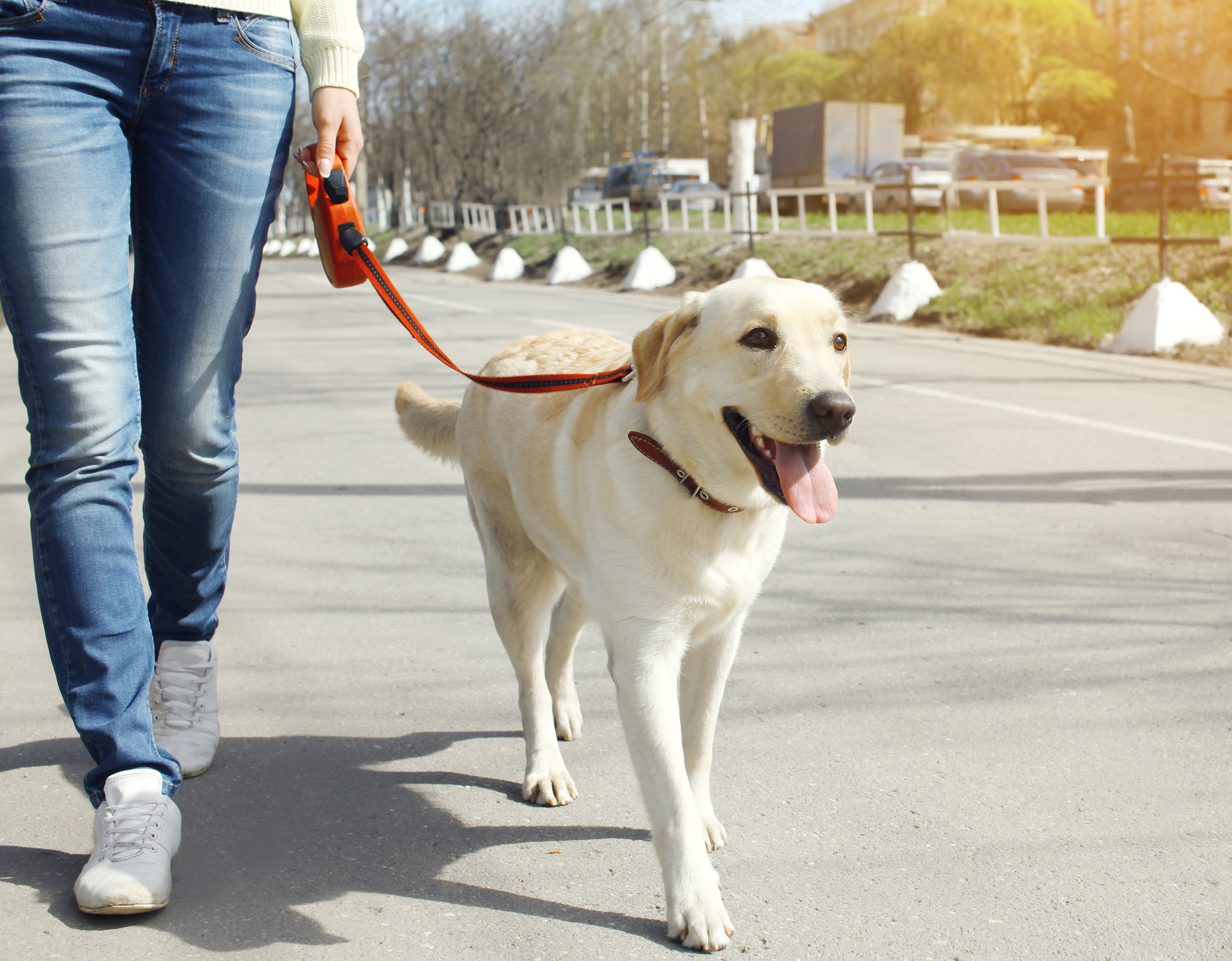
I got such a fabulous response to my article “The Power of Daily Walks” that I feel the need to expand on the topic.
Many people asked me if their dog should go on daily walks if they have a large yard to run and play in. The short answer is “yes.” The long answer is “Heck yes!”
Having a large fenced yard is nice. And yes, if your dog lives on 20 acres and roams the property, that is the exception to the guideline. Most dogs have 1/2 acre or less, which is plenty of room to potty, play ball, and chase the occasional squirrel. Why are walks different? Lots of ways!
First, just because your dog has a large yard does not mean he uses it. Is he running laps routinely? Does his Fitbit say he’s getting his daily step count? Doubt it. Sure, chasing out intruders is good exercise, but that’s a burst of a few seconds. Walks are steady exercise. They get the heart rate up, and they use leg muscles. Most dogs with a yard simply go out in the yard, sniff a little, do their business and come in. Some like to sit and be watchdogs, which is great, but not very much exercise.
Why is it so important to walk AWAY from your yard? Most importantly, walks off the property have new smells. This is the ultimate mental stimulation we can give a dog. Sniffing is the social media of the dog world. It’s how your dog catches up on the latest news in the neighborhood!
OMG Ginger and Dino were BOTH at this tree!
Who’s this new guy? Need to really check this out.
I marked this bush a day ago, but need to refresh it, just so everyone knows I’m a player.
Yes, simply by sniffing the pee from previous lucky walkers, your dog can tell not just the basics, like male or female, spayed or neutered, in heat or not. Your dog can tell if it’s his own or his housemate’s. He can sense things like diabetes, or bladder infections. Some postulate the can even detect levels of stress hormones in other dog’s urine.
Man, Maggie sure needs to loosen up.
Now add the smells and excitement from other animals. Dead worms on the ground? The snap decision must be made to eat it or roll on it before our owner intervenes. Dogs in the yard barking as we pass? Yep, we’ll not only pee on the tree, but boldly wipe our feet in a two-legged dance. Feces from another dog or a wild animal? To sniff or snack – the debate rages on!
So by sniffing all of these spots away from your house, your dog’s mind gets as much exercise as his body! In his yard it’s the same old smells. Only going out of the yard will give your dog the physical and mental exercise he deserves, and craves!
So if your dog seems “hyper,” high energy, or anxious, try getting out of the yard! Yes, the walks might be a bit crazy at first if he has not been on a leash much. Patience and persistence will pay off. Keep trying, keep getting him out. The more energy he burns and mental stimulation he gets, the better he will act in general!
Web-DVM guest blogger Dr. Karen Louis is a practicing small animal veterinarian. See more of her articles at her blog at VetChick.com
Pet Safe Insect Killers
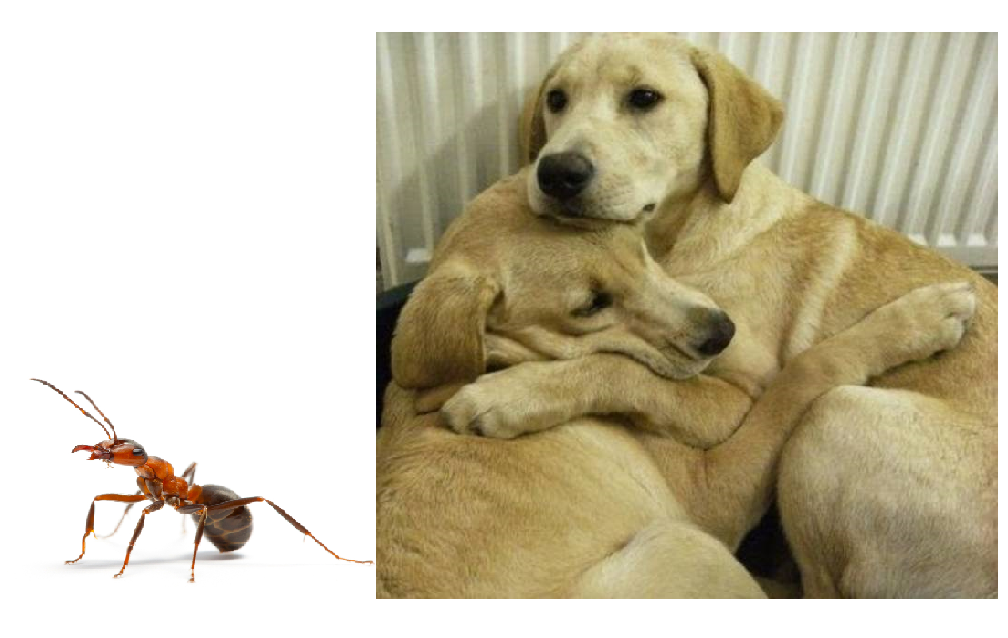 I recently learned how frustrating it is to want to kill problem insects in the yard, but keep my pets safe. I was scouring the small print on the insecticide labels, looking for which I could use around pets. I wanted it to work, and was skeptical of the “natural, organic” ones with only some smelly oils as active ingredients. To boot, some things that are natural are actually highly toxic! Natural does not equal safe – ever! You have to judge each ingredient on its own merits. Life is complicated.
Good news – there are many name-brand options that actually are safe for use around pets! They are not marketed as “safe” or “natural”, I guess because they’re afraid people will think they won’t work? And no, these aren’t off brands, but name brands that work! Here’s what to look for. And yes, you’ll have to read the “active ingredients” in the tiny font on the lower part of the label. If you’re over 40, bring your reading glasses.
Ivermectin / Avermectin
Does this word look familiar? It should! I talk about it my article on heartworm preventatives. Because it’s what we feed our dogs every month when we give heartworm pills! So yes, ivermectin is safe. It is often found in ant traps. When a dog eats one, I am never worried about the “ant killing ingredient” hurting the dog. I care more about the plastic or metal container causing an intestinal obstruction if the dog ate it! And if you’re thinking you can save money by buying ant traps instead of heartworm preventatives, sorry. The concentration in them is rather low.
Fipronil
If you’ve had your house treated for termites, there’s a good chance they used this. It can be found in insect traps, as well as several insect-killing products. This name may sound familiar as well – it’s the active ingredient in many over-the-counter flea and tick treatments designed for dogs and cats. Think Frontline, Pet Armor, etc. Fipronil kills insects and arachnids (spiders and ticks). It’s allegedly safe enough to drink (wouldn’t recommend it though – it does NOT taste good!) So if that’s the active ingredient in your insecticide, your pet is very safe!
Imidicloprid
This is the active ingredient in Advantage, another flea preventative designed for use on dogs and cats. Again, fleas are insects, so kill them on pets is no different than killing them on plants. And if it kills fleas, it kills other insects as well. If you are treating your garden and your dog walks by, no worries! Like the fipronil products, the concentration is low, so I would not recommend using it on your pet to control fleas. Buy the stuff made for pets for that.
Pyrethrin / Permethrin (but no cats!)
These can both be considered “natural” – they even come from flowers! (Yet, read on, and you’ll see that Permethrin is by no means safe for cats!) They are compounds that were used in pet flea products before the more modern solutions came out (ie -Fipronil and Imidicloprid). While we vets do not recommend using them on pets, there are still many low-cost products on store shelves today marketed for pets. They don’t work all that well on pets, but they do work on the garden! Reason being – they do not have any staying power on pets. So if your pet has fleas and you treat with a product using these ingredients, the fleas die, and an hour later the whole new generation hatches. Square one. Warning – permethrins are highly toxic to cats. People who buy the cheap dog flea killer with permethrin (different from pyrethrin) and put it on the cat then get to spend the next few hours in a vet clinic with a seizuring cat. Not all of them live. So don’t chance it. Consult your vet on which flea product to use on your pet. However, these ingredients are generally safe if you’re treating the garden and the dog wants to watch.
Even though these are safe, still read the label and follow directions. Don’t apply them directly to your pet ever, but use the labeled products for pets. Why? These are the active ingredients, which often make up about 1% of what’s in that container. The other 99% are not listed. Obviously, if they were considered toxic they would have to be listed, but why chance it?
Still, these are the ingredients I look for when choosing a product for my yard or home. Some of the other products can be downright fatal if your pet consumes or comes in contact with even a small amount, so why chance having it even around? This is one instance when label reading can do you a lot of good!
Web-DVM guest blogger Dr. Karen Louis is a practicing small animal veterinarian. See more of her articles at her blog at VetChick.com
What to do if your dog has a seizure
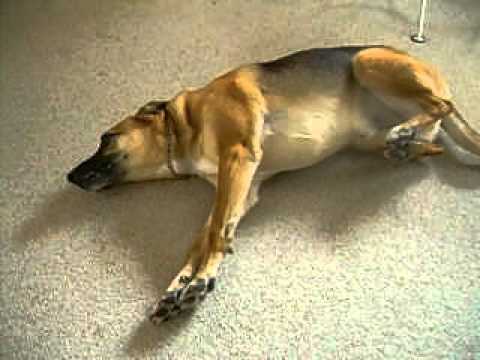 Perhaps nothing is more scary or distressing for an owner than seeing your pet have a seizure. Knowing what to do if it happens can make it not only safer for everyone involved, but also enables you to help your veterinarian do her job by providing accurate information. If your pet starts having a seizure, what do you do?
Three things.
1- Clear the space around the pet so they do not hit their head, fall down stairs, roll off the couch, etc. Avoid moving the animal, if possible, but adjust the surroundings. If they are by the coffee table leg, move the furniture, or put a pillow between them and whatever they might hurt themselves on. If they are on a piece of furniture, holding pillows or a thick blanket at the edge can prevent them from falling off.
2 – Look at a clock and start to time the seizure. Length of time matters!
3 – Monitor, but do not restrain. Pets undergoing a seizure do not know what they are doing, and you don’t want to get bit, scratched, or head-butted. If you’ve done step 1 properly, they are not in danger of hurting themselves. There’s an old wive’s tale about “swallowing their tongues” – sheer nonsense!
Can’t hurt to start getting your shoes on. If the seizure lasts more than 5 minutes, I’d head to your veterinarian or the local emergency clinic. Besides, whenever I get my shoes on, the seizure stops.
When the seizure stops, note the time. Write down how long it took, because your vet will ask (and be very impressed you had the presence of mind to time it!). Seizures can feel like 20 minutes when in fact they are only two!
When the pet has finished with the “active” seizure, he or she will enter a “post-ictal” phase. How long this lasts is important as well (still got your eye on the clock?).
Realize that a seizure is like a fireworks show in the brain instead of the normal, small and controlled impulses. After the fireworks, it takes time for everything to settle down. Dogs and cats will normally act drunk or dazed during this post-ictal phase. Don’t encourage them to get up until they are ready. Don’t offer treats or food. Just let them recalibrate.
Most dogs will have only a brief post-ictal phase, ranging from 5 to 45 minutes. Neurology spets say the post-ictal phase can last up to FIVE DAYS!
So, when to worry!?!
If the seizure was brief (minute or three) and the post-ictal phase also brief (less than 20 minutes or so) and now your dog is bouncing around like nothing happened, rushing to the vet may not be needed. When I worked in the ER, I would see these appointments, and everything was normal. Some people would be mad that they paid for an emergency visit and were told we could find nothing deathly wrong with their pet. *sigh*
I often tell these clients every pets gets “one free seizure.”What I mean by this is some pets have a single seizure, and never have one again in their lives. You certainly don’t want to start a lifetime of medication that is not needed. After the first seizure, we often will draw blood to rule out liver disease that can cause seizures (in puppies or young dogs, in particular). 99% of the time, the bloodwork is normal (never a bad thing!!), so we watch and wait.
If the seizure comes in pairs, or a cluster of back-to back seizures, that warrants a trip to the emergency clinic. Also, if the seizure lasted longer than 5 minutes or so, or the post-ictal phase goes on for a couple hours, never hurts to have them checked. These dogs may be more prone to additional seizures and need monitoring at a vet hospital. Or they might be fine. Can’t hurt to have them checked.
A variety of things can cause seizures in dogs, ranging from liver disease or toxins (young dogs) to epilepsy (most common cause, middle aged) and even cancer (typically older dogs and cats). Many of these are difficult or impossible to diagnose in a general practice setting. Even if the seizure was brief and your dog is fine now, still mention it to your veterinarian. Depending on breed and age, we may be more concerned about specific disease for some breeds than others.
Even better, seizures come in a lot of varieties. Not every seizure is the “grand mal”, tonic-clonic seizure with paddling and foaming, peeing and pooping. Some seizures present as staring into space and being unresponsive. Others can present as “fly-biting.” The common denominator? The dog or cat doesn’t respond when called or distracted. At all. These are called focal seizures, and have similar brain pathology as the dramatic ones, but are less obvious.
The most common cause of seizures is idiopathic epilepsy. “Idiopathic” means no one knows what causes it. Reassuring, I know, but doesn’t it sound official? And no, there is no test for epilepsy. You rule out everything else and say “well, we’ll call it epilepsy.” Frustrating, but true. There is very effective treatment though! Some dogs are easily maintained on medication, and have few to no seizures ever again. Others are on multiple medications, and still have occasional seizures. We can at least make it better though!
Web-DVM guest blogger Dr. Karen Louis is a practicing small animal veterinarian. See more of her articles at her blog at VetChick.com

Keep your pets safe this holiday season!
The holiday season is right around the corner starting with Halloween (yes, in my home, we consider Halloween a holiday!). It is both a joyous and busy time and it can be easy to overlook certain...

Help for nervous/anxious dogs
There seems to be a growing number of excessively nervous, often skittish dogs. This can range from anxieties, such as noise or storm anxiety, anxiousness about being separated from pet parents,...
Bird flu is infecting cats and cases are rising – What you need to know!
H5N1 Avian Influenza is causing far more trouble than just just high egg prices. The bird flu has successfully jumped species now able to infect cats and people. Although the ability to infect...

Read Dr. Roger’s Latest Book!

 Be Healthy & Fit With Celebrity Trainer Steve Jordan
- The New Measure of a Life Well Lived: Why Health Span Matters More Than Longevity
- The Wealth Spark: Igniting Your Path To Abundance and Success
- Bright Line Eating with New York Times best selling author Dr. Susan Peirce Thompson
- Maximizing Your Workout Time: Efficiency Tips from Westwood Private Fitness
- How to Transform Your Dad Bod: Insights from the Fit Father Project – New Podcast Episode Out Now!