The ONE thing you can do to help your pet live longer
 You might feed organic, grain free food. Fluffy might be sleeping on a bed of dye-free organic cotton. You might cook free-range meat with whole grain meals every day for your pet. She drinks filtered water. Her air purifier hums consistently.
Hopefully you keep your pet on a routine heartworm preventative. You follow your vet’s advice on dental care, flea control, preventative health (all very key to your pet staying healthy!).
Yet, there is one thing that will have the biggest overall impact on your pet’s quality (and quantity) of life.
And it doesn’t cost any extra!
What is this one magical thing? Maintaining your pet at an ideal weight!
It sounds so simple, and it should be! Our dog can’t exactly drive himself to Taco Bell when he feels the urge. We can control this, yet so many of us suck at it.
Sure, there are medical conditions that can make a pet more prone to obesity. But these can often be addressed – and managed – by your veterinarian. I’m talking about the vast majority of dogs and cats in this country that are simply overfed. What’s the big deal?
Most everyone knows the drill. Obesity makes arthritis worse. Obesity increases the risk of diabetes. Obesity makes cats prone to fatty liver disease. People say they know, but it isn’t hitting home, obviously, because vets across the country are seeing more and more obese patients. If a pet is obese, it is suffering for it. He or she will not live as long because of it, plain and simple.
Honestly, I think morbid obesity is more cruel than starvation! I have seen both. The obese dogs are unable to move. The owners think they are happy, but lying in urine all day is not fun. Having to struggle to breathe is misery. The food doesn’t make it any better or ease the pain. Meanwhile, the dogs I’ve been involved with in rescue that are emaciated are happy! Feed them, and they are running around, wagging their butts, as happy as can be. Being skinny isn’t painful – being hungry is what hurts. That’s an easy fix.
I’ve seen many obese animals over the years whose owners killed them (indirectly) by overfeeding them. Instead of just bland medical facts, here’s some true stories. Learn from them. I’ve told people facts about the problems obesity can cause for years, and many still aren’t getting it.
I hope this will be a wake-up call. These stories might be hard to read – just know that I want to help you and your pet! 🙂
Trudy
Trudy died at 3 years old from her obesity. She was a husky mix. A healthy, maybe even chubby, weight for her would have been about 70 lbs. I don’t know exactly how much she weighed, because the scale at the time went up to 200 lbs, and she was over that. Yes, she weighed THREE TIMES what she should have weighed. When I first met her I wanted to cry. Her head was a normal size, then it was attached to this balloon-like body. She could barely walk. Watching her struggle to stand was awful. Her skin was taught on her body. She panted all the time, partly from being hot, and partly because breathing was a battle. Her owners knew she was overweight, but did not have a grasp of the severity of the situation, despite the pleading of several veterinarians. She developed an auto-immune disease that we don’t typically see in her breed, and she died in the emergency clinic despite treatment. In cases of extreme obesity, fat can act like an endocrine organ. It can secrete hormones that alter the body’s every day functions. We suspect that is what killed Trudy.
Kira
Kira was a lab who lived to be 10 years old. Not bad for a lab, but she should have lived longer. She had arthritis in her hips and knees, possibly even lower back. That is common in older, large breed dogs. If the dog is an appropriate weight, pain meds can do wonders for these dogs! Kira weighed 140 lbs and should have weighed about 90. Her obesity was not as extreme as Trudy’s, but in the case of arthritis, it does not need to be extreme for the dog to suffer. Despite being on a variety of pain medications, her limbs were simply too weak to hold her up. Her owner was not able to lift her. She wanted to put Kira on a diet, but obviously, weight loss isn’t going to happen overnight. We had a dog who was unable to move, completely miserable, barely able to scoot away from her poop. Had she not been overweight, she would have lived much longer. Her blood tests were perfect, and the rest of the body was still functioning perfectly. We ended up putting Kira to sleep because she was too obese to move and no one in the house could move her either.
Joey
Joey was a pit bull mix who loved to eat. Most pitties are very well muscled, but we never saw any of Joey’s muscles. He should have weighed about 70 lbs, and he weighed 145. He died at only 5 years of age. He developed fatty liver disease, because there was so much fat in his body, it basically had nowhere else to go. It built up in his liver and caused organ failure. He also developed diabetes. His body did not respond to treatment in the hospital, where he died. Dogs that are not obese do not develop fatty liver disease, and rarely develop diabetes. His obesity killed him.
Aurora
Aurora died at 7 years old, which for a cat, is barely middle age! She had an average build in terms of bone structure, but weighed 22 lbs. Aurora’s passing was sad, because her owners really wanted to save her. She had become diabetic from her obesity, and her body developed a secondary disease called ketoacidosis. She was in a hospital being treated, responded beautifully to treatment of the diabetes, then stopped eating. She developed fatty liver disease from not eating (In cats this happens when obese cats stop eating- here’s how). She was put to sleep in the hospital because her owners simply could not afford to continue the aggressive treatment needed – they had already tried very hard!
So no, being overweight is not cute. It’s deadly. These are only a handful of stories. About once a week I see an elderly large breed dog who is overweight and can barely walk, and the owners want me to fix it. By that time it is too late! The owners always want a quick fix, and there isn’t one. They want me to go back in time and prevent the dog from becoming obese. Pain meds don’t help when the pet’s legs are too weak to support ALL that weight! And weight loss does not happen overnight.
There is hope!
If your veterinarian tells you your pet is overweight, listen! Intervene now! Everyone waits until they have a diabetic cat, or a dog who can’t walk, and then wants to go back in time and fix it. Please, I implore you. Your pet will thank you! No, they don’t have to have a bikini body, just be able to function. I have an article here on body condition scoring, and determining how overweight your pet is on a 1-9 scale. For the record, the pets in my examples were initially off the charts. (They would be 11 or 12 out of 9!)
Not every pet can be ideal, but if they can at least be close, they will live longer and feel better. If your pet is extremely obese, have a talk with your veterinarian about ruling out other diseases first. Then go on a medically supervised diet. If your pet’s weight is creeping up, stop now and change something! Your vet can give you an idea how much your pet should weigh, and give you a goal. Most vet clinics will let you bring your pet in for free to check a weight on their scales, and I encourage that so we can make sure progress is being made.
Click here for my article describing two weight loss success stories. If addressed promptly and correctly, some dogs and cats can see their lives really improve dramatically! Here’s my “how-to” weight loss article.
Bottom line – dogs and cats that are obese are suffering in silence. And in the case of older, arthritic dogs, even 5 extra pounds can be the difference between being able to walk or not! If your pet had anything else wrong, you’d want to help them and fix it, right? Body weight should be no different!
Web-DVM guest blogger Dr. Karen Louis is a practicing small animal veterinarian. See more of her articles at her blog at VetChick.com
The Curious Case of the Hungry Cat
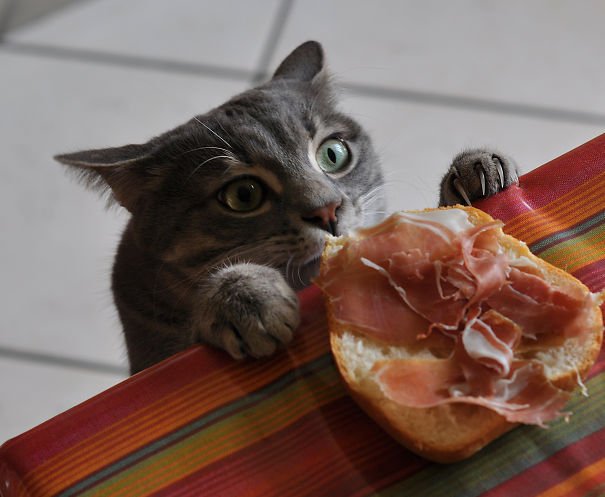 Kristi from Madison Wisconsin e-mailed the podcast that Dr. Karen Louis and I do called Veterinary Advice, Animal News and Views, about her 3 year old male cat that has an out of control appetite. This kitty’s appetite is so bad that he resorts to stealing and eating potato peals and on one occasion, he consumed toxic levels of garlic! I would encourage you to listen to the episode posted above as Dr. Karen and I go through the menagerie of diagnostics and possible causes to determine what could be the source of such an unusual case of extreme hunger.
Although most cases of unusually excessive appetite do not reach the extreme of Kristi’s cat, excessive hunger is not an uncommon presentation in feline veterinary medicine. If you have a kitty that seems to have an unusually big appetite, it would be wise to have him checked out, as it could be an indicator of systemic disease or even a psychological problem. Before going to the veterinarian be prepared to ask the following questions.
Is there weightloss despite the excessive appetite?
Excessive hunger in cats that are actually losing weight may indicate endocrine disease, such as hyperthyroidism or diabetes. This presentation may also be the result of internal parasites, malabsorption of dietary nutrients, or protein loss. Protein loss can occur at the level of the gut or in the urine due to kidney disease. Low protein may also not be due to protein loss, but due to liver insufficiency and subsequent inability to synthesize vital plasma proteins.
Are the stools normal or soft or runny?
Excessive hunger in cats with soft or runny stools commonly suffer from internal parasites or diseases of the intestine that prevent absorption of dietary nutrients. Intestinal diseases that lead to malabsorption include varying presentations of inflammatory bowel disease, food allergy, and cancer of the bowel.
We determined that given the lack diagnostic abnormalities through thorough testing (as well as follow up from Kristi that her cat is actually overweight and has normal stools), that her cat likely has a psychological obsession with food and likely has a unique form of obsessive compulsive disorder. However, please do not ever make the mistake of assuming an excessively hungry cat is that way due to a behavioral issue, as it is statistically far more common that there is a medical issue driving the hunger.
My basic diagnostic work up for hungry cats begins with stool analysis, bloodwork (complete blood count, blood chemistry, and thyroid level) and urinalysis. If no disease processes are found there, in cases where there are other mitigating signs such as soft stools or nausea, the diagnostic process may extend into imaging of the abdomen via x-rays and ultrasound and possible biopsies of several regions of the intestinal tract via endoscopy or abdominal exploratory surgery.
Dr. Roger Welton is the President of Maybeck Animal Hospital in West Melbourne, FL, Chief Editor of the Veterinary Advice and Information Website, Web-DVM, and founder/CEO of Dr. Roger’s Holistic Veterinary Care.
How NOT to clean your pet’s ears

DO NOT CLEAN EARS WITH THIS!!!
I am frequently asked to look at a pet’s ear because the owner noticed a discharge. Sometimes they will proudly say “…so I cleaned it with ______!” Often I find myself cringing. First, don’t clean it before the vet sees it – it’s like tampering with evidence (here’s my article on the importance of ear goo). Second, most things we use to clean a superficial cut are in no way meant to go inside an ear!
There are three things that people commonly use to clean a pet’s ears that have no business being in an ear! If in doubt, do nothing and call your vet. Here’s the three most common liquids people reach for to clean ears that should be avoided.
Hydrogen Peroxide
Yes, this is good for killing bacteria. Peroxide kills practically everything. That’s what makes it good. And very bad. Sure, it kills bacteria, but it also kills the poor cells that are trying to come and heal! In an ear, peroxide is especially dangerous. If the eardrum is ruptured (as often is the case with a moderate/severe ear infection) the peroxide can damage the super sensitive cells in the middle ear that are responsible for hearing! To boot, peroxide hurts. We have an ear that already is painful, so let’s not make it worse. The last thing we want is a pet who runs every time we reach for the ear – we need to keep some trust!
Alcohol
Any open areas in the ear canal will hurt when this is applied, just like the peroxide. And, alcohol has no ability to cut through waxy debris. You’re better off just wiping the ear with a dry paper towel than pouring alcohol into it! Also, like peroxide, if the eardrum is ruptured, you can do some damage to the middle ear (the hearing part!) by soaking it with alcohol. So it does not help, and can only hurt, which makes it one to avoid.
You may notice many over-the-counter ear cleaners contain alcohol. Most veterinary prescribed ear cleaners do NOT contain alcohol. Using a solution designed for ears that may contain a small amount of alcohol is currently being debated among veterinarians. Dermatology spets across the country recommend using the cleaners that contain NO alcohol, while some general practitioners use products containing alcohol with no (obvious) ill effects. The main thing: alcohol is only one of several ingredients in these ear cleaners. NO ONE recommends just dumping rubbing alcohol into the ear. That is agreed upon!
Water
This may come as a surprise! Will it hurt the pet? Not directly. Heck, they swim don’t they? Thing is, many ear infections are caused by yeast. Yeast loves water. So if your pet has a yeast/fungal infection in the ear, and you’re cleaning it with water, then you are basically fertilizing the yeast. The yeast is thanking you, but your pet is not!
So what can you use?
Your veterinarian can provide an ear cleaner that is appropriate for your specific pet. Some ear cleaners even have anti-yeast ingredients, while others are more geared towards bacterial infections. By knowing the kind of infection your pet has, or is prone to, your veterinarian can select an ear cleaner that is not only safe, but will work much much better than any of the three items above!
Web-DVM guest blogger Dr. Karen Louis is a practicing small animal veterinarian. See more of her articles at her blog at VetChick.com
5 facts about heartworms you didn’t know
 About once a month, I get the panicked, guilt-ridden phonecall.
“I just realized Fluffy didn’t get her heartworm pill last month! What should I do? Do I need to test her today?!?!”
First, you are not a terrible person – it happens to the best of us! As soon as you realize it, give the pill (or apply the liquid, depending on the form).
We’ll get through this together.
Here’s the five facts about heartworms most pet owners don’t know.
1-Heartworm preventatives work a little backwards.
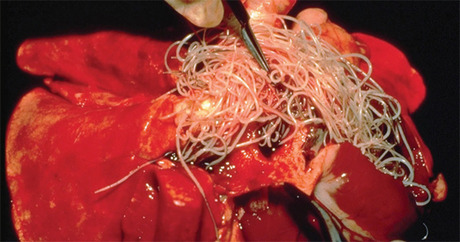
We all know heartworms are transmitted by mosquitoes. They suck blood (and worm larvae) from a dog who has heartworms, fly around, then bite your dog and inject the worm larvae into him. These immature worm babies find their way to the bloodstream, where they head for the heart. In the process, they go through another stage of maturation before turning into adult worms. The worm larvae that are initially injected by the mosquito are susceptible to heartworm preventatives, but once they mature into the next stage, those are not. Heartworm preventatives don’t touch them, not matter how many you give. There is some controversy right now as to how long it takes from time of infection to maturation, as vets in the south (with lots of mosquitoes and heartworms) are suspecting it is happening sooner and faster than originally thought. Current consensus is 40-50 days. No worm reads the manual, so there may be individual variation in there as well.
When we give our preventative, we are cleaning house, killing anything that was injected in the past month. It does nothing to help in the approaching month!
2 – There is a (small) grace period with heartworm preventatives.
Because it takes 40-50 days for the larvae to mature past the point of no return, we could in theory give preventative every 40-50 days right? Yes, you could. It’s recommended for once a month use because, with people’s hectic lives, it stands the best chance of actually happening that way. And, if you do give it a week late, you’re still in the clear! If you give it every 40 days, and then miss a dose, you’re more likely to have complications. Shoot for once a month.
3 – The heartworm test is a little sexist…and has a delay.
It takes a total of 6 months from the time of the mosquito bite to the maturation of adult worms. The modern heartworm tests (sometimes called antigen tests) are designed to detect a protein secreted only by female worms. Not that we don’t want to know about male worms, they just don’t secrete anything we’ve discovered yet that we can test for. If your dog only has a couple heartworms, and they’re both dudes, your test will be negative. You also will not get reproduction and worsening of the disease, which is good news! (Cats, due to their small size, can often be infected with only a single worm. That gives this test a 50/50 shot of picking it up!
Bottom line – if you miss a couple months of heartworm preventative, wait 6 months, then test.
4 – Heartworms do not actually live in the heart.
They live in the pulmonary artery. That is the super important blood vessel that connects the heart to the lungs. In order for any blood to get oxygen to continue its travels throughout the body, it has to go through this artery. It being clogged with worms is bad news. Thing is, “pulmonary artery worm” is kind of a mouthful, so we all say “heartworm.”And, with heartworms being 8-11 inches long, they will extend into the heart chambers.
5 – Size DOES matter.
Heartworm preventatives are dosed based on weight of the dog. If your dog weighs 60 lbs, you need to give the 51-100 lb dose, not the smaller dose. Many preventatives’ largest dose goes to 100 lbs, and many dogs weigh over 100lbs. What to do? You have to give two pills. If your dog weighs 115 lbs, you need to give a big dog size and a yorkie size pill at the same time. (Translation, give the 51-100lbs size along with the 5-25lb size so the total weight covered is 125 lbs).
It is safe (and recommended) to round up when dosing preventative. Never round down. You can give a yorkie the lab size heartworm pills every month and it will be fine, just cost you more. Don’t give the lab the yorkie size. True story – I’ve had patients who weighed 107 lbs, were given the heartworm pill for dogs up to 100lbs, and they tested positive for heartworm.
Web-DVM guest blogger Dr. Karen Louis is a practicing small animal veterinarian. See more of her articles at her blog at VetChick.com
Why I Do Not Think Home Cooked Diets Are A Good Idea For Pets
 This article may come to some as a juxtaposition coming from an integrative practitioner that puts a great deal of emphasis on the value of unprocessed real food and a well-balanced diet as a staple for good health. These are not only the tenants I follow as a veterinarian, but also follow personally for myself and my family. If that is the case, why in the world would I promote processed pet food for dogs and cats as opposed to home prepared real food?
The main reason comes from a rash of cases I have recently managed, of systemic diseases that are necessarily or ideally managed through the feeding of prescription therapeutic diets. Where I have usually departed from home prepared diets is in the case of disease specific nutrition. It is a very difficult balance to maintain the special nutritional needs of a patient living certain with chronic diseases, while maintaining a well-rounded nutrient break down appropriate for species and life stage. In the case of therapeutic diets, while they may be processed and most have preservatives, they are diets engineered to manage disease through nutrition, while meeting the nutrient demands to sustain life.
You may ask, why not have the best of both worlds: home cook for the pet all of its life, then feed the prescription disease specific therapeutic diet when/if the pet falls ill with a chronic disease primarily managed through nutrition? The reason is this is much easier said than done when you have a dog or cat that has been cooked for all of its life suddenly transition to a pet food at a time when their age, lack of familiarity with pet food, and occurrence of disease may be inhibiting their appetite.
Case in point, one of my inspirations for this article was a recent case I had of a West Highland White Terrier that presented vomiting, not eating, and suffered from abdominal pain. This dog had been treated and fed like a prince all of his life, pampered with love and fed a home cooked, organic diet all of his life (he is now 9 years of age). To his owners’ credit, they painstakingly fed a nutritionally well balanced diet of lean chicken, brown rice, and vegetables, served in the proper ratios to provide for minimum canine nutrient requirements.
I ultimately diagnosed the dog with pancreatitis, a serious inflammatory disease of the pancreas. I want to be very clear that the pancreatitis had nothing to do with being fed a home cooked diet. As a Westie, this was likely a genetic ticking time bomb that was not a question of IF it would occur, but WHEN.
That stated, regardless of how healthy, natural, and well balanced the dog’s diet may have been, it was no longer appropriate to optimally prevent or manage his disease. Once stabilized, to prevent recurrence, the dog would need to be fed a low residue, prescription diet, one that may have preservatives and is engineered and processed; but that is beyond the shadow of a doubt, extremely successful in the management of pancreatitis.
The owners were quite stressed about this for a couple of reasons. Feeding a processed pet food went against every fiber of their personal dietary ethics, and they had serious concerns that the dog would ever accept dog food after having been fed a home cooked diet all of his life.
To their point, the dog did not readily eat the diet at first, but since he was rather on the chubby side and he was on intravenous supportive care, we had the ability to bide some time as his numbers and clinical condition improved, and exercised “tough love” with the necessary diet (by tough love, I mean offer that diet and ONLY that diet…or nothing at all).
Luckily, by day two, the dog was feeling well enough, and/or his tummy was empty enough, for him to start eating the prescription diet. I was ready to do cartwheels, since other cases I had managed recently where disease specific nutrition was pivotal to the treatment, did not go as well. Tough love is not always medically feasible and in the case of cats, never advisable.
Thus, these lessons of real life in veterinary medicine at a time when more owners are increasingly opting to feed home prepare diets with real, whole foods for their pets; have led me to opine that the better course of action is to feed a high quality pet food. To fulfill a real food, organically minded pet owner’s dietary ethics, if one does their due diligence and research, there are preservative free pet foods made with fresh ingredients that may offer that middle ground compromise that such a person may seek for their pets. Anything put in kibble and/or canned form requires some processing to be sure, but feeding pet food may mean the difference between life and death for a patient whose life may one day depend on being fed a therapeutic, prescription pet food.
Dr. Roger Welton is the President of Maybeck Animal Hospital in West Melbourne, FL, Chief Editor of the Veterinary Advice and Information Website, Web-DVM, and founder/CEO of Dr. Roger’s Holistic Veterinary Care.
Ear infections in dogs and cats – we need to diagnose before we can treat!
 Ear infections can be one of the most frustrating conditions to treat! If your senior pet has never had an ear infection, they probably never will. Other pets, particularly dogs, have a constant, lifelong battle with ear infections. Some dogs it’s just one ear, but always that same ear! What gives?
These dogs that seem to be constantly battling ear infections often have a condition that predisposes them to the infection. Until the predisposing condition is addressed, the recurrent infections will persist. The most common predisposing conditions are seasonal allergies (atopy), food allergy, or anatomical abnormality. Determining which of these is wreaking havoc in your pet can be very difficult and time-consuming, but is possible!
Diagnosing the underlying factor can depend on where you live, as different parts of the country have different allergens dogs can be exposed to. Anatomical abnormalities are more straightforward to diagnose (ie – the ear canal on a cocker spaniel). Food allergies are another difficult-to-diagnose predisposing factor. (Here’s my article on food allergy and how to diagnose it).
In terms of the actual ear infection, they usually come in three basic types: bacteria, yeast, or both. We need to know what is living in the ear so we know which medication will kill it. We can look in the ear canal, but we can’t tell just by looking at the debris what is living in it.
Few things are more frustrating than an owner telling us his dog is pawing and rubbing his ear for a few days, but they cleaned it out really well for the appointment. They usually use something that has no business being in an ear, like peroxide or alcohol, to boot! I tell my clients not to tamper with evidence. If you suspect an infection, you’re probably right. I need to see it au natural. Step away from the peroxide and call your vet! Why do we want to see the ear goo? Cytology!
“Ear cytology” means microscopically evaluating the cells in the ear debris. We’ll smear a sample of the ear goo on a microscope slide. Then we treat the slide with three stains to make the micro-organisms show up better. Finally, we read the slide under the microscope. All this takes about 10 minutes, so your vet will have an answer right away. Based on what we see, we’ll prescribe the appropriate medication and/or cleaner to target the infecting agent.
In some cases, a dog that has had infections off and on for years can develop a bacteria that is resistant to the usual medications. This bacteria is usually what we call a “rod shape” although these days some round bacteria are getting in on the resistance game. In this case, your vet might want to take a sample of the ear debris and send it to the lab for a “culture and sensitivity”. The lab will grow the organisms in a petri dish, then test them for which medication will kill them. We use that information to prescribe the best treatment.
There are a variety of ear medications out there these days. Sometimes you’ll get a cleaner from your vet to flush all the junk out. In pets with a history of chronic ear infections, we’ll sometimes have you use the cleaner even when there’s no infection, to try to keep the infection at bay. There may be an ear drop you apply once or twice a day. Some newer medications have come out that we simply instill into the ear one time, and they treat for a month! The treatment your vet chooses depends a lot on what they see under the microscope.
Who knew looking at some smelly ear goo could be so helpful?
Web-DVM guest blogger Dr. Karen Louis is a practicing small animal veterinarian. See more of her articles at her blog at VetChick.com
My pets eyes are watering – should I worry?
 Eye cases are tough. Sometimes it’s a major emergency. Other times it’s simply something that needs time to resolve. When to get your pet seen by a vet ASAP? Of course, not every pet reads the manual, but some general rules may be helpful.
Here’s a few scenarios I hear a lot:
1 – Your pet wakes up in the morning with clear or brown “eye boogers.” They seem increased from her normal amount. She is not squinting, and is otherwise 100% normal.
2 – Your cat is holding one eye closed more than the other. There seems to be more clear tearing from that eye. He may or may not be sneezing.
3 – Your dog comes inside with one eye that does not want to open, or is holding it half closed.
4 – Your dog or cat has one or both eyes that are very red and inflamed looking. They may or may not be lethargic.
5 – There seems to be increased tearing from one eye, and a lump is appearing underneath, on the “cheek.”
These range in order from relatively innocuous to a big deal. Here’s some generalizations to keep in mind, that correspond to each scenario.
1 – Increased tearing that is CLEAR, with the eye NOT RED, is less to worry about. If the tearing is green, or the eye is red, get it checked out right away. Some animals have allergies like we do, and watery eyes can be helped with something simple like an anti-histamine! (Your vet can steer you toward the right one, and how to dose it.) Some pets have more “eye boogers” one day than the next. If the eye is not red, and your pet is otherwise completely normal, it’s likely nothing to worry about.
2- With cats, a flare-up of a herpes virus they had as a kitten is a very common cause of squinting, eye watering, and sneezing. I have a whole article about herpes here. There isn’t a whole lot we can do for those, unfortunately.
3 – Dogs, however, do not get herpes. If your dog comes in squinting, better get it checked out. They are more likely to get scratches on the cornea (outer layer of the eye) or even get something tiny stuck in there. They need they eye checked for damage, as well as possibly flushed. Sometimes glaucoma can present this way too! The breed of your dog matters a lot as well. Dogs with the smooshy faces and buggy eyes, like shih-tzu, pekingese, etc, are very prone to a tiny thing with the eye turning into a disaster. Breeds prone to dry eye, such as cockers or mini-schnauzers, like to get complications too! If you have such a breed, don’t wait!
4 – Eyes that are very red, painful, and/or have a discharge that is yellow or green, need a vet to see them. There are some systemic diseases that these can indicate, or could just be a disease limited to the eye. Regardless, you’ll likely need medical intervention. See the breeds listed in 3 to know when to really worry.
5 – This was a little tricky. An eye that is watering (even if it’s clear!) and has a lump or swelling underneath it can actually be the sign of a tooth that has abscessed! The roots of the upper teeth are very long, and reach very close to the eye. When infection builds up in these teeth, the discharge follows the path of least resistance, which is out the eye, or underneath, through the skin!
Hope this helps. Of course, any time your pet is painful, or you are just not sure, it’s always best to err on the side of caution and have them checked out. One key detail – if your pet’s pupils are suddenly very small, very large, or different sizes, even if there’s no squinting or watering, that warrants a vet visit soon!
Web-DVM guest blogger Dr. Karen Louis is a practicing small animal veterinarian. See more of her articles at her blog at VetChick.com
Is Chemotherapy Right For Your Pet’s Cancer Treatment?
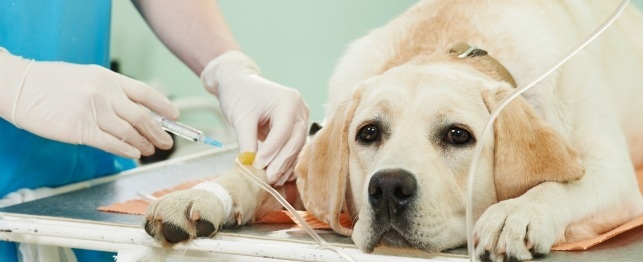 If you’ve watched a (human) family member go through chemotherapy, you know it’s usually awful. You’re probably thinking “I would never put a pet I love through that.”
Neither would I.
But chemotherapy in pets is very different than it is in people.
That’s a good thing. There are some similarities as well. Here’s some facts to help decide if chemotherapy is the best option for your dog or cat.
Different goals
First of all, chemotherapy in humans has different goals than it does in pets. That’s based on the drastically different life spans of our species as opposed to dogs and cats. With people, the goal is to get through a sucky several months, then the cancer is gone, and you can live 30 or so more years. With dogs and cats, they won’t live 30 more years no matter what we do! So the goal is not to kill the cancer dead at all costs. Instead, the focus is on quality of life.
Less aggressive medications
Because the focus is quality, not quantity, the veterinary chemotherapy protocols are often less aggressive. We want to put the cancer in remission, and give the pet a good quality of life, but the chemotherapy is not supposed to be awful. We can’t explain to our pets why they feel crummy, and most owners want their pet to feel good for every single remaining day! So most chemotherapy protocols aim to minimize side effects. Of course, we can’t predict how every single animal will respond. Yes, some animals may experience vomiting or diarrhea. The good news – if that happens, we treat it, and we alter the plan so it hopefully doesn’t happen again. In human medicine, the side effects can be awful, and the patient suffers through it and presses on, regardless. Again, the goal there is long term cure.
Side effects aren’t always what you expect
Yes, vomiting and diarrhea have the potential to happen. The main thing people ask – will his hair fall out? For most patients, that answer is NO! Why? Chemotherapy drugs attack cells in the body that are growing. In humans, our hair grows all the time. Some breeds of dog have hair like that too – malteses, poodles, shih tzus. Any dog who has to get frequent haircuts at the groomer to avoid turning into a mop. However, your boxers, goldens, labs, etc, will keep their coat. They have hair that is not constantly growing, so it is not affected. Full disclosure – we will have to shave a leg (or three) for an IV, and the chemotherapy can impede the re-growth of that hair.
Frequent monitoring
Yes, we aim for less side effects, but we still have to monitor for the side effects we can’t see. The big ones – anemia (low red blood cell count) and a low white blood cell count. Why? Again, chemotherapy drugs kill cells that are rapidly growing, and these red and white blood cells have a high turnover rater. Anemia, if severe, can make a pet feel weak and lack energy. A decrease in white blood cells has no direct symptoms, but it makes the pet more susceptible to disease (remember, white blood cells are what help fight infection – that army needs its soldiers!). So, we have to draw blood. A lot. Sometimes weekly, depending on the type of chemotherapy. We also may have to monitor other factors, such as liver and kidney function, even heart function, depending on the drugs being used!
Expense
Chemotherapy is not cheap. The good news – it’s spread out over months, so you aren’t having to pay a large sum up front like you would a major surgery. And yes, different protocols carry very different costs. Something else I remind people – it’s chemo, not a cell phone plan! You are free to stop at any time if your financial situation changes, or you decide it is just not what you want for your pet. We get it.
Risks at home
This one gets overlooked a lot, but is important. Drugs go in, they must come out! Many are excreted via the urine. So, it is important to find out what precautions to take at home. Should you wear gloves for cleaning up urine accidents? How many days before it’s out of the pet? Again, your vet can answer specifics. It’s good to have a family meeting, particularly if you have kids, prior to chemo.
Does your pet love or hate the vet visit?
I think the main thing in deciding if chemotherapy is right for your pet is your pet’s personality. Does your pet love going to the vet? Are car rides the highlight of her day? Even if he doesn’t love the vet, can he be “bribed” easily with treats? These are animals who often make fantastic chemo patients! If your pet absolutely hates everything about the car ride and the vet visit, then it might not be the best for your pet. It often can require a lot of trips, and if your pet is hating life, what’s the point of doing it?
Finally, a frank talk with your vet, or an oncology spet, should help you decide. Some cancers are wimpy and respond fantastically to chemo (some types of lymphoma and melanoma are examples)! Other cancers are not very effected by chemotherapy, and it’s more of a “hail mary.” The more likely you are to experience success and help your pet, the more appealing chemotherapy can be! It’s important to get all the facts, then decide.
Web-DVM guest blogger Dr. Karen Louis is a practicing small animal veterinarian. See more of her articles at her blog at VetChick.com
Why I Am Against Trap Neuter/Spay Release (TNR) For Feral Cats
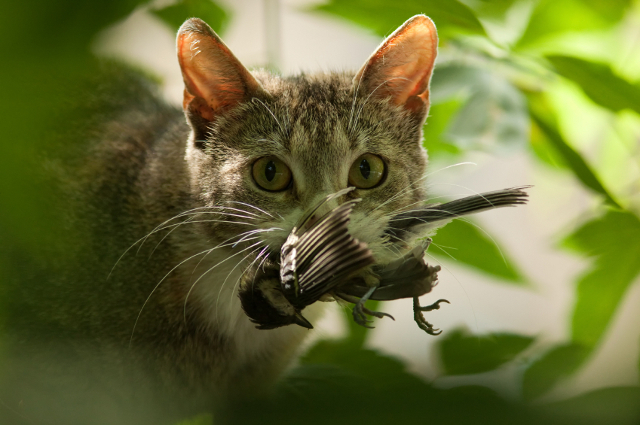
I would like to begin this article by stating unequivocally that my stance on TNR is not necessarily a negative commentary on individuals and rescue groups that promote this. Their intent is a humane one, to trap wild or feral cats that are so wild that they would not otherwise be adoptable, have them sterilized so that that do not reproduce and contribute to the feral cat overpopulation epidemic, and then release them to live out their lives; as an alternative to euthanasia. The intent to be sure is an honorable one, but it is an approach that from my opinion carries more negative consequences than benefit.
Wildlife Impact
The impact of feral cats on wildlife cannot be overstated. Feral cats are responsible for countless island species extinctions as the result of their efficient hunting for food. The Smithsonian Institute estimates that feral cats are responsible for 14% modern bird, amphibian, and small mammal extinction. As such, they have been named among the top 100 invasive species list.
The Smithsonian also estimates that 1.4-3.7 billion birds lose their lives to feline predation each year in the United States. Thus, by enabling the sustaining of feral cat populations and colonies, we are dooming countless small critters to death and even extinction.
Public Health
Feral cats cannot receive regular wellness care and parasite prevention, nor can they receive regular inoculations for rabies, a killer of domestic animals and people. A particular parasite that infects cats called the round worm can infect children 5 years of age or under and reach a stage of larval development that can migrate to their eyes and cause irreversible blindness (called ocular larval migrans). Cats notoriously defecate in children’s sand boxes and other areas of yards where children play and can come in contact with these and other parasites.
Without the benefit of preventive care, feral cats also carry ectoparasites such as fleas and ticks which also harbor infections disease, such as Bubonic Plague and Lyme disease.
Quality of Life
Do feral cats really enjoy a reasonable quality of life? The average life span of an indoor cat is 12-14 years. Compare that to feral cats whose life spans are estimated to rarely exceed 3 years. The reason for the difference is that feral cats live infested with parasites, suffer from untreated infections and painful and immune suppressive periodontal disease, and even themselves fall victim to predation (here in Florida where I live and practice, bobcats are commonly known to kill and eat domestic cats).
Speaking of bobcats, proponents of TNR often point to their and other naturally occurring wild feline populations as proof that cats can adapt and live a good quality of life in the wild. The flaw in this thinking is that truly wild cat species are the result hundreds, even thousands of years of survival of the fittest and have adapted a more intrinsic resistance to parasitism, infections, and periodontal disease, as well as more effectively evade predation.
The Colonies Often Grow
Despite aggressive and committed attempts to use TNR for control of feral feline populations, I have seen many occasions where colonies grow as opposed to shrink over time as is the intent. This is because until the legal system hold people accountable for their cats, people will continue to fail to sterilize their cats, let them out to reproduce, and sadly even outright abandon them when their novelty has run its course. With many feral cat colonies managed by people who feed them, new cats seek these easy sources of food and constantly add new members to existing colonies.
Again, I do not think poorly of people and/or rescue groups that advocate for trap, spay/neuter release programs, as their intent and their heart is thinking of a humane approach to help solve feral cat epidemics that plague many communities. From my point of view, the wildlife, public health, and poor quality of life for feral cats far outweighs any humane benefit, while in many cases propagating the problem.
Dr. Roger Welton is the President of Maybeck Animal Hospital in West Melbourne, FL, Chief Editor of the Veterinary Advice and Information Website, Web-DVM, and founder/CEO of Dr. Roger’s Holistic Veterinary Care.
Choosing the Right Heartworm Prevention Product for Your Dogs and Cats
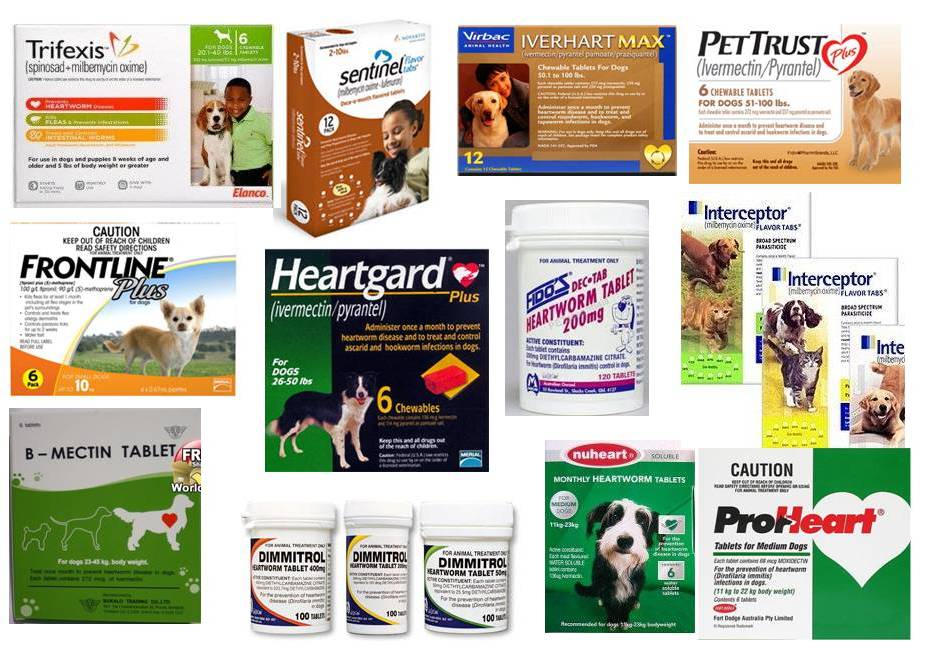 My earlier article went through every type of intestinal parasite that is treated by various American heartworm preventatives. But, which product treats what parasite? It is not simple! I color-coded the parasites for each product to make them easy to spot.
Oral Medications
Heartgard Plus
The original. The classic. There are now many other brands (generics) of the exact same thing. Flavorings and textures may vary, but this medication prevents roundworms and hookworms along with heartworm. Some generic names are Iverhart Plus and Tri-heart Plus. Basically, if it contains ivermectin and pyrantel, it’s a version of Heartgard Plus. Many companies are now making their own versions.
Original Heartgard was simply ivermectin, and prevented heartworms only. The plus indicates the addition of pyrantel, which treats the two intestinal worms. Nowadays, the vast majority of preventatives in this category are the “plus.” There is little manufacture of regular, containing ivermectin only, although it is out there.
Iverhart Max
Yep, Iverhart Plus is a generic for Heartgard Plus. The “Max” means it has an additional ingredient: praziquantel. This treats tapeworms. So Iverhart Max prevents roundworms, hookworms, and tapeworms, in addition to heartworm.
Interceptor
Instead of Ivermectin, Interceptor contains Milbemycin, which I love! It prevents heartworm, but also roundworms, hookworms, and whipworms.
Interceptor Plus
You’re realizing that all “pluses” are not created equal. Heartgard Plus and Interceptor Plus are not the same! Interceptor Plus has the addition of praziquantel, for tapeworms. So this preventative treats all four: roundworms, hookworms, whipworms, and tapeworms!
Sentinel
This is basically Interceptor (not Plus, just regular) with the addition of Lufeneron. So, yes, it prevents heartworm, roundworms, hookworms, and whipworms. The Lufeneron is a flea birth control. It basically stops flea eggs from hatching. No, it is not a flea killer! But, if your dog meets a flea, it might crawl around for a few days, but nothing more will become of it. You won’t get an infestation. For dogs who live in areas without a lot of fleas, but the owners don’t want to drop their guard totally, this is a great option.
Sentinel Spectrum
Why not call it Sentinel Plus? Well, there are quite a few “Pluses” out there already! Sentinel spectrum is Sentinel with the addition of you guessed it, praziquantel. So, in addition to the flea birth control, this preventative treats all four intestinal parasites: roundworms, hookworms, whipworms, and tapeworms!
Trifexis
What if you like the concept of Sentinel, but want a flea KILLER, not a flea birth control? Then Trifexis might be a good choice. It has the same Milbemycin as Interceptor and Sentinel. That means it treats roundworms, hookworms, and whipworms. The addition of Spinosad means it kills fleas. If a flea bites your dog, it dies. End of story.
Topical preventatives
Revolution
This is a weird one – it actually covers different parasites in dogs and cats! In dogs, it does NO intestinal parasites. Zilch. Is it all bad? No – there are good uses for it! Revolution is unique because it is a liquid that goes on the skin as opposed to an oral pill like the previous medications. Even though it does not prevent or treat any intestinal parasites, it does prevent/kill fleas, treat ear mites, and even treats sarcoptic mange! It protects against one species of tick, so I usually recommend other products for dogs needing tick protection.
In cats, Revolution is awesome! It kills fleas and ear mites, prevents heartworm and treats roundworms and hookworms!
Advantage Multi
This is another topical (liquid applied to the skin) that behaves slightly differently in dogs and cats. It does much more for dogs than Revolution. In addition to killing fleas, it treats roundworms, hookworms, and whipworms. It also treats sarcoptic mange, but is not labelled for ear mites or any tick species.
For cats, it does what Revolution does, so I love it for cats! It kills fleas and ear mites, prevents heartworm and treats roundworms and hookworms!
Injectable Preventative
Pro-heart
This is an injection given by your veterinarian that prevents heartworm for 6 months. It does nothing else. NOTHING. It was taken off the market a decade ago, then came back with limited licensure. Only a handful of vets I know even carry it. I’m sure there is a niche of pet owners who find this approach to heartworm prevention works well, so it’s not all bad. I personally never use it – I think better is out there.
So there it is – more than you ever wanted to know about which heartworm prevention product does what! Nowadays, most veterinary clinics have their own online pharmacy. If you and your veterinarian decide on a product they do not routinely stock, you can still easily get it!
Web-DVM guest blogger Dr. Karen Louis is a practicing small animal veterinarian. See more of her articles at her blog at VetChick.com

Keep your pets safe this holiday season!
The holiday season is right around the corner starting with Halloween (yes, in my home, we consider Halloween a holiday!). It is both a joyous and busy time and it can be easy to overlook certain...

Help for nervous/anxious dogs
There seems to be a growing number of excessively nervous, often skittish dogs. This can range from anxieties, such as noise or storm anxiety, anxiousness about being separated from pet parents,...
Bird flu is infecting cats and cases are rising – What you need to know!
H5N1 Avian Influenza is causing far more trouble than just just high egg prices. The bird flu has successfully jumped species now able to infect cats and people. Although the ability to infect...

Read Dr. Roger’s Latest Book!
 Be Healthy & Fit With Celebrity Trainer Steve Jordan
- The New Measure of a Life Well Lived: Why Health Span Matters More Than Longevity
- The Wealth Spark: Igniting Your Path To Abundance and Success
- Bright Line Eating with New York Times best selling author Dr. Susan Peirce Thompson
- Maximizing Your Workout Time: Efficiency Tips from Westwood Private Fitness
- How to Transform Your Dad Bod: Insights from the Fit Father Project – New Podcast Episode Out Now!