Coconut Oil – Glorious or Gimmick?
 Coconut oil has gotten some pretty incredible claims associated with it lately. Kinda like New Year’s Eve – supposed to be magic, but in reality, not all that great, and rather overpriced.
It will not treat your dog’s parvo.
It will not cure your cat’s cancer.
It is not a substitute for medical care.
No, coconut oil isn’t terrible. There is a niche of animals that truly can benefit from coconut oil!! For the majority of problems, however, there are much better options out there. Unfortunately, the majority of pets I treat are overweight or obese, making me reluctant to suggest a supplement that adds a significant amount of fat and calories. I don’t know why coconut oil seems to be getting credit for things it can’t do. It must have a really good agent.
Let’s break it down:
First thing we need to learn is which kinds of fats are beneficial. Poly-Unsaturated Fatty Acids, or PUFA’s have been popular among both physicians and veterinarians for years. The fatty acids that vets often recommend are Omega 3 and Omega 6 fatty acids, and these are both types of PUFA’s.
An example of an Omega 6 fatty acid is linoleic acid. This is considered an essential nutrient for dogs and cats, as their bodies are unable to synthesize it. However, the good news is that the typical diet fed to dogs or cats is high in omega 6 fatty acids, so we really don’t have to worry about supplementing those. Omega-6 fatty acids are found in corn oil, safflower oil, sunflower oil, palm oil, sesame oil, olive oil, and canola oil, to name a few.
The Omega 3 fatty acids we vets often recommend are DHA and EPA. These have been demonstrated in many studies across the globe to help with cardiovascular disease, arthritis, skin inflammation, kidney disease, and even brain function. They are often found in fish oil, and a related PUFA, called ALA, can be in flax seed oil as well. Veterinarians have been recommending Omega 3 fatty acids in pets for years. Several studies over the past 15 years have documented proven benefits of Omega 3 fatty acids! Sure, more are always needed, but safety and benefits have been well established.
OK, so let’s get some Omega-3 fatty acids! Since the internet seems to think coconut oil can treat so many diseases, it must have lots of Omega 3 fatty acids, right?
Nope. Coconut oil is 0% omega 3. Zilch. Nada.
So that’s a bummer. How about omega 6 fatty acids?
Well, coconut oil is 2% Linoleic acid, which is an omega 6 fatty acid.
That’s kinda lame. What on earth IS in coconut oil then?
Coconut oil contains MCT’s – Medium Chain Triglycerides. What do these do? They do not share any characteristics of PUFA’s, unfortunately. They are in a separate class altogether.
The main good thing MCT’s can do is be rapidly absorbed by the intestines. So if you have an emaciated or starved animal and want to get some calories into it, then MCT’s would be a good option. The medical indication for MCT supplementation is in animals with a specific intestinal disease (diagnosed from intestinal biopsy most often) that makes it difficult for them to absorb fat. Since the MCT’s are so well absorbed by the intestine, they are a good option for a fat that will actually get into the animal. Coconut oil is VERY high in calorie, and if fed on a regular basis, will cause weight gain if calories are not cut elsewhere. However, if you’re using it to treat an underfed or underweight animal, then this is less of a concern.
So yes, coconut oil has a valid use, and an important one! Thing is, most people’s pets are not underweight, malnourished, or have intestinal disease. In fact, most pets are overweight, and the additional fat and calories from coconut oil just makes the problem worse.
The bad news – coconut oil can also irritate the pancreas in some pets! Portions must be controlled and accurately measured. If a pet is prone to pancreatitis, I would never consider giving it coconut oil! This goes for all miniature schnauzers as well. That breed is the poster child for pancreatitis, so don’t chance it. In cats, coconut oil dosed inappropriately can cause fatty liver disease. Coconut oil can also cause flatulence, bloating, and diarrhea if given in larger-than- needed quantities. And a little goes a long way! This is not something to just feed your pet willy nilly!
OK, so maybe feeding coconut oil to your (healthy or overweight) pet isn’t really all that great. How about using it topically (rubbing it on their skin)?
Currently, there are no well designed published studies touting the effects of coconut oil as a topical moisturizer, anti-bacterial, what have you. That’s not to say it’s BAD for your pet. It is greasy, and I personally wouldn’t want to slather my dog and then have him climb into bed with me. Maybe I’m just a diva.
Some veterinarians who practice Traditional Chinese Medicine are beginning to use coconut oil topically. These veterinarians often recommend oral fish oil (back to those omega 3’s!) for itchy skin, but have used coconut oil on the skin with some success. Other holistic veterinarians are using coconut oil orally for gastro-intestinal upset in animals who have not been diagnosed with intestinal disease (yet). The ones I talked to emphasized SMALL amounts and easing them in gradually, monitoring how well they tolerate it. For this reason, I would only suggest feeding coconut oil under the advice of a veterinarian, and one trained in Traditional Chinese medicine.
So is coconut oil all bad? Not at all! There is a valid place for it, just like everything else. And yes, some holistic vets are using it and learning as they go! However, given the obesity epidemic we’re seeing in our pets, offering an oral fat supplement with questionable benefits and almost guaranteed weight gain does not make a lot of sense for the majority of animals. For an underweight animal, coconut oil could be a great addition to the diet when used correctly.
Its use as a topical treatment for some skin diseases is still being explored by holistic veterinarians. Most say it is harmless when used that way, and we’re hopeful some actual well-designed studies will come out describing any proven benefits. So again, coconut oil on the skin is not bad! It’s just that, right now, better treatments are out there in terms of proven efficacy.
Bottom line – Omega 3 fatty acids can do a LOT more for the average American pet than MCT’s can. So pass on the coconut oil for now and bust out some fish oil!
Web-DVM guest blogger Dr. Karen Louis is a practicing small animal veterinarian. See more of her articles at her blog at VetChick.com.
Why Do a Food Trial For Dogs and Cats? How is a Food Trial Effectively Done?
 Your vet might have suggested a food trial for a couple reasons. (photocredit: http://www.bobandlush.com/dog-allergies)
If your dog has chronic ear infections and/or an itchy rear end, an allergy to food is top of the suspect list.
If your cat has itchy spots, pulls out her hair, or has scabby areas, it could be her food she’s allergic to.
Unfortunately, there is no test that is reliable for food allergies. We can send a robot to Mars and drive it around, but we can’t develop a way to diagnose food allergies in pets that’s any better than the good ol’ food trial. Bummer.
I often call it “food trial & error” because that’s more or less what it is! The theory is we are eliminating any food the pet can have a reaction to for 2-3 months. If the pets improves (less itchy, less infections, etc) during these months, then we know he or she was allergic to the food. But then what? We do what’s called a “challenge” where we offer a food the pet has not eaten at all during the food trial, and if the ears or skin flare up again, we know that is the problem! Very low tech and simple, but NOT easy.
Food trials are hard. Really hard. It sure sounds simple, but if you’ve lived one, you know it’s tricky.
For two-three months your pet must eat only the prescription food. And yes, it ideally needs to be prescription. What pets are most often allergic to is the protein (beef, chicken, liver) or carbohydrate (rice, rarely corn) source in the food.
Simply changing brands will not change the allergens.
Switching to holistic or organic does not make it hypo-allergenic.
Think of the kid with a life-threatening peanut allergy. Can he eat an organic peanut? No way! A peanut is a peanut! And does he need to eat a handful of peanuts? Nope – one can be enough to send him to the ER!
Pets with food allergies might not go to the ER, but that all-or-nothing concept is the same. They need to eat a protein and a carbohydrate source their body has never seen. If they’ve never seen it, they can’t be allergic to it. The common proteins used in food trials are duck, venison, whitefish, and rabbit, and the common carbohydrates are potato, yam, and green pea. Nothing else.
Over-the-counter foods may list these same ingredients, but they are not LIMITED ingredients. Some will have chicken fat, poultry by-product, etc on the label! Obviously not a single protein food! Others will not have it on the label, but the other protein and carbohydrate sources still make it into the food. Often these foods are manufactured in facilities where lamb food is made one day, beef the next, and then the salmon food you want to buy. Guess what – the equipment does not get cleaned all that well between batches. One study showed 40% of OTC dog and cat foods contained protein sources that were NOT on the label! (Here’s a link to the study if you want to check it out.)
OK, so you’ve bucked up for the prescription food. We now have to think about everything else that goes through your pet’s mouth. Cats are much easier, as they don’t chew like dogs do, and are less accustomed to treats. However, if you have multiple cats, don’t think for a second you can leave the “regular” food down for your other cats and the problem child on the special food won’t eat it. Sometimes we’ll put every cat in the house on prescription food, just to make sure there’s no tomfoolery.
It only takes ONE bite of non-prescription food to trigger an allergic reaction. And it brings your food trial back to Day 1. You thought you were on day 20. Not any more!
(Think back to the peanut analogy).
Dogs are harder. What heartworm preventative do you give every month? Guess what – those are a protein source, and they absolutely can trigger an allergic reaction! I suggest topical heartworm preventatives during the food trial, like Revolution or Advantage Multi. Both are liquids applied to the skin – nothing going through the mouth.
What about his flavored chew toys? Yep, those get picked up too. His treat for when he potties? Nope, need to find a replacement! Rawhide chews or dental chews are all out for the next couple months as well. Life for a dog on a food trial can be downright lame for a few months.
Most prescription foods come in both dry and canned. Some people use the canned version as treats during the food trial. It’s also a good way to give medications (what WERE you using??) Others will offer veggies. For instance, if your pet is on a duck and green pea diet, then you may want to try peas (fresh or frozen) as treats. Again, a pea is a pea, so those would be safe during a food trial.
Hopefully, if you’ve successfully kept your dog out of the trash, and kept gramma from slipping the cat a treat when she comes, your pet’s condition should begin to noticeably improve. This is what makes it worth it! No more ear infections! No more spinning on the carpet! No more watching your cat pull her hair out!
Some people, if their pet IS food allergic and they experience drastic relief, are afraid to rock the boat. I get it! Others would like to have their dog get his favorite dental chew. Once you and your vet decide the food trial is over, and your pet is feeling better, then you can “challenge” them. Give them that dental treat. If your dog’s ears smell or other symptoms return over the next day or so, you’ll know!
What if you did everything right? Your pet got NOTHING except the prescription food. You interrogated the kids and no one broke. Yet, your pet is not better. Here’s the bummer: 20% of food trials fail on the first attempt, because even though the food should be hypo-allergenic, the pet found a way to react. So yes, sometimes we’ll have to start over with a different food. A second food trial – lucky you!
But don’t abandon hope! If your pet truly is food allergic, getting him on a diet that doesn’t cause him to itch 24/7 is the most loving thing you can do for him. So tough it out – it’s worth it!
Even if he swears he’s abused because he doesn’t get his favorite rawhide any more.
Hopefully this is temporary. And if that rawhide ends up being the cause of his discomfort and infections, it’s not worth it anyway! We can find a substitute!
Web-DVM guest blogger Dr. Karen Louis is a practicing small animal veterinarian. See more of her articles at her blog at VetChick.com.
Despite Dire Warnings of From Veterinarians, Americans Are Still Largely Resistant to Pet Insurance (Final Thoughts 2015 Continued)
Once again, my previous topic conveniently segues into this troubling reality of the state of the veterinary industry in 2015. As stated in my last post, the costs of veterinary services are at an all-time high and they are poised to continue to increase each year. At the same time, the average pet owner’s earning potentially is not keeping pace. Most wages have only increased marginally or even remained static in the past 5 years, another trend that does not seem poised to change in the foreseeable future. At some point, the industry is going to reach an impasse, where veterinarians having to keep up with ever increasing costs of business cannot put a cap on costs of services, while average pet owners will be unable to pay for services due to personal earning potential not keeping pace.
In the past I have called this divergence of quality medicine with the ability of the average pet owner to afford it, the Veterinary Critical Mass. Not an economic expert, I do not know when this will occur, but I do believe it is imminent. If and when it does occur, I have dire concerns for both veterinarians and pet owners alike.
One solution to this problem is to either have a separate pet health savings account that a certain percentage of house hold income is allocated to – generally $50 per month per pet is adequate. The drawback to this approach is that even the most disciplined people may lack the ability to refuse the temptation to tap into such a savings account during certain times, such as when a big unexpected may arise or an irresistible investment opportunity arises.
The most realistic and reliable solution to the problem is quality pet insurance, but American pet owners continue to be incredibly resistant to the concept despite the recommendations of veterinarians to carry it. In Canada and Europe, it is estimated that 60% of pet owners carry pet insurance for their pets. The result is an overall quality of veterinary medicine that rivals that of the U.S., but far less frustration on the part of both veterinarians and pet owners alike; for veterinarians because more often than not may practice the highest level of medicine possible without cost getting in the way of what must be done, for pet owners that may attain the best possible veterinary medical services for their pets because pet insurance enables them to afford it.
In sharp contrast, only 3% of US pet owners carry pet insurance for their pets. I have not actually learned of any consumer studies that explain these discrepancies, but my theory is that many Americans carry a foul taste in their mouths for health insurance from their own broken health care/insurance industry, that the idea of having it for their pets is not a very inviting one. For Canadians and Europeans that have nationalized health care and therefore no experience with private insurance companies, perhaps the idea of insurance for their pets does not have such a stigma as it does for us.
Whatever the cause for the aversion to pet insurance, Americans need to get over it and protect themselves from one day having to put a monetary value on their beloved furry family member when it comes to affording life sustaining veterinary health care. To protect yourselves from bad companies, be certain to read online reviews, find out if there is a parent company (such as a human health insurance company) with a history of not operating in the consumer’s best interests. Ask your veterinarian, as many vets get feedback regarding the quality of pet insurance that pet owners carry.
Thank you for another great year of listening to my podcast, reading my blog, and relying on my website pet information and correspondence. Happy New Year to all!
Dr. Roger Welton is the President of Maybeck Animal Hospital in West Melbourne, FL, Chief Editor of the Veterinary Advice and Information Website, Web-DVM, and founder/CEO of Dr. Roger’s Holistic Veterinary Care.
The Veterinary Pharmacy Is Dying – So Veterinary Services Are Increasing (Final Thoughts 2015 Continued)
My previous page segues nicely into the next trend 2015 has seen continue, and that is that pet owners seeking discounted pet medications with more abundant retailers available to fill that demand are winning. Truthfully, this was once a very profitable aspect of veterinary clinics that helped to keep the cost of services very low in contrast to comparable health services offered in human medicine. The cost of doing business (state and local taxes, insurance, equipment purchases, equipment service contracts, wage increases, etc.) ranges from 4%-6% each year, yet there was a time early in my career when the veterinary pharmacy was able to soften the impact of these increases and still offer services that were very affordable.
With the loss of the veterinary pharmacy, there is now little buffer to absorb increases in the cost of doing business. With very high overhead expenses that devour 80 cents of every dollar of revenue brought in (and that is only the most efficiently run veterinary hospitals) that increase yearly at a rate of 4% – 6%, in order to stay in business, stated increases must be passed on the cost of services.
Thus, while clients may be able to enjoy their discounted pet medications purchased online, the trade-off is that they now pay a lot more for surgical procedures and other medical services, which are likely poised to increase 4%-6% each year for the foreseeable future. Seeing the big picture, the veterinarians’ perspective is that it would be better to have it the other way around: to pay a few more dollars for routine preventive medications bought from the brick and mortar veterinary pharmacy, but pay less for life sustaining health services, such as diagnostics, hospitalization and surgery. While veterinarians initially pushed back against this trend, we quickly realized that we were powerless to stop it; with pockets not deep enough to counter the large retailer’s massive marketing campaigns, and a population of pet owners that love finding deals online.
Trifexis and Convenia Mass Hysteria Is Losing Steam (Final Thoughts 2015 Continued)
It seems that as this year has progressed, the smear campaigns of the heartworm and flea preventive, Trifexis, and long acting injectable antibiotic, Convenia, based on emotion, sensationalism, and not science; have died down. Thankfully, with the exception of the minority of conspiracy devotees that will remain steadfastly unconvinced that veterinarians are complicit in a big cover-up of the mortal dangers of these medications to your pets in order to protect Big Pharma and our own profits; good sense and openness to real scientific evidence is winning the misinformation battle.
I find myself no longer having to waste precious lexam room time citing studies and my own in-hospital statistics to refute misinformation that pet owners have gotten online or through social media. The truth is that veterinarians like Convenia simply because it ensures 100% compliance with treatment of infections, overcoming barriers to compliance, such as ability to medicate pets (cats and toy breed dogs can be especially difficult to orally medicate) or owners not completing an antibiotic course seeing an improvement and wanting to save the rest to avoid paying for a veterinary visit the next time an infection may arise.
With regard to Trifexis and other preventives like it, the margin on these medications in the age of an enormous online pet medication retailers that no small business can compete with, is very poor. I could not care less if I sell a box of Trifexis or write a prescription for it. The veterinary brick and mortar pharmacy is increasingly less profitable and is thus shrinking across the board in veterinary clinics and hospitals. It make no sense for us to defend Trifexis over profit or protection of a veterinary pharmaceutical industry that tries to convince us to sell their products, then sell it at a huge bulk discounted rate to large retailers to whom we write a prescription for our clients to go buy it.
Final Thoughts 2015 (From the Veterinary & Pet Perspective)
 I like to do a year end wrap up podcast every year that I call “Final Thoughts 2—,” a tradition I started in 2010. This year, with the epic increase in my blog readership that now exceeds my podcast listenership, I have decided to extend the tradition to the blog as well. For those of you that prefer to listen rather than read, the podcast of this content is embedded above. (photocredit: http://aidforanimals.tumblr.com/)
Thank You!
I have no one else to thank for being blessed with so many readers and followers other than you, the audience. I started this blog in 2007 because I have the combination of a passion for my work, an overactive brain, and enjoy all forms of media to share my passion and hopefully help a few pets and the people who love them. Never did I envision that this website and blog would swell to 5000 unique visits a day, over 2000 likes on our Facebook page, and just under 4000 followers of our Twitter feed!
I state from the bottom of my heart, thanks to all who take the time to visit, read, listen, and share my passion!
Since search engines do not like blog posts of more than 400-600 words, this article had to be segmented across a few separate posts, so please click the link below to read on…
Trifexis and Convenia Mass Hysteria Is Losing Steam (Final Thoughts 2015 Continued)
Use peanut butter to give your dog meds? Read the label!
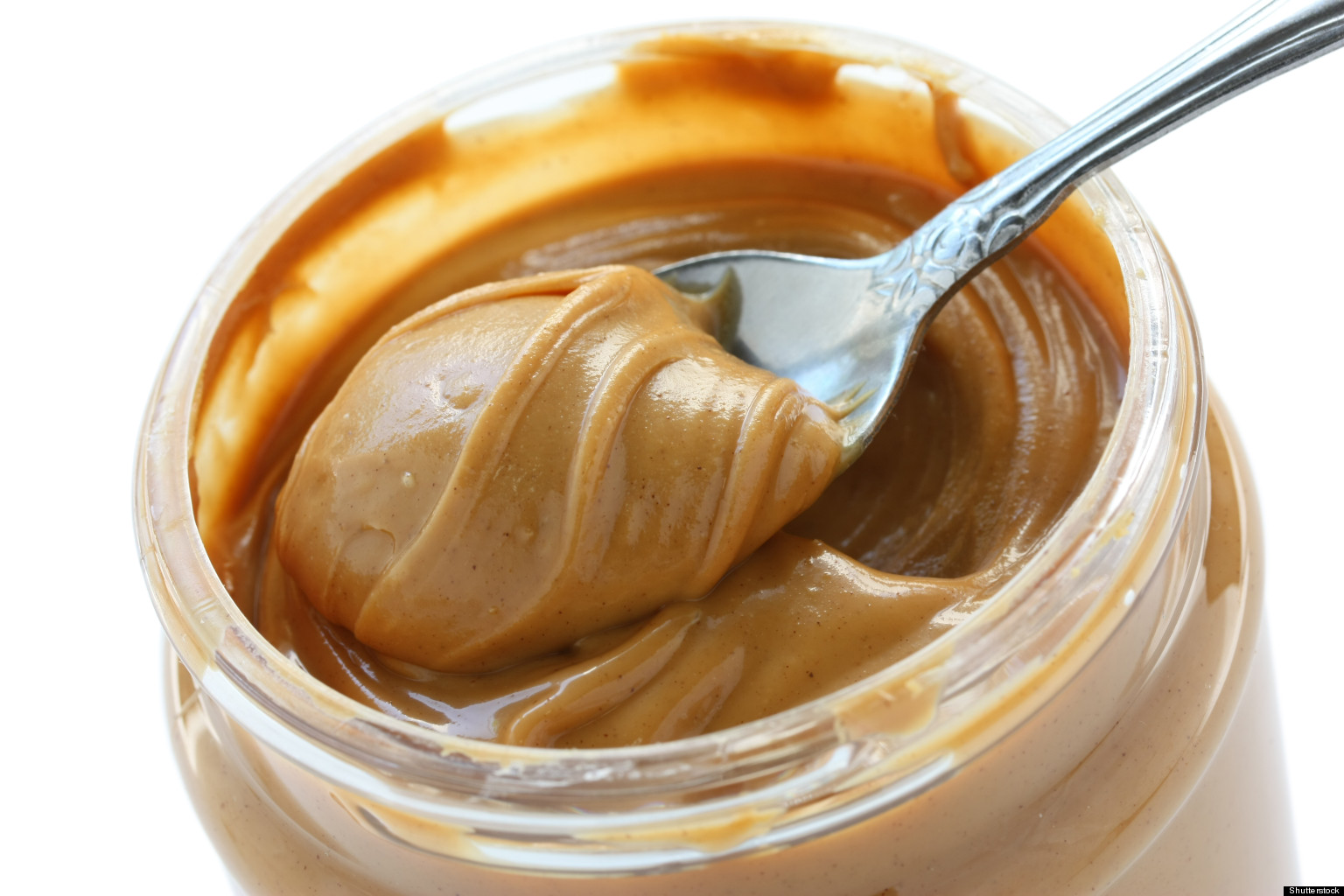 Lots of us use peanut butter to hide medications for our dog. A new trend is starting with some niche-brand, “natural” type peanut butters. The larger national brands, such as Jif, Skippy, and Peter Pan, as well as the store-brand generics, are unaffected. It’s the smaller brands that have begun adding a sweetener called xylitol. This is a safe, no-calorie sweetener for people, but is highly poisonous to dogs! Xylitol causes dogs to experience very low blood sugar, to the point of seizures and coma. It also injures the liver and kidneys. It is actually more toxic than chocolate!
Before you buy peanut butter, check the label. Even if you don’t see “xylitol” on the label, check for the following synonyms: 1,4-anhydro-d-xylitol, Anhydroxylitol, birch bark extract, birch sugar, d-xylitol, xylite, xylitylglucoside, and Zylatol.
The brand names that currently contain xylitol (and this is subject to change, which is why label-reading is important!) are:
Go Nuts, Hank’s Protein Plus Peanut Butter, Krush Nutrition, Nuts ‘n More, and P28.
Web-DVM guest blogger Dr. Karen Louis is a practicing small animal veterinarian. See more of her articles at her blog at VetChick.com.
Keeping your pet safe over the holidays – might not be what you think!
 This time of year presents unique hazards to pets.
Some are real.
Some are overblown.
Some no one really ever talks about!
When do you cancel the party and rush to the emergency vet?
When do you clean up the mess, and move on?
(photo credit: http://blog.petfirst.com/PetfirstBlog/index.php/2015/11/20/tis-season-board-pet/)
Here’s my top 8 holiday “Potential toxins.” Red means this is a hazard that is real while green means it’s not a big deal.
1-STRESS affects your pet too! This I think is over-rated in people, but under-acknowledged in pets. For some cats, rearranging the furniture for the Christmas tree really rocks their world. I have a few patients who have a herpes flare-up every year at this time, and we suspect this to be a large factor. New people coming to the house that may not be pet savvy can be taxing for everyone as well. Try to keep as much of your routine as you can. One huge help – make sure your pet has a place that is easy to access that is peaceful and off-limits to all guests.
2 -Poinsettia plants will not kill your cat dead! OK, if they eat the entire plant, and the soil, and the pot, that could be deadly due to the physical bulk of their intestines trying to pass all that junk. In reality though, poinsettia is not a toxin. It is an irritant, so if your cat(or your dog) munches on a leaf, he or she will find the most recently cleaned piece of furniture in your house and vomit there. Clean it up and move on…..and maybe move the plant a little more out of reach just so you don’t have to clean up more vomit.
3 – Tinsel CAN kill your cat! Thankfully, it’s also become more passe. Really, taking the tree down and systematically removing every piece of tinsel is just way too involved. Your cat sure thinks it’s fun. It’s shiny and resembles the string you often encourage him to play with. Unfortunately, intestines and tinsel don’t get along, and the tinsel can cause intestines to bunch up (we can it accordion-ing) and requires surgical removal. Not a fun way to spend $2,000 around the holidays.
4- Oreos – are they really chocolate? Nah. The cookies themselves contain negligible amounts of methylxanthines, the toxins found in chocolate that is so dangerous in dogs. So if you drop half your oreo on the floor and your dog snarfs it, 99% of dogs will have no issue. There’s always that 1% with super sensitive tummies that ANY people food upsets, but you know if your dog is that dog!
5 – Speaking of “fake” chocolate – white chocolate is not toxic. It contains NO methylxanthines, so no poisons. Yet, it is some pretty rich stuff, so I wouldn’t encourage my pet to eat a bunch. You might get some gastrointestinal distress later, and no one likes cleaning that up.
6 – Macadamia nuts often go with white chocolate. Why is everyone too busy giving poinsettias the bad rap, and no one talks about this? Macadamia nuts can cause neurologic problems in dogs. If they eat a bowl of them, a small dog can experience paralysis! So these are a big deal. If your dog eats a significant amount (obviously, bigger dogs can eat more than tiny dogs) that is worth going to the emergency clinic.
7 – Sugar free candy and gum can kill! Again, this one is only starting to get the press it deserves. Xylitol and its related sweeteners can cause low blood sugar and liver failure in dogs. This can be fatal if not treated aggressively. If your dog is caught munching on something in question, get the label (or remember the brand name if the package went down with the gum) and call the emergency clinic. (See the peanut butter article on the top for the list of synonyms that can appear on the label). If in doubt, just get there! Xylitol is more deadly than chocolate!
8 – Uncooked bread dough can be deadly! The stomach acts as an incubator, causing the yeast to ferment. As the bread “rises” in the stomach, it becomes too large to vomit back up. More importantly, think about what we use fermented yeast for: alcohol! So along with the distended stomach, which may compress blood vessels (very bad – similar to bloat) we also have a pet undergoing alcohol poisoning. It is survivable with aggressive treatment, but immediate hospitalization and critical care are required. Your best bet – keep anything with active yeast away from your pet!
Web-DVM guest blogger Dr. Karen Louis is a practicing small animal veterinarian. See more of her articles at her blog at VetChick.com.
10 Amazing Facts About Dogs
Dogs are truly amazing, fun, and delightfully quirky animals! View my slide show to learn 10 incredible facts about dogs that you probably never knew!
CLICK HERE TO BEGIN SLIDE SHOW!
Does Your Dog Need a Sweater?
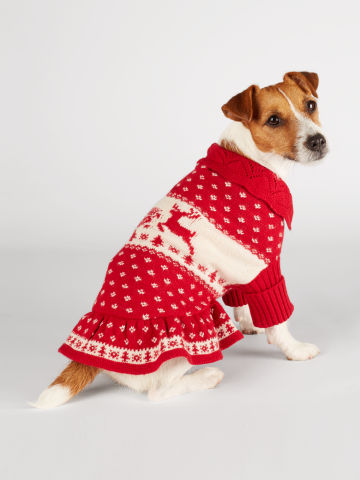 Sure, sweaters can be froo froo and cute. But honestly, some dogs truly need them!
(photo credit: http://www.petinsurance.com/)
Let’s face it, it’s cold. On a particularly slow news day, that gets repeated multiple times. Our big dogs with thick coats love this weather! We can’t get them to come in, especially when there’s snow!
Our little dogs, however, are hating life.
Three things affect small dogs’ ability to stay warm: haircoat, surface area, and location. Many small breed dogs lack thick undercoats despite having long hair. We see a lot of fur and assume they are warm. But think about how easy it is to see the skin on, say, a maltese. The copious hair doesn’t do much for warmth without an undercoat. It’s all just for show.
They also tend to have a greater surface area in relation to their body mass than big dogs. Larger surface area means more heat dissipation (heat leaving the body). So while a 10 lb dog can generate heat to stay warm as well as a 50 lb dog, the heat just escapes, as opposed to staying in the dog! Combine that with a minimal undercoat, and you have one chilly dog!
Third, your small dog is lower to the ground. If you don’t regularly, lie down on the floor by where your dog hangs out. Is it drafty? Is the wall nearby cold? If you have laminate or tile floor, feel how cold that gets! Does he or she hang out by a heater vent? (Hmmm, why is that!!?)
Sweaters and jackets are not necessarily a fashion statement, but are functional. Finding one that can fit your dog and does not rub the arms or neck can be a project! Measure your dog around the chest, just behind the arms, and then the length from the collar to where the tail starts. Then accept the fact that many sweater packages and website listings are less than accurate. This will take some trial and error. The most imporant measurement is the chest circumference, so if you have to look at just one, go with that.
I can’t tell you how many sweaters I’ve bought and returned. Seriously. I think Petsmart is going to post my photo by the door pretty soon saying “Do not let this woman in!”
In all seriousness, don’t wait to see your dog shiver to realize he or she is cold. How often are you cold and uncomfortable, but not to the point of shivering? Yeah, that’s where your small dog is most of the time these days. If you have a small dog, try a sweater, jacket, or sweatshirt. Even if it takes a few tries.
They’ll thank you for it.
Most of the time.
Some dogs experience what I call “sweater paralysis.” While wearing a sweater or jacket, they find themselves unable to move. How to get your dog to adjust to wearing a sweater or coat?
First, let them sniff it and get used to it. Maybe even put it in their bed and let them snuggle it to sleep.
Then, when you put it on, keep it positive! Put it on, give a super special treat, then remove it. Do this again a couple hours later. If you put the sweater on and your dog acts like nothing has changed, you’re set! If your dog is refusing to walk and sulking, then you”ll have to slowly increase the time (and treats) while he is wearing it. Does your dog live for bye-bye or walks? Try a short car ride or walk while wearing it to take their mind off of it! Sometimes all they need is a little distraction, and to realize that hey, this is not a bad thing!
Web-DVM guest blogger Dr. Karen Louis is a practicing small animal veterinarian. See more of her articles at her blog at VetChick.com.

Keep your pets safe this holiday season!
The holiday season is right around the corner starting with Halloween (yes, in my home, we consider Halloween a holiday!). It is both a joyous and busy time and it can be easy to overlook certain...

Help for nervous/anxious dogs
There seems to be a growing number of excessively nervous, often skittish dogs. This can range from anxieties, such as noise or storm anxiety, anxiousness about being separated from pet parents,...
Bird flu is infecting cats and cases are rising – What you need to know!
H5N1 Avian Influenza is causing far more trouble than just just high egg prices. The bird flu has successfully jumped species now able to infect cats and people. Although the ability to infect...

Read Dr. Roger’s Latest Book!
 Be Healthy & Fit With Celebrity Trainer Steve Jordan
- The New Measure of a Life Well Lived: Why Health Span Matters More Than Longevity
- The Wealth Spark: Igniting Your Path To Abundance and Success
- Bright Line Eating with New York Times best selling author Dr. Susan Peirce Thompson
- Maximizing Your Workout Time: Efficiency Tips from Westwood Private Fitness
- How to Transform Your Dad Bod: Insights from the Fit Father Project – New Podcast Episode Out Now!