Powerful Anti-Oxidant Astaxanthin for Dogs and Cats for Prevention and Disease Management
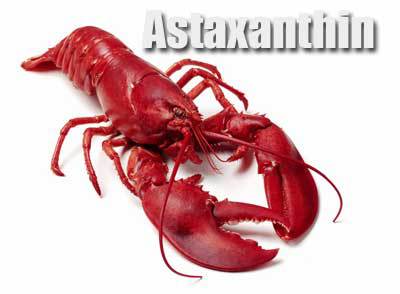 Astaxanthin is a reddish pigment that belongs to a group of compounds called carotenoids. It is naturally occurring in certain algae and is responsible for the red color found in lobster, shrimp, salmon, trout, and other seafood (photocredit: http://jarretmorrow.com). A powerful anti-oxidant, with anti-oxidant strength up to 6000 times more potent than Vitamin C, it is used in human medicine for treatment of Alzheimer’s Disease, high cholesterol, stroke, adjunctive therapy for cancer, cancer prevention, and an eye condition known as macular degeneration (source http://web-md.com).In dogs and cats, astaxanthin can be applied as a nutraceutical supplement for autoimmune disease, arthritis, allergies, adjunctive therapy for cancer, cancer prevention, cognitive dysfunction, and many other conditions that result in inflammation and tissue damage from free radical formation. Dosed properly, there are virtually no negative side effects associated with astaxanthin.Like any other nutritional supplements, extraction and processing for gastrointestinal absorption is key to the integrity and subsequent efficacy of astaxanthin. Nutritional supplements are not regulated by the FDA, which leads to the availability of a lot of bogus product in the industry. Therefore, be certain to obtain this and any other nutritional supplement through reputable, ideally pharmaceutical grade sources. For example, it is a key ingredient in my animal hospital’s anti-arthritis canine joint chews, which I recommend dogs starting by age 3.
Relatively new to the nutraceutical industry, the health benefits of astaxanthin that we are currently aware of are just the tip of the iceberg. As a practitioner of integrative veterinary medicine, I am very excited about ongoing research to discover new and innovative ways to manage disease with this naturally occurring and virtually side effect free anti-oxidant.

Keep your pets safe this holiday season!
The holiday season is right around the corner starting with Halloween (yes, in my home, we consider Halloween a holiday!). It is both a joyous and busy time and it can be easy to overlook certain...

Help for nervous/anxious dogs
There seems to be a growing number of excessively nervous, often skittish dogs. This can range from anxieties, such as noise or storm anxiety, anxiousness about being separated from pet parents,...
Bird flu is infecting cats and cases are rising – What you need to know!
H5N1 Avian Influenza is causing far more trouble than just just high egg prices. The bird flu has successfully jumped species now able to infect cats and people. Although the ability to infect...

Read Dr. Roger’s Latest Book!
 Be Healthy & Fit With Celebrity Trainer Steve Jordan
- The New Measure of a Life Well Lived: Why Health Span Matters More Than Longevity
- The Wealth Spark: Igniting Your Path To Abundance and Success
- Bright Line Eating with New York Times best selling author Dr. Susan Peirce Thompson
- Maximizing Your Workout Time: Efficiency Tips from Westwood Private Fitness
- How to Transform Your Dad Bod: Insights from the Fit Father Project – New Podcast Episode Out Now!