Top 5 2018 Pet Resolutions

As I have done at the beginning of every New Year since the inception of this blog, below are my suggested top 5 pet resolutions for 2018. I am sure you have been waiting all year for this!
5.) Get Pet Insurance!
For as long as I can remember in the veterinary profession, the costs of doing business increase at a rate of 5%-6% each year, nearly doubling the pace of annual inflation rates. These costs include medical supplies, pharmaceuticals, prescription food, surgical supplies, reference labs, facility expenses, network contracts, medical hardware and software contracts, bio-hazard waste disposal, employee health benefits, regulatory fees…I could go on here, but you get the point.
As small businesses and lacking the leverage that large corporations have to keep business costs in check, veterinary hospitals and clinics must pass these cost increases on to the client or risk running the business into the ground. This is not poised to change for the foreseeable future, leading the pet health industry ever closer to a reality where average pet owners whose salaries do not even keep pace with inflation will find quality veterinary care unaffordable; what I have in the past termed: The Veterinary Critical Mass.
Related: Preparing For Your Pet’s Health Care for the Veterinary Critical Mass
Good quality pet insurance is the best defense against situations where a family must make the agonizing decision to put a dollar value on their pet when he/she may be severely sick or injured and in need of life sustaining veterinary medical or surgical intervention. Pet insurance is the best way to ensure that pet ownership does not get relegated to only the wealthy.
Pet already have a preexisting condition? Still get it! There is plenty more than just one or a few conditions that can possibly afflict your pet so in my opinion, it is never too late to secure pet insurance.
4.) Administer Parasite Prevention!
Whether external parasites like fleas, ticks, and mites, or internal parasites like intestinal worms, heart worms, and blood parasites, if a pet owner is not engaging in regular parasite prevention for both, it is not a question of if your pet will contract a parasite infestation, but a question of when. In the case of external parasites, they commonly lead to discomfort through feeding on the blood of their canine or feline hosts, while putting their human family at risk for collateral injury and in home infestations.
These parasites also have the potential to transmit disease to their pet hosts, such as Lyme Disease, Anaplasmosis, and Bubonic Plague (yes, THAT Plague), and Bartonella (cat scratch fever) to name a few. Likewise, for some of these diseases in homes where external parasites may exist in large numbers, the human family can also be susceptible to transmission of these disease.
Internal parasites directly infect their hosts to make them sick. Certain types of intestinal worm parasites have the potential to infect people, especially those that are very young, very old, or immune compromised.
Parasite prevention protects not only the family pet, but the human family as well!
3.) Engage In Preventative Health Screening!
A yearly visit performed properly is so much more than just “the shots.” In addition to updating immunizations and parasite screening, a thorough physical examination can be crucial in identifying disease in its early stages when it is most treatable. In addition to physical examination, yearly preventative bloodwork is also advisable to catch internal disease that may not be evident on physical examination as early as possible. Early intervention is often pivotal in disease management and can mean the difference of having your pet around for months, even many years longer.
I advise starting yearly bloodwork at 5 years of age for any pet. And don’t get upset if it keeps coming back normal year in and year out. That is good news!
2.) Embrace Dental Care When Your Veterinarian Recommends It!
The number one most common chronic disease in pets is dental disease. Dental disease leads to chronic stress from pain that often goes unnoticed by pet owners. Dental disease suppresses the immune system through stress from pain and chronic infection of the mouth. Living with dental disease for an extended period of time predisposes dogs and cats to chronic kidney failure, the number one killer of cats and number two killer of dogs.
Do you find that dental cleaning too expensive? You are not alone, as that is the most common reason for pet owner resistance when we recommend dental cleanings. My answer is always this: I understand that there is a level of investment on your part to get this done, but if you keep waiting it will get a heck of a lot more expensive as your pet’s teeth and gums rot to the point that I must perform extensive oral surgery to extract teeth (not to mention that expensive prescription kidney diet he will need to eat because all of the years of living with dental disease destroyed his kidneys).
1.) Stop Feeding Grain Free!!!
This is one of the biggest gimmicks that American pet owners have ever fallen for hook, line, and sinker. This scenario happens at least daily in practice.
A dog comes in for a yearly visit and literally waddles in because he is so obese. After a through physical examination, below is our exchange.
Me: My first major concern here is your dog’s excessive weight.
Client: I know, I don’t understand, I feed him the best food money can buy.
Me: And what food is that?
Client: It is that [insert gimmicky diet du jour] that is grain free and all natural.
The truth about grain free pet foods is that the most impressive thing about them is their marketing department! Whether it is some pet store clerk talking up a diet that is the best new thing because the manufacturer’s rep just visited the store and told him so, or there is a prime time grain free pet food commercial with wolves in it; these grain free pet food companies have done a great job of convincing a large number of people to feed this stuff to their pets with zero evidence of its purported health benefits (reputable diets have scientific data to back their claims based on actual feeding trials). You gotta give them some credit!
Related: The Grain Free Pet Food Fallacy
Grain free pet foods make dogs fatter and less healthy because to compensate for the lack of grains, something has to give the diet its consistency and appealing taste: sugar. Sure, great alternative to grains! And calling it natural? Please! Anything in kibble form is hardly natural! How does anybody fall for that??
Happy New Year everyone!
Dr. Roger Welton is a practicing veterinarian and well regarded media personality throughout a number of subjects and platforms. In addition to being passionate about integrative veterinary medicine for which he is a nationally renowned expert, Dr. Welton was also an accomplished college lacrosse player and remains to this day very involved in the sport. He is president of Maybeck Animal Hospital , runs the successful veterinary/animal health blogs Web-DVM and Dr. Roger’s Holistic Veterinary Care, and fulfills his passion for lacrosse through his lacrosse and sport blog, The Creator’s Game.
Hemorrhagic Gastroenteritis (HGE) A Common & Sometimes Life Threatening Disease In Dogs
Here’s one disease that really freaks dog owners out. It can be mild, but some severe cases can be life-threatening, so it’s good to know what’s going on.
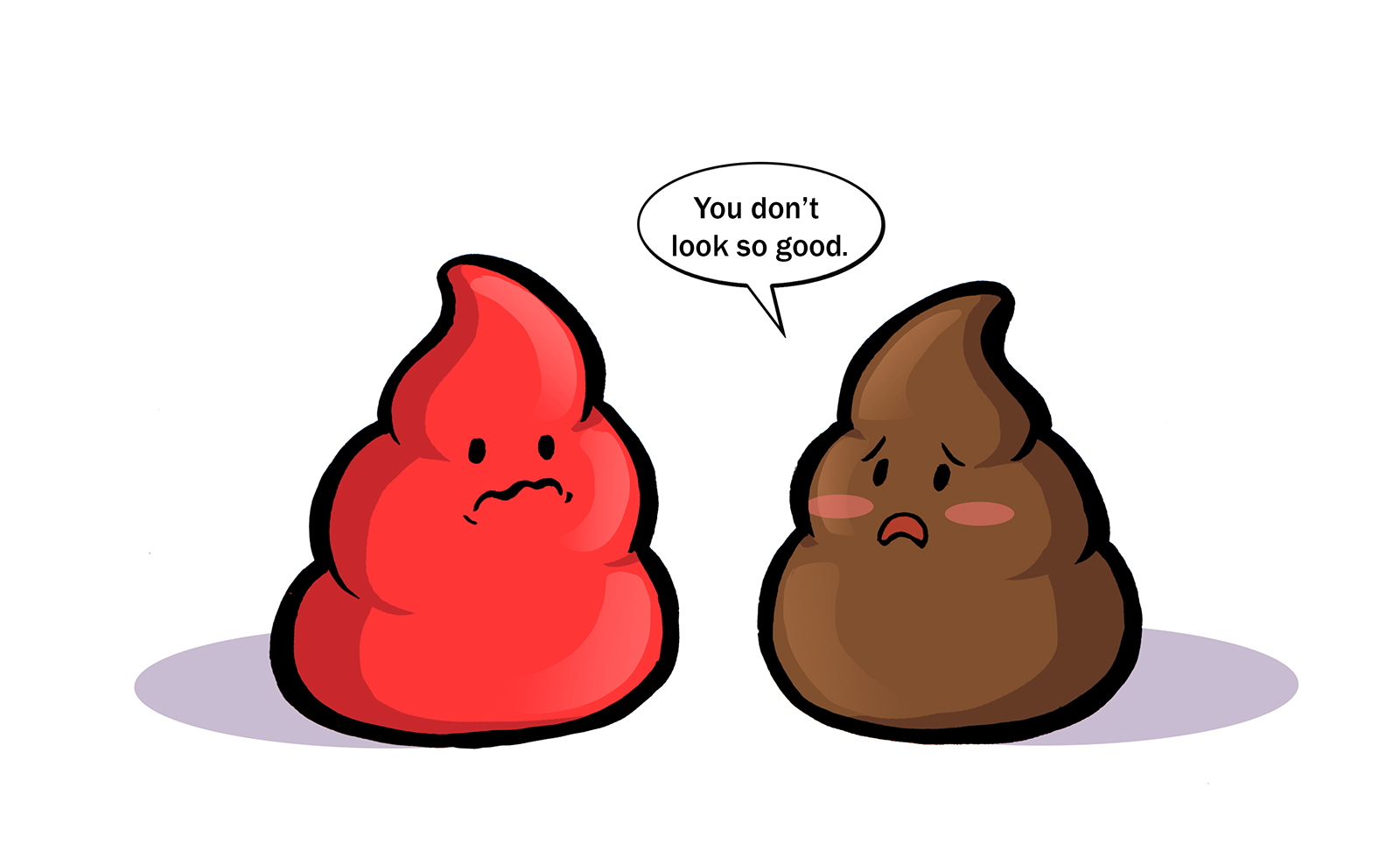
We’re talking about a syndrome called HGE: Hemorrhagic GastroEnteritis. Hemorrhagic means a big bloody mess. Gastro-Enteritis literally translates to inflammation of the stomach and intestines. The primary symptom is a diarrhea that looks like straight blood. It’s bright red, sometimes gelatinous, which is why many veterinarians compare it to “raspberry jelly.”
Sorry to have ruined that food for you.
Owners often ask if the dog is bleeding internally. I can see why you’d think that, given the bloody mess coming out of your dog’s bum. But no, this is just some extremely unhappy intestines. It can often seem out of the blue, and many times we never do figure out what got this whole thing started. With many cases, the dog has been stressed (ie- people visiting, being boarded, moving, etc). Sometimes it can be from… oh, how to put this nicely… dietary indiscretion. Eating the gross dead thing in the yard, or getting into the trash.
Regardless of the why, you’re now at the veterinary clinic, planning how to get the stains out of your carpet when you get home, and trying not to freak about this whole thing. Your veterinarian may glove up and extract a fresh stool sample from… the source. Once we see what we have, every vet knows exactly what this is. Then we start into our HGE speech:
This is a paradoxical disease. You’d think with all this blood coming out, your dog would be losing blood. Medically, we use the term “anemic” to describe an animal that has a low number of red blood cells. And your veterinarian will likely want to draw blood from your dog for testing, but we’re expecting the opposite. Turns out these dogs are never anemic.
Let’s talk red blood cells. When we measure them, it’s usually given as a percentage of the blood, called a hematocrit (pronounced he-MAT-o-crit). For instance, most dogs’ blood (hematocrit) is around 40-50% red blood cells. The rest is the fluid (plasma) that the cells are floating in. HGE causes the dog to become incredibly dehydrated, more so than many other types of diarrhea. With dehydration, these dogs have less fluid for the red blood cells to float in. So while the number of red blood cells stays the same (which does seem weird given the fact these dogs are pooping blood), the amount of fluid decreases. This causes the percentage of red blood cells in the bloodstream (the hematocrit) to rise. (Conversely, if a dog were to have excess plasma, or fluid, the red blood cell percentage could fall, even though the number of cells is the same.)
So when we vets see what the poop looks like, the first thing we want to do is measure the hematocrit, expecting it to be high. This increase is the calling card of HGE. And good news – measuring a hematocrit is a simple test that is very inexpensive and only takes about ten minutes! Depending on age and breed, I’ll consider most dogs with a hematocrit over 55% to be diagnostic. That said, I have many really good owners who catch this early. The dog hasn’t had a chance to become super dehydrated, so they may have a hematocrit of 52%. I still call it HGE and treat it accordingly.
So, how is HGE treated? Well, we know that dehydration is the main problem, so we want to hydrate these animals promptly! For the dogs who are bouncing around the room and have a hematocrit in the low-mid 50% range, I’ll simply give fluids under their skin (sub-cutaneous fluids) and let their body slowly absorb those fluids after they go home. Dogs who are very lethargic, or have a hematocrit in the 60’s, and/or are vomiting are often hospitalized. These dogs need to be on IV fluids to rehydrate them. Either case, we’ll put the dog on antibiotics (oral pills sent home, or IV if in the hospital) that target the bacteria that are promoting the diarrhea. We’ll often feed a prescription diet that is easy to digest, to give the stomach and intestines a break.
Most dogs recover very well with treatment. The ones who are near collapse, and often with hematocrits well into the 60%’s, are the ones we worry about. Still, I had one severe case where the owners could not afford to hospitalize the dog. So we gave it fluids under the skin, and they brought the dog back every day for 3 treatments. Thankfully, the dog did great! Still, hospitalization of these super sick pets is the best – it increases their chances of recovery, as well as helps them feel better much sooner.
The good news – once your dog is better, you’re done! Most cases of HGE are not considered to be contagious, so usually the other dogs are not at risk. That said, remember there are a lot of potential causes, and often we never find the initial cause. If both your dogs ate the same gross thing in the yard, yes, they both could have HGE!
So if you ever see that unique style of diarrhea, get your dog the vet ASAP! Your veterinarian will be impressed when you know what HGE is, and you can ask what your dog’s hematocrit was.
Web-DVM guest blogger Dr. Karen Louis is a practicing small animal veterinarian. See more of her articles at her blog at VetChick.com
5 Important Things To Know About Pet Euthanasia
You’ve made the gut-wrenching decision that it’s time to say good-bye to your beloved dog or cat. You’ve scheduled the euthanasia appointment. This article is not intended to discuss making the decision, but what to expect during the euthanasia process once the decision is made. You’ll be emotional. You won’t hear much of what the vet is saying. What’s going on? Knowing what to expect makes the process that much more peaceful – this is not a time you want surprises.
Death in real life doesn’t look like it does in movies – good or bad! This might be a hard article to read, but it’s good to know exactly what to expect. Ideally, if you have a close friend or family member facing the loss of a pet, you can read this and have the knowledge to be a voice of reason and help your friend. The most frequent comment I get from people after a home euthanasia is “that was so peaceful!” And it is.
Nowadays, modern veterinarians almost always sedate animals prior to euthanasia, so that’s the process I am describing.
1 – Animals, including people, do not close their eyes when sedated, under anesthesia, or deceased.
OK, so some movies get this part right. Some pets will partially close their eyes, but it’s never really a complete closure. This bothers some people. I’ll often close them slightly to help, but it never goes all the way. With humans, funeral homes glue the eyelids shut. We vets do that from time to time when the owner is taking a pet home to bury and wants to look at it one last time – it makes a much more peaceful final memory.
2 – When an animal is sedated before the euthanasia, and after they pass, everything relaxes.
It takes a lot of energy to keep your tongue in your mouth, so some pets may have their tongue stick out a tiny bit. If your pet was a snorer, then snoring can be a big part of the experience while they are becoming more sedate. The back end tends to relax too. I see this most in the old, painful dogs who haven’t been able to walk well. They are holding their potty, and once they are sedated, or when they pass away, it all comes out. We’ll often have a towel or blanket under them to collect any urine or feces. And if your pet was having any gastrointestinal upset, the gas will be released!
3 – During the euthanasia process, breathing temporarily becomes slightly faster.
When the dog or cat is sedated, they are very relaxed. As the veterinarian gives the IV injection of the overdose of the anesthetic drug (the euthanasia solution), he or she is essentially putting the pet deeper under anesthesia. A normal part of an animal going deeper under anesthesia is an increase in respiration rate, or faster breathing. In a clinic when we are putting an animal under anesthesia for surgery, we’ll call this “huffing and puffing.” This can be a little disturbing when your pet has been sedated, seems peaceful, then starts taking deep breaths for a few seconds. Some animals really breathe deeply for a few breaths, and others more or less skip this phase. The breathing is a sign of deeper anesthesia, not that they are waking up, hurting, or feeling anything at all really.
4 – Death is not instantaneous.
After we’ve completed the IV injection, the veterinarian will listen to your pet’s chest with a stethoscope. The absence of a heartbeat confirms the pet has passed. However, it takes some time for the rest of the body to get the message – everything does not shut down at once. It is common to hear some intestinal gurgling for several minutes after the pet has passed. Some neurons can fire, leading to slight muscle twitching, usually seen in the legs. These are often subtle, but can be disturbing if you don’t know this is normal. Also, any air in the lungs must exit, which sometimes comes out rapidly, sounding like a breath! This does not happen all the time, but I warn everyone, just in case. And these can happen a couple minutes after the pet is deceased.
5 – You have some time before the pet gets “stiff”.
Some owners worry about rigor mortis setting in once the pet has passed, and they do not want to see that! I totally get it, and you have nothing to worry about. It takes a few hours for the process to occur, so if you want to stay with your pet for several minutes after he or she is gone, that is perfectly OK.
I hope telling these things doesn’t make you not want to be with your pet during to euthanasia process. I strongly encourage all owners to be with their pet throughout the process. It is peaceful, and it’s the least you can do for a pet who has given you so many years of love!
Web-DVM guest blogger Dr. Karen Louis is a practicing small animal veterinarian. See more of her articles at her blog at VetChick.com
Planning On Buying A Puppy For The Holidays? Read This First!

For the record, the first places anybody should be looking for a puppy for the family this holiday season are shelters overflowing with puppies and dogs desperately in need of homes. Thus, not only would you be providing your family the blessing of a new family pet, you would be providing an innocent creature with the blessing of life and a love it has never known. There are also pure breed rescues where people often get lucky in finding a desired pure bred dog in need of a home. Pet Finder is a good source to find a desired breed in need of a forever home.
So bent on having a pure breed that this is not enough to pull at the heart strings and change your mind? Fair enough. Please read on and let me help you to not only find a healthy puppy but to help you to not support the cruel puppy mill industry. A lot of people consider puppy mill puppies only to be sold in pet stores, but this is not the case. To be sure, pet store puppies usually come from large scale breeding operations so it is a no brainer to avoid them.
However, many “back yard breeders” are just as cruel if not worse than large scale breeding operations. Rather than having many breeding dogs living in unhygienic conditions with no health care often housed outside with no protection from the elements, they have a few dogs kept in similar conditions.
Many puppy mill operations have moved online where they have professional looking websites and market their “champion” pedigrees and pictures of their breeding operation that show the cleanest and happiest breeding dogs prancing around beautiful fields. Unfortunately, the reality is most likely far from the truth.
Even with breeding dogs kept under humane circumstances in loving homes, there are hobby breeders that ignorantly do not have pre-breeding examinations for their breeding dogs prior to breeding, do any genetic testing or screening to ensure they are not knowingly passing along congenital or genetic disease to the offspring, or sell you the dogs with no state health certificate for sale signed by a licensed veterinarian that has examined the puppy (which is illegal). Thus, because the puppy’s parents seem happy and loved, prospective puppy buyers are lured into purchasing what often amount to be puppies that as adults will be riddled with any number of preventable congenital and genetic diseases.
Here are some tips to ensure that you are purchasing a health puppy whose parents are not rotting in squalor in a backyard breeding or large scale puppy mill operation.
1.) Do not purchase online. ESPECIALLY avoid Craigslist like the plague for purchasing puppies.
2.) Do not purchase from any breeder that refuses to let you see their breeding operation where the puppies are kept. They will often use the excuse that they breed from home and do not like to have customers they do not know visiting their home. B.S.!
3.) Insist on meeting the parents not just the puppies.
4.) Do not be impressed by AKC pedigree papers. They are as worthless as the AKC itself.
5.) Do not purchase a puppy that does not have a state veterinary certificate for sale signed by a licensed veterinarian.
6.) Become educated about common genetic diseases that affect your desired breed and ask for documentation that mother and sire have had all pertinent testing. You can get this information from reputable national breed clubs for your desired breed. Below is a national Labrador Retriever Club as an example:
http://nationallabradorretrieverclub.com/
7.) Be very wary of purchasing a puppy from the Amish. Se related article below:
Amish Are Among Worst Puppy Mill Offenders
I will leave you with one last plug to let go of the need to buy a pure bred puppy. There are literally thousands of dogs deserving of loving homes that you can adopt to enhance your family this holiday season for free, with full complement of vaccines and spayed or neutered. Its a win-win for all parties involved!
Dr. Roger Welton is a practicing veterinarian and well regarded media personality throughout a number of subjects and platforms. In addition to being passionate about integrative veterinary medicine for which he is a nationally renowned expert, Dr. Welton was also an accomplished college lacrosse player and remains to this day very involved in the sport. He is president of Maybeck Animal Hospital , runs the successful veterinary/animal health blogs Web-DVM and Dr. Roger’s Holistic Veterinary Care, and fulfills his passion for lacrosse through his lacrosse and sport blog, The Creator’s Game.
Xylitol Poisoning – A Little Known But Common Life Threatening Risk To Dogs This Holiday Season
Xylitol is a naturally occurring substance found in many different types of berries and vegetables. It is in a class of compounds known as sugar alcohols that have become increasingly popular as food additives because they provide a sweetness comparable to sugar, while packing only a fraction of the calories. Xylitol also minimally impacts the glycemic or simple carbohydrate index for people on low carbohydrate diets for weight loss, management of diabetes, or both. It is extracted and derived primarily from corn, bark, and other vegetable sources and exists as a white powder that resembles and tastes like regular sugar.
Xylitol is virtually harmless to people, however, it can be deadly in dogs if ingested in sufficient quantities. It often does not take much and dogs are naturally attracted to the sweet tastes of the foods it is present in. The primary danger stems from the fact that a dog’s pancreatic islet cells that are responsible for secreting insulin in response to the ingestion of simple carbohydrates (to trigger the absorption of glucose out of the blood stream and into cells) are also stimulated by xylitol (xylitol does not trigger the same insulin release in humans). The result is that within 15-60 minutes of ingestion, a dog may start experiencing the dangerous effects of low blood sugar, aka, hypoglycemia, that can set off seizures, coma, and acute death. In some cases, canine patients that experience xylitol toxicity also go into liver failure, but the mechanism by which that occurs is still not understood and speculative at best.
Common holiday foods that contain xylitol include:
- Baked goods (cookies, muffins, etc.)
- Candies
- Chocolate treats
- Jellies and jams
Dog owners should also be cognoscente of common year round household food items that commonly contain xylitol:
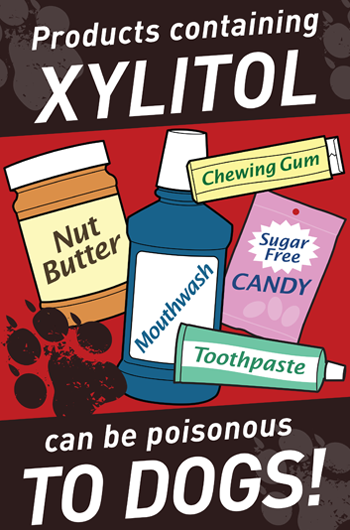
- Sugar free gum
- Tooth paste and mouth wash
- Chewable vitamins
- Breath mints
- Peanut butter (sometimes)
Peanut butter is a big food item we should all spread awareness about as it is a common modality people use to disguise medications they are administering to dogs. As such, it is always prudent to check the ingredients of peanut butter prior to using it has a way to medicate dogs.
The toxic dose of Xylitol in dogs is 50 mg per pound of body weight (100 mg per kg). If ingestion of xylitol by a dog is suspected, it is imperative that owners seek veterinary care immediately. Signs of xylitol toxicity include:
- Weakness or inability to stand
- Lack of coordination
- Tremors
- Seizures
- Vomiting
- Coma
Dr. Roger Welton is a practicing veterinarian and well regarded media personality throughout a number of subjects and platforms. In addition to being passionate about integrative veterinary medicine for which he is a nationally renowned expert, Dr. Welton was also an accomplished college lacrosse player and remains to this day very involved in the sport. He is president of Maybeck Animal Hospital , runs the successful veterinary/animal health blogs Web-DVM and Dr. Roger’s Holistic Veterinary Care, and fulfills his passion for lacrosse through his lacrosse and sport blog, The Creator’s Game.
For Dog Holiday Safety, Here Is A Dog Chocolate Toxicity Table
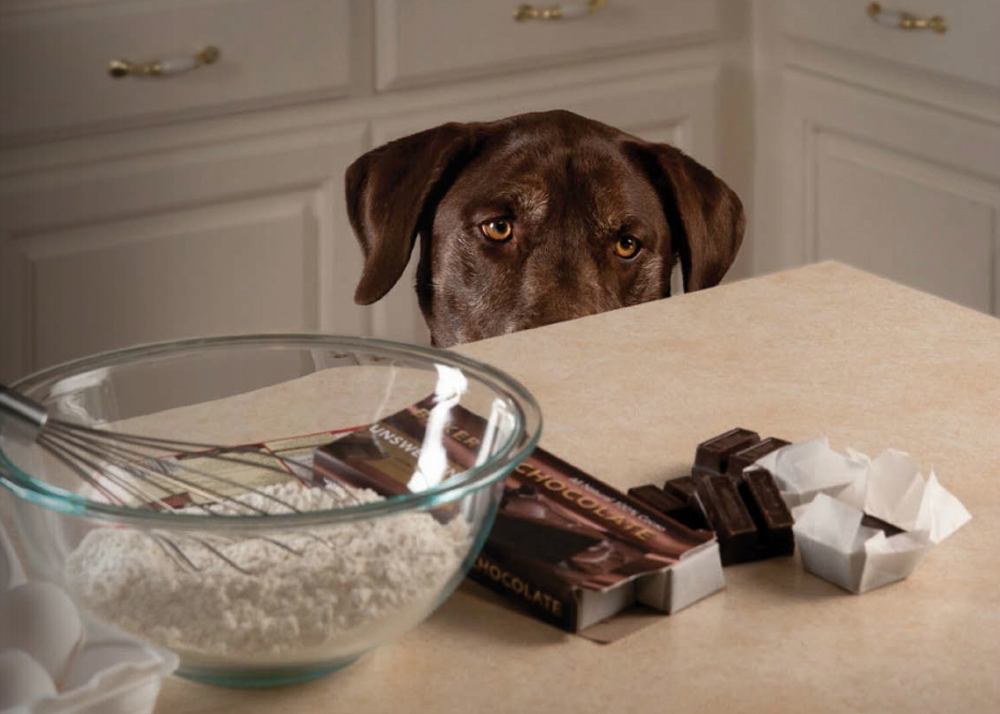
Chocolate toxicity in dogs is a real threat, especially during holidays like Halloween, Christmas, and Easter when a lot of chocolate is around and a lot of baking is being done. Chocolate used in making cookies and cakes such as baking and semi-sweet chocolate are particularly toxic to dogs due to their high concentrations of theobromine in comparison to other types of chocolates.
Theobromine is a compound that is similar to caffeine with a stimulatory effect to the cardiovascular and nervous systems. People eliminate theobromine fairly quickly, making toxicity a very rare event in people. Dogs, on the other hand, eliminate chocolate very slowly and it can easily accumulate in the system to toxic levels quite rapidly when ingested in even moderate quantities.
Chocolate toxicity via theobromine leads to muscle tremors, accelerated heartbeat, seizures, abnormal rhythms of the heart, and cardiac arrest in dogs. Any of these events can lead to acute death if not addressed quickly.
It is important to note, however, that different types of chocolate have different concentrations of theobromine, leading to varying degrees of potential toxicity, that is, the amount that would be necessary to cause theobromine toxicity in a dog that ingested chocolate. For your convenience and for your own FYI in the event your dog unfortunately gets into chocolate, below is a table provided by the Veterinary Information Network that highlights the toxicity potential of the 3 most common chocolates ingested by dogs.
 |

The VSPN Notebook®
Chocolate Toxicity Table
August 28, 2003 (published) | October 3, 2008 (revised)
Submitted by Stephanie Coryell
|
||||||||||||||||||||||||||||||||||||||||||||||||||||||||||||||||||||||||||||||||||||||||||||||||||||||||||||||||||||||||||||||||||||||||||||||||||||||||||||||||||||||||||||||||||||||||||||||||||||||||||||||||||||||||||||||||||||||||||||||||||||||||||||
Treatment for chocolate toxicity if caught within the first 30-45 minutes of ingestion is to induce vomiting. If that window has passed or despite vomiting the dog is showing any clinical signs of theobromine toxicity (agitation, tremors, seizures), then treatment is geared toward sponging up as much theobromine that remains in the gut with every 4 hour feeding of Activated Charcoal, as well as facilitating theobromine from the body with aggressive intravenous fluid therapy. If necessary, medications that relax muscles and reduce seizure thresholds, such as diazepam, as well as medications the lower heart rate, such a beta blockers; can be administered as well.
Dr. Roger Welton is a practicing veterinarian and well regarded media personality throughout a number of subjects and platforms. In addition to being passionate about integrative veterinary medicine for which he is a nationally renowned expert, Dr. Welton was also an accomplished college lacrosse player and remains to this day very involved in the sport. He is president of Maybeck Animal Hospital , runs the successful veterinary/animal health blogs Web-DVM and Dr. Roger’s Holistic Veterinary Care, and fulfills his passion for lacrosse through his lacrosse and sport blog, The Creator’s Game.
Winter Health Tips for Your Senior Pet

Image via Pixabay
In the United States, cold and flu season (1) starts in December and lasts through March. During this time, doctors and pharmacists encourage people to help prevent the spread of these viruses with various precautions– and for good reason. According to the World Health Organization (WHO) (2), 250,000 to 500,000 deaths worldwide are due to flu-relation complications.
To ward off this harmful virus, we keep our hands clean, get a flu shot, and increase our intake of immune boosting vitamins and minerals (3). But are you doing enough to protect every member of your family? As it turns out, your dog–especially if he is older– needs protection for cold and flu season just as much as you do. Fortunately, the steps you need to take as a pet owner are simple and straightforward.
Keep Him Warm
Both cats and dogs have slightly higher resting body temperatures than humans, so when it is colder outside make sure they have a blanket in their bed and an area to sleep in the sunlight during the day. Also be sure to dress your dog in booties and a sweater when taking them outside to potty, because extreme changes in temperature increase risk of illness.
While dogs are happiest spending most of their time indoors, your dog still needs outdoor time (4). Older pets in particular need to keep up with an outdoor exercise routine to help prevent arthritis pain. In the winter, try and work it out so your dog gets outdoor play time during the sunniest hours of the day. It is warmer, so your dog will enjoy himself more and get more energy out of his system. Don’t leave your dog outside on his own– when you are ready to go in, he probably will be as well.
Consider the H3N2 Vaccine
H3N2 (5) is a highly contagious influenza virus that your dog can catch. It causes many of the same symptoms humans get when they catch the flu:
- Runny nose and eye discharge
- Lack of appetite
- Soft, moist cough
- Fever
- Bacterial infection
- Low energy
It can take 2 to 3 weeks for a dog to recover from the flu and the odds of your dog catching H3N2 heighten in the winter. If you have a senior dog, the odds go up even more. If your dog has a compromised immune system, your veterinarian can vaccinate your dog against H3N2 (6).
Prevent Dry Skin
Just like humans, your dog is more susceptible to uncomfortable, dry skin in the winter. Alter your grooming routine for the season to help prevent it. The key is: less is more. Your dog doesn’t need as many baths in the colder months. Instead, incorporate a soothing conditioning spray into grooming and brushing time. It will help add oils to his coat while providing a clean, fresh scent. And of course, be sure your dog is getting enough water to keep skin comfortable in the winter months.
Your dog needs special care in the winter to keep him healthy– especially if he is an older pet. Take appropriate measures (7) to keep him warm like providing a dry, warm place to rest and giving him plenty of time in the sunlight. Dog influenza can make your dog ill for weeks, but your veterinarian can provide a vaccination that prevents the H3N2 virus. Finally, prevent dry skin by altering your grooming routine and helping your pet stay hydrated.
Author
Jessica is the creator of OurBestFriends.pet. Jessica lives in Dallas, Texas with her loving family (which includes 2 dachshunds and a black lab). She is a certified dog lover, and believes dogs are just about the greatest creatures on earth. She loves collecting and sharing photos of them.
- https://www.cdc.gov/flu/about/season/flu-season.htm
- https://www.thedailybeast.com/the-universal-jab-will-make-the-flu-a-horrible-distant-memory
- https://www.health.harvard.edu/staying-healthy/how-to-boost-your-immune-system
- https://animalwellnessmagazine.com/5-reasons-to-get-outdoors/
- http://time.com/4800088/dog-flu-canine-influenza-h3n2/
- https://www.avma.org/KB/Resources/FAQs/Pages/Control-of-Canine-Influenza-in-Dogs.aspx
- https://www.redfin.com/blog/2016/10/how-to-modify-your-home-for-an-elderly-pet.html
Dog Has Post Thanksgiving Diarrhea? Try These Easy Tips To Give Him Relief.

I was inspired to write this today because my Labrador Retriever graced my floor with a large pile of mucus laden diarrhea this afternoon, no doubt from having been fed rich Thanksgiving food from my guests that could not resist his pleading eyes. I figured I would take a moment to help any other dogs and dog parents dealing with the same thing and possibly help them avoid a visit to the vet.
Please be advised that my advice pertains only to uncomplicated diarrhea. If there is any concurrent vomiting, abdominal pain, or refusal eat, that could signify something more serious such as pancreatitis, foreign body obstruction, or gastroenteritis.
As long as your dog is acting normally other than a case of the runs, you can try feeding a bland, low residue diet. The easiest way to accomplish this is to boil chicken breast, shred and mix with short grain, cooked white rice; feed at a ratio of one part chicken to three parts rice, warm, and do not cook with any salt or oil (nor add either of these). If your dog is having major control issues, you may dose one time with the over the counter anti-diarrhea medication loperamide (also sold under the trade name Imodium). For dosing of loperamide, refer to the Web-DVM’s Over The Counter Pet Medication Page.
As I stated, it is safe to dose with loperamide one time only. Beyond this, I would not dose any further without the direct care and recommendation of a veterinarian. A pet with diarrhea showing no improvement within 24 hours should be seen by a veterinarian. Even if there is improvement but loose stools linger for 5 days, a visit with a veterinarian is also recommended.
Dr. Roger Welton is a practicing veterinarian and well regarded media personality throughout a number of subjects and platforms. In addition to being passionate about integrative veterinary medicine for which he is a nationally renowned expert, Dr. Welton was also an accomplished college lacrosse player and remains to this day very involved in the sport. He is president of Maybeck Animal Hospital , runs the successful veterinary/animal health blogs Web-DVM and Dr. Roger’s Holistic Veterinary Care, and fulfills his passion for lacrosse through his lacrosse and sport blog, The Creator’s Game.
Fake Service Dogs Are Shameful And Ilegal
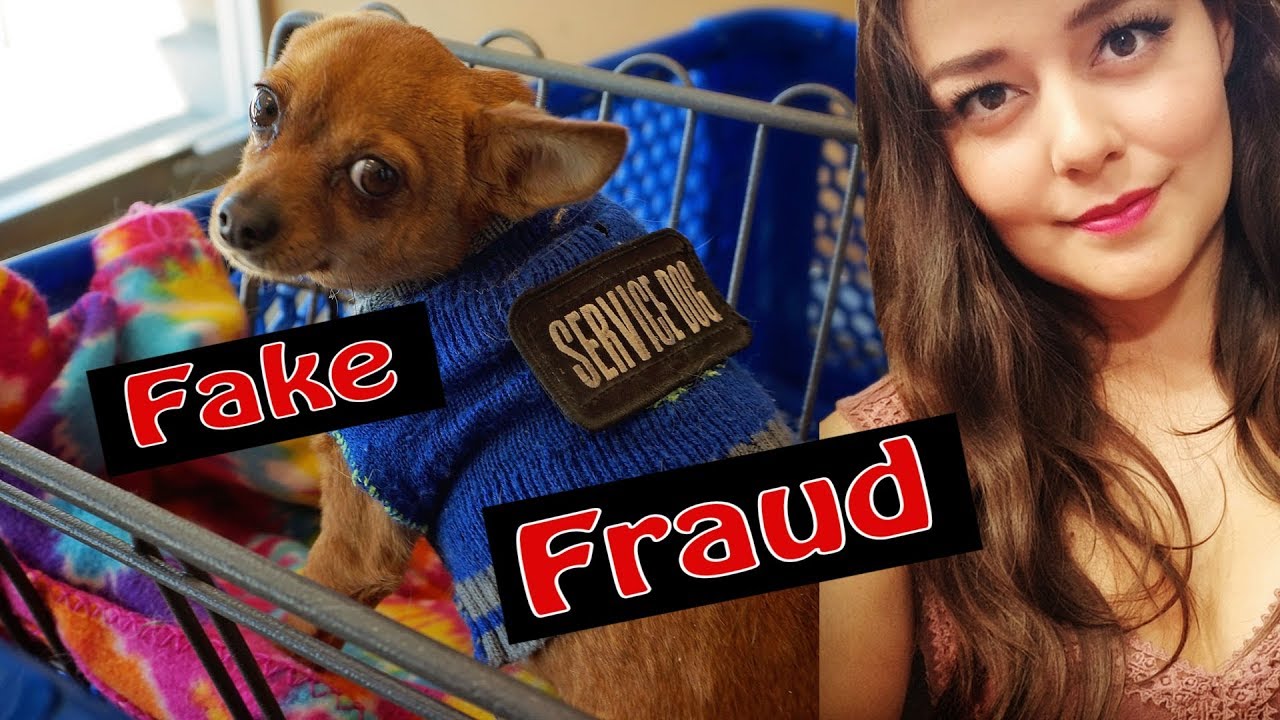
Service dogs are one of the most endearing examples of the human/animal bond where a person who is disabled is able to live independently through assistance and life partnership of a canine that is trained and licensed to help care for him or her. Service dogs have proven to be an invaluable component to life in the modern world helping people that live with disabilities ranging from hearing and vision impairment, seizure disorders, paralysis, and even post traumatic stress syndrome.
With all good things, there will always inevitably be a certain ilk of people who seek to exploit or unethically take advantage of a program that has honorable intentions and results. In the case of service dogs, people have learned that in many cases, they can throw a service vest on any random dog to take advantage of veterinarians that offer service dog discounts and take their dogs anywhere they wish.
I was prompted to write about this issue because a young man came into my office this week with an 8 month old German Shepherd that he was calling a “service dog in training” donning a camouflage vest with a PTSD Service Dog patch on either side of it. The dog had never before seen a veterinarian and the owner had administered vaccines himself from vaccines he bought at a local feed store. The dog was not spayed and as is typical with backyard bred German Shepherds, the dog was a neurotic mess and fear biting risk.
My BS radar immediately went up, as REAL service dogs come from very controlled breeding lines that breed for health, conformation, and temperament. They are required to have full and comprehensive veterinary care (by an actual licensed veterinarian) from the moment they are born and must be spayed or neutered by 6 months of age. Throughout the training process, they are regularly evaluated for their behavior and conduct to ultimately pass and achieve certified service dog status.
A significant number of these dogs fail and are adopted out despite a considerable expense that goes into their development. In fact, there are usually waiting lists to adopt failed service dogs because even the one who fail are dogs that have been fully vetted, spayed or neutered, and have remarkable health and temperament.
From an ethical and karma stand point, faking a service dog is just plain wrong. When one fakes a service dog, he or she is basically pretending to be disabled. This would be equivalent to faking handicapped signage to get a nice and close handicapped parking space. Trying to gain discounted services based on a lie is nothing short of fraud.
From a logistical point of view, faking a service dog puts the existence and effectiveness of real ones in jeopardy. Consider, for example, if the previously mentioned fake service dog were to behave poorly in a retail or service establishment or an otherwise public forum or bite somebody. This would immediately start a backlash against allowing service dogs in retail and service establishments and taint the perception of legitimately disabled people and their legitimately certified service dogs.
Lastly, anyone who engages in faking service dog status should understand that doing so is a federal crime. At least 19 states that I am aware of are getting very serious about people who fake service dogs and are cracking down on the practice. From the view of law enforcement, faking a service dog is not only fraud, without the regulation of the service dog governing bodies, fake service dogs pose a public health threat from disease or physical injury to others due to lack of proper preventive veterinary health care, ethical breeding, and training.
Dr. Roger Welton is a practicing veterinarian and well regarded media personality throughout a number of subjects and platforms. In addition to being passionate about integrative veterinary medicine for which he is a nationally renowned expert, Dr. Welton was also an accomplished college lacrosse player and remains to this day very involved in the sport. He is president of Maybeck Animal Hospital , runs the successful veterinary/animal health blogs Web-DVM and Dr. Roger’s Holistic Veterinary Care, and fulfills his passion for lacrosse through his lacrosse and sport blog, The Creator’s Game.
Amish Are Among The Worst Puppy Mill Offenders
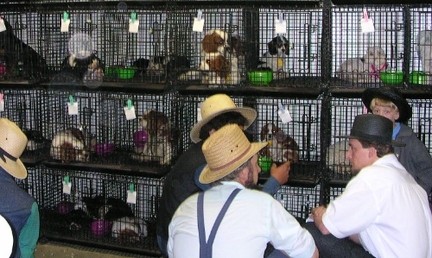
The Amish operate in a serious dichotomy of existence. On one hand, they are pious, charitable to one another, and pacifists, rejecting all violence to the extent that they conscientiously abstain from military service. On the other hand, as observed by many veterinary students that have traveled to Amish farms (me included) to treat their live stock during large animal ambulatory medicine rotations, their treatment of animals is often poor at best and all too commonly inhumane. To many Amish, it is generally culturally accepted that animals are little more than extension of their farm equipment and deserve no further consideration than keeping them functioning and producing to support them.
As sad as that fact may be for Amish livestock, this mind set also commonly pervades their view of dogs as breeding vessels that can be exploited to crank out litter after litter of puppies to sell to either pet stores or direct to consumer. While puppy mills are a problem throughout the country, there are areas of the country and certain communities where puppy mills are particularly prolific. Dog farming is a large part of the economy for many Amish communities. Lancaster, Pennsylvania, Holmes County, Ohio, and Shipshewana, Indiana are home to thousands of breeding dogs that will spend their entire lives in puppy mills.
Amish dog breeding/puppy mill operations may house anywhere from 10 to 1000 dogs. Breeding dogs commonly spend their entire lives in cages, never even know the feel of grass under their feet or get any exercise. Breeding dogs do not commonly receive any veterinary care and live with painful, debilitating conditions such as severe dentall disease, mastitis, ear infections, urinary tract infections, and more. They are bred repeatedly without rest and are commonly shot once they are no longer useful as breeding animals.
I wrote this article to spread awareness about the Amish and their willful participation in puppy mills and general disregard for animal welfare beyond the animal’s use to their own sustenance. I encourage all of my readers to spread awareness of this issue and the issue of puppy mills in general. Only by educating the public and creating a wide ranging discourse about the puppy mill issue that plagues our society, can we make progress and enact legislation to ban puppy mills.
For more information on how you can help spread awareness and do your part to help combat the tragedy of puppy mills prevalent among the Amish and other rural centers in the United Stated, I recommend The Puppy Mill Project
Dr. Roger Welton is a practicing veterinarian and well regarded media personality throughout a number of subjects and platforms. In addition to being passionate about integrative veterinary medicine for which he is a nationally renowned expert, Dr. Welton was also an accomplished college lacrosse player and remains to this day very involved in the sport. He is president of Maybeck Animal Hospital , runs the successful veterinary/animal health blogs Web-DVM and Dr. Roger’s Holistic Veterinary Care, and fulfills his passion for lacrosse through his lacrosse and sport blog, The Creator’s Game.

Keep your pets safe this holiday season!
The holiday season is right around the corner starting with Halloween (yes, in my home, we consider Halloween a holiday!). It is both a joyous and busy time and it can be easy to overlook certain...

Help for nervous/anxious dogs
There seems to be a growing number of excessively nervous, often skittish dogs. This can range from anxieties, such as noise or storm anxiety, anxiousness about being separated from pet parents,...
Bird flu is infecting cats and cases are rising – What you need to know!
H5N1 Avian Influenza is causing far more trouble than just just high egg prices. The bird flu has successfully jumped species now able to infect cats and people. Although the ability to infect...

Read Dr. Roger’s Latest Book!
 Be Healthy & Fit With Celebrity Trainer Steve Jordan
- The New Measure of a Life Well Lived: Why Health Span Matters More Than Longevity
- The Wealth Spark: Igniting Your Path To Abundance and Success
- Bright Line Eating with New York Times best selling author Dr. Susan Peirce Thompson
- Maximizing Your Workout Time: Efficiency Tips from Westwood Private Fitness
- How to Transform Your Dad Bod: Insights from the Fit Father Project – New Podcast Episode Out Now!