Animal Humanitarian Crisis In Post Maria Puerto Rico – How You Can Help!
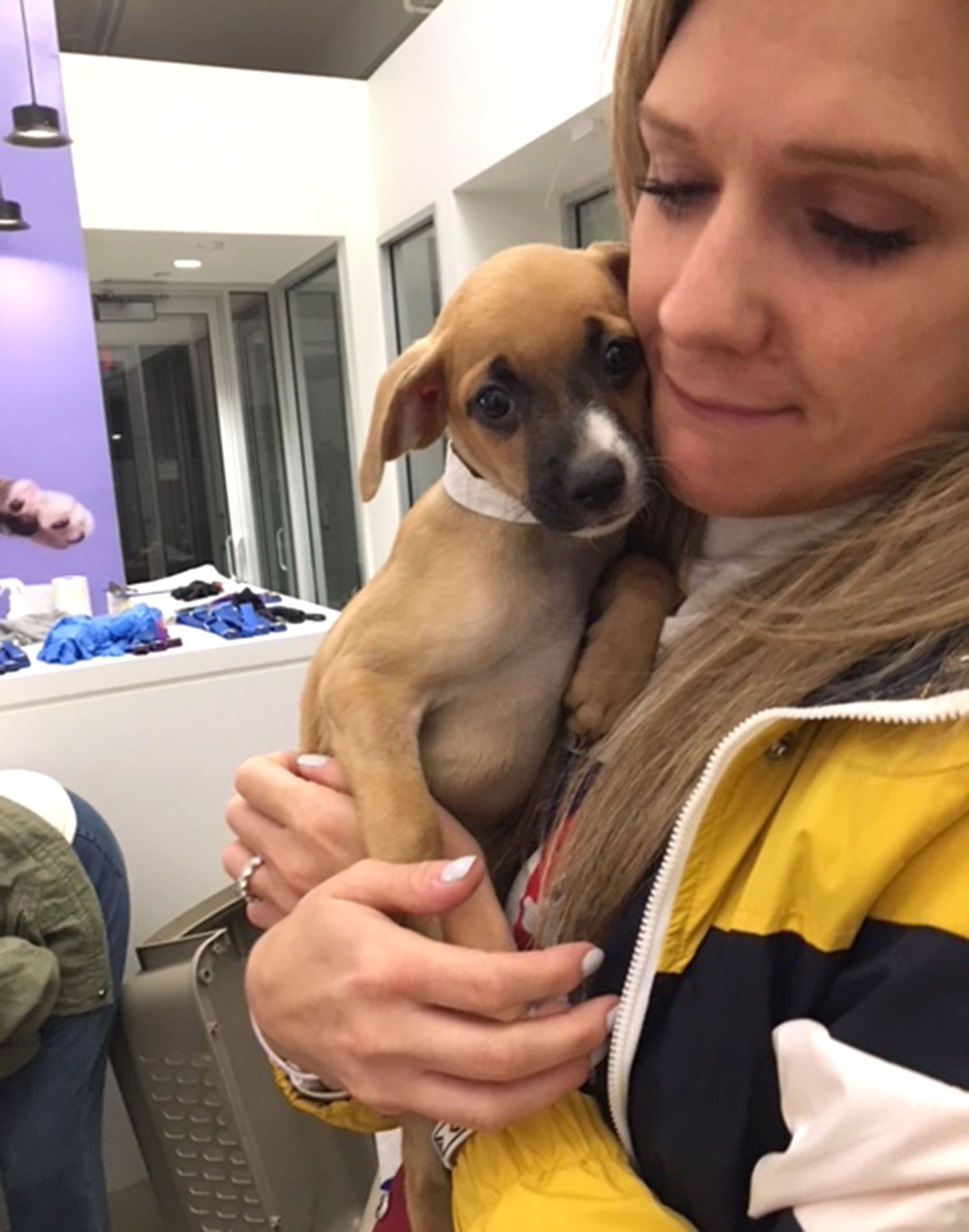 Most are well aware of the cost in human life and suffering on the hurricane ravaged island and United States Territory of Puerto Rico. With many people barely able to fend for themselves with no power, running water, and food running scared; and many resorting to evacuating the island and unable to take their dogs and cats with them, large numbers of pets have been either surrendered or left on the streets to fend for themselves.
Thankfully, several rescue stateside rescue organizations are stepping in to help overwhelmed, under-equipped, and undermanned animal shelters in Puerto Rico by having dogs and cats transported to the US mainland for adoption. Charitable organizations like the John and Wendy Neu Family Foundation, The Sato Project, Dumb Friends League, and Good Samaritans are working to give street dogs/cats and orphaned pups/kittens a second chance at a full life with quality. Through the chartering of cargo planes, many pets have arrived at no kill shelters stateside waiting for their forever homes.
53 dogs have recently arrived in New York City and are available to adopt from the Manhattan based no kill shelter Animal Haven. Over 100 animals (90 dogs and 18 cats) are scheduled to arrive in Denver this week and will be disbursed among 7 Colorado animal shelters. Many more are expected to be arriving to the US mainland as resources to transport the animals and provide veterinary care for them become readily available.
People can help by donating directly to involved rescue organizations, by volunteering for involved rescue organizations, and of course by adopting the animals directly.
Dr. Roger Welton is a practicing veterinarian and well regarded media personality throughout a number of subjects and platforms. In addition to being passionate about integrative veterinary medicine for which he is a nationally renowned expert, Dr. Welton was also an accomplished college lacrosse player and remains to this day very involved in the sport. He is president of Maybeck Animal Hospital , runs the successful veterinary/animal health blogs Web-DVM and Dr. Roger’s Holistic Veterinary Care, and fulfills his passion for lacrosse through his lacrosse and sport blog, The Creator’s Game.
Article sources & photocredit:
More Than 50 Dogs Rescued from Puerto Rico Flown to N.Y.C. Adoption Event
More than 100 dogs and cats from Puerto Rico headed to Denver for adoption
Bravecto The Latest Target Of Medical Misinformation And Reporter Jim Strickland Sensationalism
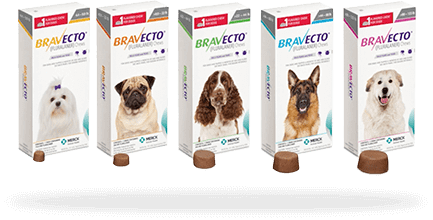
It has happened yet again. A safe and effective pet medication, the long acting flea and tick preventive, Bravecto, has been targeted by an unethical, unscrupulous reporter hovering like a vulture over grieving dog owners seeking closure over the unexplained deaths of their dogs, believing that Bravecto is the cause. Jim Strickland of WSB-TV Atlanta, the peddler of the past contrived heartworm and flea preventive Trifexis controversy, is once again all too ready to stoke the flames and foment outrage by sensatioanlizing the anecdotal reports of a few pet owners convinced the 3 month oral flea/tick preventive Bravecto killed their dogs. Not surprisingly, like the Trifexis fiasco, there is now a “Bravecto Kills Dogs” Facebook page.
Related: Unsubstantiated Mass Hysteria Targets Trifexis
Strickland begins early in his article stating about Bravecto, “It’s a dog chew so powerful that one dose can kill fleas and ticks for three months.” Of course, Strickland makes this statement clearly with no understanding of the pharmacokinetics (the physiological distribution, metabolism, and elimination of medications in the body) of Bravecto and likely no understanding of pharmacology and veterinary physiology, period. The unique characteristics of Bravecto’s active ingredient, Fluralaner, that make it long acting have little to do with how “powerful” it is, but more because of its unique molecular structure that allows it to pass through the canine and feline tissues unchanged.
This “unchanged” aspect of Bravecto is part of what makes it so safe. The primary organs of detoxification in the canine and feline, the liver and kidneys, are often responsible for elimination of all manner of waste products, toxins, and medications. When there is toxicity associated with the elimination compounds in the body, it is most commonly the act of the organs of detoxification metabolizing compounds for the sake of elimination that are damaging to the respective organs themselves, or toxicity associated with new forms (aka., metabolites) of given compounds that were altered for the sake of elimination.
Since Bravecto’s active ingredient passes through all tissues and organs unchanged and gradually gets eliminated from the body over time in the feces, there is virtually no taxing of the organs of detoxification, nor is there any generation of toxic metabolites. Bravecto is actually so safe, that it has no LD50.
The LD50 is required by the FDA for the approval of any medication. The LD50 represents the lethal dose at which 50% of laboratory test animals will die. In the case of Brevecto, the LD50 is listed at as > 2000 mg/kg. The reason it is listed at > 2000 mg/kg is because even at the ridiculous overdose of 2000 mg/kg, the test subjects were still not experiencing enough fatalities to reach an LD50 and the FDA subsequently waved this requirement for Bravecto. The average dog receives a dose of about 35 mg/kg once every 3 months.
Jim Strickland cites and FDA statistic of 355 cases of canine fatalities where Bravecto is “suspected” as a possible contributing factor in cause of death, but none have actually been proven. However, let us say for argument sake that the 355 cases were actually proven. 355 deaths canine deaths attributable to Bravecto among 34 million doses dispensed by Merck Animal Health since 2014 would translate to a dog having a 0.001% chance of dying from taking Bravecto.
To put that in context, a person is 20 times more likely to die in a plane crash, or a 30 times more likely to get struck by lightning; than a dog dying from a dose of Bravecto. If one puts that in the frame of reference that those 355 cases are “suspect” and not proven, it places Bravecto as one of the safest pest preventatives in the history of the veterinary ectoparasite preventative market history.
On the plus side, Bravecto not only is extremely safe for use in dogs and cats, it is also very effective in preventing the feeding of fleas and ticks on our pets. These pests torment our furry family members, cause skin infections and severe itch, and spread diseases such as the tick born Lyme disease bacteria. These pests also can feed on people leading to both nuisance and the spread of infectious disease to the human family.
It is preposterous to fear such a beneficial and safe preventative over anecdotal and unproven reports of death that do not align with the research and scientific data, not to mention the observations of veterinarians who respectively dispense thousands of doses of Bravecto a year. Of course, Jim Strickland does not care about science or facts and I am sure this will not be the last time we hear from him as he exploits grieving pet owners to peddle inaccurate and sensational stories that accomplish nothing but plant seeds of fear of helpful and safe medications, while sowing pet owner distrust of veterinarians.
Dr. Roger Welton is a practicing veterinarian and well regarded media personality throughout a number of subjects and platforms. In addition to being passionate about integrative veterinary medicine for which he is a nationally renowned expert, Dr. Welton was also an accomplished college lacrosse player and remains to this day very involved in the sport. He is president of Maybeck Animal Hospital , runs the successful veterinary/animal health blogs Web-DVM and Dr. Roger’s Holistic Veterinary Care, and fulfills his passion for lacrosse through his lacrosse and sport blog, The Creator’s Game.
Happy Veterinary Technician Week To The Unsung Heroes Of Veterinary Medicine!
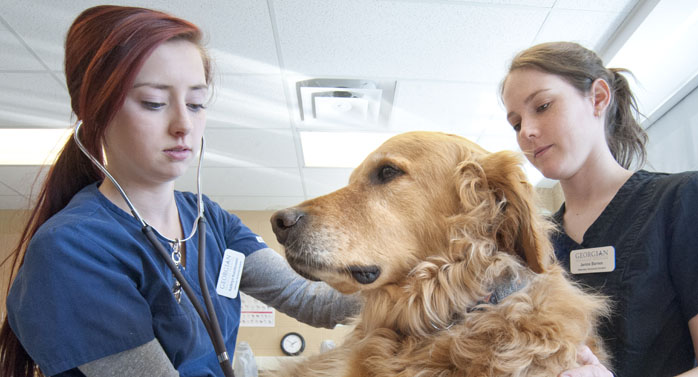 Veterinary technicians (depending on the state, they are titled: Licensed Veterinary Techicians, Certified Veterinary Technicians, or Registered Veterinary Technicians) are the Registered Nurses of veterinary medicine. Like the veterinarians they serve, these talented and dedicated veterinary health care professionals are multi-species and multi-disciplinary oriented in the services they provide. In my practice, our veterinary technicians see cats, dogs, birds, ferrets, small mammals, and reptiles. On a given day, they are involved in drawing blood, placing IV’s, administering and monitoring anesthesia, scrubbing in to assist in surgery, scaling and polishing teeth, taking x-rays…the list can go on forever, but one can clearly get the point. Vet techs do a lot, and they do it while getting bitten, scratched, pooped on, and urinated on!
Veterinary technician as a profession is not currently a very lucrative profession so, while it is a means to make a living, these talented and hardworking health professionals that have the aptitude to work in any branch of medicine, choose veterinary medicine as a labor of love and a calling more than any other factor that drives their career decisions. Being driven by passion primarily in a profession that brings with it compassion fatigue, risk of injury, stress, and is physically labor intensive; makes those that choose it very special and unique individuals. Some of the finest people I have had the privilege to know are veterinary technicians, starting first and foremost with my wife, Melissa Welton, CVT.
I am very pleased that our industry takes this week to celebrate veterinary technicians, these unsung heroes of veterinary medicine that make it possible for veterinarians to practice the best possible level of medicine, while helping us to stay on task, keep us organized, help us triage cases, and support us in countless other ways. If you have the chance to, please take a moment to thank a veterinary technician for all they do for the furry innocents of the world!
Dr. Roger Welton is a practicing veterinarian and well regarded media personality throughout a number of subjects and platforms. In addition to being passionate about integrative veterinary medicine for which he is a nationally renowned expert, Dr. Welton was also an accomplished college lacrosse player and remains to this day very involved in the sport. He is president of Maybeck Animal Hospital , runs the successful veterinary/animal health blogs Web-DVM and Dr. Roger’s Holistic Veterinary Care, and fulfills his passion for lacrosse through his lacrosse and sport blog, The Creator’s Game.
Cat Drinking and Peeing A Lot? Not Normal, Get Him Checked Out!
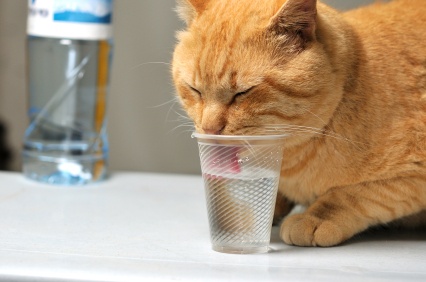
Cats are notoriously very cryptic about pain and illness. They are so tough and so determined to not show weakness that their health needs often go under the radar until illness or pain becomes unbearable and is by then often too advanced to successfully treat. There is one sign, however, that cat owners can fairly easily pay attention to that is a common sign of illness in cats: excessive drinking and urination.
Most people who have owned cats have noted that cats are not big drinkers of water. Descended from desert creatures, they possess an uncanny ability to concentrate their urine and retain hydration and subsequently drink very little when compared to dogs and people pound for pound. Therefore, when they start drinking and urinating excessive (known in veterinary medical jargon as polyuria/polydypsia, aka, PU/PD), please know that this is almost never normal.
Diseases that PU/PD commonly indicate make the feline sick at least, can be deadly at worst, and include:
Diabetes
Diabetes in cats commonly (but not always) occurs in cats that are either obese or were at one time obese and are dropping rapid amounts of weight while they visit the water bowl and litter box in an unprecedented fashion. Diabetes results from either an inability of the islet cells of the pancreas to secrete sufficient insulin to trigger the cells to take up glucose absorbed in the diet, or, the insulin receptors of the cells have become refractory to insulin (called insulin resistance).
95% of cats that are diabetic are Type II, non-insulin dependent. This means that diet and lifestyle, not genetics, got them there. This does not mean that they do not need insulin injections but it does mean that with insulin regulation, proper diet and weight control, there may be a day that the kitty many not require insulin administration.
Left untreated, diabetes can lead to peripheral vascular disease, kidney failure, neurological disease and a life threatening metabolic crisis known as diabetic ketoacidosis.
See Diabetes for more details.
Kidney Failure
The kidneys fulfill an important blood filtration role in the body, while also maintaining hydration balance by diluting the urine to eliminate excess body water, and concentrating the urine to preserve body water. Cats in early kidney disease often show no signs and disease reveals itself incidentally in routine senior blood work or pre-dental screening blood work. In more advanced stages of disease, the kidneys lose their ability to concentrate urine and retain hydration, so cats commonly begin to drink and urinate excessively.
As disease progresses and toxins continue to build in the kidneys, feline kidney failure patients lose weight, appetite diminishes, some start vomiting, and ulcers of the mouth and stomach occur. Depending on the stage of disease, kidney failure is treatable with fluids, B-complex vitamin injections, and prescription kidney sparing diets.
See Kidney Failure for more details.
Hyperthyroidism
As cats age, they commonly develop tumors on one or both thyroid glands. While the vast majority of these tumors are not cancerous, the are functional and lead to excess secretion of thyroid hormone. Cats with hyperthyroidism commonly lose weight despite a normal or even excessive appetite, are commonly unusually active for their advanced age, commonly vocalize, and drink and urinate more frequently than typical.
In the short term, cats with hyperthyroidism experience anxiousness, cardiovascular stress, stress on the kidneys, and make them clot prone. Left untreated, hyperthyroidism can lead to heart failure, kidney failure, and dangerous clot formations. Hyperthyroidism is treated either by iodine free diet (Hills Y/D), treatment with methimazole, or radioactive iodine therapy.
See Hyperthyroidism for more details.
The bottom line of this article is: if your cat is drinking and urinating more than usual, get him seen ASAP, as there is likely something seriously wrong.
Dr. Roger Welton is a practicing veterinarian and well regarded media personality throughout a number of subjects and platforms. In addition to being passionate about integrative veterinary medicine for which he is a nationally renowned expert, Dr. Welton was also an accomplished college lacrosse player and remains to this day very involved in the sport. He is president of Maybeck Animal Hospital , runs the successful veterinary/animal health blogs Web-DVM and Dr. Roger’s Holistic Veterinary Care, and fulfills his passion for lacrosse through his lacrosse and sport blog, The Creator’s Game.
Pot and Pets
 According to veterinary toxicologist Dr. Ahna Brutlag, over the past 6 years the Pet Poison Helpline has experienced a 448% increase in marijuana toxicity cases. With this increase, the veterinary profession has also seen a dramatic shift in the source of marijuana pets are exposed to, now most commonly “medibles,” of foods laced with marijuana (cookies, candies, etc.). The ingredients of these forms of marijuana can complicate cases by adding additional toxins such as chocolate or raisins. Novel sources, such as highly concentrated oil products meant to be smoked or “vaped” like electronic cigarettes, are also on the rise. These newer, often more potent products can result in more serious clinical effects and poorer prognoses.
Early in my career, deaths by marijuana intoxication were rare. In fact, even as an emergency and critical care veterinarian in the early 2000’s, I did not personally see any death attributed to marijuana toxicity. The average marijuana rolled cigarette contains about 150 mg of THC, well below the minimum lethal dose for dogs and cats. Until the increase in the popularity of medible marijuana, we considered death by marijuana overdose a very rare event.
Clinical signs of marijuana overdose include:
- Visible depression
- Incoordination
- Depressed respiratory rate
- Dilated pupils and “wide eyed” appearance
- Tremors and seizures in severe cases
If ingestion of marijuana is suspected and the pet is showing some or all of these signs, it is important to seek veterinary care ASAP. I advise all pet owners to refrain from taking matters into their own hands and “Google” how to induce vomiting. Not only may this be ineffective (there is only a finite window of time where this may help and since marijuana has an anti-nausea effect it may not work at all), but it potentially prolongs what may be a critical amount of time to initiate proper treatment. If ingestion occurred as the result of a medible product that contains chocolate or raisins, then time becomes especially of the essence to find treatment ASAP since there imay be additional toxicity concerns potentially compounding the problem.
Marijuana intoxication is diagnosed mostly by clinical signs and history provided by the owner. Blood and urine tests used in people for marijuana levels are largely considered not dependable in dogs and cats. Blood and urine tests for marijuana levels that are considered dependable in pets take so much time that they are impractical.
Treatment for marijuana toxicity is generally supportive in nature with intravenous fluids to maintain organ function, facilitate elimination of the toxins, and maintain hydration. If the time frame of ingestion was recent, activated charcoal to help bind and prevent absorption of the toxin may be force fed to the pet. Medications for respiratory depression or anxiety may be administered but my experience, these are rarely necessary. Additional toxicity measures are initiated when there are suspected additional potential toxicity sources within marijuana medibles.
To prevent self trauma due to disorientation or hallucination, the patient is generally hospitalized in a safe space, possibly with the placement of an e-collar if self trauma includes chewing self. Ideally, lights are kept as dimmed as possible and the hospitalized area is kept as quiet as possible to minimize sensory stimulation.
The most important take away from this article is that in our era of legalized marijuana whether medical or recreational, we need to be as vigilant as we are with other potentially lethal medicines and foods in keeping our pets out of them in the first place. The second major take away is to refrain from taking matters into your own hands in the event of accidental ingestion and seek veterinary care for a suspect marijuana pet toxicity case ASAP.
Dr. Roger Welton is a practicing veterinarian and well regarded media personality throughout a number of subjects and platforms. In addition to being passionate about integrative veterinary medicine for which he is a nationally renowned expert, Dr. Welton was also an accomplished college lacrosse player and remains to this day very involved in the sport. He is president of Maybeck Animal Hospital , runs the successful veterinary/animal health blogs Web-DVM and Dr. Roger’s Holistic Veterinary Care, and fulfills his passion for lacrosse through his lacrosse and sport blog, The Creator’s Game.
How The Veterinary Industry Saves Thousands Of Children’s Lives Each Year
 I just recently learned an incredible set of statistics via a speaker named Dr. Greg Takashima in a talk sponsored by Merck Animal Health. Worldwide, Ebola virus has been responsible for 13,000 deaths in the past decade. This is truly tragic, but while Ebola garners a great deal of media attention, there is a far more devastating and wide spread disease that is responsible for 60,000 human deaths per year, mostly children in developing countries: rabies. Not only is it troubling how under reported the world wide scourge of rabies is, but what is unacceptable is that this disease is nearly 100% preventable through timely vaccination.
By contrast, thankfully in the United States where rabies remains a serious health risk, due to strict states laws in rabies vaccination requirements for companion animals, in addition to strict quarantine protocols when rabies exposure is suspected, there are only an average of 3-5 human deaths from rabies per year. Unfortunately in much of the developing world in places like Africa, governments lack the veterinarians and resources necessary to implement wide spread education and vaccination programs. As a result, children come in contact with village dogs that become infected with rabies and themselves become infected with this deadly disease.
Merck Animal Health, one of the biggest innovators and producers of canine and feline vaccines, have responded to this crisis in a very powerful way. In addition to placing veterinarian and veterinary technician teams on the ground around the world in developing nations to educate about the threat of rabies and implement rabies vaccine programs, for every dose of rabies vaccine a veterinarian that uses their rabies vaccine line administers, they donate a dose of rabies vaccines to their world rabies prevention initiative.
As a veterinarian, this is very powerful. Every time I do my due diligence in keeping a canine patient and his family safe when I update a rabies vaccine, I am also ensuring that a dog across the world will also receive a vaccine and bring a village one step closer to keeping their children safe from this very preventable disease.
Dr. Roger Welton is a practicing veterinarian and well regarded media personality throughout a number of subjects and platforms. In addition to being passionate about integrative veterinary medicine for which he is a nationally renowned expert, Dr. Welton was also an accomplished college lacrosse player and remains to this day very involved in the sport. He is president of Maybeck Animal Hospital , runs the successful veterinary/animal health blogs Web-DVM and Dr. Roger’s Holistic Veterinary Care, and fulfills his passion for lacrosse through his lacrosse and sport blog, The Creator’s Game.
Why Heartworm Risk Spikes After Hurricanes
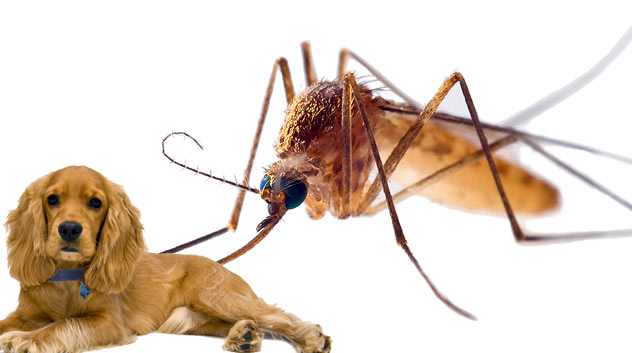
Heartworm disease is a worm parasite that infects the heart and lungs of dogs. The disease has devastating consequences for positive dogs as the worm damages heart and lungs tissues leaving the infected dog prone to clots, inflammatory lung and heart disease, and eventually heart failure. The disease is spread by the bite of an infected mosquito when it feeds on a canine host.
Related: Heartworm Disease In Dogs & Cats
Mosquitoes reproduce in fresh or brackish, standing water and moist soil. The female lays her eggs in water and wet or moist soil daily during her 4-8 week lifespan. The eggs hatch into larvae, form into a pupa, then emerge into an adult mosquito in about 2 weeks. This is why in the aftermath of mass flooding events like hurricanes mosquito blooms occur within a couple of weeks after the storm clears out. With this massive increase in the overall numbers of the insect vector by which heartworm is spread, heartworm risk greatly increases in the months following tropical storms and hurricanes.
While heartworm is a year round risk in much of the southeastern United States and year round prevention is strongly advised, it is especially critical to administer timely heartworm prevention medication in the months following a major tropical storm or hurricane. Luckily, heartworm prevention medications are both safe and affordable, with most products administered orally or topically on a monthly basis (with the exception ProHeart, which is administered by injection once every 6 months).
In the aftermath of bad storms people have to deal with loss of homes, businesses and tragically even loss of life. It can be easy to forget to administer monthly heartworm prevention to your dog(s) with so much to cope with in the aftermath of a storm, but with potentially tragic health circumstances to dogs if forgotten, in addition to offering well wishes to all who experience major storms, this is also your friendly reminder to keep all of your dogs current on their heartworm medication.
Dr. Roger Welton is a practicing veterinarian and well regarded media personality throughout a number of subjects and platforms. In addition to being passionate about integrative veterinary medicine for which he is a nationally renowned expert, Dr. Welton was also an accomplished college lacrosse player and remains to this day very involved in the sport. He is president of Maybeck Animal Hospital , runs the successful veterinary/animal health blogs Web-DVM and Dr. Roger’s Holistic Veterinary Care, and fulfills his passion for lacrosse through his lacrosse and sport blog, The Creator’s Game.
Leptospirosis – A Deadly Hidden Health Hazard For Dogs & People After Hurricanes
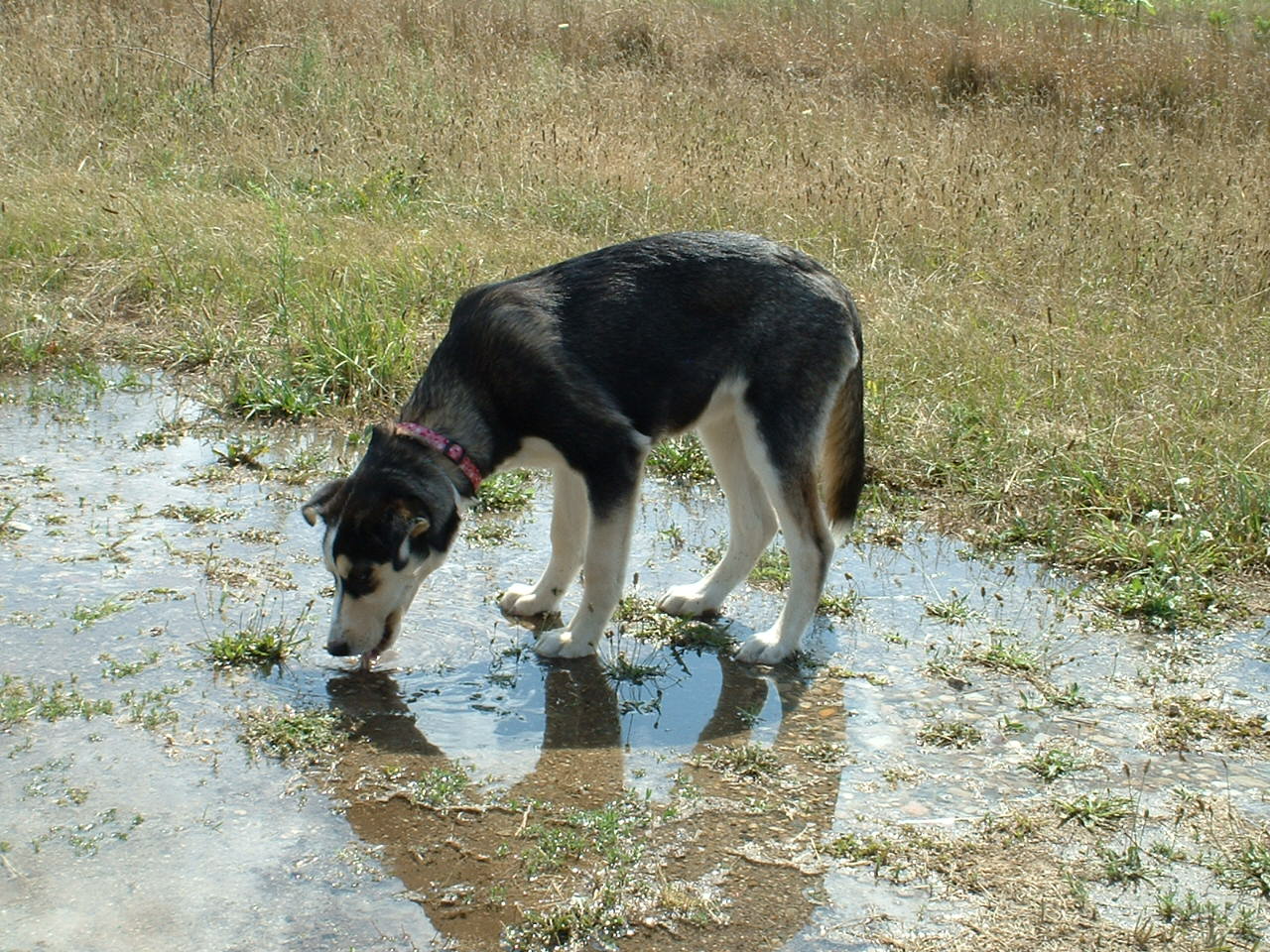 Leptospirosis is a rising infectious disease health hazard for dogs as urban sprawl puts people and their domestic pets in closer and more constant proximity to wildlife populations. Leptospirosis is caused by infection with Leptospira bacteria that thrive and can persist for long periods in fresh water, most commonly standing water (lakes, ponds, puddles). Leptospirosis in infected dogs causes disease that can range from liver failure, kidney failure, or both. Mortality rates in infected dogs often approach 50% as infected dogs are commonly in advanced stages of infection upon presentation to a veterinarian.
Leptospirosis is transmitted into the environment most commonly by the urine of asymptomatic wildlife rodents including squirrels, rats, mice, as well as farm animals. Dogs that come in contact with water contaminated with urine containing Leptospira bacteria are susceptible to infection. The disease is reported rarely in cats and appears to present only mild forms of the disease, but their ability to transmit the disease and its incidence in the feline species remains poorly understood.
Most troubling of all is that Leptospirosis can be transmitted from animals to people. Although dogs are far more commonly affected than people, care should be taken to keep dogs immunized in Leptospirosis prone areas, recognize early signs of disease in dogs, and to maintain the best possible hygiene when in contact with stagnant water or dogs known to be infected with the disease.
Leptospirosis infection in people can range from mild flu like symptoms to liver and kidney failure. The very old, very young, and immune suppressed are at the greatest risk for infection. Still, the risk to people remains generally low with the species most commonly and severely affected being the domestic canine.
For a disease that is caused by infection with a bacteria that best thrives and persists in fresh standing water and spread by the urine of wildlife and farm animals, it should come as no surprise that infection with Leptospirosis is of particularly greater concern when hurricanes cause mass flooding. Look no further than images of the aftermath of Hurricane Harvey in Texas to see people and dogs forced to wade and persist in standing water shared with the area’s wildlife and livestock. The incubation period of Leptospirosis is only 5-10 days, so severe clinical infection could occur at a time when post storm health services for people and pets are still largely unavailable.
Thankfully, there is an effective vaccine produced by several animal health vaccine manufacturers. It is strongly recommended for any dogs that live near or around fresh water, and most certainly for dogs that live in hurricane or flood prone regions, to remain current on Leptospirosis immunizations.
Dr. Roger Welton is a practicing veterinarian and well regarded media personality throughout a number of subjects and platforms. In addition to being passionate about integrative veterinary medicine for which he is a nationally renowned expert, Dr. Welton was also an accomplished college lacrosse player and remains to this day very involved in the sport. He is president of Maybeck Animal Hospital , runs the successful veterinary/animal health blogs Web-DVM and Dr. Roger’s Holistic Veterinary Care, and fulfills his passion for lacrosse through his lacrosse and sport blog, The Creator’s Game.
Preparing Pets For Natural Disasters
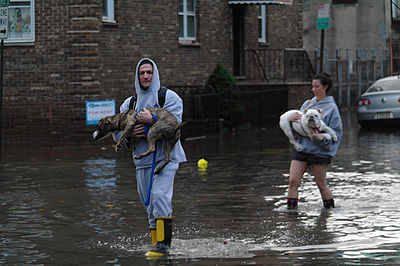 The loss of personal property, homes, businesses and worst of all, loss of human life are devastating when natural disasters occur. One of the most under-reported and overlooked aspects of natural disasters such as hurricanes, mass flooding events, tornadoes, and wildfires, are the countless animal casualties and displaced pets that result from these events.
In the case of storms and wildfires, as the result of climate change, the frequency and severity of these events are poised to get worse as is clearly evidenced in the past decade. In addition to preparing your homes, business, and families for weathering these events, it is important to also plan for your pets.
Identification
Be certain to have all dogs and cats fitted with identification tags with all of your pertinent contact information in the event they were to get lost. Even better, I would recommend having them micro-chipped, especially cats who notoriously are very good at wriggling our of their collars or losing their tags. Microchips are encased in tiny capsules that are implanted by a simple injection into the loose skin between the shoulder blades on the dorsal region of dogs and cats. They contain a chip number that is unique to the pet’s family that pulls up all of the owner’s pertinent contact information. When lost animals are brought into shelters and veterinary clinics, the first thing staff will do is scan for a microchip.
Be certain to always make sure that chip services are up to date. For many pet microchip companies, the information a chip is attached to remains stored only if the service is kept current, usually by paying a nominal yearly fee. In addition to keeping chip information current, when pets are lost, most services also include sending out blue alerts to all local shelters within a certain radius of where the pet was reported missing.
I cannot overstate the importance of microchips. Home Again, one of several microchip companies, alone recovers one lost pet every 6 seconds in the United States.
Keep Enough Carriers On Hand
This may not apply to large dogs, but in general, large dogs are leash trained and more manageable to keep restrained in the event of evacuation. For cats and little dogs that are easily spooked and prone to running off, it is recommended to always evacuate with pets secured within carriers. Most shelters these days will allow pets to enter but often have a carrier requirement for entry.
Not having enough carriers for each individual pet makes this process more difficult and stressful for the pets involved. I have learned this from personal experience having had three cats for two carriers, with two of the 3 cats being rather on the portly side. It was not fun for my kitties or for us to cram two of them into one carrier that was meant for just one.
Pack All Medications
If you are planning for a potential evacuation, be certain to pack all essential medications for your pets. For many diseases such as congestive heart failure, chronic active hepatitis, and diabetes to name a few, a pet’s life depends on receiving timely medication.
Preventives are not essential for sustaining life, but with excessive standing water following hurricanes and mass flooding events, mosquito blooms are inevitable. Mosquitoes are the vector for heartworm transmission in dogs and cats. Be certain to keep them up to date on heartworm preventives especially after natural disaster events that lead to mass flooding and prolonged periods of standing water.
Be Certain That Immunizations & Parasite Screenings Are Up To Date
In the event that you cannot take your pet with you as you are forced to evacuate, hurricane safe kennels are an option to leave your pets. Most kennels require up to date immunizations, negative stool analysis, and negative heartworm screening within a year’s time prior to a pet’s stay. These are policies intended to keep all animal guests in a kennel as safe as possible from infectious disease and parasites. Do not wait until a natural disaster is knocking on your door to make certain all pets are up to date with their yearly visit.
In addition to kennels, if you keep your pets to accompany your family at a public shelter, most will require at least an up to date rabies immunization, given the danger the disease poses to human health. Thus, it is also prudent to keep your pet’s current rabies tags and/or certificates on you to prove that they are up to date.
Dr. Roger Welton is a practicing veterinarian and well regarded media personality throughout a number of subjects and platforms. In addition to being passionate about integrative veterinary medicine for which he is a nationally renowned expert, Dr. Welton was also an accomplished college lacrosse player and remains to this day very involved in the sport. He is president of Maybeck Animal Hospital , runs the successful veterinary/animal health blogs Web-DVM and Dr. Roger’s Holistic Veterinary Care, and fulfills his passion for lacrosse through his lacrosse and sport blog, The Creator’s Game.
Veterinary Industry Needs To Better Communicate The Value Of Wellness Care
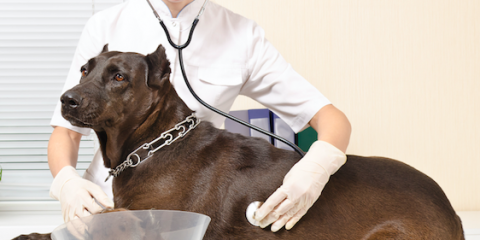 Many full service veterinary practices view high volume, low cost vaccine clinics with disdain. These places, depending on laws in their respective states, often administer dogs and cats with all manner of vaccines without a licensed veterinarian so much as glancing at the patient. They even dispense prescription level preventative medications like heartworm preventives and new generation prescription oral flea/tick preventives. These clinics operate in this manner in states like my home state of Florida because of prescription law loop holes that allow for a legal doctor-patient relationship to be established provided that a state licensed veterinarian merely be in the building at the time of the pet’s visit medication to be prescribed and even the ever important rabies immunization to be administered.
Where does the disdain for these types of establishments and their veterinarians come from? To begin with, although it may be legal, most of us view this type of practice to being unethical at best, dangerous at worst. They make no attempt to follow the most current vaccine protocols and usually do not gauge risk assessment for individual patients since a main driver of their income is vaccine revenue. The result is commonly unnecessary and over-vaccination, some pets receiving vaccines that should not (due to chronic disease that otherwise may have been detected had a proper examination been done prior to immunization administration), and of course, many pets not having a veterinarian actually examine them sometimes for years.
However, while these are important points and justifiable critiques of this paradigm of veterinary medicine, the full service general practitioner’s dislike of high volume discount vaccine clinics most vehemently stems from the fact that they have successfully managed out-market them in devaluing the traditional well visit, complete with a comprehensive, hands on examination by a veterinarian and the establishment and maintenance of a vibrant doctor-patient-client relationship. High volume clinics have convinced a significant number of the pet owning public the a yearly visit is nothing more than “just shots,” and the rest of us are just ripping them off for including parasite screening, heartworm screening, and a comprehensive physical examination as necessary components to the yearly well visit.
There was a time many years ago when I was one of those general practitioners and owner of a full service veterinary practice that was filled of ire for high volume vaccine clinics. I not only judged the veterinarians that chose to work for them, I also judged the people that would choose such poor care for their pets. It was not until I joined Veterinary Study Groups (VSG), a co-op of hundreds of veterinary practice owners that combine our collective resources and knowledge to facilitate best practices in the industry to grow our practices while facilitating optimal client and patient care; that I realized that the high volume clinics and their veterinarians were not the problem…I was!
The truth was that veterinary medicine had a very cushy, seamless run from the mid-seventies through the early 2000’s. The industry had resisted volume based discount competition and big corporate influence much more successfully than other industries had. Even early in my career for a few years after I had graduated in 2002, all a veterinarian had to possess to be successful was the ability to provide good medicine and present a good bedside manner.
Three factors really changed this Utopian veterinary reality:
1.) Shrewd people that were more business and less veterinary focused cleverly saw the high volume, low cost opportunity in an industry too comfortable to realize the massive change their inception would bring.
2.) The Great Recession of 2008 leaving a nation of pet owners reeling to cut costs wherever they could.
3.) Full service veterinary practices naively (or perhaps arrogantly) assuming that pet owners would quickly be turned off by the impersonal, assembly line like paradigm of high volume, low cost vaccine clinics as they began to appear.
It took VSG to make me (and many other members) realize that we as an industry failed to communicate the value of yearly veterinary well care for dogs and cats. While we believed in its value personally, over time we did a poor job communicating its value to our clients. We ran the stool and blood parasite screening and only called clients if they were positive with a “no news is good news” policy. We went through our physical examinations without providing the client continuous diagnostic feedback to establish the “why” of what we were doing. In hindsight, it should have been no surprise that a significant percentage of pet owners lost the appreciation for the value of the comprehensive well visit and saw it as little more than their pets shots and subsequently had no qualms about getting them done some place cheaper.
Fast forward nearly 6 years since joining VSG, and the percentage of well visits my practice sees rivals that of the good old days before high volume clinics sprang up. From the technicians to the doctors, we offer clients physical examination diagnostic feedback, we call even when parasite screening tests are negative, report all quantitative vital sign information in real time. In the process, we enhance the lives of our patients and the families that love them by catching disease in its early stages, engage in nutritional counselling, and catch parasites before they make the pet devastatingly ill or put the human family at risk of human contagion.
There are still 3 high volume, low cost vaccine clinics within 5 miles of my practice and I do not care. I do not give them a second thought because I have the confidence of knowing that once my veterinary medical team has the opportunity to get clients and their pets through our door, they will leave appreciating the value of comprehensive routine well care and be more than happy to return in the future….and tell their friends.
Dr. Roger Welton is a practicing veterinarian and well regarded media personality throughout a number of subjects and platforms. In addition to being passionate about integrative veterinary medicine for which he is a nationally renowned expert, Dr. Welton was also an accomplished college lacrosse player and remains to this day very involved in the sport. He is president of Maybeck Animal Hospital , runs the successful veterinary/animal health blogs Web-DVM and Dr. Roger’s Holistic Veterinary Care, and fulfills his passion for lacrosse through his lacrosse and sport blog, The Creator’s Game.

Keep your pets safe this holiday season!
The holiday season is right around the corner starting with Halloween (yes, in my home, we consider Halloween a holiday!). It is both a joyous and busy time and it can be easy to overlook certain...

Help for nervous/anxious dogs
There seems to be a growing number of excessively nervous, often skittish dogs. This can range from anxieties, such as noise or storm anxiety, anxiousness about being separated from pet parents,...
Bird flu is infecting cats and cases are rising – What you need to know!
H5N1 Avian Influenza is causing far more trouble than just just high egg prices. The bird flu has successfully jumped species now able to infect cats and people. Although the ability to infect...
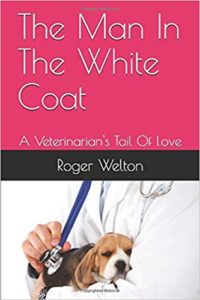
Read Dr. Roger’s Latest Book!
 Be Healthy & Fit With Celebrity Trainer Steve Jordan
- The New Measure of a Life Well Lived: Why Health Span Matters More Than Longevity
- The Wealth Spark: Igniting Your Path To Abundance and Success
- Bright Line Eating with New York Times best selling author Dr. Susan Peirce Thompson
- Maximizing Your Workout Time: Efficiency Tips from Westwood Private Fitness
- How to Transform Your Dad Bod: Insights from the Fit Father Project – New Podcast Episode Out Now!