The Dog: Con Man or Opportunist?
 “You give them an inch, and they take a mile!”
Yep, we’ve all heard that saying before. But what does that mean when we speak about our furry children? Well, my intrepid pet parent, it means that Fido has learned more about who we are than most of our dear friends!
You see, our dogs (notice I’m purposefully leaving out cats in this conversation; they’re a whole other hairball of wax!) have masterfully observed our routines, idiosyncrasies, and yes even weaknesses, over the months and years of sharing a roof with us. Who will drop their last bite of dinner first onto the floor for me? Young Billy the toddler, or mom, or dad? Who’ll allow the longest leash distance so I can spend the most time smelling the good odors in the grass or sidewalks? We love our dogs, and want to give them as much of the good life as we have, so where’s the harm?
Many conversations in the exam room begin and end with behaviors that we as pet parents thought are benign, innocent, and unintentional at home; then find out that they are the source of unwanted (notice I didn’t say ‘bad’!) consequences, behaviors, and sometimes weight gain. Do you have an overweight dog who gets “just a lick of the plate once I’m done!” or “my kids sneak treats or crackers or leftovers when I’m not aware”? Not only is Fido what I like to call “an easy keeper” meaning they easily pack on the ounces (or pounds), but he has figured out who is the source for all the great calories, and where to keep returning to beg for more! And, moreover, this behavior often leads to a decrease in appetite for their routine dog food, and leads to questions in the exam room about whether to change foods in the near future due to the perceived pallet preferences. Well, if you or I were offered a rare delicious snack that paled in comparison to our daily meals, I’d hold out for that snack more often too! And, keep in mind that our rich modern diets are often way more calorie-dense when feeding the equivalent to Fido!
And, that is where the con-man vs. the opportunist dilemma comes into light. If Fido sits, stays, and stares with his beautiful saucer-like eyes long enough, will he get his sought-after treat? He has learned who to play with and how to play the Game of Snacks (where it’s a rotating challenge of who will give in first, and to the victor go the spoils of delicious treats and leftovers!)
Do you see yourself or a family member(s) as the unknowing peasant (er, I mean pet parent) in the Game? Well, have no fear or embarrassment! We love the Fido’s in our families; and with that love, we want to offer them the best of everything, including allowing freedoms to the fullest extent and food of the greatest spoils. But with that love, we must also balance trust, respect, and expectations within the family rules to make Fido the best family member he can be!
Stay tuned for the next chapter where we’ll conquer how to encourage Fido to be less of the con-man and be more of the family champion!
See also: Chapter 2 in the Game Of Snacks (or Less Food & More Praise)
Dr. Jessica Boudreaux-Milligan is Web-DVM contributor and attending veterinarian at Maybeck Animal Hospital in West Melbourne, FL.
Exceptional academic achievement, thousands of hours of animal volunteer and work experience, 8 years of rigorous schooling, and hundreds of thousands of dollars of student loan debt to fulfill your dream of…working for Walmart?
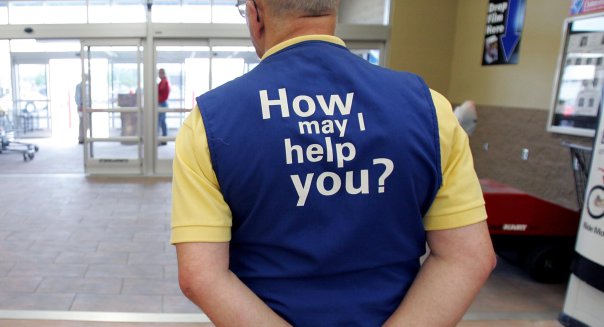 Most of us have heard conspiracy theories about the New World Order we are destined for through the alleged diabolical intent of secret societies such as the Free Masons. To conspiracy theorists, I say forget the Free Masons! They should instead be focusing their attention on Walmart and their New World Order mission as it continues to grow its increasingly massive share of the US commercial pie. Of course, I am only kidding, but you see my point.
Not only can you now get your eyes checked, have a McDonald’s lunch, go grocery, sporting goods, electronics, and gun shopping, all while you have you car’s tires rotated and oil changed; you may soon be able to add taking fluffy to the vet on top of that as well. Walmart announced it’s soon to launch veterinary clinic will be in my home state of Florida. The pilot clinic will be in Tampa on the West Coast, or as we East Coasters like to call it, the Left Coast. I imagine it will not be long until they make their way to the Florida’s Right Coast and eventually to the rest of the country.
I have to believe that in a profession that is 5 times more competitive to get accepted to school and earns on average 3 – 4 times less than our human MD equivalents, yet graduate with similar student loan burdens; that people who pursue the path of veterinary medicine must have been driven by the same passion that drove me and still drives me almost 15 years into my career. I will never understand veterinarians that reconcile that dream with working for high volume, low cost spay, neuter and vaccine clinics. Reconciling all of that work and passion as a Walmart employee will prove to be perhaps even more perplexing to me, but whatever it is that drives vets to choose these paths is really not my concern, so I digress…to each his own.
While some of my colleagues are rather ticked off at Walmart’s assault on yet another small business driven industry, as a practice owner, I personally will not lose a single wink of sleep about it. In fact, I could not care less about Walmart having veterinary clinics.
A wise marketing expert I recently met compared the entire pet health care industry in my local community to the large pitcher of water pictured below.

He then reflected on the high quality patient and client care of my American Animal Hospital Association Accredited (AAHA) veterinary practice to the small glass below.

My goal, he said, is merely to keep my glass full, not to compete for the whole pitcher, for within that pitcher are a certain ilk of pet owning consumers that will readily sacrifice quality for cost; sacrifice personal attention and optimal doctor-patient-client relationship for just being another one of Walmart’s billions of customers; sacrifice veterinary university teaching hospital standards of care for…whatever it is Walmart will offer. What drives these consumers is also not my concern, as I will again digress…to each his own.
I am confident that my practice’s glass will remain full Walmart notwithstanding, as my medical team and I have had the privilege of seeing countless pets owned by outstanding compassionate, intelligent, loving individuals that value the kind of patient and client care that we offer for years. These wonderful people and their furry family members feed the passion of my medical team, make our jobs enjoyable and rewarding, and push us to continuously strive to improve and offer the latest and greatest schools of veterinary medical thought, techniques, equipment, procedures, and best practices.
Walmart can have all of the rest. 🙂
Dr. Roger Welton is the President of Maybeck Animal Hospital in West Melbourne, FL, Chief Editor of the Veterinary Advice and Information Website, Web-DVM, and founder/CEO of Dr. Roger’s Holistic Veterinary Care.
The Common, Possible Silent Killer That Most Dog Owners Are Not Aware Of – Canine Idiopathic Vacuolar Hepatopathy
 Idiopathic vacuolar hepatopathy is a chronic inflammatory liver disease seen most commonly in small to mid-sized terriers, but can be seen in any size dog or breed. Vacuoles are small structures in the cell membrane that are normal for certain types of body cells. They are not normally present in the cell membrane of liver cells.
Certain circumstances can lead to formation of vacuoles in liver cells, such as drug therapy, stress, certain endocrine diseases, and other chronic illnesses in the body. Idiopathic vacuolar hepatopathy refers to liver cells forming vacuoles in liver cells for no apparent reason. The presence of these vacuoles, which most commonly consist of glycogen or fatty structures called lipids, causes the liver cells to become distended and often lead to liver enlargement and chronic inflammation at the cellular and tissue level. Over time, this inflammation has the potential to lead to cancer or cirrhosis of the liver.
The most troubling aspect of this disease is that it does not cause any outward signs, often for years. It is discovered most commonly incidentally when we may draw general bloodwork for a dental or surgical procedure. Most commonly, one of the three liver enzymes that we use to assess liver health in blood chemistry profiles, ALP, is either elevated solely, or more disproportionally so in comparison to the other two (AST, ALT).
Because any injury or insult or concurrent endocrine disease can cause liver enzyme elevations, confirming a diagnosis of idiopathic vacuolar hepatopathy requires imaging of the liver and fine needle biopsy. My preference is abdominal ultrasound where a diffuse hyperechoic (brighter) appearance to the liver, blunted liver edges, and generalized enlargement are common characteristics of the disease; and an ultrasound guided non-surgical biopsy can be taken using a needle biopsy device called a Tru-Cut. This can be done with only mild sedation.
Fortunately, idiopathic vacuolar hepatopathy is very treatable in dogs. When caught early, signs of disease are usually well managed, and are often 100% reversible with a good to excellent prognosis. Unfortunately for cases that that go undetected for too long, the end result is can be liver cancer or cirrhosis of the liver at a young age.
The best way to combat this disease is early detection and inexpensive, non-invasive therapeutic intervention. Therapy begins with a low fat diet with administration of pharmaceutical grade liver protective and regenerative supplements, SAM-E and milk thistle. In more advanced cases, it is sometimes necessary to add a medication that contracts the gall bladder called ursodiol. More aggressive contraction of the gall bladder in this manner makes the liver/gall bladder system more dynamic and relieves congestion that often results from the disease.
I generally recommend routine general blood work starting at 5 years of age. This is especially important for small to midsized terriers that most commonly are genetically predisposed to canine idiopathic vacuolar hepatopathy, such as Yorkshire Terriers, Silky Terriers, Scottish Terriers, Jack Russell Terriers, Rat Terriers, and Cairn Terriers.
Roger L. Welton, DVM
Founder and Chief Editor, Web-DVM.net
Author, The Man in the White Coat
Article updated 8/19/2026
There’s a First Time for Everything (including blogging) (or, a veterinarian’s diary in the digital age)
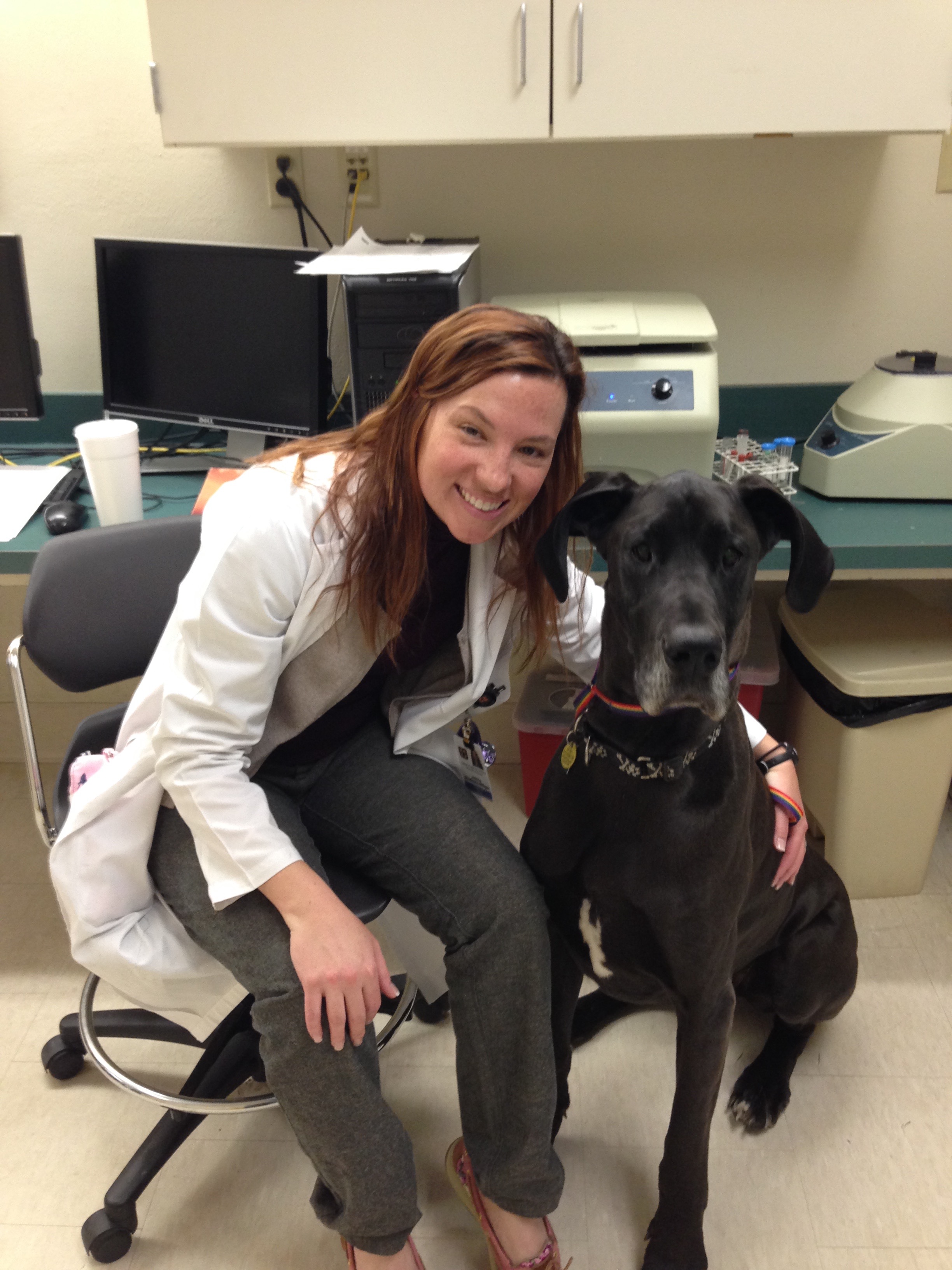 Have you had the guts and support of those around you to chase the dreams you’ve had since you were knee-high to a grasshopper (for those of you who aren’t Urban-Dictionary-ing (yes, I used that as a verb!) that phrase, it means ‘really young kid’)? Well, I am happy to shout from the rooftops and mountain tops that I have been a very blessed and fortunate soul; and not without a dash of stubbornness, and some (like my husband and I) would say blissfully ignorant of any obstacles and sacrifices that got in the way of becoming a veterinarian, after having a successful career in human medicine too, by-the-way.
As such, having worked in the field as a veterinary technician throughout college, practiced as a Physician Assistant prior to and after veterinary school, and now two years into vet practice in my mid-thirties, I feel I can safely say I am where I belong. And, hey, I ‘ve always been a late-comer when it comes to life-changing events, so why not include a second career and first-time blogger in the mix also?
You know the saying “It takes a village to raise a child”? I think my life motto is and has been “It takes a whole lotta people to raise this village idiot!”. Even on our best days, where we give a life-saving diagnosis to one patient and think we’ve just conquered the Mt. Everest of diagnostic conundrums, we come to the end of the road for another and concede defeat. We are trained in the ivory castles of vet school academia to hone our diagnostic skills, improve our client communication abilities, and become scientific perfectionists; however it’s only after graduation we realize we learn the most in the exam room with you, the client, and the pet as the loving family member in need of our attentions, right there and in that moment. And everyday I acknowledge there is so much more to become than simply the DVM title I am so dearly paying back gratuitous student loans for! We are your friends, extended family, and moreover voices for the family members without words (although they truly try to tell us something everyday with barks, meows, squawks, neighs, mooing, clucks….). We, as a profession, are so much more driven by our empathy and love for our non-human kin to do better and be better medical providers that frequently we put everybody and everything else ahead of our own needs. If the zeal of one’s career alone drove mankind to awake every morning eager to return to the office/farm/job site, imagine the power of that positivity spread 7 billion times over…oh, the possibilities!
With this blog, I promise these things to you (reminding myself of a random 98 Degrees song right now…):
- Inform you, the interested blog reader, of scientific knowledge you should have in your toolbox at home regarding both you and your pet.
- Encourage you like those who encouraged me to chase down a dream and make it into a joyous reality.
- And, if all goes according to plan, have a chuckle or too in the process. Because, as yet another saying goes, “This village idiot loves to laugh!”….yeah, I made that one up.
Dr. Jessica Boudreaux-Milligan is Web-DVM contributor and attending veterinarian at Maybeck Animal Hospital in West Melbourne, FL.
Xylitol, A Common But Largely Unkown Killer Of Dogs
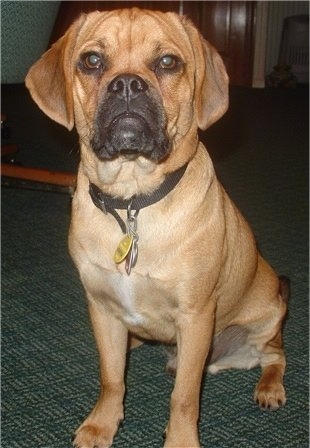 This story is about Reggie the miracle Puggle (Beagle, Pug cross) who has more lives than most cats. He is a lovely dog but has an uncanny tendency to get himself into trouble…mostly due to his insatiable desire to anything and everything! I will not get into all of other trouble Reggie has gotten himself into, as this article is about xylitol toxicity, but suffice it to say that despite his dedicated and wonderful family’s best efforts to keep bad things out of Reggie’s tummy, Reggie once again managed to steal a pack of gum out of a visiting friend’s purse. The purse was up high on a counter (the picture to the left is not Reggie but a pretty good likeness – can’t post a picture due to patient confidentiality) that a dog Reggie’s size should not be able to reach.
This gum like many other brands of gum, had 1.6 grams of xylitol in each cube. Reggie’s toxic dose per his body weight is 6 grams and he ate 30 cubes. Simple math tells us that Reggie consumed 8 times the toxic dose of this compound that is extremely toxic to dogs.
Xylitol is in a naturally occurring sweet compound that is commonly found in berries, corn, plums and other fruits. Commercially, it is extracted from corn and certain other vegetables and is used as a sweetener in many foods, oral care products, and medicines. It has increased in popularity because, although it sweetens as well as, if not better than, sugar, but it has 2/3 less calories per unit volume than sugar. Thus, xylitol is commonly found in sugar free chewing gums, candies, mints, toothpastes, cough syrups, pediatric medicinal suspensions, and is especially popular in low carbohydrate protein bars and shakes. It is listed commonly on the nutrition label as a class of sugar substitutes called sugar alcohols.
Xylitol is safe for use in humans and is widely considered a low glycemic index sweetener that is safe for diabetics. In the case of oral health, research supports that xylitol even reduces the buildup of plaque on the teeth. Aside from the occasional laxative effect it has on some people that may lead to mild GI discomfort or diarrhea, it by and large is considered quite safe for people.
The reason it is safe for people is that xylitol passes through the intestinal tract of humans without triggering the pancreas to release insulin. Quite oppositely in dogs, xylitol stimulates the pancreas to cause rapid release of insulin, the hormone responsible for signaling boy cells to take up blood glucose, leading to severe hypoglycemia, seizures, coma, and death if not treated quickly. Xylitol also causes liver failure in some patients, but the mechanism by which it damages the liver remains unknown.
In Reggie’s case, incredibly, he never experienced the most common and severe side effect of hypoglycemia. My hypothesis as to why this was the case is that one of the severe cases of disease that Reggie survived as a young dog was the most severe form of an inflammatory disease of the pancreas called pancreatitis. It took a combination of several days of intensive treatment, a collaboration of several veterinarians, and an extraordinary dedicated family to facilitate his survival against the odds over 5 years ago.
Interestingly, this bout of pancreatitis may have left Reggie’s pancreas functional enough for his metabolic needs to sustain a healthy life, but perhaps in some level of a compromised state the prevented his pancreas from rapidly releasing insulin. How ironic it would be if a previous bout with a life threatening illness earlier in his life may have facilitated Reggie’s survival this time around.
In any case, it is very fortunate that Reggie did not experience hypoglycemia as he did go into liver failure to the extent that he developed an inability to clot. The clotting mechanism of the body is a biochemical cascade that causes coagulation and stoppage of bleeding when it occurs. Coagulation factors are synthesized by the liver, so when the liver is in failure, it cannot produce enough coagulation factors to stop bleeding. Reggie was not only in a state where his liver could not perform its necessary detoxification functions, but he could have bled to death from a very small cut.
5 days of intensive care hospitalization later, Reggie the miracle pug was discharged on oral medication as an outpatient and back to the care of his family. In his re-check lab work this week, he had marked improvement in his liver values and clotting profile, and per his Mom, he was back to his naughty ways of trying to steal food again. I like his chances of continuing on to make a full recovery as long as his family can manage to keep him out of trouble.
I chose to write about Reggie not only because he is an incredibly loving and tough – albeit naughty – dog, but he has an uncanny will to live and iron physical constitution. His loving family is also an example of what vigilance and lack of hesitation to seek help can accomplish. Reggie’s Mom rushing him to my practice in a moment’s notice once she realized what had happened was a huge reason why he is in the mend now.
Most importantly, I did not want what Reggie and his family have gone through to happen to others, as the dangers of xylitol toxicity in dogs is largely unknown. Please join me in spreading awareness about the dangers of xylitol so that other dogs and families may be spared Reggie’s ordeal, for most dogs would not have been so lucky.
Dr. Roger Welton is the President of Maybeck Animal Hospital in West Melbourne, FL, Chief Editor of the Veterinary Advice and Information Website, Web-DVM, and founder/CEO of Dr. Roger’s Holistic Veterinary Care.
Daily Dog Walks Are Far More Than Just Exercise!
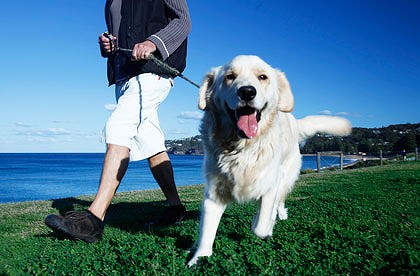 This post is more a personal story, but I hope others can learn from my revelation.
Last week two of my dogs got into a fight with each other. I don’t know what was said, but they were both extremely upset, and we had some minor injuries. There had been tension between them before, but this was the crescendo.
So of course, I am addressing the issue. Building the confidence of the weaker dog, and letting everyone know they are loved. I consulted a veterinary behavior spet, and in the process of writing the (14 page!) history, realized one aspect of the solution to the problem.
In cases of inter-dog aggression, solutions are hard, long, complex, and labor intensive. Yet, when I was filling out that behavior history form, I had an epiphany.
In vet school, I completed a senior year rotation in behavior medicine at Purdue University. My school, University of Illinois, did not have a behavior spet on staff, and I wanted advanced training in the subject. I had taken the behavior electives in vet school (from visiting professors) and wanted even more. I saw clients with the spet at Purdue and learned a lot.
The first thing he would often recommend for any kind of anxiety was daily walks. Twenty minute walks. Three a day.
Yes, that is an hour of walking. Every. Day.
I saw the shocked looks on pet owner’s faces. The denial. “It’s not possible.” Then he would explain why it was integral to the treatment plan.
Walks are more than just exercise. Not that exercise alone isn’t a great reason to get your dog out walking. Exercise increases endorphins – those feel-good chemicals that are responsible for “runner’s high.” Endorphins reduce stress and promote a feeling of calm, long after the exercise is over. Further, our dogs are pretty much couch potatoes. We work 8 hours a day while they sleep. We come home for a few hours, then go to bed. More sleep. Getting out and moving just helps get their blood pumping, joints lubricating, better for the body overall. Dogs need an outlet for their energy, even if they do not act “high energy” inside.
Besides exercise, walks are great mental stimulation! Sniffing that power pole and learning who peed there is fascinating. Seeing the neighbor dogs (hopefully in fenced yards) and barking “hello” back is exciting. Peeing on the signpost and boldly wiping your feet is rewarding. Nibbling some grass or finding gross things to try to eat before mom or dad takes it away can be downright awesome!
Better yet, it’s time that you are spending with your dog. Don’t take your phone. Just walk. Listen to the birds. Look at the trees. Breathe in the (hopefully) fresh air. Talk to your dog (I know I’m not the only one!) about how fluffy she is. Talk about who has the stinkiest bottom. Or who is toughest. My one dog struts proudly every time I tell him he’s a pretty boy on our walks. Make the walks positive. No yelling (OK, I might have yelled when my dachshund found the chicken bone in the street and tried to swallow it!). Keep it about love and fun.
So, I remembered that behavior spet’s suggestion and started going for walks. We get at least one 30 minute walk a day, and if it isn’t too hot, we get two. I walk all three dogs together (it’s not as horrible as it sounds). I’ve been doing this for a week, and I am already noticing major improvements in my dogs! Nothing else has changed, just the addition of the walks. My dog who used to go pout in the bedroom during the evening is out with us again, wanting love. All my dogs are interacting more with me and each other. They are bringing me stuffed babies to play. There’s a general calm in our house. Requests for tummy rubs are more frequent. Most importantly, everyone is interacting well with both the humans and the other dogs.
I trusted the behaviorist knew what he was talking about when he suggested daily walks, but I had underestimated the power of healing they could bring. I’m now a walk convert.
If your dog is having any kind of anxiety – separation anxiety, self-injury, between two dogs, whatever – try going for walks. Don’t skip a day. Get two in if you can. Obviously if your dog is older, obese, arthritic, or not used to walking, ease her in slowly and gradually.
Simply walking your dog will not resolve behavioral problems, but it will start you both off in the right direction. You’ll both be glad you did – my dogs are most certainly glad I tried it!
Web-DVM guest blogger Dr. Karen Louis is a practicing small animal veterinarian. See more of her articles at her blog at VetChick.com
Why Needing A Root Canal Made Me A Better Doctor
I historically seek out the positive sides of most unfortunate situations, but when I found out I needed a root canal on my right upper incisor, the only positive sentiment that I could muster was that there are many people dealing with far worse than this.
My tooth saga began 30 years ago playing hide and go seek in the dark in the basement of the house I grew up in. Unable to see more than a few inches in front of me as I was following my friend Jamie at a run, he pulled up short and my mouth ran into the back of his head.
My mouth and in particular, the base of my right incisor, bled a lot and hurt a lot. But despite the pain, I endured it and kept the injury to myself for fear that I may have to pay a visit to my sadistic childhood dentist. I swear to this day that guy reveled in the pain he inflicted on us. I never even knew that dentists routinely numbed your mouth to drill cavities until I heard it from my friends in college because my never even offered it!
Anyway, other than a slight discoloration of my tooth, everything pretty much went back to normal within a week’s time. Given my fear of dentists born of childhood dental trauma and lack of really giving my teeth a second thought, preoccupied with so much throughout my college and veterinary education, I did not see a dentist for nearly 5 years into my veterinary career. Miraculously, things were not that bad only needing a good cleaning, but my dentist did comment on my discolored tooth and recommended radiographs.
Essentially, she discovered that the tooth root was dead, but it was not causing any issues with pain nor causing resorption of the surrounding bone. She advised we watch it and repeat x-rays every other year.
About 12 months ago, 5 years into watching the tooth, a routine x-ray showed the clear beginnings of bone resorption around the tooth root, which meant that the tooth was now a problem. My dentist gave me a referral to an endodontist to get a root canal to solve the issue ASAP. She warned of serious pain and consequences should I procrastinate.
Naturally, I procrastinated, and one day 11 months later, I woke up with a pain so bad in the roof of my mouth that I felt it in my eye ball. Of course, it occurred on a Sunday, so I swallowed enough Advil to enable me to still eat and function for the day, and I called the endodontist begging them to get me in ASAP for a root canal.
Three weeks post root canal, I feel great, and aside from the cost of the procedure ($1200) and the fact that I had to deal with some pretty bad pain, I now have a hands on perspective of what bone resorption feels like and can now relate it to my canine and feline patients that often suffer far worse.
It is often a struggle to get owners to take dental health seriously enough to follow through on our recommendations for routine dentistry. Subsequently, all too commonly, as things get so bad that the owner can no longer stand within 5 feet of the pet’s breath without gagging and they book the dental, I often see pets with 10 – 14 resorptive lesions…and there I was ready to gouge my eye out from just ONE!
When I make my post-operative call to the owners and report to them the magnitude of the periodontal disease, they are often confounded that things were so bad, reflecting that the pet was eating fine and did not show pain. Then when they come in for the 2 week post op re-check, they report to me that their pet seems to have a new lease on life since the dental! I commonly hear, “I know he was laying around a lot, but I thought he was just getting old.”
You may ask, why are the signs of dental disease in dogs and cats so subtle as to escape the attention of the owner? It is because animals by nature attempt to not show outward signs of weakness and pain; because above all else, they know they need to power through and eat, drink, and sleep. Unlike me who wallowed in self-pity because my ONE bad tooth hurt so badly, dogs and cats do not have the self-pity gene.
So, how did this all make me a better doctor? My success rate in my recommendation of dentistry has gone up dramatically since my tooth saga, as no owner is spared the story of my root canal when I recommend dentistry. I even smile broadly so that they can see my discolored tooth, once a source of self-consciousness, now a proud symbol of being a champion for animal dental health!
Dr. Roger Welton is the President of Maybeck Animal Hospital in West Melbourne, FL, Chief Editor of the Veterinary Advice and Information Website, Web-DVM, and founder/CEO of Dr. Roger’s Holistic Veterinary Care.
Why Is Heart Worm Treatment In Dogs Such A Long And Drawn Out Process?
 When you find out your dog (or, in many cases, foster dog) is heartworm positive, you want to fix it! Let’s treat him and get rid of these heartworms! You know they can be deadly if not treated, so why wait? Then, when you learn how long the treatment takes, and we can’t start just killing worms right away, it’s a bit of a buzz kill.
Why do we have to drag this out? Heartworms are living inside a very important blood vessel called the pulmonary artery. This vessel takes blood from the heart and connects it to the lungs for oxygen, before the blood comes back into the heart to be sent on its way through the body. This blood vessel is not very big – the smaller the dog, the smaller the heart and vessels.
Imagine water going through a 1/2 inch diameter pipe (artery). It flows freely if there’s nothing blocking it. Now put some spaghetti (heartworms) in that pipe. The more spaghetti, the more clogged the pipe gets. Does it matter if it’s cooked or uncooked spaghetti? Nope – either way you’ve got yourself one clogged pipe.
In terms of heartworm, whether the worms are dead or alive is irrelevant to the poor artery who’s just trying to pump blood with every beat. We have a clog, and there’s nowhere for the worms to go. Where do they go when they die?
That is the central problem. In very very severe cases, worms can be surgically extracted by a spet. This is the small minority of dogs who can have this done, but it’s an option. The rest of us have to focus on “slow kill.” When a living things dies, it starts to decompose. Heartworms are no different. We have to give the body a chance to send in cells to digest and clean up the dying worm parts. This is literally happening, one. cell. at. a. time.
If the worms all die at once, we’ve made things worse! Now we have a clump of dead, decaying worms, which causes more irritation and inflammation to the poor artery that’s already clogged. Sometimes pieces of dead worm can break off and float into the blood vessels in the lung. This is what we are trying to avoid in heartworm treatment – pulmonary embolism. It can cause coughing, or it can be fatal. We vets like to avoid things that are fatal.
So we have to gradually kill the worms, to give the body a chance to clean up the debris. We also have to keep the dog resting to avoid increasing the heart rate. If she exercises and the heart really gets pumping, we’re more likely to have heartworm body parts end up in the lungs, blocking more vessels, causing massive inflammation, and possibly creating lifelong damage (assuming the dog lives).
Here’s a breakdown of why we do the steps we do, and what makes it take so long. This is war, and there are many fronts, and many battles to be fought before we can declare victory!
Step one – kill the babies
War is ugly. We kill the babies first, so they don’t grow into adult worms. How do we do this? This is actually the easiest step – we give the dog a heartworm preventative! It must be one that has ivermectin in it, like Heartgard, Triheart, or Iverhart, to name a few. The way these preventatives work is by killing worm larvae (microfilariae) before they migrate to the heart and grow up. (Here’s the article about that). Once a dog is diagnosed, it must be given heartworm preventative every single month throughout treatment, and for life. Actually, every dog should get monthly preventative!
Step two – kill the parasites that the heartworms brought
War is complicated – parasites can have their own parasites. In this case, heartworms carry a bacteria called Wolbachia. It’s actually more of a symbiotic relationship, and the theory is these bacteria actually help the heartworms reproduce and stay alive. The bacteria also causes more inflammation within the blood vessels than just the worms do. We kill the bacteria with an antibiotic called doxycycline or minocycline, depending on your veterinarian’s preference (likely factors are cost and the weight of the dog!). Dogs are typically started on this right away, and it’s given for a month.
Step three – wait for the inflammation to calm down
Sometimes in war you have to step back and let things happen. This is the most torturous part for pet owners. We have to give the antibiotic for 30 days. Then we have to wait another 30 days for the inflammation to subside. Some worms that were weak may die just from having their bacteria friends taken away. We’ll give the body a chance to clean up these worms.
Step four – kill the young, the infirm, the weak
We’re finally on the battlefield of this war. This is finally the “heartworm treatment” most people think of – and the dog was diagnosed 2 months ago! We give an injection of a drug (called Immiticide, or melarsomine) that actually targets adult worms. This first injection kills off the older worms, those who were weakened by the antibiotic. It’s also a kick to the healthy worms, to wear them down a bit. This is the beginning of the phase where rest is absolutely critical. Some veterinarians will prescribe prednisone during this stage to, again, combat the inflammation from the worms dying. This decision is made based on how the dog is doing, and how far the disease has progressed based on chest x-rays.
Step five – kill the wounded survivors
Wars must end (thankfully!)- this one ends with a strike that wipes out everything that managed to survive this long. Those young healthy worms who were not killed by the treatment thus far have been weakened. At least 1 month after the initial shot, we give two shots on two consecutive days. This 1-2 punch kills off the adults who managed to hang around this far.
Step six – let the dust settle
After the war, there’s clean-up. We must continue to keep the dog resting for one more month after the two-shot assault. More worms are dying, and we have to let them slowly degrade. After that, have your vet check him out to make sure he’s OK to ease back into regular activity.
Once you’ve made it through treatment, you want to know your dog is heartworm negative! Here’s a bummer. It takes 6 months for the body to clear out all the antigens that are detected on a heartworm test. If you do a test right after that last two shots, it will be positive. We have to have faith, and wait 6 months before we test – and then celebrate!
Web-DVM guest blogger Dr. Karen Louis is a practicing small animal veterinarian. See more of her articles at her blog at VetChick.com
Pets whose lives changed from weight loss
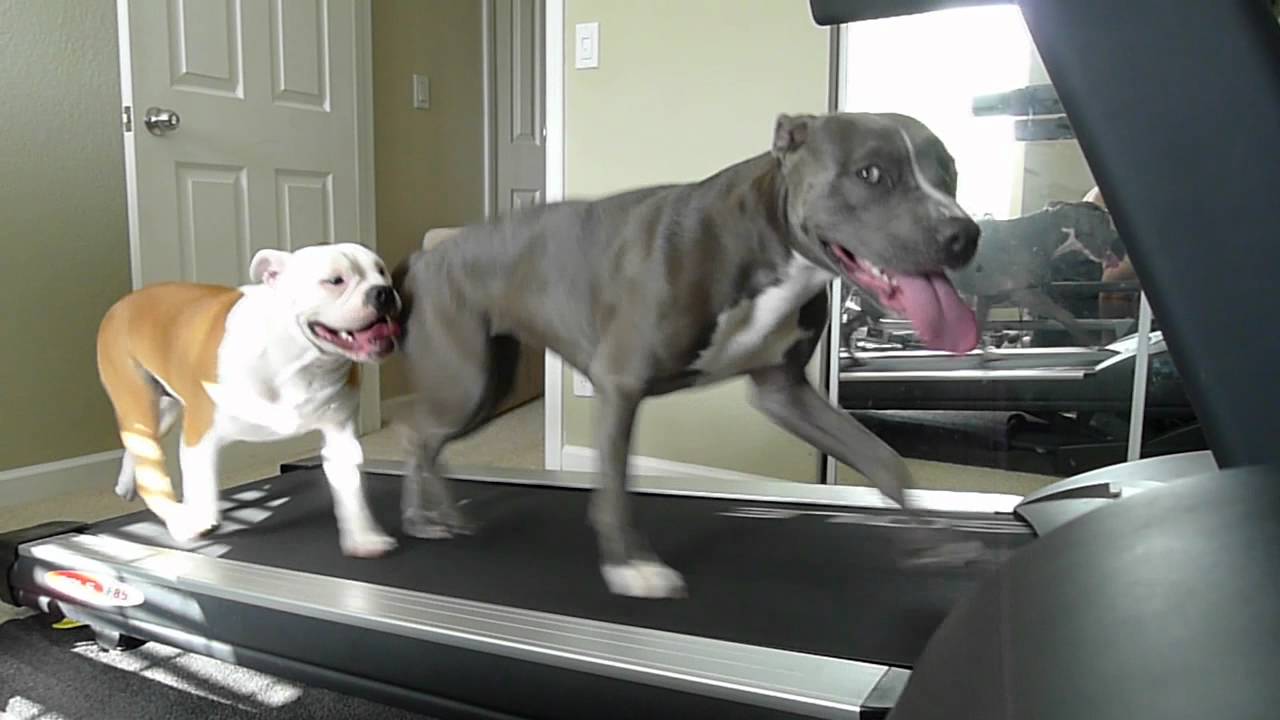 Obesity is, in the majority of cases, brought on by simply overfeeding. But you can turn things around! If you read my previous article on the tragedy of obesity, you need to know there can be happy endings! We just need to acknowledge the problem and intervene as early as possible.
Here’s two success stories of dogs for whom weight loss saved their lives!
Gunther
Gunther is an older lab with severe chronic injuries to his knees. His hips aren’t so hot either. He should weigh about 80 lbs. He weighed 98 lbs when I met him, and was having a lot of trouble getting up. I asked the owner how much she was feeding, and I got the typical answer of “this much” as shown with a thumb and index finger. She guessed it was 2 cups a day. I realized that, barring any major metabolic problem, there is no way this dog could weigh that much on 2 cups of food a day. Good news – I am a house call vet. She showed me the food bowl, which is always full. She said the amount in there was about how much he eats throughout the day. I pulled out my measuring cup and started scooping. He was eating TEN cups of food each day! I calculated how much he should be getting, and she started feeding a measured appropriate amount. Gunther is down to 78 lbs, and is moving much better! To boot, his owner saved a LOT of money on dog food!
Darcy
Darcy is truly a success story. She’s had surgery on both knees, but they still were rather arthritic. She was on three pain medications just to be able to stand and walk. A German Shepherd mix who weighed 90 lbs, she should weigh 65. Her owner knew she was overweight, but insisted on feeding her organic, grain free food. (Grain free food tends to be rather high in calorie). With Darcy hobbling around, even on multiple pain medications, barely able to get out the door to potty, her owner was considering euthanasia. Moving at all was difficult, and her owner was unable to lift her. She agreed to try my idea: forget the grain free and put her on a prescription weight loss diet for 3 months. Darcy got down to 72 lbs! She went from three pain medications to one, and lived feeling the best she’d felt in years! Better yet – by reducing her medications, her owner was able to put that money towards keeping her on prescription food, and still be money ahead!
So how can you turn things around for your pet? Here’s how to help your pet lose the pounds safely!
Web-DVM guest blogger Dr. Karen Louis is a practicing small animal veterinarian. See more of her articles at her blog at VetChick.com
Pet weight loss tips and tricks
 If you read my earlier article about the health risks of obesity, you might have been inspired (or scared!). If your pet needs to lose weight, the time to start is now. First, accept the fact that weight loss takes time – often months. If you have a large dog who has mobility issues, losing weight is hard, because exercise is obviously limited. If you have an obese cat, weight loss must happen slowly – to the tune of one pound every couple months! (Here’s my article explaining cats and their problem livers). And we all know getting a cat to exercise can be a challenge (getting a cat to do anything can be a challenge!).
It’s always a good idea to talk to your veterinarian about starting a weight loss program. There are some medical causes that can make a pet gain weight that are good to initially rule out. I can’t tell you how many fat dogs I’ve tested thyroid levels on, to disappointedly call the owner and report “bummer, your dog’s thyroid is perfectly healthy.” Cats tend to not develop low thyroid function, so we don’t have that rule-out for them. If you go to a clinic where you are rushed in and out in 10 minutes, and have no time to discuss weight management (it doesn’t need to take an hour – 5 extra minutes is fine) maybe shop for a new vet. Your veterinarian can give you a rough idea how much your pet should weigh. Sometimes it’s very hard to tell in obese animals. We’ll give you a goal, and may adjust that goal as weight loss happens.
Determine how much food your pet is currently eating
If you want to get the weight off your pet without changing diets, the first thing we need to do is determine how much the pet is actually eating. This involves measuring cups. The kind you cook with. A pet food scoop or a large cup from the gas station does not constitute a measuring cup! Buy a designated cup from the kitchenware department of the store. Many vets even have measuring cups they can give you!
If you normally fill up the bowl, do that, and then scoop it into the measuring cup, one cup at a time, to determine how much your pet is eating. There might be variability from day to day, so I suggest doing this a few times and taking the average. If your pet is like Gunther, and is getting 10 cups of food a day, going down to the 4 cups or so he needs might really rock his world. We need to ease them down.
If the amount is excessive, reduce slowly
A good rule of thumb is reduction by 25%. So if your dog is getting 10 cups, reducing to 7.5 cups a day for a month will be an adjustment! Then go down to about 5 cups for a month, then go down to the 4 cups he needs. Just even getting to the level he should be eating takes a couple months! (Back to that whole weight loss being slow thing!). Of course, if food is left in the bowl, we can decrease the amount we’re feeding faster, since the pet isn’t eating it all anyway!
With cats, we need to remember that a little goes a long way! Grab a golf ball or a ping pong ball. That’s about how big your cat’s stomach is. Clearly one cup of food three times a day is way too much! Many people feel like they are starving their cat, because the recommended quantities of food to feed are so small. It’s because we look at it and put ourselves in their shoes (“I would need more food than that.”) But we aren’t cats. Think golf ball.
Again, fill the bowl, and measure how much food it actually is. With cats the 25% reduction rule really holds! We cannot have them losing weight too quickly. Many cat owners prefer dry food, because cats are grazers, and it’s easier to leave that out all day. However, we’ve realized that canned food is actually much better for fat cats’ metabolisms than dry! (Here’s my article explaining why). If possible, getting your obese cat on canned food – any kind – may actually help weight loss!
If you have multiple cats that all share from the same bowls, portion control is next to impossible. It always seems when owners try that, the fat cat gets fatter and the skinny cat gets skinnier! Cats are grazers, so their bodies prefer to get 3-4 meals a day, not two like is easier for our schedules. With multi-cat households, it takes a lot of dedication to get weight off one of the cats. Food cannot be left down all the time. Cats must be separated for meal time (remember, more than three meals a day is ideal!) and fed specific quantities. The small frequent feedings work well with canned foods. But, I get it – if you work long hours and can’t feed your cats every 6-8 hours, what to do? Do your best. You might be one that needs to consider a prescription diet. Ask your veterinarian for specific guidance.
The most important things to remember are measuring, accuracy, and consistency! But what if the amount of food going into your pet at mealtimes is not excessive? Often the food is only part of the problem in overweight pets.
The real problem – treats!
Many owners of obese pets proudly tell me “…but she gets NO table scraps!” That’s fine. Problem is, commercial treats are loaded with calories! In my opinion, these treats are sometimes worse than getting table food! I have many owners that feed an appropriate or near-appropriate amount of food…and supplement it with dog biscuits, chewy treats, dental chews, etc. I often equate that to eating three healthy meals a day, and then eating a candy bar between every meal. Not exactly a good diet!
Let’s think about calories.
- The average indoor cat needs roughly 250 calories a day.
- A 20 lb dog (a dog who maybe weighs 25lbs and SHOULD weigh 20) needs about 450-500 calories a day.
- A 50 lb dog needs roughly 900 calories a day.
- A dog whose lean body weight would be 100 lbs (not your lab that weighs 100 lbs and should weigh 70) needs about 1500 calories a day.
Your veterinarian can calculate how many daily calories your particular dog or cat needs, but this is at least a rough idea to get the conversation started. Obviously, your pet’s body composition and activity level play a huge role! If your dog gets walked 3 miles twice a day, or trains in agility, she will need more calories than the couch potato. These calorie estimates at last give you a vague starting point, then talk to your veterinarian about specifics.
Now that we know roughly how many calories to shoot for, let’s check out some specific treats.
Milk Bones. The standard biscuit many people reach for. One Medium biscuit contains 40 calories. One Large biscuit contains over 100 calories! If you feed 3 of those to your dog each day, that’s almost 350 calories just in treats! We haven’t even gotten to food yet!
Busy Bone. I feed these to my dogs on occasion. They love them. But they cannot get them on a regular basis! One Large Busy Bone is a whopping 600 calories!! The Small/Medium is over 300 calories!! Jumbone by Pedigree is about the same – 600 calories for the large! Pedigree Dental chews were a bit less obnoxious for calorie content – the Small/Medium has 53 calories per stick, and the Large have 76 calories per stick.
These are just a few examples, to give you an idea of the calories going into your pet. Feeding organic treats? Calorie content is not all that different, so don’t think organic means low calorie – it does not!
Treats are not bad! I give my dogs treats and dental chews of various brands and varieties. We just need to remember they are treats, and should not make up more than 10% of your pet’s caloric intake per day. Just like dessert shouldn’t make up more than 10% of our intake!
Thankfully, companies are now making “training treats” or other designations which are small in size and very low calorie. They are intended for frequent use, as in training, but I recommend them for daily use as well. Charlee Bear is one brand that is 4 calories a treat. Pedigree Puppy Trainers are 5 calories a treat. These are not endorsements, but examples to steer you in the right direction. Know that low calorie treats are out there!
Breaking up is not hard to do
Dogs and cats enjoy the frequency of treats less than they enjoy size. If your dog gets a biscuit every time he comes in from outside, we can reduce calories simply by breaking that treat in half, or even smaller. Instead of 3 large milk bones a day, take one biscuit, break it into 3 pieces, and he gets SO many less calories, without feeling wronged. Soft chewy treats are easy to break as well. I recommend a piece as big as my thumbnail for most dogs (obviously exceptionally large or tiny dogs will differ).
Table food is not the enemy
Many vets make blanket statements: “NO TABLE FOOD.” Not so fast. If you’re a raw vegan, share table food all you want! For the rest of us, healthy human food is (generally) healthy for your pet! I have a cat patient who loves frozen peas. Two of my dogs love carrot pieces. Many people mix green beans with their dog’s food to help them feel more full during weight loss programs. Apple pieces, in moderation, are great! I have both a cat and a dog patient who love blueberries. One of my dogs loves the crunchy stalky part of romaine lettuce. Notice I have not recommended sharing the pot roast. Or the apple pie.
Be creative, and try vegetables with your pet! Fruits can be a little higher in calorie, so even though it is healthy, we must remember moderation. Just remember to avoid the fruits and veggies poisonous to cats and dogs: raisins, grapes, onions, garlic.
I often recommend Cheerios as treats! Any non-sugary breakfast cereal will do. Think about how many Cheerios you get in a cup for about 100 calories. Give your dog one piece at a time for a treat – we’re talking maybe 1 calorie per treat! Another great treat alternative that helps your pet’s weight and your budget – ice chips! When small, some dogs love the crunch!
Grain-free is not the answer!
Many owners feed grain free food to their pet on the assumption that grain is somehow bad for their pet. If your pet is in the 1% that is truly allergic to grain, then yes, continue feeding grain free. The rest of us who saw an ad on TV or read a website, we might have noticed that once we started feeding grain free, our pet started gaining more weight. Sometimes they have chronic intermittent loose stool, because we do need fiber to hold things together! If your pet is overweight, switching from grain free to the regular version of whatever food you’re feeding can help get a little weight off, and also help improve stool quality. (My upcoming e-book will go into great detail on this issue)
Diet dog and cat food
Many foods claim to be “weight management” or “healthy weight.” This is a relative term. All it means is it might have less calories than the “regular” version, but it is not necessarily a low-calorie food. Still, less calories is always good! Once you have the quantity normalized, a gradual switch (mixing the foods 50/50 for about 10 days is enough for most pets) could be all you need to get a couple extra pounds off.
In general, senior diets are lower in calorie than regular, and puppy/kitten diets tend to be the highest in calorie. For cats, hairball formulas often have more fiber and are lower in calorie than even the weight management formulas! (I am currently writing an e-book on pet food that will cover this topic in detail.)
Prescription food
I often recommend prescription diets for obese pets, especially once we’ve ruled out simple overfeeding (if the yorkie was eating 3 cups a day, simply feeding a normal amount might eliminate the need to change diets.) There are no drugs, or any magical ingredients that makes them prescription. The reason is, the manufacturers want these diets fed under some veterinary supervision, as that increases the chance of them working. Examples of prescriptions diets would be Metabolic, w/d, r/d (all by Hill’s Science Diet), Satiety or Weight Control (by Royal Canin), OM (by Purina Pro Plan), or Weight Loss or Weight Control (by Iams). Diets vary, but they are generally lower in calorie, and have very precisely calculated protein, fat, and carbohydrate ratios. Veterinary diets are very effective and well received by the patients. They come in dry and canned. For overweight cats, I recommend canned versions as much as feasible for the owner.
It isn’t all diet – exercise is very important!
We’ve focused on feeding in this article, but the elephant in the room is that most of our pets are rather sedentary. We work all day, while they nap. Then they lounge, then they ponder and relax before napping again. It’s a rough life. Restricting calories is important, but regular exercise is just as important! Not only does it help with weight loss, it’s good mentally, and helps maintain muscle and joint health.
Obviously, dogs are easier to exercise than cats. Throw a ball, or put on a leash and go for a walk. Have a doggy friend come over. Play tug. Cats are tricky. Some love the laser pointer game! Others do well on a harness and going for short walks around the neighborhood. The toy on the end of a string is often a hit. For cats, I also recommend things like climbing activities, having the food elevated where they have to climb for it, or even placing food in various hard to reach spots. I have many feline patients who will fetch a toy, so get creative! I have a client who runs through the house playing tag with her cat!
If your pet is not used to exercising, ease him in. Start with 5 minute walks or play sessions, and see how we do. Then go to 10 minutes, slowly working up to 30. Again, talk to your vet and make sure your pet is healthy enough for exercise prior to beginning. I put many of my obese dogs on arthritis medication, just because moving all that weight around makes them sore and painful. If it hurts, he won’t want to do it, and we want exercise to be pleasant! Once the weight comes off, we eliminate the medications.
Weight loss in pets is hard. It takes a long time, which can make it feel like a non-rewarding endeavor. Weigh-ins at your vet once a month can give you encouragement (assuming the numbers are going in the right direction!) or help us see what isn’t working. Some cat owners even buy a baby scale to accurately weigh at home – I love that idea!
If your pet seems to be losing, then gains a pound, don’t lose heart. Remember all living beings have day to day fluctuations. I recommend weighing at home weekly, or in a clinic monthly. Daily weigh-ins can just mess with your emotions. Keep your eyes on the goal, and remember that if it seems hard now, obesity-related complications are much harder!
Web-DVM guest blogger Dr. Karen Louis is a practicing small animal veterinarian. See more of her articles at her blog at VetChick.com

Keep your pets safe this holiday season!
The holiday season is right around the corner starting with Halloween (yes, in my home, we consider Halloween a holiday!). It is both a joyous and busy time and it can be easy to overlook certain...

Help for nervous/anxious dogs
There seems to be a growing number of excessively nervous, often skittish dogs. This can range from anxieties, such as noise or storm anxiety, anxiousness about being separated from pet parents,...
Bird flu is infecting cats and cases are rising – What you need to know!
H5N1 Avian Influenza is causing far more trouble than just just high egg prices. The bird flu has successfully jumped species now able to infect cats and people. Although the ability to infect...
Read Dr. Roger’s Latest Book!
 Be Healthy & Fit With Celebrity Trainer Steve Jordan
- The New Measure of a Life Well Lived: Why Health Span Matters More Than Longevity
- The Wealth Spark: Igniting Your Path To Abundance and Success
- Bright Line Eating with New York Times best selling author Dr. Susan Peirce Thompson
- Maximizing Your Workout Time: Efficiency Tips from Westwood Private Fitness
- How to Transform Your Dad Bod: Insights from the Fit Father Project – New Podcast Episode Out Now!