Health Issues I Commonly Find On Routine Veterinary Well Visits In Pets
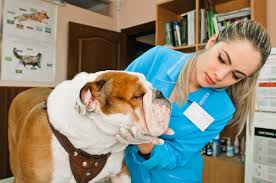
I having been banging the drum of the importance of the yearly well visit for dogs and cats since I graduated veterinary school. It has always been less about the vaccines for me and more about parasite screening and early disease detection via physical examination and after the age of 8, taking blood pressure and sending out routine blood profiles. Are the vaccines important for infectious disease prevention? Of course they are, but I am so much more interested in health screening side of the yearly veterinary well visit that if owners opt in for my exam and screening recommendations, I give them the vaccines for free.
In the spirit of promoting veterinary well visit compliance, I have a list of some of the most common health conditions I find in dogs and cats in yearly well visits.
Dental Disease
This is probably number one on my list and one that should not be taken lightly. Dental disease causes pain, immune suppression, predisposes to oral cancer, and if ignored long enough can erode jaw bone and cause pathological factors.
Intestinal Parasites
Pet owners would be amazed how many positive stool tests we get per day in asymptomatic animals in routine visits. One may ask, well if they are not showing any symptoms, what is the big deal? Make no mistake, it is a very big deal. Chronic parasitism predisposes pets to autoimmune disease, cancer and causes immune suppression. Some types of intestinal worm parasites can pose a danger young children under 5 years of age.
Heartworm Disease
We diagnose about 1-3 cases of heartworm in dogs on routine screening per doctor per month. In my 3 doctor practice, that translates to 3-9 cases per month in usually asymptomatic dogs. Heartworms over time damage the heart muscle and heart valves and leads to heart failure and dangerous and painful clot formations.
Kidney Failure
This is most commonly seen in senior well visit in cats. Kidney failure is the number one cause of death in cats and our ability to manage the disease is largely dependent on early detection.
Abdominal Tumors
Part of the physical examination is abdominal palpation. In the process of feeling the abdomen I commonly detect tumors of the spleen, liver, and gastrointestinal tract. Early intervention for surgical removal before tumors spread to other parts of the body give the pet his/her best chance for long term survival. Again, many of these cases are asymptomatic.
Organ Enlargement
Liver and spleen enlargement are the most common that I come across on routine palpation. Organ enlargement is usually a sign of disease of that organ.
Heart Murmurs
Heart murmurs are abnormal heart sounds produced when there are one or more leaky heart valves that create a backward jet of blood when the heart pumps. Leaky heart valves cause heart enlargement over time and can lead to congestive heart failure. Early intervention gives us our best opportunity to maintain quality of life and provide longevity for patients with heart murmurs.
As I state, this is just SOME of the most common health issues I see on routine well visits. I would have to type for a week if I were to attempt to write about every health concern I have com across during routine yearly pet well visits. Please take these seriously and bring your pet in when you get reminders from your veterinarian.
Dr. Roger Welton is a practicing veterinarian and highly regarded media personality through a number of topics and platforms. In addition to being passionate about integrative veterinary medicine for which he is a nationally renowned expert, Dr. Welton was also an accomplished college lacrosse player and remains to this day very involved in the sport. He is president of Maybeck Animal Hospital , runs the successful veterinary/animal health blogs Web-DVM and Dr. Roger’s Holistic Veterinary Care, and fulfills his passion for lacrosse through his lacrosse and sport blog, The Creator’s Game.
Trump Administration Proposes Stripping Of Key Provisions Of The Endangered Species Act

The Trump administration has a proposal that would strip the Endangered Species Act of key provisions, a measure that conservationists say would gravely weaken the law that was enacted in 1973 to keep plant and animal species in decline from going extinct. The proposal that was jointly announced by the US Department of the Interior and the US Department of Commerce (each organization charged with respective roles that share the responsibility of protecting endangered wildlife), would end the practice of extending similar protections to species regardless of whether they are listed as “endangered” or as “threatened.” If the proposal is approved, possibly by year’s end, protections for plants and animals designated only as threatened would be made on a case-by-case basis, leaving bureaucrats, not scientists and conservation experts, carrying the final decision on maintaining adequate protections for a threatened species.
In another elimination of a key provision, the Trump administration is urging the U.S. Fish and Wildlife Service (FWC) and National Oceanic and Atmospheric Administration (NOAH) to strike language in the act that mandates officials to ignore economic impacts when determining the manner in which wildlife should be protected, specifically, to remove the phrase,”without reference to possible economic or other impacts of such determination.” The proposal also seeks to eliminate the requirement that federal agencies must consult with scientists and wildlife agencies before approving permits for natural resource harvesting, such as oil and gas drilling and logging.
Conservationists are alarmed by these changes to the 45 year old law that in their opinion will significantly weaken it and put endangered and threatened wildlife at greater risk of extinction in the name of unchecked environmental exploitation and corporate profit. Brett Hartl, government affairs director at the Center for Biological Diversity, said in a statement, “This proposal turns the extinction-prevention tool of the Endangered Species Act into a rubber stamp for powerful corporate interests.” He then went on to add that these proposals would “slam a wrecking ball into the most crucial protections,” arguing that the bald eagle and the gray whale would be extinct today if these proposed deregulation actions had been in place during the 1970s, when President Richard Nixon signed the ESA in December 1973.
Senior vice president for Energy and Environment Policy at the Center for American Progress, Christy Goldfuss, argued that the Trump administration’s proposed changes to the Endangered Species Act would make it more challenging for agencies to protect threatened species and help recovery efforts. In an official statement, Goldfuss stated,”These dangerous actions will further accelerate the loss of species and habitat in stark contrast to the explicit purpose of the law.” She added that the ESA to date has kept 99% of listed species from going extinct.
Dr. Roger Welton is a practicing veterinarian and highly regarded media personality through a number of topics and platforms. In addition to being passionate about integrative veterinary medicine for which he is a nationally renowned expert, Dr. Welton was also an accomplished college lacrosse player and remains to this day very involved in the sport. He is president of Maybeck Animal Hospital , runs the successful veterinary/animal health blogs Web-DVM and Dr. Roger’s Holistic Veterinary Care, and fulfills his passion for lacrosse through his lacrosse and sport blog, The Creator’s Game.
Primary sources for article:
Strong Evidence Suggests That Popular Grain Free Pet Foods Are Linked To Deadly Heart Disease In Dogs
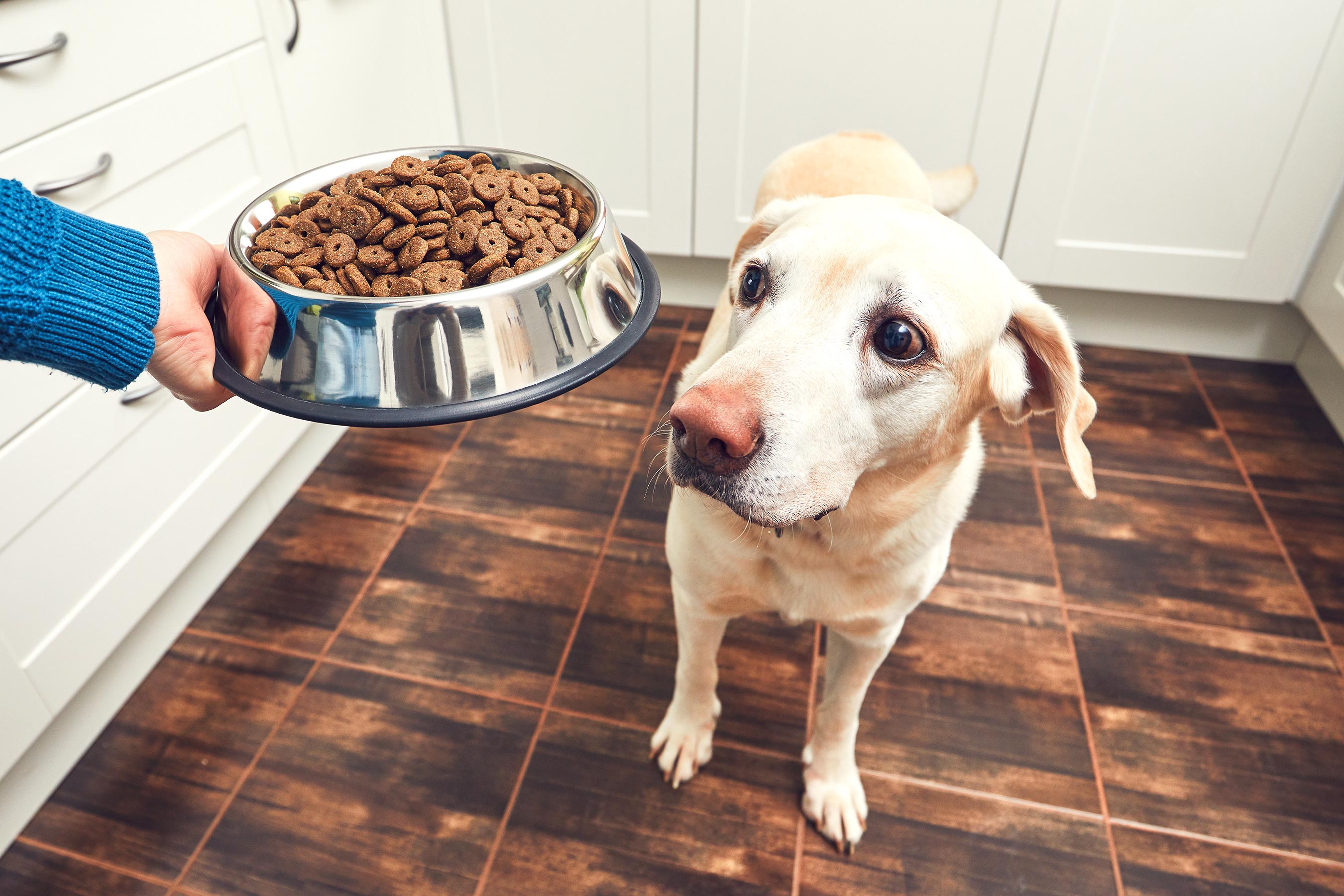
I have written about the grain free pet craze that has gripped the pet owning world convinced by very clever marketing that grain free pet foods with ingredients more in line with the diets of the dog’s ancient ancestor, the wolf, are the path to optimal quality of life, health, and longevity. I have written about how there is no evidence that even suggests that grain free dog foods make for healthier dogs but there is plenty of evidence that grain free dog foods commonly lead to obesity.
There is now strong evidence that beyond paying a lot of money for grain free diets that have yet to prove that they lead to healthier dogs and are more likely than other diets to make them fat, there is building evidence that grain free dog foods may lead to the deadly heart disease, Dilated Cardiomyopathy (DCM). Before this phenomena, with the exception of cases of severe prolonged malnutrition, DCM in dogs was widely considered a genetic disease linked to a few large and giant breed dogs, namely: Doberman Pinschers, Irish Wolfhounds, Boxers and Great Danes. In fact, in 16 years of practice, I have not ever seen DCM in any breed outside of these.
However, CVCA, a large veterinary cardiology practice pf 19 veterinary cardiologists in the greater Baltimore-Wasthinton D.C. area, alerted the FDA that they are now seeing DCM in a wide array of breeds, including Labrador Retrievers, Golden Retrievers, “Doodle” mixes, and even Shih Tzus. The common thread among these unusual cases are that the dogs have been fed grain free diets.
Going heavy in ingredients like lentils, chick peas, peas, and potatoes to replace grains, these diets subsequently may lack sufficient nutrients essential for heart health, including taurine and L-carnitine among others. Veterinary cardiologist Darcy Adin who teaches at North Carolina State University’s College of Veterinary Medicine was first alarmed when she saw dilated cardiomyopathy in 2 genetically unrelated Miniature Schnauzers from the same household. Both were being feed the same trendy, exotic protein, grain free dog food.
CVCA, the aforementioned group group that first contacted the FDA, did a survey of 150 recent cases of DCM. Most of the dogs had been on grain-free diets. One of the partners, Steven L. Rosenthal, noted that they could not rule out other influences, but said that the group now sees 8 to 12 new DCM cases a month that are not associated with genetics with the common thread being dogs fed grain free dog food.
DCM is a disease in which the heart weakens as the walls of the heart become thin and stretched as the chambers dilate and the heart subsequently enlarges and lacks the ability to contract and pump blood effectively. Symptoms include fatigue, difficulty breathing, coughing passing out, heart failure, and acute, sudden death. The condition is treatable with battery of cardiac medications, but with limited success. Most cases I have managed died within 1 year of diagnosis. Fortunately, the disease to date has been rare, but with the popularity of grain free diets possibly now taking the disease beyond the realm of rare unlucky genetics, the veterinary profession may be facing increasing numbers of cases in the coming years.
Lisa Freeman is a veterinary nutritionist and researcher with the Cummings School of Veterinary Medicine at Tufts University who views these revelations as an opportunity to view grain free pet foods with more caution and skepticism. She stated, “Contrary to advertising and popular belief, there is no research to demonstrate that grain-free diets offer any health benefits over diets that contain grains.”
To be sure, grains are an important source of protein and other nutrients in many meat-based pet foods and have not been linked to any health problems except in rare situations when a pet has an allergy to a specific grain. Nonetheless, per the global market research firm, GfK, sales of grain free pet foods account for $2.8 billion per year and now occupies 44% of the pet food market. With that kind of money behind products, unless the FDA steps in to mandate changes, our job as veterinarians to convince pet owners that grain free pet foods may be very dangerous in the face of relentless marketing campaigns with virtually endless marketing budgets telling pet owners otherwise, will continue remain a major challenge with tragic consequences.
Dr. Roger Welton is a practicing veterinarian and highly regarded media personality through a number of topics and platforms. In addition to being passionate about integrative veterinary medicine for which he is a nationally renowned expert, Dr. Welton was also an accomplished college lacrosse player and remains to this day very involved in the sport. He is president of Maybeck Animal Hospital , runs the successful veterinary/animal health blogs Web-DVM and Dr. Roger’s Holistic Veterinary Care, and fulfills his passion for lacrosse through his lacrosse and sport blog, The Creator’s Game.
Primary source for this article: The New York Times.
What I Wish I Learned In Veterinary School

Veterinary school is an interesting institution. Veterinary colleges are tasked with teaching veterinary students the foundations of animal nutrition, physiology, infectious disease, pathology, epidemiology, parasitology, medicine and surgery. In the first 2 years of veterinary school, this is primarily done in the classroom. The second 2 years are spent in the teaching hospital rotating through the various specialty departments in clinical training called clinical rotations.
Sound good, right? Yes and no. The kinds of cases that we encounter in the teaching hospital are cases that we indeed benefit from experiencing, working through them with seasoned specialty clinicians, participating in rounds, etc. However, most of the cases we see are referrals from general veterinarians making much of what we see beyond the diagnostic, facility, equipment, or specialty expertise scope of general practice. It is important to recognize these diseases, injuries or conditions? Yes. Is it important to be able to stabilize these types of cases in preparation to refer them out to the appropriate facility? Yes. Will we realistically be managing these types of cases in general practice? Mostly no.
Below is brief list some of the most common conditions I encounter in veterinary practice as a general veterinarian (the ones with a * are EXTREMELY common):
- Upper respiratory infection*
- Urinary tract infections*
- Bladder crystals and stones
- Gastrointestinal foreign body ingestion obstructions
- Diarrhea*
- Vomiting*
- Ear infections*
- Pancreatitis*
- Skin allergies*** (triple star for this one as this is THE most common)
- Arthritis*
- Back injuries*
Of course I see a broader scope of cases than this and over the years have increased my body of experience and post doctoral training where I am managing more diverse and complex cases, but during my veterinary school clinical training, I saw very little of these more common and mundane types of cases. Case in point, one would think that dermatology rotation would have been invaluable to clinical practice with the amount of skin allergies I have to treat on a daily basis. One would be quite wrong. While I did manage some allergy cases with my supervising board certified veterinary dermatologist, I saw more exotic autoimmune disease cases like pemphigus vulgaris and vogt karogi harada like syndrome. In 16 years of practice, I have seen one case of the former and none of the latter. On the other hand, I lost count of my skin allergy cases in my first week of practice, ringworm and ear infections in my first month!
To make matters worse, with little guidance from anyone to advise me otherwise, in the 6 weeks of off block that the veterinary college (I did my clinical training at University of Illinois) allows clinical students to work in outside accredited veterinary hospitals and practices (called externships), rather than gain practical “real world” experience in general practices, I went for the prestige and resume padding choices of high end referral hospitals: Animal Medical Center in NYC, Oradell Animal Hospital in NJ for rotations in orthopedic and soft tissue surgery, and medical oncology.
What I should have done in hindsight was find a few high quality general practices and gained valuable experience to better prepare me to hit the ground running right after graduation. Instead, I found myself taking in one of my first cases, an ear hematoma, and having to ask my boss how I fix it. An ear hematoma results from a dog flapping and scratching its itchy ears (usually because of allergy) and the skin of the ear flap separates off the underling cartilage and fills with fluid. I see at least one of these per week, yet never experience one in veterinary school except in a textbook.
To be sure, I now see a number of veterinary colleges implementing “community practice” departments and rotations where veterinary clinical students work along side general veterinarians to manage more routine and common general practice cases from yearly well visits with parasite screening and vaccines to kennel cough. Still, my understanding is that the cases in these rotations remain rather limited since most people are not thinking about taking their pet to a university teaching hospital for general veteirnary care and yearly well visits,
The remedy? (pay attention aspiring and current veterinary students!) The students that intend to enter the work force immediately upon graduation as a general veterinarian is best served using off block rotations to work high quality (I would suggest practices accredited by the American Animal Hospital Association) to gain practical experience to augment their veterinary education.
A perfect example is soon to be Dr. Amanda Johnston, a young lady who worked in my veterinary practice as a technician for a few years as she finished her prerequisite pre-veterinary undergraduate courses to apply to veterinary school. She attended Ross University School of Veterinary Medicine and is currently finishing up her clinical training at Texas A & M College of Veterinary Medicine teaching hospital. For her off block, she chose to work as a veterinarian trainee in my American Animal Hospital Association accredited practice seeing real world medical and surgery cases. Not only did she gain valuable general practice experience, she got as job out of it, as we hired her and she is set to start shortly after her graduation. Double bonus!
My veterinary podcast co-host, Dr. Karen Louis, and I did an episode on this where we delve even further into what we wished we learned in veterinary school and what was utterly useless. It turned out to be a very funny therapeutic venting session for both of us. Take a listen if you get a chance.
Dr. Roger Welton is a practicing veterinarian and highly regarded media personality through a number of topics and platforms. In addition to being passionate about integrative veterinary medicine for which he is a nationally renowned expert, Dr. Welton was also an accomplished college lacrosse player and remains to this day very involved in the sport. He is president of Maybeck Animal Hospital , runs the successful veterinary/animal health blogs Web-DVM and Dr. Roger’s Holistic Veterinary Care, and fulfills his passion for lacrosse through his lacrosse and sport blog, The Creator’s Game.
Please Do Not Take Offense When A Veterinarian Offers The Gold Standard Of Care For Your Pet
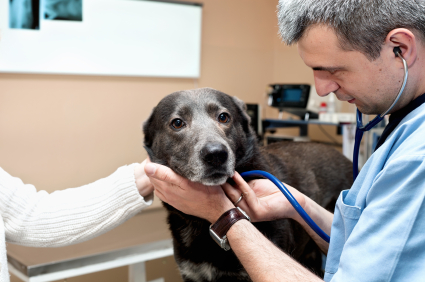
It happens occasionally that a new client enters my exam room usually having been through a vet or two or three in the past few years and is guarded and not very forthcoming with information or wanting to engage in much banter at all for that matter. I am always excited about the prospect of a new client: a new relationship with a person, couple or entire family, new pets to do everything my medical team and I can do to keep more pets healthy with our brand of integrative veterinary medicine, and I am not going to lie: an ever growing client base is good for business. Veterinary clinics are after all are small businesses whose existence relies on clients and their pets.
I am a naturally extroverted person…my medical team is often frustrated because I can be a bit of a “chatty Cathy” when in the exam room and run behind. With a new client, I am eager to learn about their pet(s) history, how they came into their lives, and even learn a bit about them personally (new to the area, where from, etc.).
The inspiration for this post came from an experience I had this past Saturday when a new client came in with 2 dogs. I was my normal extroverted self in an extra good mood having enjoyed 2 weeks off on vacation with my family. The lady answered my medical history questions politely enough, but kike the clients I described earlier, was guarded and in possession of records from 3 previous vets in the past 3 years. Still, I was not concerned, not everyone is a social butterfly like me, especially on immediate introductions.
As I reported my findings on the standard examination that is part of the yearly well visit on one of her dogs that he suffered from severe dental disease (grade 4 out out 4, pretty much the worst condition teeth can be in), I saw her demeanor change, any semblance of smile gone, and she began rolling her eyes. He was a very nice dog, so I was able to point out to the owner the severe gum recession, exposed tooth roots, and puss oozing from the dog’s deep gum pockets. She tersely stated to me that she is well aware of the bad teeth and that she does not need to hear another veterinarian lecture her about them because she simply cannot afford to get the necessary work done to fix the problem.
After 16 years of practice, I have been there, done that, so many times and I (usually) remain unphased by a such a reaction and in fact, feel more often that not empathy toward the client in circumstances such as these than anything. I calmly told this owner that she need not be concerned, that I am not judging her, just merely reporting my findings, as it is my job to do so. I told her that I have no right to judge her, as I have not lived one moment in her shoes and that seeing her lovingly interact with her dogs and the mere fact that she had them both in my exam room to provide whatever level of well care that she could afford told me that she clearly loves them. I told her that I will have the attending technician work her up a treatment plan for a dental for the dog that also estimates associated cost and that we are here for her to schedule at her convenience in he event that she could budget for the extensive dental work. We also discussed some plan B palliative care and gave her a brochure for a medical lending service called Care Credit to look into. This new client left happy and thanked me for understanding her and not judging her.
The truth is that most veterinarians are very empathetic people, although, some veterinarians do not communicate that well. Our biggest frustration in practice is when financial concerns get in the way of a treatment plan that we know will genuinely help a pet’s quality of life or even save his/her life. That frustration can sometimes be misconstrued as frustration toward the client but more often than not, it is frustration at being handcuffed by a client’s inability to pay for the gold standard of care we all wish to practice.
Yet we must always continue to offer the gold standard of care for the many clients that have the ability or find the ability to pursue it…and would even be angry with us if we cut corners to presume that they would sacrifice any level of care for reduced cost. When the gold standard is offered and after the client reviews it and determines that he/she cannot afford it, we then discuss plan B, C, or even D…but I never presume that a person wants anything less than the best than modern veterinary medicine and I as a practitioner can offer.
Dr. Roger Welton is a practicing veterinarian and highly regarded media personality through a number of topics and platforms. In addition to being passionate about integrative veterinary medicine for which he is a nationally renowned expert, Dr. Welton was also an accomplished college lacrosse player and remains to this day very involved in the sport. He is president of Maybeck Animal Hospital , runs the successful veterinary/animal health blogs Web-DVM and Dr. Roger’s Holistic Veterinary Care, and fulfills his passion for lacrosse through his lacrosse and sport blog, The Creator’s Game.
When It Comes To Pet Quality Of Life Decisions, Better To Be A Week Early Than A Day Late
Making the decision for humane euthanasia when there is longer quality of life or any reasonable path to quality of life is agonizing for most pet owners…including me. I deal with this reality just about every day as a veterinary practitioner but I got a call from a good friend a few nights ago that inspired this post. His beloved 12 plus year old dog that was only 3 years younger than his human son was in decline as most large dogs are at that age, but this night she was showing severe weakness, falling over, panting and in distress.
He had an appointment at his regular vet the next day to have her humanely euthanized, planning to try to comfort her and spoil her with steak and love one last night. I told him that the his dog was showing signs of a likely pulmonary thromboembolism (a clot in a lung) and she was agonal because she was in pain, short of breath, and possibly even hemorrhaging internally. I let him know that I admired his intention and love for his dog, but there would be no comfort or spoiling for his beloved dog. He should go to the closest emergency clinic ASAP.
My friend took my advice as hard as it was for him and his wife. As the emergency veterinarian was placing the dog’s catheter in preparation for euthanasia, my suspicions were proven likely correct, as the dog started bleeding out of both nostrils. As hard as it was to say goodbye to their beloved dog, they were grateful that an end to her suffering was near and that they did not wait.
The title of this post is a common saying among veterinarians. There most certainly are circumstances where dogs and cats can remain in a hospice type mode where they have an incurable condition but palliative care can provide them temporary relief to allow for the family to adjust, prepare, spoil, and savor every last moment with their furry family member. But if ever faced with a veterinarian telling you that a pet is suffering with no ability to provide relief and agonizing drawn out death is imminent, take his or her advice and make the tough decision to humanely euthanize.
It will be your final loving decision on behalf of your furry family member.
Dr. Roger Welton is a practicing veterinarian and highly regarded media personality through a number of topics and platforms. In addition to being passionate about integrative veterinary medicine for which he is a nationally renowned expert, Dr. Welton was also an accomplished college lacrosse player and remains to this day very involved in the sport. He is president of Maybeck Animal Hospital , runs the successful veterinary/animal health blogs Web-DVM and Dr. Roger’s Holistic Veterinary Care, and fulfills his passion for lacrosse through his lacrosse and sport blog, The Creator’s Game.
3 Out Of 10 Dogs Have Whipworms! Why Is This And How Get We Prevent This?

The whipworm is a worm parasite that infects the cecum and colon of a dog’s intestinal tract. The biggest trouble with whipworms is that they shed heavy eggs that commonly escape detection on routine stool examinations because they do not float (stool flotation tests are the most cost effective and commonly performed routine parasite tests). Some dogs that carry whipworms show no outward symptoms while others present with diarrhea that often has blood in it.
A recent study led by parasitologist Dr. Byron Blagburn using more sensitive intestinal parasite diagnostics determined that 3 out of 10 dogs in the study had whipworms. That translates to 30% of our canine companions may be walking around with whipworms unbeknownst to owners and veterinarians alike! That is an astounding statistic!
So if it is so difficult to detect, how to we prevent this from happening? My first strategy is for any dog that presents with chronic recurring bowel issues, before I assume that the patient has irritable bowel syndrome or inflammatory bowel disease, I first treat them with a comprehensive deworming treatment that includes treatment for whipworms. For dogs that do not show symptoms, I recommend a heartworm preventive maintenance program that also covers for prevention against whipworms.
Heartworm preventive medications are in a class of compounds called macrocyclic lactones. The macrocyclic lactone that covers against both heartworm and intestinal parasites (including whipworms) is milbemycin oxime. Milbemycin oxime is the active ingredient in heartworm preventive products Trifexis, Interceptor, and Sentinel. Thus, in the interests of prevention whipworm infestation in your dog that is likely to escape detection on routine stool analysis that is part of the canine yearly well visit, it is wise to pick one of the aforementioned products for heartworm and intestinal parasite prevention for your dog.
Dr. Roger Welton is a practicing veterinarian and highly regarded media personality through a number of topics and platforms. In addition to being passionate about integrative veterinary medicine for which he is a nationally renowned expert, Dr. Welton was also an accomplished college lacrosse player and remains to this day very involved in the sport. He is president of Maybeck Animal Hospital , runs the successful veterinary/animal health blogs Web-DVM and Dr. Roger’s Holistic Veterinary Care, and fulfills his passion for lacrosse through his lacrosse and sport blog, The Creator’s Game.
Yikes, Look What Is In This Dog’s Urinary Bladder!
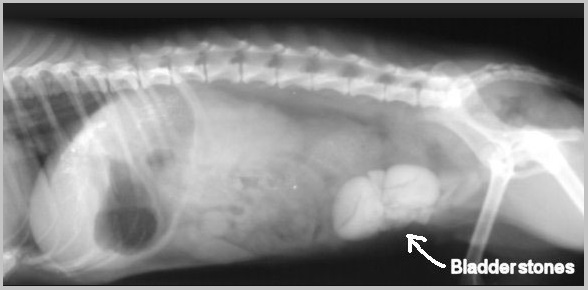
Urinary bladder stones are very common in dogs and cats. My inspiration for writing this article today were three cases of dogs this past week that presented with lower urinary tract disease signs whose x-rays looked just like the image above. I successfully performed surgical removal of the first two and the third is scheduled for surgery on Tuesday (2 days from now). In total, there have been 6 urinary bladder stone surgery cases this past month, 5 dogs and 1 cat, a glimpse of just how common this health problem is in dogs and cats.
You are probably wondering how in the world rocks like this can form in the urinary bladders of dogs and cats. It is really rather simple, as it comes down to urinary pH. pH is a measure of solution that determines whether it is acidic or alkaline. Normal urine pH should be neutral to slightly acidic at a pH of 6-7. At this neutral pH, minerals present in the urine from food and water that is ingested passes dissolved in the liquid urine environment unnoticed and without harm. When pH of urine varies significantly above this range (alkaline) or below this range (acidic), the minerals will precipitate and bind into crystals. If they go long enough unnoticed, the microscopic crystals will bind over time and form stones, many of which can get quite large.
You may now be wondering, how in the world does this get to this point and the pet owner does not notice? Good question! Dogs and cats are stoic by nature, that is, they inherited the instinct of their wild evolutionary ancestors to hide and internalize signs of weakness or pain. In some cases, the only difference is that the pet urinates more frequently; the cat may visit the litter box more frequently or the dog may need to be let out to pee more often. In older animals, many pet owners assume that just like humans that tend to need to relieve themselves more often with age, same goes for pets…and there is some validity to that notion.
When I worked the first 3 years of my career in Long Island, NY, I disproportionately diagnosed more bladder stone cases in dogs in the winter versus other seasons. The reason for this was the presence of snow. Whereas the owner may not have seen blood in the urine previously, it is readily noticed when the dog urinates in white snow.
When it comes to the urinary system of dogs and cats, it is best to not assume anything since they cannot articulate their pain and they go out of their way to hide it. Changes in urinary patterns may not only signify bladder stones, but also a host of other ailments, such as endocrine disease, infections, and kidney disease. Since this article is specifically about urinary bladder stones, here are some common signs to look out for:
- Increased frequency of urination
- Unusually increased thirst
- Straining to urinate
- Blood in the urine
If a stone gets dislodged and gets stuck in the urethra and the pet cannot pass urine, this is a medical emergency. Signs of this health emergency include:
- Straining to urinate with no urine production
- Vocalizing or showing signs of distress when trying to urinate
- Distended or bloated appearance to the abdomen
- Severe depression/listlessness
- Vomiting
If ever in doubt, don’t waste time with Dr. Google and get a pet with suspected urinary tract disease to the vet ASAP. It is less trauma for the patient and less cost to the pet owner to discover this problem early while it is still in the microscopic crystal stage. Both Hills and Royal Canin have excellent prescription urinary pH neutralizing diets that are highly effective in preventing urinary crystals and stone formation.
Dr. Roger Welton is a practicing veterinarian and highly regarded media personality through a number of topics and platforms. In addition to being passionate about integrative veterinary medicine for which he is a nationally renowned expert, Dr. Welton was also an accomplished college lacrosse player and remains to this day very involved in the sport. He is president of Maybeck Animal Hospital , runs the successful veterinary/animal health blogs Web-DVM and Dr. Roger’s Holistic Veterinary Care, and fulfills his passion for lacrosse through his lacrosse and sport blog, The Creator’s Game.
Cat Get Stressed For Veterinary Visits? Try This!

Cats are stress driven animals, that is, they have a very strong fight or flight response. It is an evolutionary adaptation that they inherited from their wild ancestors that enables them to survive alone as solitary animals without the aid of a herd or pack to support them. Stress hormones drive the strong fight or flight response which can be particularly powerful in some cats.
While most domestic house cats are cooperative and many even affectionate at the veterinary clinic, for some, between getting shoved into a carrier, driven over in the car, being in a waiting room full of other strange animals whose scents they pick up or they hear meowing or barking, then being pulled out of their carrier, temperature taken, examined, and given injections; the experience can be overwhelming and some respond with fear. This response can be as mild as trying to escape the restraining technician, to more fear aggressive behavior such as hissing, growling, scratching, and biting. There are occasional cats that we literally cannot even approach in the state they work themselves up into, attacking the door of the carrier as we try to unlatch it.
These cats are not by nature mean. As frustrating as it can be for cat owners and veterinary health care professionals when working with fear aggressive cats, we really need to view them with compassion and understand that they are just scared and reacting to defend themselves. They are not means animals bent on hurting humans, they are just highly stressed and reacting physiologically. Many of these kitties are even docile, cuddly and playful at home. I should know, I have one; my couch and pillow buddy, Enrique who is a love at home but behaves more like a badger when taken to the clinic.
In order to facilitate a more effective examination and get what is necessary done in the veterinary clinic without resorting to gassing them down in an induction chamber (aka., the “cat box”) or other forms of potentially sedation; and for the sake of minimizing the cat’s stress and providing a less scary and safer experience for the feline patient (and for veterinary staff wishing to avoid get their arms bitten and shredded), there is a very safe and effective anxiety reduction protocol that has proven very effective in feline medicine.
Gabapentin is a medication that serves many purposes in medicine. It is used to treat nerve pain, cancer pain, as adjunctive therapy for seizure disorders, and is known to have an anti-anxiety effect that is especially profound in cats. The protocol is to dose a cat scheduled to a veterinary visit the evening before the visit with 100 mg gabapentin, then re-dose with the same dosage 90 minutes prior to the veterinary visit the next day. The improvement of the stress levels of cats using this protocol is often nothing short of astounding in many cases. The gabapentin does not knock them out or even outwardly sedate the cats, it simply takes the edge off to effectively calm them for a less stressful experience.
I would recommend this protocol for any scared cats, even if they are still able to be handled. Some stressed cats will pant (which is never normal in cats), others will freeze in place un-moving, while others are what we call “talkers” that will hiss and growl but not really strike out with claws or biting. If your cat exhibits any of these signs at veterinarian visits, there is no point in letting them suffer with stress even if they can still be handled. Gabapentin is safe, inexpensive, and effective following the above protocol.
Dr. Roger Welton is a practicing veterinarian and highly regarded media personality through a number of topics and platforms. In addition to being passionate about integrative veterinary medicine for which he is a nationally renowned expert, Dr. Welton was also an accomplished college lacrosse player and remains to this day very involved in the sport. He is president of Maybeck Animal Hospital , runs the successful veterinary/animal health blogs Web-DVM and Dr. Roger’s Holistic Veterinary Care, and fulfills his passion for lacrosse through his lacrosse and sport blog, The Creator’s Game.
How I Work Up A Chronically Vomiting Cat
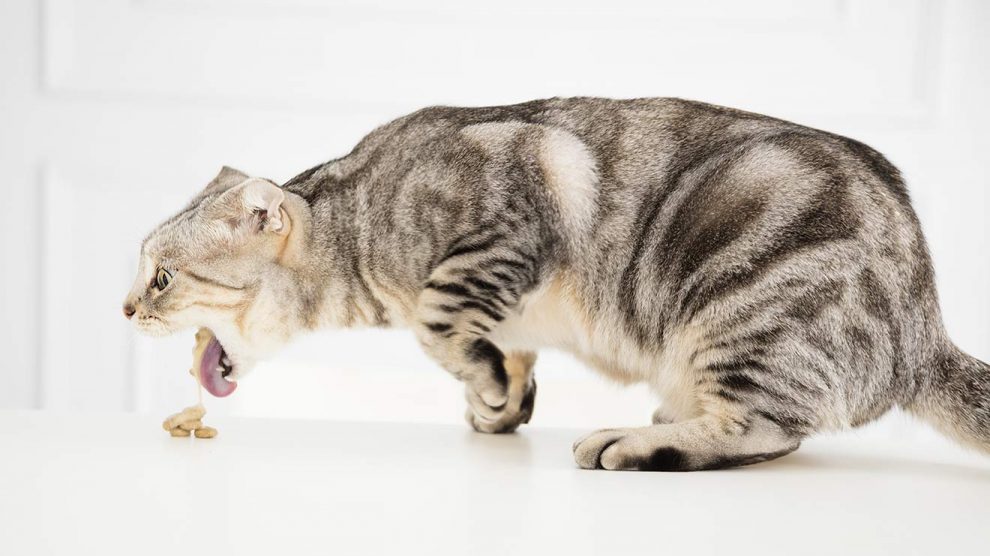
Cats vomiting up partially digested or completely undigested food is one of the most common feline appointments that I see, several times a week at least. Other than the tendency to vomit up food, the cats I am writing of in this article are generally otherwise normal: good appetite, no weightloss, normal drinking patterns, normal attitude, etc.
I am glad when cat owners brings in cats with this presentation, as many feline owners just assume that some cats are just “pukers” and it is normal. It is true that some level of vomiting is not considered pathological in cats, but many would be surprised that is only 2 times or less per month. Any more than that, something is wrong and the “wrong” could potentially be something serious.
If physical examination with the chronically vomiting cat is unremarkable, my first diagnostic step is to run a minimum database of general blood work and urinalysis to rule out diseases that can adversely affect the upper gastrointestinal system in cats – there are many. I also run a stool analysis to rule out parasites and may take abdominal x-rays to rule out possible foreign body obstructions or masses that may escape detection on abdominal palpation on physical exam. Yes, I even run stool checks on strictly indoor cats…people would be amazed how often I find chronic GI parasites in indoor cats.
If all that is normal, then I generally will recommend an 8 week food trial with a hypoallergenic diet. My hypoallergenic diet of choice is Royal Canin Ultamino, a food that breaks down proteins to their individual molecular units call amino acids. This gives the kitty the protein he/she needs to meet his/her physiological needs, but breaking down the proteins in this fashion enables absorption in the gut without adverse reactivity. The goal here is to rule out or rule in food allergy.
If the diet works and the vomiting either ceases or reduces to two times per month or less, then we have proven food allergy. In this case, problem solved, just feed the hypoallergenic diet exclusively indefinitely. If the diet does not work after 8 weeks of exclusive feeding, then there is more work to do.
This is when the client is left with making a fairly major decision. After having ruled out metabolic diseases that commonly affect the gut (via blood work ans urinalysis), ruling out parasites with stool analysis, and ruled out food allergy via food trial, what is left is usually one of two possibilities: inflammatory bowel disease or lymphoma. Inflammatory bowel disease (IBD) is an autoimmune disease whereby the immune systems attacks its own tissues, in this case, the proximal gut. Lymphoma is a cancer of the gut. Both at first present virtually identically.
Early in my career, I recommended endoscopy for these patients, a procedure where under general anesthesia, a scope is passed down the esophagus into the stomach and small intestine to look around and take biopsies. This is then done from the other end, commonly called colonoscopy.
For many years now for these types of cases, I have long since lost faith in the diagnostic accuracy of endoscopy. I have seen cases where diagnoses were missed because the scope can only go so far from either end, missing 2/3 or more of the gut. I have also seen biopsies coming back false negative because the biopsies that endoscopy enables are sometimes too superficial for optimal diagnostic quality and disease pathology is missed.
My gold standard diagnostic recommendation for chronically vomiting cats is abdominal exploratory surgery where I take small but full thickness biopsies of the stomach and each segment of the feline small intestine. Each biopsy site usually only requires 1-2 sutures and have minimal impact on the gut.
Recovery is similar to the recovery of patient who undergoes a spay and we have a high probability of identifying the diagnosis to treat appropriately. Nonetheless, feline owners often have a hard time justifying exploratory surgery as a diagnostic tool. However, there are three reasons why exploratory surgery is the right course of diagnostic testing.
1.) IBD and lymphoma both present clinical identical at first and I cannot treat lymphoma based on a hunch (even if other factors made me lean more toward lymphoma as a diagnosis, one simply does not treat cancer without a confirmed diagnosis).
2.) If lymphoma is the diagnosis, treatment is easy and generally well tolerated. The protocol I currently use is the steroid prednisone in combination with an oral chemotherapeutic called chlorambucil. Both are dosed once daily orally for 4 consecutive days, then backed off to dosing once every 3 weeks for maintenance. Average remission rates approach 2 years which in feline time represents 10 plus years.
3.) If the diagnosis is IBD, then we have ruled out cancer (hooray!) and we can focus on treatment of IBD: usually daily to every other day dosing with the steroid prednisone alone. For some cats with milder disease, we can administer long acting steroid injections with depomedrol every 1-3 months.
Many clients are surprised at how complex the differential diagnoses and how involved the diagnostic process can be for the vomiting cat. It is often far more than they expect and it is up to the veterinarian to patiently and clearly explain the nuances and potential complexities of what may be causing the issue.
I saw many cases of this presentation this week which was my inspiration for writing about it. Since it is ever so common, it is my hope that this will help feline owners with chronically vomiting cats make the best decisions on behalf their cats as fully informed as possible.
Dr. Roger Welton is a practicing veterinarian and highly regarded media personality through a number of topics and platforms. In addition to being passionate about integrative veterinary medicine for which he is a nationally renowned expert, Dr. Welton was also an accomplished college lacrosse player and remains to this day very involved in the sport. He is president of Maybeck Animal Hospital , runs the successful veterinary/animal health blogs Web-DVM and Dr. Roger’s Holistic Veterinary Care, and fulfills his passion for lacrosse through his lacrosse and sport blog, The Creator’s Game.

Keep your pets safe this holiday season!
The holiday season is right around the corner starting with Halloween (yes, in my home, we consider Halloween a holiday!). It is both a joyous and busy time and it can be easy to overlook certain...

Help for nervous/anxious dogs
There seems to be a growing number of excessively nervous, often skittish dogs. This can range from anxieties, such as noise or storm anxiety, anxiousness about being separated from pet parents,...
Bird flu is infecting cats and cases are rising – What you need to know!
H5N1 Avian Influenza is causing far more trouble than just just high egg prices. The bird flu has successfully jumped species now able to infect cats and people. Although the ability to infect...

Read Dr. Roger’s Latest Book!

 Be Healthy & Fit With Celebrity Trainer Steve Jordan
- The New Measure of a Life Well Lived: Why Health Span Matters More Than Longevity
- The Wealth Spark: Igniting Your Path To Abundance and Success
- Bright Line Eating with New York Times best selling author Dr. Susan Peirce Thompson
- Maximizing Your Workout Time: Efficiency Tips from Westwood Private Fitness
- How to Transform Your Dad Bod: Insights from the Fit Father Project – New Podcast Episode Out Now!