Cannabis Oil For Medicinal Veterinary Use In Dogs & Cats: Can It Help?

Cannabis is the sum of all components derived from the marijuana plant that can be extracted from glands within the plant in the form of oils known as cannabinoids. There are many different cannabinoids present in the the marijuana plant, including the medical component, cannabidiol (CBD), and the psychotropic component, tetrahydrocannabinol (THC). Over the counter CBD oil products found at health food stores contain very little to no THC.
Medicinal uses for CBD in veterinary medicine are currently generally relegated to control of seizures, pain, nausea, and anxiety associated with any number of health conditions in dogs and cats. Results are anecdotal at this time with no real scientific studies available to quantify any benefits (or lack thereof). This does not mean that CBD oil is not helpful for any of the aforementioned clinical circumstances, there is currently just no research to confirm the efficacy.
Despite this, many veterinary practitioners, me included, have seen some level of benefit with administration of over the counter (OTC) CBD oil, but most have observed that the benefits are generally limited and should not be overstated. In many cases, CBD oil is a helpful component to aid with more traditional approcahes to management of clinical signs associated with disease. There is also a wide variation in results, likely due to lack of CBD oil quality control, differing severity of disease, and lack of any appreciable TCH to contribute to the “cumulative effect,” also known as the “entourage effect” in OTC products
Cumulative Effect (Entourage Effect)
The cumulative or entourage effect refers to CBD oil being reported by well versed alternative veterinary practitioners to have much more benefit when small doses of THC are added to CBD. Although THC is the psychotropic component of the marijuana plant, the aim is not to get a dog or cat high; but to titrate in a minimal amount of THC to CBD in order to enhance its medicinal effect.
However, there are three major challenges to treating with CBD containing THC. For states where even medical marijuana is not yet legal, there is really no way to legally obtain such a product. For states where medical marijuana is legal, the legal path to obtaining a CBD/THC product for veterinary use is murky, since there really is no legal mechanism to get a pet a medical marijuana card. Lastly, there are currently no THC dosing standards for THC use in veterinary medicine, and the dose seems to be a crucial aspect for success in treatment.
Pet owners interested in treating their pets with a combination CBD/TCH oil product in states where medial marijuana is legal should start with a conversation with their vet. The veterinarian should either be experienced with THC dosing in dogs and cats for various health ailments or at least be actively consulting with a veterinarian that is. Depending on the state, one potential legal path to getting CBD oil with THC properly dosed would be if a pet owner has his/her own medical marijuana card and purchases the correct dosing mix at a reputable dispensary.
Administration
While there are topical formulations of CBD oil available, topical absorption properties have not yet been quantified. Thus, most products available are oral formulations for dogs and cats; oral formulations for this reason are also preferred by veterinarians that recommend CBD oil.
More Research Is Needed
There is clearly more research necessary to establish the true efficacy of OTC CBD oil products, as well as correct dosing of THC to provide a cumulative effect to CBD oil. While there is a great still to be discovered about medicinal uses of cannabis in veterinary medicine, anecdotal evidence and research on its use in human medicine suggests that its benefits could be far reaching and safely beneficial in helping to manage any number of conditions in dogs and cats.
Dr. Roger Welton is a practicing veterinarian and well regarded media personality throughout a number of subjects and platforms. In addition to being passionate about integrative veterinary medicine for which he is a nationally renowned expert, Dr. Welton was also an accomplished college lacrosse player and remains to this day very involved in the sport. He is president of Maybeck Animal Hospital , runs the successful veterinary/animal health blogs Web-DVM and Dr. Roger’s Holistic Veterinary Care, and fulfills his passion for lacrosse through his lacrosse and sport blog, The Creator’s Game.
United Airline’s Abysmal Customer Service History Includes An Unusually High Record Of Pet Deaths

After the infamous episode featuring a smart phone video of a customer with a confirmed seat reservation was forcibly dragged off a flight bleeding from his nose, one would think that United Airlines would be conducting themselves at the highest possible standard. Instead, United has proven yet again that they truly have the worst customer service of any major commercial airline, only this time it caused the agonizing death of an innocent puppy.
The puppy was being transported in a TSA approved pet carrier by the puppy’s owner which a flight attendant insisted the passenger put the carrier with the dog in the over head compartment. Passengers later reported hearing the puppy barking in distress during the flight from Houston to New York LaGuardia Airport. Upon arrival, the puppy’s owner was mortified to find that her 10 month old puppy was dead. According reporting by Market Watch, another passenger wrote on Facebook, “I held her baby as the mother attempted to resuscitate their 10 month old puppy.”
The puppy’s owner had told the flight attendant that there was a puppy inside the pet carrier (not to mention that a pet carrier is pretty distinguishable from other types of carry on luggage – especially to a flight attendant who must have seen them before!). The flight attendant claims that she did not realize that there was a dog inside the pet carrier because she did not hear the passenger, one of the most pathetic and asinine excuses I have ever heard.
The most abhorrent part of all of this is the manner in which the puppy must have died. By all reports, the flight was not particularly turbulent, so one can only conclude that the puppy died from suffocation as the result of inadequate oxygen. Likely terrified in the pitch black compartment with strange noises, movement and changes in ear pressure due to altitude changes, his panicked breathing likely used up what little oxygen was available and he asphyxiated.
This is not one isolated tragic incident for United Airlines. In addition to their notoriously bad customer service and the death of this puppy in which their flight attendant was complicit, according to the Department of Transportation, they led all airlines by far with 18 animal deaths in 2017. In the same week as the puppy death, CNN reported that a 10 year old German Shepherd that was supposed to be flown by United to Kansas ended up in Japan (thankfully, he eventually ended up in Kansas and returned to his owner). After a third incident this same week in which a dog was loaded on the wrong plane and the flight had to be diverted to get him en route to the correct destination, United has suspended all animal transportation until further notice.
Unfortunately in the vast majority of state legal systems, animals are just considered property and any legal restitution is thus usually limited to the monetary worth of the animals. Since they usually are not legally viewed as cherished family members most dog owners do, punitive damages are almost never awarded. It is a sad reality that it is usually not even worth the cost of an attorney retainer to sue on behalf of a pet, since the retainer is likely to cost more than any possible settlement.
No amount of money can replace a beloved family member, but at least a significant settlement could force accountability in how animals are treated and regarded; for it seems that United Airlines is not poised to hold itself accountable any time soon. As far as I am concerned, I would sooner walk barefoot to my destination rather than set foot on a United Airlines airplane again.
Dr. Roger Welton is a practicing veterinarian and well regarded media personality throughout a number of subjects and platforms. In addition to being passionate about integrative veterinary medicine for which he is a nationally renowned expert, Dr. Welton was also an accomplished college lacrosse player and remains to this day very involved in the sport. He is president of Maybeck Animal Hospital , runs the successful veterinary/animal health blogs Web-DVM and Dr. Roger’s Holistic Veterinary Care, and fulfills his passion for lacrosse through his lacrosse and sport blog, The Creator’s Game.
The Serious Consequences Of Dental Disease In Pets
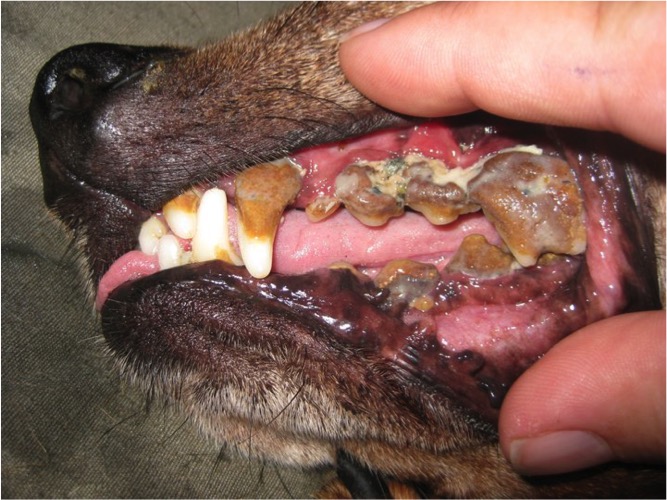
Anyone who has needed a root canal can understand the pain of dental disease. Why else would we voluntarily opt in for a $1500 root canal? In my own root canal story, my dentist had been monitoring my left upper incisor for changes (the tooth was damaged and slightly discolored when I was an 11 year old boy after I ran into the back of my friend’s head playing hide and go seek in the dark). 30 years later at age 41, my dentist noticed bone resorption on routine dental x-rays, indicating that chronic infection had finally set in around the root of the tooth and was destroying the bone that housed my tooth. Interpreting dental x-rays regularly in dogs and cats, I recognized the lesion clearly.
My dentist told me that I needed a root canal ASAP and gave me a referral to an endodontist. We have known one another for years and she was frank with me that I should not procrastinate and have the procedure done, because once the pain of it set in, it would be excruciating and likely on a weekend when nothing was open to address it. Naturally, I procrastinated and a few months later, exactly what she predicted occurred. I had to spend the greater part of a weekend writhing in pain feeling like someone was sticking a knife in the roof of my mouth, popping ibuprofen like candy.
The following Monday, I called the endodontist begging for a root canal. Because of my procrastination, the resorption had progressed and the endodontist recommended a CT scan to make certain that a root canal could be sufficient and that I did not need reconstructive oral surgery. Thankfully for me, root canal was still appropriate, but I still incurred the addition cost of the CT which was not cheap.
The reason I offer you this story is because I routinely come across dogs and cats with stage 2 or stage 3 dental disease (we rank dental disease in order of severity from 1-4, 4 being the worst) that have multiple resorbing root lesions. Ouch! After I point this out, the typical answer I get from the owner is, “but he doesn’t act like he is in pain.” My answer to that is animals to not wallow in self pity, they hide outward signs of pain, and they suffer silently. I cannot tell you how many times following a dentistry procedure that owners see their pets acting like they have a new lease on life, suddenly perked up whereas before they just assumed that the lethargy they observed was because of age.
In addition to the pain, inhumanity and stress that a pet with severe dental disease endures, there are many other consequences to dogs and cats living for prolonged periods of dental disease:
- Dramatically higher rates of oral cancer
- Kidney and heart infections that can be deadly
- Dramatically higher rates of kidney failure
- Immune suppression and predisposition to infectious disease
- Erosion of bone into the nasal sinus (called oronasal fistula)
- Pathological fractures of the jaw bone
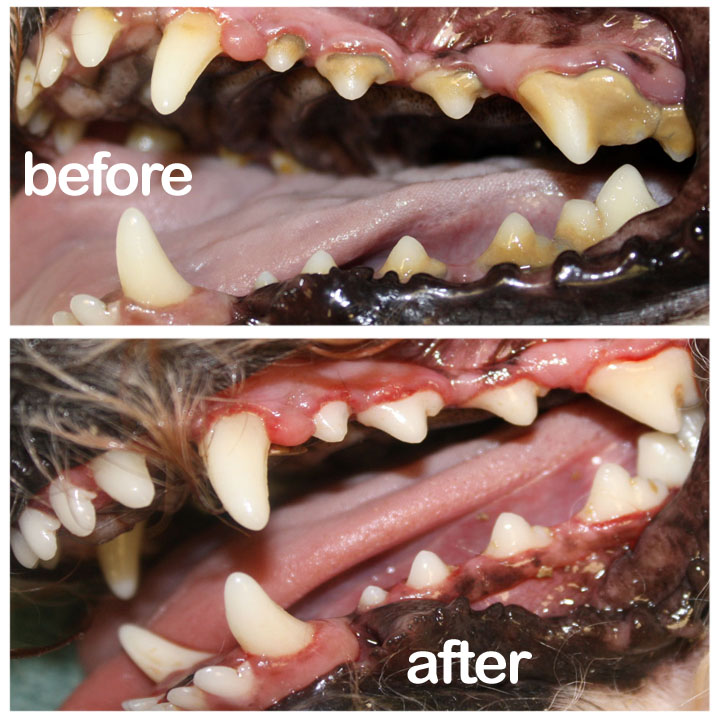
Despite this, selling the importance of routine dental cleanings to clients is one of the biggest challenges of my job, which is why I am so passionate about writing about it. While my first concern is the well being of the patient, there is also a cost benefit to the client for having dental cleanings done while it is still at only stage 1-2. I will not get into exact figures, but having the dental procedure below will cost A LOT less than the featured image above. The difference is the extensive amount of oral surgery the teeth of featured image will require.
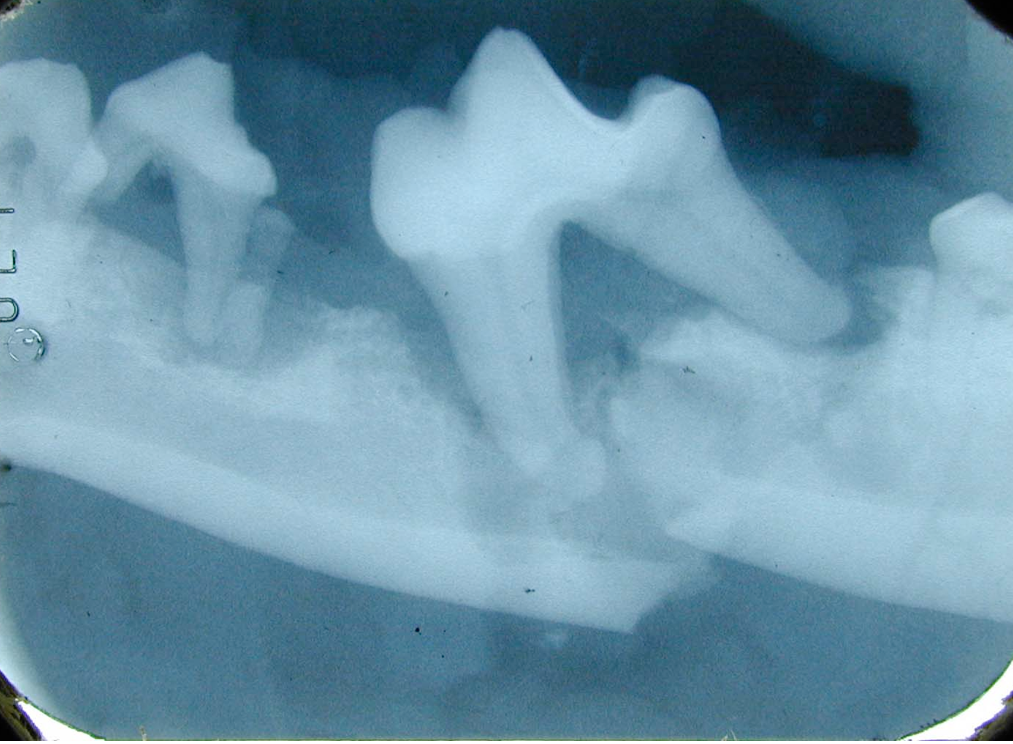
This one below is even worse. This dog’s teeth were neglected to the extent that the lower mandible fractured from erosion of bone. This case required complete removal of the mandible because the bone was too rotten to plate it. The dog also needed a feeding tube placed for 2 weeks to be fed through while his mouth healed…excruciating, expensive, and so unnecessary.
So the next time your veterinarian recommends a dental cleaning for your pet, remember this article and get it done!
Dr. Roger Welton is a practicing veterinarian and well regarded media personality throughout a number of subjects and platforms. In addition to being passionate about integrative veterinary medicine for which he is a nationally renowned expert, Dr. Welton was also an accomplished college lacrosse player and remains to this day very involved in the sport. He is president of Maybeck Animal Hospital , runs the successful veterinary/animal health blogs Web-DVM and Dr. Roger’s Holistic Veterinary Care, and fulfills his passion for lacrosse through his lacrosse and sport blog, The Creator’s Game.
Gainesville Regional Utilities Condones Dog Murder!

Bentley was a sweet, gentle little Pug that a young lady was gifted by her Mom so she had a friend to take with her to college. Kiley’s Mom is a friend and she and her daughter chose me to be Bentley’s veterinarian. Like most Pugs, Bentley was lively, full of personality, and had a gentle and friendly demeanor.
Last week, Kiley returned from home and realized that a gate had been left open by the lawn people and Bentley and her friend’s dog had both gotten loose. The girls quickly began searching for the dogs, Kiley’s friend’s dog was promptly found, but they could not find Bentley.
They asked some Gainesville Regional Utilities (GRU) workers that were about if they had seen her little Pug. The workers seemed flustered and pointed her toward the limp and lifeless form of a dog and told her they thought that was him. It turned out to be Bentley and when she asked repeatedly what had happened to him, they implied that the dog could have been hit be a car but never really gave a straight answer.
2 days later, 2 GRU supervisors went to Kiley’s house to inform her that a GRU worker had struck Bentley with a meter stick in self defense. It would later come out that the worker in fact had struck Bentley with a crow bar and fatally injured him. Kiley and her Mom protested that Bentley was a gentle, friendly dog that weighed less than 25 pounds and no man could have possibly needed to go to those lengths to defend himself from a dog that probably barely reached his shins.
Both were informed that when feeling threatened by dogs, workers have the right to defend themselves and the matter was closed. There would be no reprimand of the worker that killed the dog or any recourse whatsoever.
The notion that this dog could have been so threatening to a grown man that he felt the need to resort to beating him with a crow bar is both ridiculous and disturbing. In the months that Bentley has been my patient, he has never shown a single tendency to be aggressive, quite to the contrary, Bentley was extremely friendly and gentle. In a veterinary environment where we do things that some dogs perceive as threatening (trimming nails, administering injections, taking temperatures, etc.), Bentley was a model patient.
Let us say hypothetically that in the highly unlikely event that Bentley showed aggression to this worker, a dog this small cold easily been shewed away with a brush off with a foot. I cannot see any circumstance where it would be necessary to beat this dog to death with a crow bar to back him off.
The man that did this to Bentley is simply a cruel sociopath that likely only needs an excuse to abuse and kill animals. A person that has the ability to commit such a heinous act has no place in society and certainly no place working for GRU. What’s more, if he is capable of doing that to a dog, he is also likely quite capable of physical violence toward people. At the very LEAST, this man should be fired.
Instead, nothing is being done by the company, so I am helping this family not only to make Gainesville Regional Utilities famous, but also the supervisor that refuses to address this employee that brutally murdered a young lady’s beloved dog.
The supervisor’s name is:
Billy Gault
He can be reached at:
Gainesville Regional Utilities
P.O Box 147117 Station F26
532 S.E. 5th Avenue
Gainesville FL, 32614-7117
(352) 334-2814
Please help Bentley’s family and I make this post viral, as this kind of animal cruelty should never be tolerated!
Dr. Roger Welton is a practicing veterinarian and well regarded media personality throughout a number of subjects and platforms. In addition to being passionate about integrative veterinary medicine for which he is a nationally renowned expert, Dr. Welton was also an accomplished college lacrosse player and remains to this day very involved in the sport. He is president of Maybeck Animal Hospital , runs the successful veterinary/animal health blogs Web-DVM and Dr. Roger’s Holistic Veterinary Care, and fulfills his passion for lacrosse through his lacrosse and sport blog, The Creator’s Game.
When There Is No Canine Flu Outbreak, Should Owners Still Have Their Dogs Vaccinated For It?
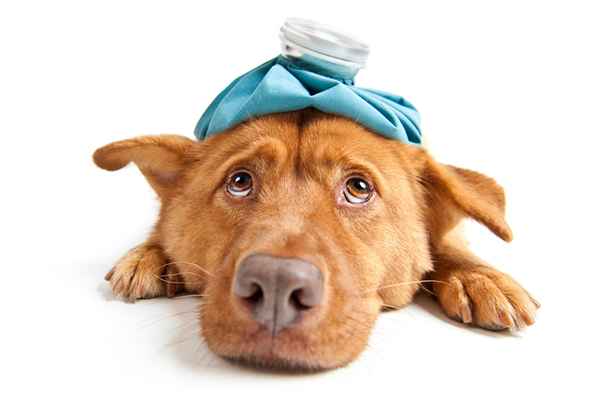
In my home state of Florida where a significant but generally contained canine influenza outbreak occurred in 2017, most grooming shops, kennels, and agility facilities are still requiring participants to be up to date on the 2 strain canine influenza vaccines despite all signs indicating that the disease has run its course and is in the rear view mirror at this point. Some veterinarians are still recommending it as well. The questions remains, is there any merit in continuing the vaccination program when there is no current outbreak?
The short answer is, not really, but I do not necessarily disparage the aforementioned organizations for mandating a current vaccine. Liability and reputation is a major concern in this day and age and they are simply covering their rears in the event that a dog got sick with flu, they can point to their policy in proving that they are doing their due diligence to proactively engage in preventive protocols.
Realistically, however, we need to look no further than the Midwest for proof that a post outbreak continued vaccination protocol does little to prevent a new outbreak. The Midwest was hit particularly hard with the H3N8 canine influenza outbreak in 2015. Given the severe morbidity of that particular strain of canine influenza, many veterinarians and dog facilities continued to recommend yearly vaccine against the H3N8 strain. In 2017 when cases of a new H3N2 strain began to arise, there seemed to be no cross protection against the novel strain. In effect, the previous canine influenza immunization ultimately had little to no benefit in preventing the new strain of flu.
Luckily, the new strain was quickly identified and a two strain (for the previous H3N8 and the new H3N2) canine influenza virus was developed and put into production. The disease made its way to Central Florida as well, but between the prompt development and distribution of the vaccine and recognition by the dog show and dog agility circuits to by in large shut down events until the outbreak ran its course, the the 2017 canine influenza outbreak was generally well contained.
Given the highly mutagenic nature of the canine influenza virus, the predictability of the efficacy of a given strain is not very reliable. Thus in my opinion, there probably is little benefit in continuing to vaccinate for a canine influenza outbreak that seems to have run its course. Of course, I still vaccinate for it when requested, as it is usually requested as the result of the policies of a groomery, kennel or other facility that dogs frequent in large numbers that require the vaccine. From a general standpoint, however, I am not recommending the vaccine at this point. When canine influenza rears its ugly head again, it will most likely be a new strain.
Dr. Roger Welton is a practicing veterinarian and well regarded media personality throughout a number of subjects and platforms. In addition to being passionate about integrative veterinary medicine for which he is a nationally renowned expert, Dr. Welton was also an accomplished college lacrosse player and remains to this day very involved in the sport. He is president of Maybeck Animal Hospital , runs the successful veterinary/animal health blogs Web-DVM and Dr. Roger’s Holistic Veterinary Care, and fulfills his passion for lacrosse through his lacrosse and sport blog, The Creator’s Game.
How Safe Is Anesthesia For Your Pet?

When confronted with a recommendation for anesthesia for their pet, many pet owners have serious concerns about the safety of the anesthesia, especially when the recommended anesthetic procedure is for something that is not immediately life threatening such as spay or neuter, torn ligament in the knee, or a dental cleaning. So how safe is veterinary anesthesia? The short answer is very safe, but like most things I write about, there is a lot more to that story.
The safety of anesthesia for dogs and cats is largely dependent on several factors:
1,) Stability of the patient (presence of heart murmurs or other mitigating physical factors that may affect anesthetic stability).
2.) Choice of anesthetics (not all anesthesia agents are created equal).
3.) The use of an endotracheal tube (a tube placed in the throat to maintain an and protect an open airway, ventilate the patient if necessary, and modulate gas anesthesia).
4.) The use of an indwelling IV catheter (for steady administration of anesthesia induction agents, administer IV fluids during the procedure, and an open port to administer life saving drugs if necessary).
5.) The use of IV fluids to maintain blood pressure and replace fluids lost in respiration.
6.) Whether or not the anesthesia is administered by a formally trained veterinary nurse.
Under the best of circumstances where the patient is stable, the best and safest anesthetic agents are used, an endotracheal tube is placed, an IV catheter is placed, the patient is maintained on IV fluids, and anesthesia is administered by a formally trained and experienced veterinary nurse, here are the statistical risks for death due solely to complications from anesthesia:
Dogs: 0.014% (1.4 out of 10,000)
Cats: 0.024% (2.4 out of 10,000)
For dogs and cats that are sick or systemically compromised, these are statistical deaths due to complications from anesthesia:
Dogs: 0.23% (2.3 out of 1000)
Cats: 0.24% (2.4 out of 1000)
Clearly, the statistical data for anesthesia – when administered properly per criteria 1-6 – strongly favors the patient even when sick or systemically compromised. Despite that, no veterinarian can guarantee the safety of anesthesia 100%. Because the safety of anesthesia largely depends on how it is administered, be certain to do your due diligence as a pet owner to know that safety is not compromised by lack of adherence to the criteria I laid out that were prerequisites for the study I am quoting. For example, many low cost, high volume spay/neuter clinics do not administer gas anesthesia using an endotracheal tube, instead administering the gas by mask. This practice increases the rate of death due to anesthesia complications in both dogs and cats by 6 times.
When confronted with the recommendation for an anesthetic procedure, it is important to understand the risks and that you are asking the right questions and have the faith in your veterinary clinic of choice to minimize the risks to best ensure your pet’s safety. Any diversion from the safety criteria I outlined in this article, should be a red flag to any pet owner, whereas adherence to these criteria, make anesthesia risk extremely low.
Dr. Roger Welton is a practicing veterinarian and well regarded media personality throughout a number of subjects and platforms. In addition to being passionate about integrative veterinary medicine for which he is a nationally renowned expert, Dr. Welton was also an accomplished college lacrosse player and remains to this day very involved in the sport. He is president of Maybeck Animal Hospital , runs the successful veterinary/animal health blogs Web-DVM and Dr. Roger’s Holistic Veterinary Care, and fulfills his passion for lacrosse through his lacrosse and sport blog, The Creator’s Game.
What Does AAHA Accreditation Mean For A Veterinary Clinic And Why Should Pet Owners Know About It?
The American Animal Hospital Association (AAHA) sets a standard of excellence for veterinary practices across the United States that holds its accredited member hospitals accountable to a veterinary university standard in all manner of practice: medicine, surgery, sterility, medical record keeping, cleanliness, OSHA compliance, employee compensation and benefits, etc. Consideration for AAHA accreditation is voluntary.
If this is not mandatory, why on earth would any veterinary practice subject themselves to the expense and work necessary to pass the audit and inspection process to become and remain AAHA compliant? The answer is that it is absolutely worth it for dedication doctors, veterinarians, and practice managers, to know that their work place follows all of the best practices of veterinary medicine that translates into the best possible outcomes for our animal patients and the human families that love them and entrust us with their care.
In my practices fourth year of AAHA accreditation, the positive changes that have resulted are invaluable. The prestige alone of being an AAHA accredited veterinary clinic draws the best talent to assemble a top notch veterinary medical team. All of our reagents and solutions are clearly labelled complete with strengths and concentrations. The treatment areas, exam rooms, dental suite, and operating room are impeccably organized and sanitized. The waiting room is partitioned for maximum comfort for the clients and ample space for the pets. Our medical records are hyper-accurate and are audited daily to ensure that all exams, procedures, treatments, hospitalizations, and owner correspondence are documented.
Theese items are just the tip of the iceberg for what AAHA offers my veterinary practice. We have real time guidance for industry standards for employee wages and benefit packages, on boarding new veterinarians and veterinary technicians, assistance with our employee manual, and setting appropriate fee schedules for our services.
It is not that any practice owner or veterinarian does not want excellence in their practice. It is just that the every day grind of veterinary practice over time unintentionally causes us to lose focus of the standard we all adhered to as students and interns in the veterinary teaching hospitals, the sum total of all of the little things that add up a gold standard. AAHA serves as a constant reminder of the best practices that prevents veterinary clinics from losing that focus.
We do not view our work to maintain our AAHA accreditation as any sort of burden but instead take pride in maintaining the necessary standard. It is enjoyable to know that in our careers we get to work in a manner that always strives to attain the highest possible standards of care and professionalism.
Dr. Roger Welton is a practicing veterinarian and well regarded media personality throughout a number of subjects and platforms. In addition to being passionate about integrative veterinary medicine for which he is a nationally renowned expert, Dr. Welton was also an accomplished college lacrosse player and remains to this day very involved in the sport. He is president of Maybeck Animal Hospital , runs the successful veterinary/animal health blogs Web-DVM and Dr. Roger’s Holistic Veterinary Care, and fulfills his passion for lacrosse through his lacrosse and sport blog, The Creator’s Game.
Why I will Never Compromise Medical/Ethical Standards At The Request Of A Client Again!

Due to cost concerns, veterinarians are asked often by clients to cut medical corners for medical work ups or procedures in order to save them cost. This is a constant ethical dilemma that we confront as veterinarians at least daily. Thus, we find ourselves constantly challenged in reconciling our medical standards and what are best practices for the patient and how best to mitigate the cost for our clients. It really is the single most frustrating aspect of the veterinary profession. I am in the midst of a recent case that has me convinced after 15 plus years of practice that for once and fall all I will be drawing that ethical line in the sand once and refusing to toe that line of cost reduction over quality of medicine.
A 12 year old intact male Pomeranian presented to me about 2 months ago with a history of swelling and foul smell coming from the anal area as conveyed by the owner. Upon examination, I quickly discovered that the “swelling” was actually a series of coalescing and unsightly tumors around the dog’s anus that were infected. Since the patient was not neutered, I surmised that theses tumors were likely perianal adenomas, benign tumors that commonly grow around the anal region as the result of abnormal proliferation of glandular tissue in the area as the result of testosterone in senior aged, intact males dogs.
The treatment for perianal adenomas is to neuter the dog and the tumors usually shrink up and resolve within weeks once the source of the testosterone (the testicles) is removed. Complicating matters in addition to this dog being 12 years of age, was that he also presented with a pronounced heart murmur. This brings into question the patient’s potential stability for even a brief anesthetic procedure given the heart issue alone, not to mention whatever other metabolic compromises a 12 year old dog could plausibly have. I naturally recommended pre-anesthetic bloodwork, chest x-rays, and a pre-anesthetic EKG (electrical pulse wave reading of the heart). If all of that checked out well enough or at least gave us sufficient information necessary to proceed with the safest possible anesthesia for the patient, then I recommended a plug biopsy of the masses to confirm the diagnosis (neuter would not resolve any other kind of mass than perianal adenoma), and ultimately neuter the patient once confirmed.
Unfortunately, given the total estimate of costs for the diagnostic and treatment plan, the owners had major constraints in running the diagnostics and getting the procedures done. They asked if I would please skip the blood work, the x-rays, and the EKG; that they were fine with taking their chances with the unknowns and their potential implications for anesthesia stability. They went so far as to imply that if I insisted on the pre-anesthetic diagnostics, that they would not likely be able to have the procedures done. Subsequently, I agreed to proceed provided they signed a waiver understanding that they proceeded at potential grave risk.
Even with this concession, it still took them nearly another 3 weeks to schedule the procedures over financial concerns. I ultimately confirmed the diagnosis via biopsy and performed the neuter. All went well and the masses were even beginning to shrink up and the area looked healthier by the time of suture removal. By all indications, the little Pom was going to make a full recovery and the owner’s gamble paid off.
Shortly after the New Year, roughly 3 weeks since the neuter procedure, the Pomeranian presented once again, his rear end issue nearly resolved, but acting listless and sleeping a lot. On presentation, the dog was visibly depressed but not much else was remarkable aside form the heart murmur which was nothing new. With so many unknowns and nothing tangible to treat, I told the owners that I had nothing to proceed with without blood work and x-rays to shed more specific light on the case. Somehow, this time around, they were able to come up with the necessary funds to run the diagnostics.
The chest x-rays revealed an enlarged heart which is not uncommon in dogs that have loud heart murmur, but other than age related changes, beyond that there was nothing else. The abdomen, however, had an area of increase density that seemed to be pushing the intestines downward suggesting a possible mass. The blood work revealed a severely elevated white blood cell count of 40,000 (normal should not exceed 16,000). Severe infections can cause spikes like this, but a spike of this magnitude would be unusual for an infection alone. Between the possible mass in the abdomen and a severe white blood cell count elevation, my suspicion of cancer is high.
With no other recourse, I suggested to the owners that we start the dog on an antibiotic and hope his findings were all the result of an infection, the white blood cell count would hopefully go down, and the infection resolve. That is where we stand right now.
So, why am I so frustrated over this case? Without have had the benefit of running pre-anesthetic blood work prior to the biopsy and neuter procedures, I have no baseline to evaluate if these circumstances existed prior to the procedure, or, if the patient’s current condition was the result of a surgical complication. Had I run the diagnostics and I suspected cancer as I do now, I likely would have advised against the procedures and not put the patient through them, while preventing the owners from spending money they clearly do not have on what may be an ultimate lost cause. Unfortunately, we will never know the answers to these questions.
While the acquiescence to cut corners for the sake of saving a family cost may start with honorable intent, the potential subsequent costs to the patient and the family all too commonly end up exceeding those of the original diagnostic and treatment plan. This takes a physical toll on the patient and an emotional toll on all parties involved, not the least of which, the veterinarian. At this point in my career, I find myself no longer willing to take on that burden.
Dr. Roger Welton is a practicing veterinarian and well regarded media personality throughout a number of subjects and platforms. In addition to being passionate about integrative veterinary medicine for which he is a nationally renowned expert, Dr. Welton was also an accomplished college lacrosse player and remains to this day very involved in the sport. He is president of Maybeck Animal Hospital , runs the successful veterinary/animal health blogs Web-DVM and Dr. Roger’s Holistic Veterinary Care, and fulfills his passion for lacrosse through his lacrosse and sport blog, The Creator’s Game.
The Cancer Cats Get In Their Mouth
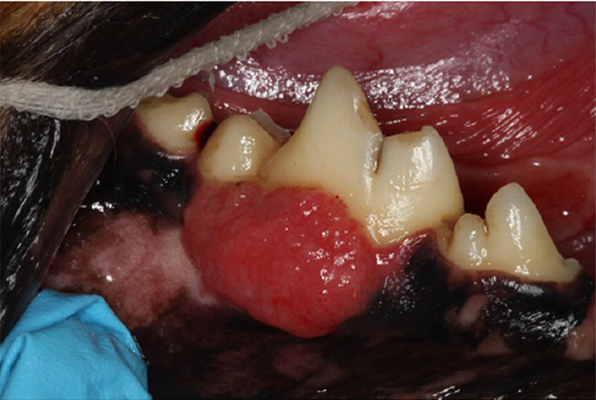
I really couldn’t come up with a catchy title. It’s a sucky disease. Cancer sucks. So the title sucks. It’s a theme.
But let’s talk about Squamous Cell Carcinoma. It’s a type of cancer that can occur in a variety of places. Humans get it on their skin (reason to wear your sunblock!!). Dogs and cats can get this kind of cancer on their skin as well, but it is not very common, because they have fur for sunblock! Because the skin version is related to UV exposure (like our version) it tends to affect more light colored animals, and in areas with thin fur, like the nose, tips of ears, etc.
We’re talking about a different version of Squamous Cell Carcinoma. A much deadlier, suckier one.
This is the most common oral tumor of cats. If you find a cat with a mass growing anywhere in the mouth (lips, gums, palate, etc) we assume it is a squamous cell carcinoma until proven otherwise. If we wanted to 100% confirm it was this cancer, a biopsy of the growth under general anesthesia is the best way. Some vets will try to cut back the tumor (debulking) while they are at it, but this does not really improve the prognosis. This cancer does not tend to metastasize, or spread throughout the body, which is a good thing. So why do we hate it so much?
The tumor grows in the mouth and can invade the bones of the skull. We use the term “locally invasive” to indicate it does not spread throughout the body, but really can get out of hand in the area it is in. We hate this disease because it makes us euthanize a cat who is otherwise healthy. From the neck down, the cat is healthy and normal! But this awful tumor invades the mouth, preventing the cat from eating. We obviously don’t want the cat to starve to death, so humane euthanasia is eventually chosen as opposed to starvation.
In some lucky cats, the tumor grows on the bottom jaw, which we can surgically remove (yes, cats can live with a partial bottom jaw!). This is often best performed by a spet, as it is a very involved procedure. When the tumor invades the upper jaw (the maxilla) that connects to the face, it can even effect the eye! Obviously, we can’t surgically remove half your cat’s face. I have had some owners pursue radiation therapy for these cats. Unfortunately, the eye is usually in the field of radiation, and may suffer because of it. But some of these tumors do shrink a little.
What about a feeding tube? If the whole cat is healthy, and it just can’t eat, can’t we do it for them? I have had a couple clients who could not let the cat go, and we did a feeding tube. It does not help significantly improve the quality of life of these cats. The tumor continues to grow, eating away at the skull. We have teeth falling out because the bone that holds them in is so abnormal. We have a cat drooling blood all the time, and they are generally very uncomfortable.
The most common symptom we see with oral squamous cell carcinoma is the breath. I often joke I can diagnose this disease simply by walking in the room. It is a smell like no other – a smell of rotting, decaying tissue. Sometimes the swelling in the face is apparent from across the room, while other times we have to open the mouth to look.
This disease sneaks up on people…how often do YOU look in your cat’s mouth? And if you are not keeping up on your cats dental care, you may just think it’s a bad tooth you’re smelling. Bloody drool is another common symptom, but again, people often blame dental disease (which the cat very well may have as well!).
So if you notice your cat’s breath smelling extra bad, get him to the vet! If caught early, and if they happen to grow in the right place, some of these tumors may be resectable. Otherwise, knowing what you are dealing with lets you focus on making your cats remaining weeks/months as good as possible.
Web-DVM guest blogger Dr. Karen Louis is a practicing small animal veterinarian. See more of her articles at her blog at VetChick.com
Diarrhea In Dogs & Cats – When To Worry
Everyone with a dog or cat has dealt with it at one point. It’s never pretty.
It’s diarrhea.
Of course, I could write pages and pages on this topic.
Our focus here: when do you start to worry? There are many variables at play. The diarrhea could be a nuisance that clears up easily with medication (or on its own) in a day or so, or it could be life threatening! And to be clear, never ever limit access to water for an animal that has diarrhea!
Here’s how to decide if you need to skip work and go to the vet right away, or if you can simply call your vet and get advice on what to feed and give it a day or so.
How is he feeling? Wanting to go for a walk? Playing normally? Or lying around?
Most dogs and cats who eat [insert random gross object here] will have loose stool but be otherwise healthy. If they are otherwise 100% normal and this is the 18th time they’ve done this, I can often just get you some diarrhea meds without needing an appointment (if I have seen your pet recently), as well as talk different food options (ie-bland diets).
If your pet is laying around or lethargic, he needs to be seen by a doctor. Sometimes it’s something more serious, and the diarrhea is a symptom of a bigger disease. Other times they are just dehydrated, and a good dose of fluids makes them feel much much better. Either way, that all is done by your veterinarian.
Is he eating OK?
Not eating, along with diarrhea, can sometimes be part of a bigger underlying disease. Other times their tummy just hurts! If your pet never ever misses a meal and is now not eating – worry! If your pet is a grazer, or not a reliable eater, I don’t worry as much. Again, sometimes just rehydration and symptomatic treatment is all they need. If your pet is eating and drinking fine, just has trouble with the back end, I am much less worried.
Is he vomiting?
I’ll cover vomiting in a future article, but in general, vomiting more than once coupled with frequent diarrhea warrants prompt medical intervention.
Is the diarrhea bloody?
I never actually ask this, but it is the first thing people mention, and it freaks them out. And to be honest, it’s the detail I am least concerned about! A little bit of red blood with the stool doesn’t cause me to panic (file this in the “no biggy” category). This often happens when an animal is having diarrhea, straining, and a blood vessel in the anal area leaks, hence the blood.
The blood that scares me is the digested blood, which is the sign of a significant bleed high up in the digestive tract. This diarrhea looks like black tar, nothing like the red blood most people see.
Another kind of blood in the stool that causes me concern is when the stool comes out like raspberry jelly. That is a symptom of a very specific disease (called Hemorrhagic GastroEnteritis, or HGE), which is very treatable, but requires aggressive rehydration. Time to see your veterinarian!
Is your dog a puppy? Is your cat a kitten?
Small and/or young animal tend to dehydrate very quickly. Some of these pets just have a lot of intestinal parasites, and we need to offer medical support while the worms die and the intestines calm down. Other times is could be a life-threatening illness (ie-parvo). Diarrhea that develops suddenly in a puppy or kitten should always be addressed immediately!!!
How long has it been going on?
Most people can stand a day or two of cleaning up, and if your pet is making it outside or to the the litterbox each time, you might not know exactly how long it’s been happening. If it’s more than a couple days, even if they are acting 100% normal, often some medications are needed to help clear things up.
Is your carpet white? Is company coming?
Yes, I’ve had people tell me the diarrhea is an absolute emergency for these reasons – not that I blame them! Bummer is, all treatments take time, and no one has invented a “pet cork.”
Web-DVM guest blogger Dr. Karen Louis is a practicing small animal veterinarian. See more of her articles at her blog at VetChick.com

Keep your pets safe this holiday season!
The holiday season is right around the corner starting with Halloween (yes, in my home, we consider Halloween a holiday!). It is both a joyous and busy time and it can be easy to overlook certain...

Help for nervous/anxious dogs
There seems to be a growing number of excessively nervous, often skittish dogs. This can range from anxieties, such as noise or storm anxiety, anxiousness about being separated from pet parents,...
Bird flu is infecting cats and cases are rising – What you need to know!
H5N1 Avian Influenza is causing far more trouble than just just high egg prices. The bird flu has successfully jumped species now able to infect cats and people. Although the ability to infect...

Read Dr. Roger’s Latest Book!

 Be Healthy & Fit With Celebrity Trainer Steve Jordan
- The New Measure of a Life Well Lived: Why Health Span Matters More Than Longevity
- The Wealth Spark: Igniting Your Path To Abundance and Success
- Bright Line Eating with New York Times best selling author Dr. Susan Peirce Thompson
- Maximizing Your Workout Time: Efficiency Tips from Westwood Private Fitness
- How to Transform Your Dad Bod: Insights from the Fit Father Project – New Podcast Episode Out Now!