Check Out Pets Podcasts at Blog Talk Radio with Roger Welton DVM on BlogTalkRadio
An Objective Assessment of GMO (Pet) Food
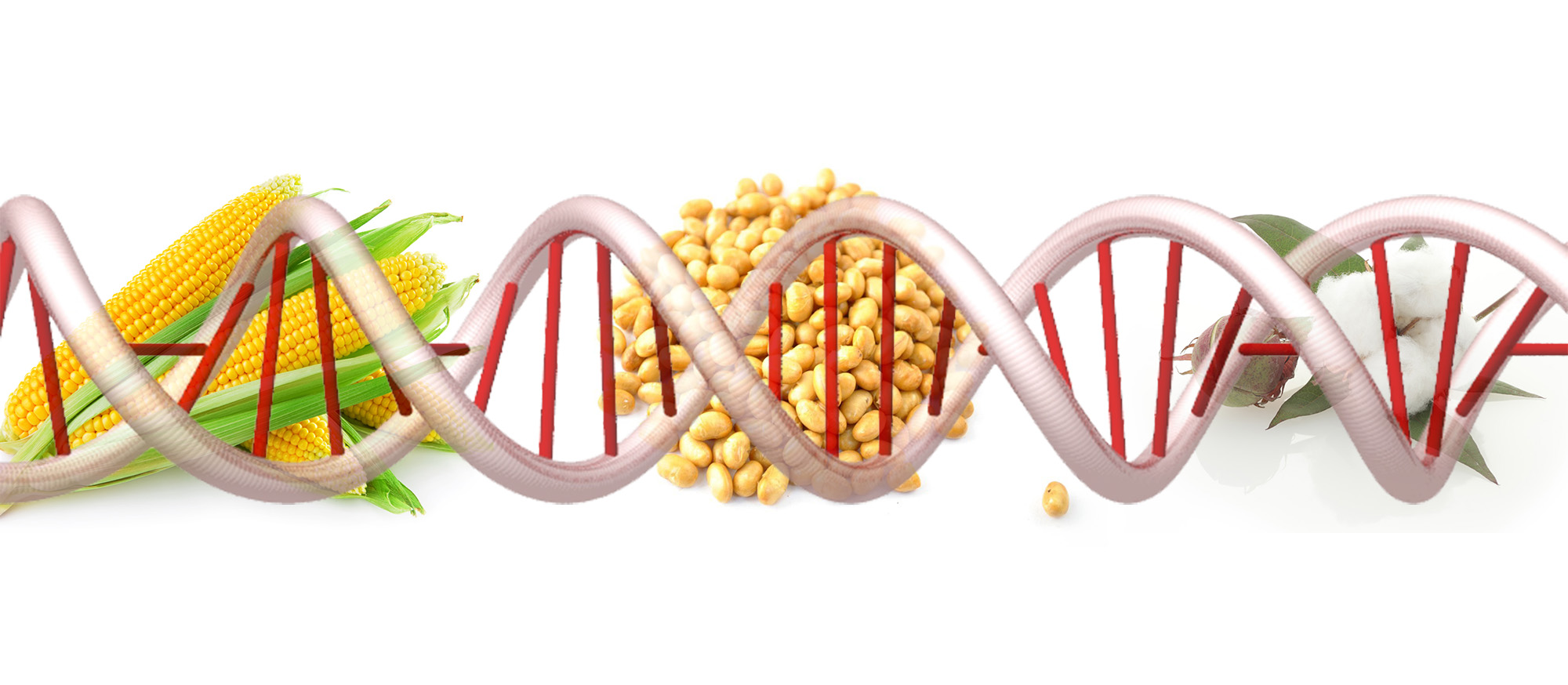 What is GMO?
GMO refers to genetically modified organisms, that is, its DNA (the biological structure that is the genetic blueprint for the diversity of life unique to each species) is modified by scientists. In the case of food, the genomes of various crops that are for human and animal consumption have DNA that is altered. This process often includes integrating DNA from other species, such as other plants, bacteria, and viruses. Although GMO foods have garnered a great deal of attention in the past few years, GMO food has been in production since 1994.
Why are foods genetically modified?
Crops are genetically modified for many reasons, including making them less appealing to insects or more resistant to drought conditions leading to greater crop yield, growing faster to increase production in a shorter amount of time, enhance taste and color, and increase shelf life to reduce waste from spoilage. Some GMO foods are engineered to intrinsically produce more vitamins and anti-oxidants, aspects of food that are considered nutritious and beneficial.
The most controversial use of GMO in the news right now is the company Monsanto modifying corn to be more tolerant of their herbicide product, Round Up. This enables farmers to now spray round up across the whole crop versus previously, when they had to spray in more specific areas where weeds are grew, taking more care to avoid the actual crops. The justification for this is that it saves both cost and time savings to the farmer, which reduces the cost of food to the consumer (more on this below).
Why is GMO bad?
The chief concern at the moment is the effect that Monsanto herbicide resistant crops pose to the environment and our food. Without the necessity to be more discerning and sparing in their use of herbicide, farmers may now indiscriminately spray herbicide diffusely across the whole crop, increasing the amount of chemical present on the food meant for human and animal consumption, as well as amount of chemical run off that impacts the environment (ground water contamination, wildlife toxicity, etc.)
Cross pollination is another concern. Insects and birds are an integral part of the pollination of all manner of flowers and plants, including crops. Thus, DNA material modified by a GMO crop can find its way into other crops and even environmental plant life. Herbicide resistant DNA is especially concerning with regard to pollination, as it can lead to the creation of “super weeds,” that are resistant to all manner of herbicides. There are already several documented cases of this unwanted phenomenon.
Other opponents of GMO suggest that in addition to the implications of products like Monsanto, there is evidence that GMO food may cause direct damage to liver, kidneys, and heart. One such opponent is scientist Sheldon Krimsky, who cites 22 studies suggest adverse health effects to animals fed GMO foods. However, Dr. Krimsky also admits that 22 is a very small number in comparison to the hundreds of GMO studies that show no adverse effects. Dr. Krimsky further acknowledges that claims of links to increased food allergies and cancers have to date not been proven in any studies to date.
How do you avoid GMO foods?
Since this is a pet blog, I will stick to strictly with pets on this one. The only way to avoid feeding your pets GMO is to either home prepare their food with ingredients that are purchased with a specific “organic” label, or purchase pet foods that are labelled “organic.” Do not be fooled by terms like “holistic,” “homeopathic,” or “all natural.” These terms are all smoke and mirrors and have no real meaning or definition in the pet food industry. The only way you can truly avoid feeding pet food that is GMO free is if it is specifically labelled “organic.”
Dr. Roger Welton is the President of Maybeck Animal Hospital in West Melbourne, FL, Chief Editor of the Veterinary Advice and Information Website, Web-DVM, and founder/CEO of Dr. Roger’s Holistic Veterinary Care.
Sources:
Dan Goldstein, MD, senior science fellow, Monsanto, St. Louis.
Sheldon Krimsky, PhD, adjunct professor of public health and community medicine, Tufts Medical School, Boston.
Kent Bradford, PhD, distinguished professor of plant sciences; director, Seed Biotechnology Center, University of California, Davis.
CSA Discovery Guides: “Genetically Modified Foods: Harmful or Helpful?”
FDA: “FDA’s Role in Regulating Safety of GE Foods.”
Klumper, W. PLOS ONE, November 2014.
de Vendomois, J. International Journal of Biological Sciences, 2009.
Iowa State University: “The Debate on Labeling Genetically Modified Food.”
Brown University: “What is Genetically Modified Food?”
A Review of International Labeling Policies of Genetically Modified Food to Evaluate India’s Proposed Rule. 2007.
University of California Division of Agriculture and Natural Resources Statewide Biotechnology Workgroup.
California Prop 37: “Right to Know.”
University of Nebraska, Ag Biosafety: “Will This Stuff Harm the Environment?”
World Health Organization: “Frequently asked questions on genetically modified foods.”
Vitamin C for Prevention of Chronic Urinary Tract Infections in Dogs
 Anyone who has been following my blog for any significant period of time knows how much I am a strong proponent of vitamin C for health management, treatment and prevention of disease. However, before I expand on the use of vitamin C for prevention of chronic recurring urinary tract infections in dogs, I must be very clear that the purpose of this article is educational and for discussion with your veterinarian to encourage an integrative approach management of disease; NOT to be a means to self-diagnose or treat a dog with suspected urinary tract disease. Signs of urinary tract disease (including pain vocalization while urinating, straining to urinate, blood in the urine, inappropriate urinating in the home) could be indicative of serious infections, stones, prostate disease, and even bladder cancer. If you suspect urinary tract disease in your dog, you should have your dog seen by a veterinarian for a proper examination, diagnostics, and treatment. This article is for owners of dogs with ongoing histories of properly diagnosed, treated, but recurrent urinary tract infections to have an integrative health boosting strategy to proactively prevent the incidence of disease.
Dogs predisposed to urinary tract infections often have predispositions to disease due to systemic or local immune deficiencies that are genetic, because they are immune suppressed due to treatment of other diseases with immune suppressive drugs, or result from unique anatomical considerations or have a tendency to excrete alkaline urine. Vitamin C may assist with mitigating some or all of these predispositions.
Vitamin C is a proven, powerful immune boosting nutrient. As a water soluble vitamin, vitamin C helps to acidify the urine to neutralize alkaline urine and inhibit bacterial growth. Vitamin C is also a powerful free radical scavenger that helps to detoxify the body and boost general health.
To be effective in management/prevention of urinary tract infections in dogs, the dose is much higher than most would expect. The dose is 10 mg per pound of body weight administered two times daily by mouth. For example, for a 50 pound dog, you would multiply 50 pounds x 10 mg = 500 mg two times daily.
However, many dogs will not tolerate this level of dosing right from the beginning, and diarrhea may ensue if dosing is not gradually attained over time. Thus, I generally recommend starting at 10% of the recommended dose, increasing every 2-3 days until the desired dose is achieved.
Dr. Roger Welton is the President of Maybeck Animal Hospital in West Melbourne, FL, Chief Editor of the Veterinary Advice and Information Website, Web-DVM, and founder/CEO of Dr. Roger’s Holistic Veterinary Care.
Did you know that, for the majority of pets, you CAN give turkey on Thanksgiving!?!?
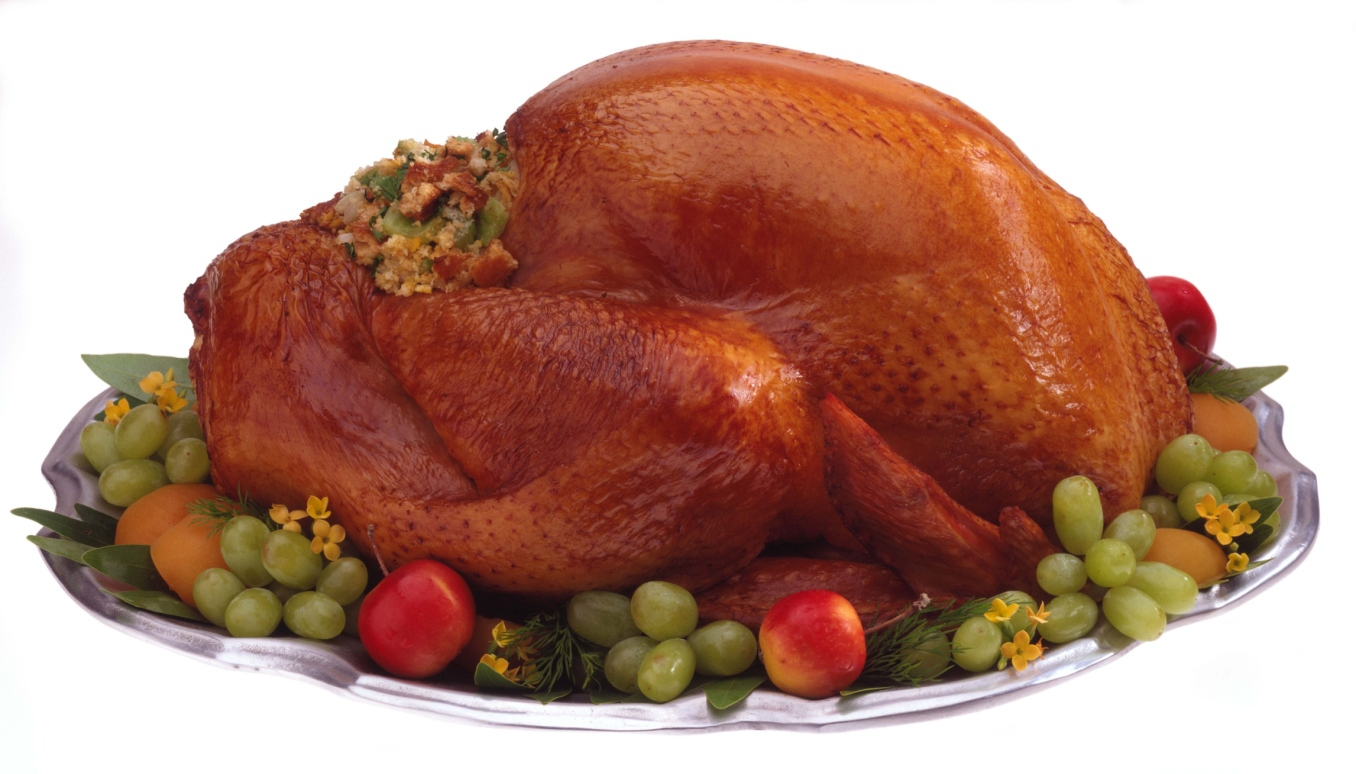
I know I know I know. Many vets tell you NO table food.
They say to NEVER give your pet any turkey on Thanksgiving.
Why do they say that? It’s just easy. People tend to want to over-indulge their pet, and if you tell them NO table scraps, it reduces the likelihood of a sick pet on Black Friday. Those owners 20 years ago who fed the entire turkey carcass to their dogs (and the dog might have even died) ruined it for the rest of us. Blanket statements became the norm.
Thing is, now the pendulum has swung the other way, and people want to share a holiday with their pets, but don’t know how. So there’s this feeling of “Am I breaking the rules?” No one feels like they know what’s “allowed,” and a lot of fear is going around unnecessarily. Instead of just forbidding everything, let’s be realistic.
I believe we can all exercise a little common sense. Turkey white meat (skinless) is actually a healthy food! As always, keep everything in moderation. So no, do not make an entire plate of food for your pet!
And keep the turkey skinless.
And only give the white meat.
And, for the love of God, never give your pet any bones!
How much turkey can you give? Limit it to 1-2 nickel-sized piece of skinless, boneless white meat per 10 lbs of dog or cat. That’s not enough to cause upset tummies in normal, healthy animals.
Here’s how to decide if your pet can safely get turkey. If not, I offer other alternatives:
Does your pet have a super sensitive stomach? Are they a frequent vomiter? Do they have diarrhea often?
Remember, sharing turkey is suitable for MOST pets, not all. Some pets it just is not worth risking any tummy trouble! If your pet is in this category, you’re the 1% that should skip it. Alternative – small ice chips (kinda lame, but cannot hurt a thing!)
Is your pet on a prescription diet for any reason? Check with your vet, as it depends on your pet’s condition. Alternative – small ice chips (again, kinda lame, but cannot hurt a thing!)
Is your pet on a prescription diet for food allergies? No turkey for you!
Alternative – small, bite-sized pieces of cooked sweet potato (plain). Or a canned version of their prescription dry food.
Is your pet missing a substantial number of teeth? Chewing turkey might be tough.
Alternative – small spoonful (teaspoon) of mashed potatoes with no gravy.
Is your pet prone to pancreatitis? Is your pet a miniature schnauzer? Anything with even a moderate amount of fat can cause big problems.
Alternative – a dime sized piece of plain white bread with no butter.
Remember, moderation is key to a fun holiday for the whole family! If your pets is not interested in sharing the feast, no need to offer any food and create a monster for next year! If you feel you will all enjoy the holiday more if you can share some with your pet without guilt, then follow my guidelines and have a happy Thanksgiving!
Web-DVM guest blogger Dr. Karen Louis is a practicing small animal veterinarian. See more of her articles at her blog at VetChick.com.
What I learned from my blind dog (AKA Aggression often has an explanation)
 Last year, I came in contact with a dog who was pulled from animal control by a rescue group, and needed a foster home. Of course, I can’t turn down a homeless fluffy face, so agreed to foster him.
When we first met, Linus was more interested in sniffing his new surroundings than in meeting people or dogs. Throughout the first week, we would all be playing ball in the yard, and he would sometimes collide with my other dogs. I thought they were just dogs not watching where they were going in the heat of the moment. A couple times he ran right into me, but I made the excuse of “he’s just excited.”
When he was lying on the floor, my husband would walk up and pet him, and Linus would jump up, snap at him, then run away. He sounded scared, although by husband insisted “he was looking right at me!”
I had noticed his pupils were extremely dilated from the very beginning, but, human nature, didn’t want him to have anything wrong. I always had an excuse: it’s shady, it’s dim lighting here, etc. Finally, after the second bite, I couldn’t deny it, and performed an ophthalmic exam. Bottom line – his retinas were very abnormal, causing serious vision problems!
I took him to my spet friend, Dr. Kice at MVRC, who has all the fun eye toys (and let me play!). We confirmed the diagnosis of PRA (Progressive Retinal Atrophy) – the cells in the back of the eye that process light are dead or dying. Translation – he’s slowly going blind, has lost over half his vision already, and nothing and no one can stop it. After confirming he’ll be 100% blind in a year or so, we decided to adopt him. Knowing he can’t see well, talking to him before petting, and adjusting his surroundings has led to no more bites, no more collisions, and one happy dog!
I am so thankful we got him. He was picked up in a very bad area of St. Louis, injured, severely malnourished, and dragging a chain. I can only imagine how terrifying life had to be with his visual impairment. I’m sure he was someone’s yard dog, living on a chain, lucky if he had food thrown at him. Maybe they dumped him when he tried to bite from his fear? I’m thankful worse didn’t happen.
Food for thought – aggression often doesn’t just happen for no reason. Look for any contributing factors, and be understanding. We ended up with a fantastic dog that we love!
Web-DVM guest blogger Dr. Karen Louis is a practicing small animal veterinarian. See more of her articles at her blog at VetChick.com.
Anal glands! Dogs have them, Cats have them…Humans, thank God, DON’T have them!

Some dogs have a lifetime of trouble with them, and need them expressed (emptied out) often. Other dogs act like they don’t even have them. What gives? (photocredit: http://drdvmd.com/scootthatbooty/)
First off, a little anatomy. Anal glands produce a stinky, almost fishy smelling fluid, that is contained in the anal sac. Dogs and cats have two anal sacs. If you look at your pet from behind, they are at about 4:00 and 8:00 on the anus. You can’t see them though – they are under the skin, nicely incorporated with the rest of the pooping apparatus.
These sacs can become filled with the lovely fluid produced by the glands. There is no official name for this fluid, and most vets I know refer to it as “anal juice” or some derivative there-of. In theory, when a dog or cat defecates, a little bit of this fluid comes out, and the fluid does not build up in the anal sacs. Each sac has a small opening toward the center of the anus for the fluid to exit.
Some dogs have a design flaw, particularly beagles, pugs, and many small breed dogs. Don’t drop your guard though – ANY dog or cat can have anal sac problems! Instead of the fluid gradually coming out, it builds up, and it is VERY uncomfortable.
Imagine two giant blisters in your butt that need to be popped. It’s kinda like that. At least that’s what my patients tell me.
If you see your dog licking his or her anal area excessively, this could be the cause. Or if your dog is scooting his bum across the floor, he’s a suspect. Sure, there are other possibilities as well for this anal discomfort (parasites, food allergy, etc) but it’s best to get the anal glands checked first. Easy to check, and a fast fix if that is the problem!
OK, so your dog or cat is really licking back there. What happens when you go to the vet? This is the part of my day when I think “I’m so glad I’m six-figures in debt so I can do THIS!”
First, your vet will likely take your pet to the back for this. Not that there is any major secret, but because the smell of the fluid from these glands is so foul and potent, the exam room will pretty much be unusable for a few hours if we do it in the room! In a housecall setting, I try to do them outside for similar reasons.
Your vet will “express the anal glands.” Kinda ironic, since it isn’t the glands, but the sacs we are actually expressing (squeezing/emptying). Still for some reason, it’s come to be known as an “anal gland expression” in a lot of clinics. Your vet will insert her (gloved!) finger up your dog’s anus (no, we don’t make a lot of friends doing this) and gently squeeze each gland to empty out the contents. Sometimes the contents are very thick, like toothpaste, and other times they are very watery. This is a hazardous procedure for the veterinarian, as some of these glands can really squirt when expressed! Every vet has, at some point, gotten anal gland fluid in her mouth, eyes, or in her hair. Then you smell the rest of the day. Back to that whole “I love my job” thing.
My personal record was squirting anal gland contents on the ceiling. It was not on purpose! I just squeezed, and they were SO full, and the angle was just right…. We kept cleaning the room and couldn’t figure out why it still smelled until we looked up…..
Groomers can express anal glands as well. They do not use the same technique as your vet, but do a pinch from the outside. Some dogs can even express their own! Fear can do that (some dogs express them during nail trims at the vet clinic), or some can just lick themselves until the contents come out. I’d recommend no kisses after that. For some dogs these work well, while other dogs that just doesn’t cut it, and they need the more thorough, veterinary technique.
And finally, anal sacs can become infected. Those are very frustrating, as it can take weeks for the infection to resolve. Your vet can tell right away if the sacs have abscessed, because they are very painful, and the contents are bloody. These dogs are usually licking his rear pretty much every waking moment, and some owners notice blood where the dog was sitting.
Bottom line – anal sacs that are full are way uncomfortable! If your dog is licking or scooting, have the vet check the anal glands. If they are full, your dog will have instant relief from them being emptied!
Web-DVM guest blogger Dr. Karen Louis is a practicing small animal veterinarian. See more of her articles at her blog at VetChick.com.
Powerful Anti-Oxidant Astaxanthin for Dogs and Cats for Prevention and Disease Management
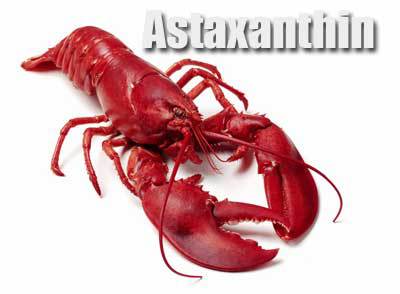 Astaxanthin is a reddish pigment that belongs to a group of compounds called carotenoids. It is naturally occurring in certain algae and is responsible for the red color found in lobster, shrimp, salmon, trout, and other seafood (photocredit: http://jarretmorrow.com). A powerful anti-oxidant, with anti-oxidant strength up to 6000 times more potent than Vitamin C, it is used in human medicine for treatment of Alzheimer’s Disease, high cholesterol, stroke, adjunctive therapy for cancer, cancer prevention, and an eye condition known as macular degeneration (source http://web-md.com).In dogs and cats, astaxanthin can be applied as a nutraceutical supplement for autoimmune disease, arthritis, allergies, adjunctive therapy for cancer, cancer prevention, cognitive dysfunction, and many other conditions that result in inflammation and tissue damage from free radical formation. Dosed properly, there are virtually no negative side effects associated with astaxanthin.Like any other nutritional supplements, extraction and processing for gastrointestinal absorption is key to the integrity and subsequent efficacy of astaxanthin. Nutritional supplements are not regulated by the FDA, which leads to the availability of a lot of bogus product in the industry. Therefore, be certain to obtain this and any other nutritional supplement through reputable, ideally pharmaceutical grade sources. For example, it is a key ingredient in my animal hospital’s anti-arthritis canine joint chews, which I recommend dogs starting by age 3.
Relatively new to the nutraceutical industry, the health benefits of astaxanthin that we are currently aware of are just the tip of the iceberg. As a practitioner of integrative veterinary medicine, I am very excited about ongoing research to discover new and innovative ways to manage disease with this naturally occurring and virtually side effect free anti-oxidant.
Dr. Roger Welton is the President of Maybeck Animal Hospital in West Melbourne, FL, Chief Editor of the Veterinary Advice and Information Website, Web-DVM, and founder/CEO of Dr. Roger’s Holistic Veterinary Care.
A Greenie a Day Keeps the Veterinary Dentist Away

Bernie Loves His Greenie!
Let’s face it, not every dog is amenable to daily tooth brushing. Some are downright combative about it, making the experience miserable for both dog owner and dog alike. For most cats, it is a foregone conclusion that tooth brushing is going to be a non-starter for your feline companion, possibly risky to one’s own personal safety.
Before I go on, if you are lucky enough to have the either a pet that is amenable to daily tooth brushing, or have the patience and/or time to get it done, daily brushing of the teeth and gums remains the single best way to prevent periodontal disease in dogs and cats. If you are like the rest of us who either have pets that will not tolerate the tooth brushing or are like my wife and I who have such busy schedules that we are lucky to get our children’s teeth brushed every day let alone our dog and three cats; this post is for you.
For many years, my hospital has gifted different varieties of dental chews with the post dentistry take home package we give away after a patient has had a dental cleaning. About 4 years ago, it was time for my Yellow Labrador Retriever, Bernie, to have the second routine dentistry of his life. Following the cleaning, the veterinary technician on his case gave me Bernie’s take home bag, which included an extra-large Greenie Bone. The next day, I fed it to him and I watched him delight in his gradual chewing down of his bone.
Since it made him so happy, I began purchasing 3 boxes of extra-large Greenies at a time to give him a nightly bone that he loved so much…and figured in the process, provide him some dental health benefit, since 2 very young children at the time had changed my priorities a bit away from constant husbandry of the dog, to seeing to the needs of much more high maintenance little humans.
I always believed in the benefit of Greenies, but what I observed with my own dog astounded me. Year after year, as I examined his oral cavity, Bernie’s periodontal disease did not relapse, and that has continued to this day! Having gone from two professional dental cleanings by the age of 6 years, to none since now at age 10, I cannot help but be 100% sold on the benefit of Greenie Bones as a highly effective dental health product for dogs.
In light of the success I had with my own dog, I also began trying the feline Greenie chew treats on my cats, which also has worked out very well. The challenge with cats, however, is the big variation in what individual felines will find appealing. Two of my three cats love the Greenie chews, while one will not even sniff at them. The dental health benefits for felines seem to be on par with what I observed in my dog with each now 6 years of age and neither has needed a dental cleaning (most cats are in need of their first dental cleaning by 3-4 years of age) , and a 66% success rate in feline willingness to eat a particular treat believe it or not, is a resounding success (of course, that is only the success rate in my home…I do not really know the national feline Greenie palatability percentage).
Because of variations in individual genetics that affect dental health, you may not necessarily see the same profound Greenie benefits I observed in my pets. However, having recommended Greenie Bones and chew treats for my patients for years following the success I had with my own pets, I can confidently state from experience that your pet will enjoy better overall dental health and less reliance on professional dental cleanings being regularly fed Greenies, than without.
Dr. Roger Welton is the President of Maybeck Animal Hospital in West Melbourne, FL, Chief Editor of the Veterinary Advice and Information Website, Web-DVM, and founder/CEO of Dr. Roger’s Holistic Veterinary Care.
Breeders Are Not a Credible Source For Vaccine Protocol Recommendations!
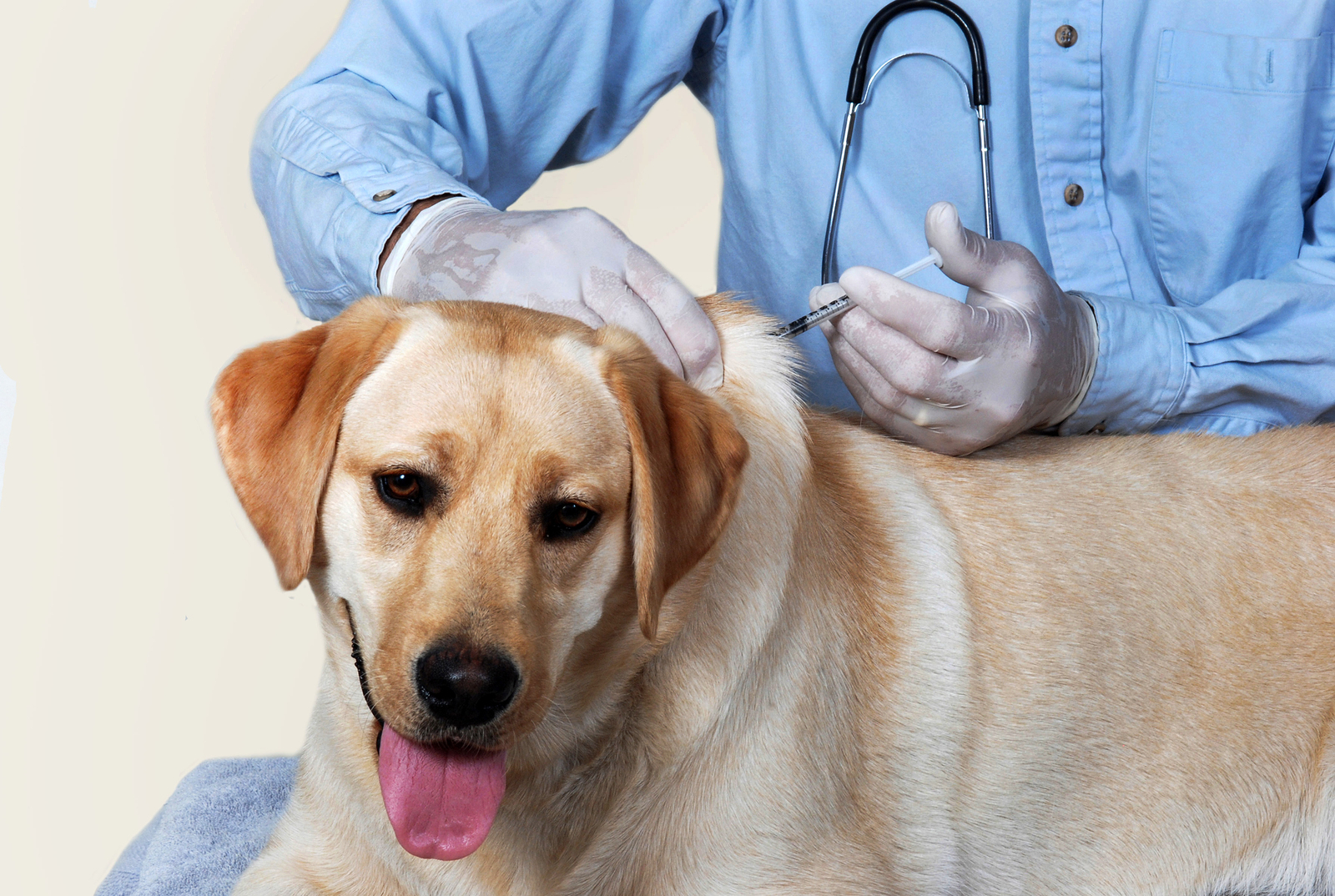
A dear client of mine was in the market for an uncommon breed called a Nova Scotia Duck Tolling Retriever. Since these dogs are not easy to come by, he finally found a breeder in Washington state that seemed to have a quality and healthy line and puppies available for sale, albeit with some very odd opinions about immunizations.
(photocredit: http://www.petconnection.com/2014/04/07/the-rabies-challenge-five-years-in/)
Wanting his new puppy to come to Florida with the necessary protection from diseases endemic to our state, he asked me to provide a list he would give the breeder of the protocol I advise for puppies in Florida. Before I continue, I want to make clear that I base my vaccine protocol recommendations on our industry’s two main governing bodies, the American Animal Hospital Association (AAHA) and the American Veterinary Medical Association (AVMA) who have done extensive research in the field of immunology and subsequent vaccine protocols.
The first premise AAHA and AVMA established is the difference between core vaccines and elective vaccines. Core vaccines are for diseases that are endemic everywhere, such as rabies, parvo, distemper, and hepatitis to name a few. Elective vaccines are geographic for locations where a certain disease is only endemic to one or a few locations, or for patients that may have a lifestyle that puts them at increased risk for certain diseases. Examples of elective vaccines would be Lyme Disease, Leptospirosis, and Bordatella.
Based on AAHA and AVMA recommendations and protocols, as well diseases I know to be endemic to Florida, I advised the DHPP (distemper, hepatitis, parvo, parainfluenza) at 6, 9, and 12 weeks; bordatella (kennel cough since this will be a dog that is regularly kenneled and groomed) at 9 weeks; leptospirosis at 9 and 12 weeks; and rabies at 16 weeks.
According to my client, the breeder just about lost it when he forwarded my recommended protocol to her. She stated that leptospirosis is so rare and the vaccine for it is so dangerous, that she refuses to let her vet administer it. She also stated that no dog should receive rabies until 6 months of age, and that even the core DHPP vaccine should not start until 8 or even 10 weeks of age; and rather than give a second DHPP booster necessarily, run antibody titers for distemper and parvo prior to giving it…as an adequate titer would negate the need for booster, and if a booster is required, she would do it at 16 weeks, as this would be hitting the “bulls eye” for protection.
I read this e-mail in the midst of eating my lunch, which nearly came up as I kept reading. If I may, please bear with me as I refute this breeder’s advice.
- Leptospirosis is not a deadly vaccine, as it has a very low reactivity rate, as do most of the vaccines we administer to both dogs and cats. This is true to the extent that despite administering thousands of immunizations per year, my clinic may see a reaction once every couple of years. These reactions are usually mild and easily treated with a steroid and/or antihistamine injection. In the exceedingly rare cases when we see vaccine reactions, rabies is the one most commonly implicated, not leptospirosis. Far more dangerous? The 50% mortality rate of liver and kidney failure from leptospirosis infection, a disease transmitted through the urine of squirrels and readily remains stable for extended periods in fresh standing water (lakes, ponds, puddles, etc.).
- Florida state pet law requires that any puppy or kitten is immunized for rabies by 4 months of age.
- Countless immunological studies have proven that antibody titers (a measure of protective antibodies imparted from a vaccine) have limited value in adult pets, and are virtually useless in juveniles. Immunological factors, such as cell mediated immunity, activation of T-cells and immune messenger molecules known as cytokines and interleukins; are far more complex than a measure of antibodies. We begin the immunization process at 6 weeks of age, as this is the time period where protective maternal antibodies originally received in the colostrum of the mother’s milk secreted in the first 24-36 hours following birth, begin to break down. Since immune protection imparted from a vaccine can take as long as 2 weeks following the injection, starting the vaccine protocol at 6 weeks of age imparts protection by 8 weeks of age when few maternal antibodies are left.. Juvenile immune systems do not stimulate enough of an immune response to create a sustainable protective immunity with just one inoculation in many cases, hence the need for “booster” of many of our vaccines.
- I cannot begin to understand what the breeder means by “hitting the bulls eye,” as this is not an immunological term I have never heard.
In my rebuttal to my client that he forwarded his breeder, she seriously questioned the risk of leptospirosis in Florida, as well as the safety of the vaccine (even though I have been practicing veterinary medicine in this state for 11 plus years and administer thousands of leptospirosis vaccine per year). She also advised him that with regard to the rabies vaccine and Florida state pet law, she recommends a “catch me if you can” approach and wait until 6 months of age. Of course, it concerns her not at all that my client lives in a rural area full of wildlife species that are most commonly implicated in rabies transmission, and that rabies vaccine at 16 weeks may be a good idea to protect not only his new dog, but his family and community.
I will concede, however, that breeders are not the only people to blame with regard to this sad state of affairs in their industry. There are enough veterinarians out there that deem breeder business so important that they pander to their machinations and unscientifically based and even dangerous assertions. These veterinarians impart a feeling of empowerment to these breeders that give them the self-reflective credibility to become even more steadfast and obstinate in their positions.
Dr. Roger Welton is the President of Maybeck Animal Hospital in West Melbourne, FL, Chief Editor of the Veterinary Advice and Information Website, Web-DVM, and founder/CEO of Dr. Roger’s Holistic Veterinary Care.
Breeders Are Not Veterinarians!
Check Out Pets Podcasts at Blog Talk Radio with Roger Welton DVM on BlogTalkRadio
 I saw a joke some time ago in a Facebook meme a veterinarian friend and colleague posted stating, “Taking pet health advice from a breeder is like going to a pimp for gynecology advice.” While my vet friends and I all got a good laugh at this, the comparison was little more than a funny exaggeration we had some fun with. Lately, however, I am beginning to think that there is more reality to this statement than just a funny little Facebook meme.
(photocredit: http://3milliondogs.com/tips/buying-a-dog-from-a-breeder-vs-rescuehumane-society)
To be sure, I have seen an increasing number of breeders giving their customers health advice that they are not qualified to give. Appallingly, they often even pre-emptively warn their customers that their vet will likely disagree because all of their opinions are based on stuff they were spoon fed in veterinary school and not based on “living in the real world.” While most of the clients I have served for years or have recently come to my veterinary clinic from word of mouth referrals would never value a breeder’s advice over my recommendations, there are troubling number of pet owners that take breeder pet health advice as sound medical recommendations, often with deadly consequences.
How putting two dogs together to mate and have puppies makes anyone a pet health authority that “lives in the real world,” – as opposed to a veterinarian that has completed 4 years of undergraduate science, 4 years of rigorous study at a veterinary college than includes clinical rotations through a veterinary teaching hospital, passing national boards, passing state boards, then going on to practice medicine for a living while engaging in continuing education year in and year out – is a notion that I will never be able to understand how people can accept.
Two recent cases made me absolutely incensed that were the inspiration for this blog post. The first was that of a Jack Russell Terrier that was diagnosed on pancreatitis that I had treated and recommended a prescription low residue diet to prevent recurrence. I treated this dog on behalf of a pet rescue that was successfully able to adopt out the dog to a retired couple. They were passionate about the breed and discussed their new dog with a friend who bred Jack Russell Terriers.
The breeder friend advised them to take the dog off the prescription low residue diet because it was loaded with grains. According to the breeder, the feeding of grains is what caused the pancreatitis in the first placed and is a big cause for many of the diseases we see in dogs. The dog’s new owners took their friends advice and put the dog on a grain free, high protein diet.
If this breeder had any real formal training or even had spent any time working in a veterinary hospital, she would know that pancreatitis is by in large genetic disease that is prevalent in small terriers and has nothing to do with grains. It occurs when, in reaction to the ingestion of fats and proteins, the pancreas over secretes fat and protein emulsifying enzymes (amylase and lipase, respectively) and rather than activate in the gut where they are supposed to , they instead activate in the pancreas itself and begin to essentially digest the organ. The result is severe pain, constant vomiting, and death if not treated expediently and aggressively.
After two weeks of feeding this diet, the dog came into my clinic seizing and in severe shock. After medically stopping the seizure and stabilizing the shock, diagnostics revealed that the dog was in such a severe state of pancreatitis that the islet cells of the pancreas responsible forinsulin/ blood sugar metabolism were destroyed to the extent that the patient was now so severely diabetic, that he was in a crisis called diabetic ketoacidosis, as well as kidney failure. Since pancreatitis, diabetic ketoacidosis, shock, and kidney failure each alone can lead to death even with aggressive treatment, I gave the dog a poor to grave prognosis.
Following 4 days of intensive care hospitalization and possibly some divine intervention, this dog miraculously recovered and went home, albeit needing insulin injections two times daily for the rest of his life. His owners learned a very costly lesson in having taken their breeder’s advice over that of their dog’s veterinarian who had successfully treated and hitherto was successfully preventing the recurrence of the original bout of pancreatitis. Had they just called me before making the dietary change their breeder friend had recommended, I could have broken down for them from a physiological point of view, why that dietary change was a bad idea and avoided so much suffering and expense.
My next example of breeder misinformation that inspired this post is with vaccine recommendations, which I will highlight in my next post, Breeders Are Not a Credible Source for Vaccine Protocol Recommendations!
Dr. Roger Welton is the President of Maybeck Animal Hospital in West Melbourne, FL, Chief Editor of the Veterinary Advice and Information Website, Web-DVM, and founder/CEO of Dr. Roger’s Holistic Veterinary Care.
Be Careful Not To Ignore Subtle Signs Pets Exhibit That May Indicate They Are Sick
I have beat this drum time and again, but I still rarely fail to get reminded on a daily basis of the fact that pets hide signs of illness far more effectively than we do. It is part of their natural instinct as animals to resist showing weakness. That is why as pet owners, subtle changes in our pets’ demeanor or out of the ordinary behavior should be taken as possible signs that our pets may be ill – perhaps to a degree that we could not imagine.
(photocredit: http://www.care2.com/)
In a recent case I managed of a small terrier, the owner had noticed that the dog was drinking more water more than typical for about 3 weeks duration. One morning, the little dog collapsed into a grand mal seizure, one which he did not come out of until he was brought to my hospital and I medically stopped the seizure with medication.
Once I ran bloodwork, the results were astounding. This little dog had been suffering from chronic pancreatitis (a debilitating inflammatory disease of the pancreas common in small dogs) that damaged his pancreas to the extent that he became severely diabetic. The unregulated diabetes put him into kidney failure, and on top of all of that, the dog developed sepsis, a multi-systemic infection spread within the circulatory system. All of this was going on, while the dog was merely drinking more water than typical, until the day came that he as a breath away from death.
It is no small medical miracle that the dog survived, but after 4 days of intensive care hospitalization, thankfully we were able to stop the pancreatitis, reverse the kidney failure, clear the infection, and regulate his blood glucose. The dog will be fed a pancreas friendly prescription diet and receive insulin injections twice a day for the rest of his life, but he will survive. He was lucky, as many dogs would not have survived this level of disease in multiple systems.
Drinking increased amounts of water is a common sign of disease, but there are many others that may escape the attention of the pet owner. Unexplained weight loss, fatigue, thin or dull hair coat, poor appetite, and lethargy are all subtle signs that a pet may be sick. Sometimes all the owner notices is that the pet simply is “not himself,” a presentation we call ADR (Ain’t Doing Right). I cannot tell you how often ADR presentations turn out to be significantly sick.
If something seems out of sorts with your pet, since you cannot ask them how they are feeling, have them seen by the veterinarian. It may ultimately turn out to be nothing at all, but then again, as in the case highlighted in this article; it could be a sign of serious pending disease…best to err on the side of caution and not bet your pet’s life on it.
Dr. Roger Welton is the President of Maybeck Animal Hospital in West Melbourne, FL, Chief Editor of the Veterinary Advice and Information Website, Web-DVM, and founder/CEO of Dr. Roger’s Holistic Veterinary Care.

Keep your pets safe this holiday season!
The holiday season is right around the corner starting with Halloween (yes, in my home, we consider Halloween a holiday!). It is both a joyous and busy time and it can be easy to overlook certain...

Help for nervous/anxious dogs
There seems to be a growing number of excessively nervous, often skittish dogs. This can range from anxieties, such as noise or storm anxiety, anxiousness about being separated from pet parents,...
Bird flu is infecting cats and cases are rising – What you need to know!
H5N1 Avian Influenza is causing far more trouble than just just high egg prices. The bird flu has successfully jumped species now able to infect cats and people. Although the ability to infect...

Read Dr. Roger’s Latest Book!

 Be Healthy & Fit With Celebrity Trainer Steve Jordan
- The New Measure of a Life Well Lived: Why Health Span Matters More Than Longevity
- The Wealth Spark: Igniting Your Path To Abundance and Success
- Bright Line Eating with New York Times best selling author Dr. Susan Peirce Thompson
- Maximizing Your Workout Time: Efficiency Tips from Westwood Private Fitness
- How to Transform Your Dad Bod: Insights from the Fit Father Project – New Podcast Episode Out Now!