Good Rule Of Thumb When Feeding Dogs & Cats: Avoid Diets With The Word “Blue” In Them
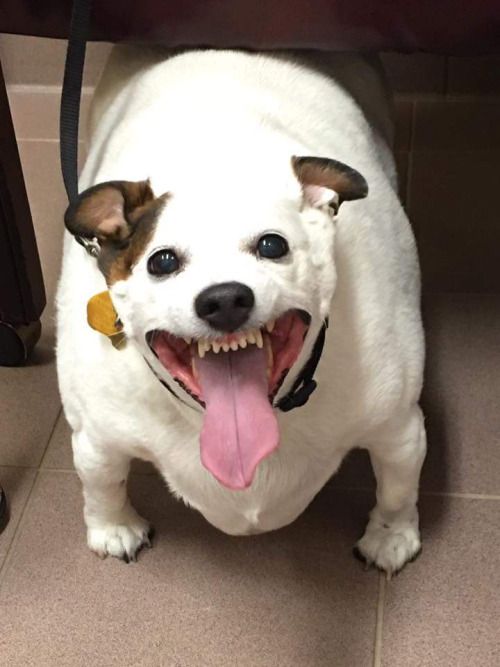
During my 3 hour appointment set this morning, I saw 3 cats and two dogs that all had two things in common: they were all obese and they were all fed diets whose brand had the word “Blue” in them. There are many variations of the “Blue” branded diets but I will keep it vague enough here that I will hopefully avoid cease and desist letters from their corporate attorneys. What these diets all have in common is that they are embracing the largely medically unsubstantiated grain free pet food craze that has taken over pet owning America, they have great marketing departments that show wild cats and wolves fading into domestic felines and dogs (respectively); but the biggest common thread among the Blue diets is that they cause rampant obesity in dogs and cats.
In fact, I have never in my career ever seen any line of diets that so consistently create obese canine and feline patients. It has come to the point that when I am presented with an obese canine or feline patient, I preemptively say, “Let me guess, you feed Fluffy Blue [something or other]. Incredibly, I seem to be right about 60% of the time (this morning, I was 5 for 5 on my guess, making me 100% on the day).
While the Blue diets may be grain free, they are absolutely loaded with simple carbohydrates. So while a pet owner may get convinced that grains are the devil, be prepared to feel safe and secure that one’s pet is never fed those terrible grains (add in sarcastic inflection) while one’s pet blows up like a balloon making him/her susceptible to joint disease, back injuries, diabetes, pancreatic disease, liver disease, gall bladder disease, and cancer. Hey, but at least the pet never ate grains!
I can go on about the grain free fallacy here, but I have begun to feel like I am merely beating a dead horse at this point. Many pet owners are inclined to believe what they read on the internet or hear from their breeder (don’t even get me started on this one!) or groomer and are going to insist on grain free no matter what I, the biochemist and licensed veterinarian, has to say about it. I mean, of course I am not going to tell them the truth about the evils of grains since I get showered with lavish vacations and kick backs from pet food companies (once again, enter sarcastic inflection).
Thus, for the purposes of this article, if a pet owner insists on feeding grain free no matter what, a great start is to avoid any diet with the name Blue in its brand. Next, consider a grain free option from one of the more reputable pet food companies like Hills or Royal Canin. While they may have very good reputations, Hills and Royal Canin are corporations after all, and see the writing on the wall: pet owning American for the foreseeable future will remain in the grip of the grain free pet food craze and may be indefinitely. You know how the old saying goes, if you can’t beat them, join them; so each company has come up with grain free options of their own, only they are much more effectively nutritionally well balanced and less likely to fatten up your pets like prized pigs.
Dr. Roger Welton is a practicing veterinarian and highly regarded media personality through a number of topics and platforms. In addition to being passionate about integrative veterinary medicine for which he is a nationally renowned expert, Dr. Welton was also an accomplished college lacrosse player and remains to this day very involved in the sport. He is president of Maybeck Animal Hospital , runs the successful veterinary/animal health blogs Web-DVM and Dr. Roger’s Holistic Veterinary Care, and fulfills his passion for lacrosse through his lacrosse and sport blog, The Creator’s Game.
Breeders Stop Giving Veterinary Advice To Pet Owners – You Do Not Know What The Hell You Are Talking About!

If you are not prepared for a Dr. Roger venting session, you best surf away from this page. For anyone who reads my articles or follows my podcast, it is no secret that I generally loathe breeders. 99.9% of them to not do any genetic screening or breed disease predilection testing on their breeding dogs. Most do not even have pre-breeding examinations, breed for good temperament, and often breed dogs before 2 years of age at a time when many congenital disease may not have yet manifested in the breeding dog or cat and is unknowingly passed on to the offspring that will one day be a very unpleasant surprise to the unsuspecting purchaser of the puppy or kitten.
As a result, many Golden Retrievers have hip dysplasia, nearly all German Shepherds are skittish fear biters, nearly all Jack Russel Terriers are aggressive, nearly all King Charles Cavalier Spaniels have heart murmurs, nearly all Bulldogs have, well, everything…etc. On top of this, breeders are now fancying themselves as some kind of health experts offering vaccine, spay and neuter recommendations they have no training or qualification to give. Naive pet owners see them as some sort of authority and sometimes believe them. Most pet owners will side with the recommendations of the trained, licensed, and experienced veterinarian that engages in continuing education to be privy to all of the latest research and studies. Every now and then, a pet owner chooses to believe the breeder…and it never ceases to make my blood boil.
18 months ago, a long time client got a new Golden Retriever puppy after having lost the second of her two Gold Retrievers at 13 years of age. I had a long history with this owner having treated health issues that afflicted both of her dogs (they were from the same litter) and she credited my care in keeping them alive and well beyond the average life expectancy of a Golden Retriever despite all of their health issues.
I was therefore shocked when, from the moment I saw her puppy, she disagreed with my recommendations for immunizations for core vaccines for diseases endemic in our area, the vaccine protocols, when to start the vaccines (all of which are set by the American Animal Hospital Association and the American Veterinary Medical Association – based on constant research) because her breeder had a different opinion. Her breeder also told her to make sure the dog has at least 2 heat cycles before spaying her because she needs the hormones for proper development.
I asked my client if this breeder had any veterinary medical training whatsoever and she said no, but she really knows the breed and has a very good reputation, and is just a lovely person. I then asked her where the Florida State Health certificate was that is a legal requirement for the sale of any animal in the state of Florida. She never got one. I asked her if there was any OFA testing of the breeding dogs’ hips, heart, eyes, and elbows, all areas of concern for diseases that are prevalent in Golden Retrievers. She didn’t have any. Oh, but the owner gleefully told she came with AKC papers, to which I told her is meaningless because the AKC is a useless body that will provide “papers” to the puppies any schlep breeder that will writ them a check.
So I leveled with my client and stated this, “So let me get this straight, you are putting more weight on the recommendations of a person who does not breed ethically or even legally and has no other qualifications other than having the ability to put two horny animals together to mate and produce puppies; over a licensed veterinarian with 16 years of clinical experience that you know and had treated your previous dogs for 13 years?”
Well she finally did acquiesce on the vaccine but absolutely would not budge on the spay. The sad part here is that the breeder is of course dead wrong about the spay. This has been heavily studied in recent years, and every study has concluded that the spay procedure has no negative affect on the growth, development and health when before the first estrus cycle. Once 700 plus dog study at University of California at Davis noted that it may not be a good idea to spay specifically a Golden Retriever before the age of 6 months because their data suggested a marginal increase in the risk of cancer of the spleen in Goldens spayed before 6 months of age. I never advocated for spaying dogs before 6 months of age anyway because doing so can increase the risk of urinary incontinence in middle age.
Here is what waiting to have the dog spay after two cycles DID accomplish, however. Her risk of mammary cancer which is one of the most common cancers in female dogs after completing two estrus cycles went up by 55%. When I did spay her today (which was the inspiration for this post tonight), her incision was double the length of a typical spay to account for a larger and more vascular uterus with more blood supply than I would have encountered at 6 months of age, and surgical time was about 15 minutes longer because of the greater amount of bleeding a sexually mature female experiences as opposed to a juvenile one. The overall risk was still very low, but increasing the risk even just a fraction was unnecessary.
At any rate, please always remember this. 99.9% of breeders are ignorant at best, unethical and shady at worst. NEVER purchase s puppy or kitten from one without first consulting with your veterinarian on the right documentation and testing should have been done on the breeding animals. ABSOLUTELY NEVER take medical advice from a breeder, as just like in this case, I will state in again, THEY DO NOT KNOW WHAT THE HELL THEY ARE TALKING ABOUT.
Dr. Roger Welton is a practicing veterinarian and highly regarded media personality through a number of topics and platforms. In addition to being passionate about integrative veterinary medicine for which he is a nationally renowned expert, Dr. Welton was also an accomplished college lacrosse player and remains to this day very involved in the sport. He is president of Maybeck Animal Hospital , runs the successful veterinary/animal health blogs Web-DVM and Dr. Roger’s Holistic Veterinary Care, and fulfills his passion for lacrosse through his lacrosse and sport blog, The Creator’s Game.
An Advisory Tale of Two Chihuahuas

I had two strikingly similar cases with two unrelated Chihuahuas in the same day with two very different outcomes. I hope my readers take this to heart and learn from them and not be part of the 97% of pet owners that will disregard them.
Chihuahua 1 is a 2 year old spayed female that presented with an abnormal rear limb gait. I noted that the dog had what we call a hypermetric gait which refers to a generally stiff walk in the rear limbs. She also periodically held up one rear leg or the other when standing. On physical examination, I quickly found the diagnosis, an angular limb deformity of both rear limbs that creates a bowlegged conformation that leads to the patella (kneecap) dislocating medially (toward the inside of the leg), a common congenital abnormality in toy breed dogs.
In this dog’s case, the deformity led to a severe grade 4 luxation, which means that the patella is dislocated all of the time in both limbs. The good news is that this condition is easily correctable with a surgery that is commonly done and of which I have performed hundreds of times.
My plan when disease is present in both limbs is to repair each limb in separate surgeries 3 months apart. I relayed this to the owners and without hesitation, they scheduled the first surgery.
Chihuahua 2 is a neutered 2 year old male that presented with the same exact history, exact same physical exam findings, and hence received the same treatment recommendation. The contrast between this first Chihuahua and this one is that rather the schedule the necessary surgery, the owners of this one asked for pain medication and took their surgical plan home to think about it.
The main difference between the outcomes of the appointments of Chihuahua 1 and Chihuahua 2 is that the owners of Chihuahua 1 have Trupanion pet insurance and the owners of Chihuahua 2 have no pet insurance. The owners of Chihuahua 1 got their Trupanion pet insurance right after their dog had its first puppy visit and had no preexisting conditions, have not let their premiums lapse, and will have all but their insurance deductible ($250) paid for on the morning of surgery. Since their deductible for the year will be satisfied, they will owe nothing on the morning of their second surgery when we schedule that one later on in September.
The owners of Chihuahua 2 have no pet insurance of any kind, so paying for both surgeries is a major financial stress to them. They want to have the surgeries done, intend to have surgeries done, but need to financially plan and hope to get back to us some time later this year to schedule the first one. Chihuahua 1 will begin his road to corrective surgery and getting on with what will likely be a long life free of pain in his rear legs, while Chihuahua 2 will have to be maintained on pain medication and there is a big question as to when his road to optimal quality of life will begin.
It will never cease to amaze me how Americans will not blink an eye at spending $1000 or more on a pure breed dog but continue to refuse the best way to pay for their health care needs in times of injury or illness. Despite the constant recommendations from veterinarians to purchase pet insurance right out of the gate when the pet is young with no preexisting conditions, only 3% of American pet owners have their pets covered. 50% of European and Canadian pet owners, on the other hand, carry pet insurance.
Even in the case of pets with preexisting conditions, pet insurance is still worth obtaining. For example, while a pet may have a history of skin allergies may not get allergy related visits covered, if the pet fractured its leg and required surgical repair, that would be covered. The bottom line is, a lot more can and will go wrong with a pet’s health than the few conditions a pet may have that are preexisting.
The moral of this article is if you have a pet that you love and would like to be able to afford its health care in the event of illness or injury, GET PET INSURANCE!
Dr. Roger Welton is a practicing veterinarian and highly regarded media personality through a number of topics and platforms. In addition to being passionate about integrative veterinary medicine for which he is a nationally renowned expert, Dr. Welton was also an accomplished college lacrosse player and remains to this day very involved in the sport. He is president of Maybeck Animal Hospital , runs the successful veterinary/animal health blogs Web-DVM and Dr. Roger’s Holistic Veterinary Care, and fulfills his passion for lacrosse through his lacrosse and sport blog, The Creator’s Game.
Why Vaccine Titers Are At Best Mediocre Predictors Of Disease Protection In Dogs & Cats
There are a growing number of pet owners that will only have their veterinarian complete the initial puppy or kitten infectious disease vaccine protocols, then request to run vaccine antibody titers for the rest of the patient’s life to determine if re-vaccination is necessary for a given disease. Antibody titers are measures of a concentration of antibody in the blood stream for which there are determined levels that are considered “protective” for a given infectious disease. I put “protective” in quotes, because antibody titers are just one part of the immune system – and important one to be sure – that taken are alone unreliable predictors of a canine or feline patient’s level of protection against disease.
An antibody is Y shaped protein that is produced by an immune cell called a plasma cell in response to invasion by a a microbe (virus or bacteria). The antibody recognizes a unique protein within a given microbe called an antigen and when presented with the microbe, binds to it in an effort to neutralize it. The binding of antibodies can render key components of a microbe necessary for invasion or even survival ineffective or in some cases signal other cells of the immune system called macrophages to consume and remove the microbe. This aspect of the immune system is call the humoral immune system.
The other major component of the immune system is called the cell mediated immune system. Cell mediated immunity is directed by cells of the immune system, primarily helper T cells that activate in response to an antigen presented by an invading microbe. Helper T cells communicate with other immune cells using immune messenger molecules called cytokines. These immune cells that include macrophages, dendritic cells, and natural killer cells, directly attack invading microbes by various means depending on their specific function.
Getting into specific details of each aspect of the mammalian immune system is beyond the scope of this article. In veterinary school, immunology is covered in a 4 month long semester 5 days a week for good reason, as it is extremely complex and has many moving parts. This article is meant to offer a basic understanding of the immune system’s components to explaind why antibody measurement is not a reliable predictor of vaccine protection against disease because it does not take into account cell mediated immunity.
Thus, a pet may have an adequate level of antibody, but the cell mediated response may be grossly inadequate leaving it susceptible to disease. Helper T cells within the cell mediate immune system operate via intrinsic “memory” of microbe antigens and that memory will vary depending on the type of microbe, as well as the individual genetics of the patient. These variations explain why some dogs and cats have very strong immune systems while others have weak immune systems and generally spend their lives more predisposed to infections. We see this same phenomena in people.
The true test of overall immunity is with a direct challenge of a disease to a vaccinated patient. The American Animal Hospital Association (AAHA) in partnership with the American Veterinary Medical Association (AVMA) enacted a great deal of research that included antibody titers and how they correlated to protection from disease. Their research discovered that while protective antibodies often last for 5 plus years, disease protection protection for many diseases begins to wane at 1-3 years depending on the disease. Duration of protection varies. For example, rabies vaccine has been determined to effectively protect for 3 years, while leptospirosis vaccine has been determined to impart protection for one year. Current vaccine protocols are based AAHA and AVMA research that in the early 2000’s led to an actual reduction in vaccine frequency for several core vaccines.
Thus, titers alone are not an accurate predictor of vaccine induced protection from infectious disease. Still, they are no entirely useless, as they offer some measure of quantitative immune response and can be used as a loose guide for patients that have health conditions where vaccines pose a significant risk, such as allergy to vaccines or autoimmune disease. Unless these mitigating circumstances are present, a pet is best protected by following quantitatively proven vaccines guidelines established by the veterinary profession’s governing and regulating bodies based on millions of dollars of past and ongoing research.
Dr. Roger Welton is a practicing veterinarian and highly regarded media personality through a number of topics and platforms. In addition to being passionate about integrative veterinary medicine for which he is a nationally renowned expert, Dr. Welton was also an accomplished college lacrosse player and remains to this day very involved in the sport. He is president of Maybeck Animal Hospital , runs the successful veterinary/animal health blogs Web-DVM and Dr. Roger’s Holistic Veterinary Care, and fulfills his passion for lacrosse through his lacrosse and sport blog, The Creator’s Game.
References:
Janeway, Charles; Travers, Paul; Walport, Mark; Shlomchik, Mark (2001). Immunobiology (5th ed.). New York: Garland Science. ISBN 0-8153-3642-X. Retrieved 24 January 2017
Borghesi L, Milcarek C (2006). “From B cell to plasma cell: regulation of V(D)J recombination and antibody secretion”. Immunologic Research. 36 (1–3): 27–32. doi:10.1385/IR:36:1:27. PMID 17337763.
http://AVMA.org
http://AAHA.org
Veterinary Stem Cell Therapy For Any Chronic “Itis”
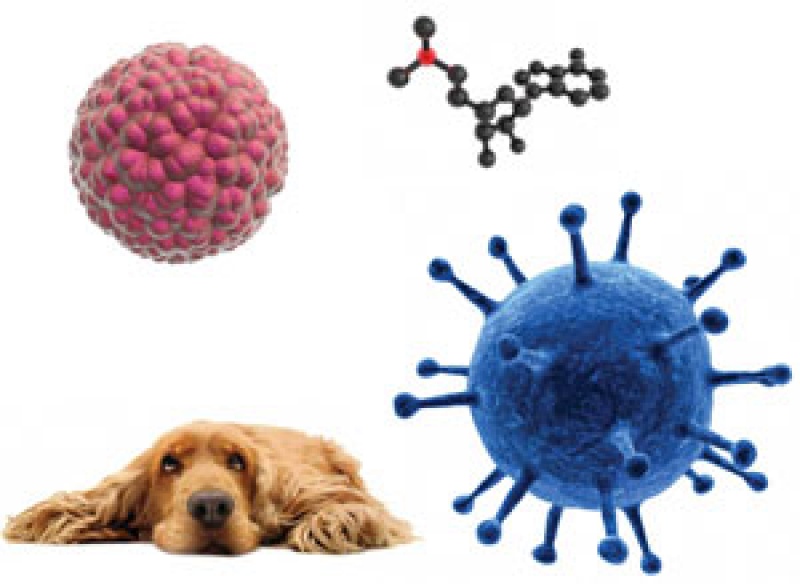
When we use the term “itis” for disease pathology in organ systems and tissues, it signals that a given system or tissue is experiencing inflammation. Hepatitis is inflammation of the liver, bronchitis is inflammation of the bronchi, dermatitis is inflammation of the dermis, etc. When inflammation is chronic, it means that it is ever present or waxes and wanes but never really goes away.
We commonly see and treat any number of chronic “itis’s” in dogs and cats that cause organ compromise and damage, cause pain, and often negatively impact quality of life. The advent of stem cell therapy gives us a powerful new tool to use the canine and feline body’s natural health mechanisms to better control inflammatory diseases. What’a more, stem cell therapy not only can reverse inflammation, it can also powerfully repair tissue and organ damage that has resulted from chronic inflammation.
Stem cells are progenitor cells that have the ability to differentiate into any tissue cell type. When dogs, cats, and people are younger, they have an abundance of activated stem cells that facilitate healing at a more rapid rate than the aging patient. This explains why younger puppies, kittens, and children heal much faster than when they are adults and seniors.
With incredible new technology from Tithon Animal Services, we now have the ability to extract stem cells from a simple blood draw, isolate them and amplify them, then inject them directly into injured or inflamed tissues directly, as well as infuse them intravenously. Since we are making use of one of the body’s own intrinsic healing mechanisms, there are no negative side effects and aside from cost, there is no reason not to try it.
Thus, if your pet suffers from any chronic condition regardless of the region of the body, ask your veterinarian about stem cell therapy. If he/she does not do it, ask for a referral for someone that does.
Dr. Roger Welton is a practicing veterinarian and highly regarded media personality through a number of topics and platforms. In addition to being passionate about integrative veterinary medicine for which he is a nationally renowned expert, Dr. Welton was also an accomplished college lacrosse player and remains to this day very involved in the sport. He is president of Maybeck Animal Hospital , runs the successful veterinary/animal health blogs Web-DVM and Dr. Roger’s Holistic Veterinary Care, and fulfills his passion for lacrosse through his lacrosse and sport blog, The Creator’s Game.
Can The Grain Free Pet Food & PLEASE Listen To Your Veterinarian!

I was presented with a very nice retired couple with a very sweet Shih Tzu female dog for a yearly well visit. As is typical with a new client and new patient, I asked about any pertinent past injuries or illness. The lady told me that a few years ago, the dog had surgery to remove urinary bladder stones. I asked her if the dog was placed on a prescription diet that facilitated neutral urine pH in order to prevent future stones. She replied that she fed Royal Canin Urinary SO for 2 years, but her daughter (who is a groomer) last year convinced her to change to a grain free diet which she has been feeding for the past year and per the owner, the dog has been doing fine on it.
Thus, this very nice lady ignored the recommendation of her dog’s previous veterinarian to take the advice of a groomer who has no medical training whatsoever, daughter notwithstanding. I explained to this otherwise lovely couple that once a dog has had urinary pH aberrations to the extent that stones occurred, the grains are far less a threat to her wonderful little dog’s health than abnormal urine pH and imminent bladder stones. What’s more, I explained, there is not one single shred of evidence outside of proven and diagnosed food allergy and autoimmune GI disease that grain free pet food is healthier for dogs and cats. In fact, all anecdotal evidence points to the opposite and makes them less healthy since so many dogs get fat on grain free pet food.
Still, the dog had done clinically well on the diet for the past year and the couple politely remained skeptical to take my advice. As a reasonable compromise, I convinced them to at least let us submit a urinalysis to make certain that the dog’s urinary tract was healthy.
Sure enough, the urinalysis report came back today and the urine showed that the dog had a very high urinary pH and the dog was passing a severe number of urinary crystals, the precursor to stone formation. What’s more, the urine had trace blood in it indicating the the bladder wall was experiencing micro-hemorrhage, as sign of chronic inflammation and likely pain. This couple’s little Shih Tzu is a tough little girl!
I called the couple this AM and got their voicemail. I told them about the results and that they need to get their dog back on the urinary prescription diet ASAP otherwise risk the necessity of needing another surgery. In fact, there could be stones in the bladder already, so I also recommended they return with the dog for an x-ray of the bladder. I am crossing my fingers and toes hoping that they will listen to me this time.
Folks, veterinarians recommend disease specific prescription diets not because we like to sell diets or are in the pockets of pet food companies. In fact, we actually really dislike selling food. The mark ups are terrible and food takes up precious space in a clinic. If money was my motivation I would just let these people carry on with their grain free food and guarantee myself $1500 bladder surgery in the near future.
We recommend the prescription diets because they work. Yes, they have grain in them, but for the vast majority of dogs whose diseases necessitate prescription diets, the nutritional benefit of the disease management far outweighs any harm grains can do.
Dr. Roger Welton is a practicing veterinarian and well regarded media personality throughout a number of subjects and platforms. In addition to being passionate about integrative veterinary medicine for which he is a nationally renowned expert, Dr. Welton was also an accomplished college lacrosse player and remains to this day very involved in the sport. He is president of Maybeck Animal Hospital , runs the successful veterinary/animal health blogs Web-DVM and Dr. Roger’s Holistic Veterinary Care, and fulfills his passion for lacrosse through his lacrosse and sport blog, The Creator’s Game.
The Infamous Veterinary “Emergency” 15 Minutes Prior To Closing – Avoid Being One Of These!

About 50 percent of the time as we are nearing the end of our business day of appointments, emergencies and procedures, we get an urgent call from an owner desperate to get his/her pet in to be seen. Whether a condition is related to gastrointestinal distress, troubled breathing, dietary indiscretion, or injury, these calls only occasionally have legitimately JUST occurred and vindicate the call just as we are readying to close. Most of the time, however, the condition has been going on for most of the day, for several days, and even for several weeks; and the owner just now at the end of our day decides the the condition warrants urgent attention.
While our first inclination is to is to ask, “Why did you wait to call us 15 minutes before we close when your dog’s vomiting started 5 days ago??!!,” our the well trained front desk staff at my veterinary hospital instead takes down the pertinent information and presents the case to the doctors and technicians on service for guidance in what to advise the client. Vomiting is but one example of these types of calls, but let us use that as an example of considerations for what seems to be a straight forward clinical sign.
Vomiting could be the result of simply dietary indiscretion, for which a simple course of anti-nausea medication, GI protectants, outpatient fluids, and possibly a course of antibiotics may suffice to resolve the issue. It could also be the result of potential deadly diseases such as pancreatitis, ingestion of a foreign body that became obstructed, ingestion of a toxin, infection, kidney failure, liver failure, and cancer (list list could go on indefinitely).
There is also the question of patient stability. Stated patient who has been vomiting for 5 days may now have serious electrolyte imbalances, dehydration, shock and organ compromise, even in cases that had fairly innocent causes for onset. In deciding on our recommendation for this case example, we are faced with the following questions:
1.) How long will it take the owner to get the pet to the hospital?
2.) What kind of work-up are we anticipating? (bloodwork, x-rays, outpatient treatments could take 45 minutes to an hour to turn around)
3.) Is this patient stable enough to realistically treat him at a general practice about to close?
All of this of course needs to be contemplated while technicians and doctors are scrambling to discharge patients from hospitalization or procedures, finishing up the last appointments, breaking down and cleaning medical equipment, sterilizing instruments, and doing a general cleaning of the hospital to prepare the facility for the next day.
While we may feel some frustration at the owner’s discretion in waiting until this time to call us, our concern is first and foremost for the patient. Although we may not be thrilled with our client’s judgement in the moment, we still sympathize that they are worried enough to call us and the alternative to seeing us is being referred to the 24 hour emergency and critical care hospital with vets and techs they are not familiar with and that costs the client a great deal more than work up and treatment at our facility does. In short, we sincerely wish to help both client and patient at these times but it is not always feasible.
In cases that we determine that it is not in the best interests of the patient to come to us dues to foreseeable stability concerns and/or we deem a work-up or potential treatment course to be too time consuming to reasonably get done with our medical team getting ready to leave (some of whom are on the tail end of a 12 hour shift) and we recommend the emergency hospital, some clients understand, while others express anger toward us.
If you are inclined to be the latter in such a circumstance, please understand that you are deflecting your anger at the wrong people. In this case example, the person you should be most angry with is yourself.
Dr. Roger Welton is a practicing veterinarian and well regarded media personality throughout a number of subjects and platforms. In addition to being passionate about integrative veterinary medicine for which he is a nationally renowned expert, Dr. Welton was also an accomplished college lacrosse player and remains to this day very involved in the sport. He is president of Maybeck Animal Hospital , runs the successful veterinary/animal health blogs Web-DVM and Dr. Roger’s Holistic Veterinary Care, and fulfills his passion for lacrosse through his lacrosse and sport blog, The Creator’s Game.
New Jersey Moves One Step Closer To Cat Declaw Ban Continuing Troubling Trend

The New Jersey Assembly just passeed a ban on a onychectomy, a surgical procedure commonly known as declaw. The law now goes to the NJ Senate for passage where its fate lies in question with many experts divided in the merits of the bill. The declaw procedure involves removal of the last segment of the feline digit where the claw emanates from. It is typically performed only on the front paws, rarely on all 4 paws (most veterinarians will not do 4 paw declaws). This prevents cats from damaging furniture, clothing, and other valuable items that some cats will scratch on and potentially damage.
Many people and organizations world wide opposed the procedure deeming it cruel due to the pain of the procedure, some cases where chronic pain lingers for much of the cat’s life, taking away its natural tendencies to use the claws to hunt and climb, or being unable to defend itself if it escapes outside. Other claims are more sensational and not based in the fact, such as declawing cats can lead to permanent nerve damage of the limb, causes aggression and urinary disease, and other tales that have no basis in fact.
Truthfully, veterinarians do not enjoy doing declaws. In fact, most of us really do not care for it and try to educate owners that the majority of cats actually will not ultimately be destructive with their nails and when they are, providing them cat condos to climb on and scratching posts to fulfill any inherent need a minority of cats have to scratch certain surfaces will usually keep them from damaging the home. Thus, we caution to not necessarily preemptively put a cat though the procedure when in most cases, it will not be necessary and only choose onychectomy as a last resort. As a result, throughout my 16 year career as a veterinarian, I have witnessed a sharp decline in the number of declaw procedures done in general practice. In my fairly high volume practice, each doctor may perform 3 declaw procedures at most per year. There are some years when I do not perform any.
One may ask, if vets generally do not like the procedure, why to we do it and why do many of us oppose banning of declaw? The reason is that there are legitimate cases where people’s homes are getting destroyed by a cat and have tried all alternative means to stop them and people resort to making them outdoor cats or giving them up altogether if not declawed. I would sooner see a cat declawed than being relegated to living outside constantly exposed to the elements, wreaking havoc on wildlife populations, and getting injured or killed by cars or predatory wildlife; or being made homeless altogether and turned into a shelter.
Although declaw is not a walk in the park, done correctly with ample pain management and coverage with antibiotics to prevent infection, the procedure is not as barbarous and cruel as some would lead people to believe. “Done correctly” is the key phrase and let’s face it, not all veterinarians are created equal. I would do your research prior to having any veterinarian perform a declaw procedure on your cat.
In my clinic, prior to a declaw procedure, the cat is given an injection of a morphine derivative called buprenorphine which provides extensive pain management for 12 hours. Once under anesthesia, a nerve block is applied to the paws to numb the digits. The combination of opioid pain relief and nerve block significantly reduce post operative pain.
Bear in mind that no bone is cut during a declaw (when done correctly), it is done by cutting the soft tissue ligament that attaches the last segment of the digit that houses the claw. An absorbable suture that will later dissolve after the wound in healed is placed, and once the procedure is complete, soft light pressure bandages are placed that stay on for 24 to 48 hours. Antibiotics are dispensed to prevent infection and the cat is generally hospitalized for two days to ensure good initial healing, control of infection, and management of pain. The cat is maintained on oral buprenorphine every 12 hours for 2 weeks.
I want to be abundantly clear that I understand why people oppose declaw and empathize with them. I personally oppose it for my own cats and I discourage it for my feline patients. However, the issue is not black and white. While I respect the views and intent behind proponents of declaw ban, I fear that a blanket ban will lead to less feline adoptions, cats being let out, and cats being turned into already overcrowded shelters. I would sooner see a cat be provided a loving home indoors and get declawed, than draw a line in the sand and instead with declaw banned and faced with no other options, see cats homeless or euthanized at shelters.
Dr. Roger Welton is a practicing veterinarian and well regarded media personality throughout a number of subjects and platforms. In addition to being passionate about integrative veterinary medicine for which he is a nationally renowned expert, Dr. Welton was also an accomplished college lacrosse player and remains to this day very involved in the sport. He is president of Maybeck Animal Hospital , runs the successful veterinary/animal health blogs Web-DVM and Dr. Roger’s Holistic Veterinary Care, and fulfills his passion for lacrosse through his lacrosse and sport blog, The Creator’s Game.
Reflections On Heartworm Disease In Dogs On Heartworm Awareness Month 2018
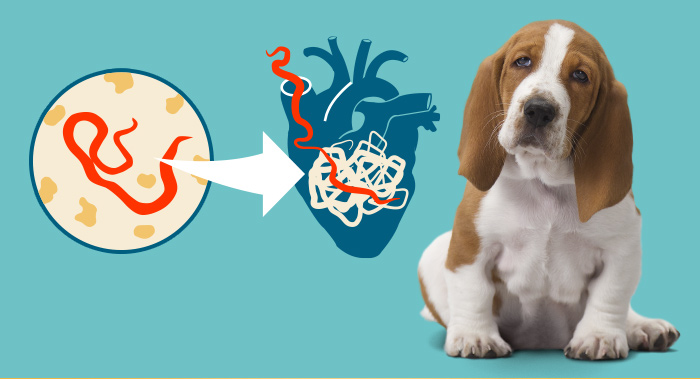
One of the most frustrating aspects of my job is when I fail to convince a dog owner of the importance of heartworm screening and heartworm prevention. The clients give me all of the same rationalizations for choosing not to engage in heartworm parasite screening and prevention. They are listed below with my typical rebuttals in italics.
My dog does not spend much time outside.
All it takes if one mosquito bite. If mosquitoes are biting you, they are biting your dog and possibly injecting infective heartworm larvae into their blood stream.
I don’t like giving my dogs chemicals and would rather take my chances.
Heartworm preventive medications are micro-doses of macrocyclic lactones, compounds derived from naturally occurring soil bacteria that kill juvenile forms of certain types of worms and are virtually harmless to mammals.
I will just put my dog on heartworm prevention if he gets heartworm.
By the time the heartworm surpasses the infective stage of larval development, heartworm prevention is not effective in killing the more advanced stages. Killing more developed larval stages and adult forms of heartworm will require treatment with three painful injections of an arsenic based compound that is far more toxic than virtually harmless heartworm preventive products. Heartworm treatment will also cost the equivalent of more than 10 years worth of heartworm prevention medication.
Sometimes hearts and minds are changed with these conversations and owners change their minds and understand the importance of heartworm prevention. Sometimes they are not and I am left feeling like I am banging my head against a wall with an innocent dog leaving my office at risk of contracting a debilitating and deadly disease that is so safely, easily, and effectively prevented.
So the heartworm positive cases inevitably continue to come through our door, about 2-3 per month, in my average volume clinic only a mere tiny fraction of positive cases nation wide. We have to run blood work and take chest x-rays to determine infected dogs’ state of general and heart health prior treatment. If they have heart enlargement evident on chest x-rays or present with a heart murmur, we recommend cardiac ultrasound to evaluate the heart chambers, heart contractility, and heart efficiency prior to treatment.
Ultrasound also will show us if there is a heavy worm load within the heart. In cases of heavy loads of adult heartworms, a mass chemical kill of the worms could be dangerous to the canine patient. In these cases, we often recommend a heart catherization procedure to directly extract as many worms as possible with small forceps prior to treatment with the arsenic based melarsamine injections.
Heartworm positive dogs are also generally treated with one month of a steroid and the antibiotic doxycyline prior to treatment to reduce inflammation within the heart and blood vessels and protect the patient from a deadly blood born infection following a mass worm kill off. It is expensive and invasive and so unnecessary when the feeding of a harmless heartworm prevention chew treat once a month so effectively prevents all of this madness.
Treating the aftermath time and again of dog owners refusing to heed my advice to administer heartworm prevention in their dog, every time a dog owner refuses to screen for heartworm disease and administer prevention, it never fails to leave me disheartened even after nearly 16 years of practice. I implore anyone reading this article to please not dismiss the potentially tragic consequences of canine heartworm disease and choose to learn the hard way when a dog is infected and sick. Choose instead to prevent!
Dr. Roger Welton is a practicing veterinarian and well regarded media personality throughout a number of subjects and platforms. In addition to being passionate about integrative veterinary medicine for which he is a nationally renowned expert, Dr. Welton was also an accomplished college lacrosse player and remains to this day very involved in the sport. He is president of Maybeck Animal Hospital , runs the successful veterinary/animal health blogs Web-DVM and Dr. Roger’s Holistic Veterinary Care, and fulfills his passion for lacrosse through his lacrosse and sport blog, The Creator’s Game.
Judge Michael Cicconetti Of Ohio Gives Animal Abusers Sentences Aimed To Teach Them Valuable Lesson

Judge Michael Cicconetti from Ohio got tired of seeing abusers of animals receive what amounted to slap on the wrist penalties when convicted of neglect or abuse of animals. As a result, he decided to get creative with his sentences in order to not only teach animal abusers a valuable lesson, but to raise and spread awareness that animal abuse is intolerable and will be treated as the serious legal infraction it is.
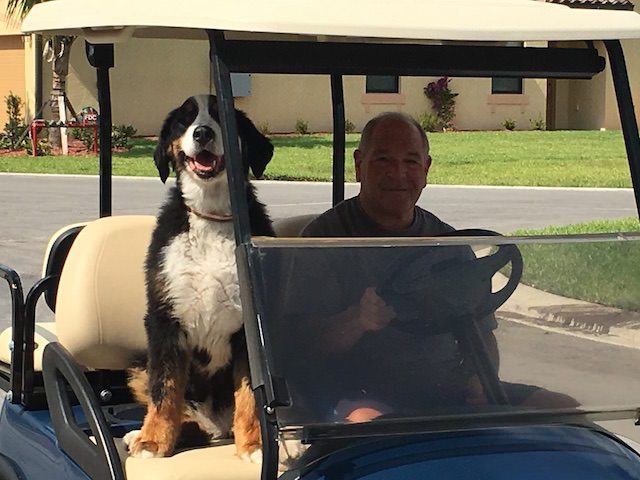
Judge Michael Cicconetti is a lover of animals beginning with his childhood dachshund mix Herman and continuing to present day with his 10-year-old Bernese mountain dog, Kasey. Judge Mike’s compassion for animals follows him into the courtroom where he is mandated to follow the parameters of the law which prohibit him from dolling out ‘cruel or unusual punishments.’ However, this does not mean that he cannot get creative.
One particular woman whose dog was found to be living in filthy conditions got sentenced by Judge Mike to spend an entire day at the very stinky local dump stating, “I want you to go down to the county dump, to the landfill, and I want them to find the stinkiest, smelliest, God-awful odor place they can find in that dump and I want you to sit there for eight hours tomorrow, to think about what you did to that dog while you smell the odor. If you puke, you puke.”
In another case, a woman had coldly abandoned 35 kittens in the woods. Judge Mike sentence mandated that in addition to jail time and a fine, that she also spend a night in the cold woods by herself, stating, “How would you like to be dumped off at a metro park late at night, spend the night listening to the coyotes … listening to the raccoons around you in the dark night, and sit out there in the cold not knowing where you’re going to get your next meal, not knowing when you are going to be rescued?”
Judge Mike notes that he never really had a premeditated plan to raise awareness, but just started dolling out these creative sentences as he continued to see repeat offenders clearly not learning their lesson for the crimes they committed against animals. Ultimately, Judge Mike hopes that mental health evaluations will soon be mandatory for animal abuse crimes. He would also like to see the establishment of an animal abuse registry, much like a sex offender registry, so that neighbors and shelters can be aware of past offenders.
It is so refreshing to see a legal professional have great compassion for animals and become serious about how egregious animal abuse is and take major steps to enact serious consequences and raise awareness.
Dr. Roger Welton is a practicing veterinarian and well regarded media personality throughout a number of subjects and platforms. In addition to being passionate about integrative veterinary medicine for which he is a nationally renowned expert, Dr. Welton was also an accomplished college lacrosse player and remains to this day very involved in the sport. He is president of Maybeck Animal Hospital , runs the successful veterinary/animal health blogs Web-DVM and Dr. Roger’s Holistic Veterinary Care, and fulfills his passion for lacrosse through his lacrosse and sport blog, The Creator’s Game.
Primary source for this story: https://animalchannel.co/ohio-judge-fed-up-with-animal-abusers/?utm_source=page&utm_medium=facebook&utm_campaign=animals

Keep your pets safe this holiday season!
The holiday season is right around the corner starting with Halloween (yes, in my home, we consider Halloween a holiday!). It is both a joyous and busy time and it can be easy to overlook certain...

Help for nervous/anxious dogs
There seems to be a growing number of excessively nervous, often skittish dogs. This can range from anxieties, such as noise or storm anxiety, anxiousness about being separated from pet parents,...
Bird flu is infecting cats and cases are rising – What you need to know!
H5N1 Avian Influenza is causing far more trouble than just just high egg prices. The bird flu has successfully jumped species now able to infect cats and people. Although the ability to infect...

Read Dr. Roger’s Latest Book!

 Be Healthy & Fit With Celebrity Trainer Steve Jordan
- The New Measure of a Life Well Lived: Why Health Span Matters More Than Longevity
- The Wealth Spark: Igniting Your Path To Abundance and Success
- Bright Line Eating with New York Times best selling author Dr. Susan Peirce Thompson
- Maximizing Your Workout Time: Efficiency Tips from Westwood Private Fitness
- How to Transform Your Dad Bod: Insights from the Fit Father Project – New Podcast Episode Out Now!