Talking About Pet Food These Days Is Starting To Feel Like Discussing Religion Or Politics

We have all heard that is is not a good idea to talks socially about religion or politics. Both are very personal to people and can easily escalate into uncomfortable conversations to say the least. What’s more, one rarely has real substantive discussions about religion or politics because more often than not, people’s opinions on these topics are based more on what that believe or feel and there is little room for actual facts. When people present “facts” on these topics to back their stances, they are usually cherry picked out of context or are taken from sources that lack real tangible evidence, only report a small snippet of a quote or article, or lack journalistic integrity altogether.
The topic of pet food unfortunately is going the way of religion and politics. The frustrating part for veterinarians is that a big part of our job is to talk about nutrition. Some still do listen, but increasingly pet owners are tuning us out, buying into the false narratives that we do not receive any training in nutrition (we do), that our recommendations are based lavish gifts and money kicked back to us from pet food companies (this does not happen), and grains, especially corn are the root of all disease in animals (they are not).
Several months ago, I saw an 8 year old boxer that presented for a routine yearly. The dog was fed raw but in a responsible manner where the owner did her diligence in rounding out her dog’s nutrition with vegetables and brown rice. I had no issue with this. The issue began when I diagnosed severe periodontal disease in this patient and I recommended a senior blood work profile and a dentistry procedure pending the results.
The results were troubling, as the dog had significant kidney elevations indicating that she was heading into kidney failure. I explained to the owner that there is direct correlation with chronic periodontal disease and early onset of degenerative kidney disease and that taking the proper precautions we should still proceed in cleaning up the teeth and extracting several that were beyond repair. To the owner’s credit, to this point she complied. The procedure went very well and the dog made a full recovery.
It was at the dental re-check that I brought up changing the diet to a food that was restricted in protein percentage, was phosphorus and sodium restricted, and had a nutrient balance that would support kidney healthy health, such as antioxidants and omega-3-fatty acids. Before I tell you what followed, bear in mind that this owner had just trusted me with her dog’s life, under anesthesia with compromised kidneys and performing extensive oral surgery on her dog’s severely diseased oral cavity.
Despite her trust in me to treat her dog under moderately risky circumstances, the boxer’s owner could not hear of even considering my dietary recommendation. There was nothing I could say to her, even after asking her to not take my word for it and showing her clear data of substantial life expectancy increases in canine kidney failure in dogs fed a prescription kidney disease diet.
Her biggest problem with the diet was that there was corn in the ingredients and it had preservatives. I let her know that given her dog’s kidney values, it would not be corn or preservatives that would shorten her dog’s life, but phosphorus, sodium, and protein metabolites that build up to toxic levels in kidney failure patients. She finished with telling me with finality that she in her husband regardless of her dog’s condition did not “believe” in feeding processed food of any kind, “even if it makes her life shorter.” What???
Unfortunately, this is not an isolated circumstance and is happening increasingly with time. One of the more common conditions we see in veterinary medicine is the passing of urinary crystals because of abnormal urine pH levels. Crystals irritate the lower urinary tract, cause secondary infections, and over time, can bind together and cause bladder stones. This condition is easily managed with several options of prescription urinary pH neutralizing diets, yet some clients refuse this easy solution because of corn being part of the ingredients or they are insistent on feeding raw. Unfortunately it sometimes takes endless recurring infections for a bladder stone surgery to finally convince them that corn is the least of the pet’s concern, meaning that the dog and/or their bank account must suffer sufficiently before they take my word for it and feed what I recommend.
Dr. Roger Welton is a practicing veterinarian and highly regarded media personality through a number of topics and platforms. In addition to being passionate about integrative veterinary medicine for which he is a globally recognized expert, Dr. Welton was also an accomplished college lacrosse player and remains to this day very involved in the sport. He is president of Maybeck Animal Hospital , runs the successful veterinary/animal health blogs Web-DVM and Dr. Roger’s Holistic Veterinary Care, and fulfills his passion for lacrosse through his lacrosse and sport blog, The Creator’s Game.
How Did A Spay Become A Commodity Service???
The Webster’s definition of a commodity is: “A reasonably interchangeable good or material, bought and sold freely as an article of commerce….” This definition indicates that commodities are shopped items open for trade at the best market driven price. While in the strictest financial terms this refers to agricultural goods and natural resources, commodity items in every day life can be expanded to include every day items like milk, eggs and bread.
In the early 2000’s a phenomenon veterinary industry experts dubbed “commodity services” began to rear its head with the advent of high volume discount spay/neuter and vaccine clinics. These clinics also eventually expanded into providing low cost dental cleanings. Full service animal clinics really did not pay them much attention at first never thinking that such important medical and surgical services could become shopped items where pet owners would go for the most low balled price. However, after really gaining momentum following the 2008 financial crisis and ensuing Great Recession, with so many desperate to save money wherever they could, commodity services in veterinary medicine became a real thing to contend with.
The tough part is that the low cost/high volume places did a very good job of marketing their low balled services as equivalent to what a full service veterinary hospital/clinic would offer. And as veterinarians who believed that good medicine and surgery would always trump gimmicky marketing ploys that disguised second rate, often downright scary practices that saved cost through sacrificing quality, we did a very poor job of making pet owners understand that you get was you pay for. We assumed that pet owners would sniff these places out and quickly realize that they were being sold a discounted turd masquerading as a diamond. Boy were we wrong!
Thus, the dog and cat spay has fallen into the category of a commodity service, one that some pet owners are willing to opt for the lowest bidder. Early in my career I never would have thought anything like this could possibly occur, and I certainly did not ever fathom that I would one day be writing an article like this. So let us discuss what a spay is and what it entails so that you may make a well informed decision as to whether you wish to trust your beloved pet being spayed by the lowest priced bargain basement clinic out there.
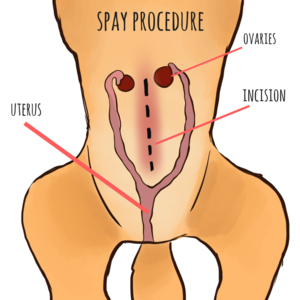
A dog or cat spay is a procedure technically called an ovarohysterectomy, whereby an incision is made into the abdomen and the female reproductive tract is isolated and surgically removed. This process requires the isolation and tying off of major abdominal arteries to prevent internal bleeding. Post-operatively, the female patient’s life literally depends on the integrity and strength of the ligatures used to tie off both ovarian and uterine arteries. Thus, the attention and skill of the veterinary surgeon and the quality of suture material is very important.
Speaking of surgical skill and choice of top brand suture materials, following a spay the only things keeping the internal organs inside the abdomen where they belong is the quality of the layers of surgical closure. Like the tying off of major blood vessels, the quality and integrity of the closure is dependent on the skill of the veterinary surgeon and the choice of quality suture materials.
Prior to making our approach to the sterile abdomen, the surgical site should be aseptically prepped by clipping away all hair and performing a proper surgical scrub of the region surrounding the approach. The veterinary surgeon performing the spay should be wearing a surgical cap and mask, have his/her hands surgically scrubbed, and be outfitted in a sterile surgical gown and wearing sterile surgical gloves. The surgical site should then be isolated with sterile surgical drapes to maintain a sterile surgical field in which to work. Not following these protocols can predispose the patient to serious post-operative infection.
Finally, one of the most potentially risky aspects of any surgical procedure is the anesthesia. Proper anesthetic protocols, state of the art monitoring equipment, and effective and safe pre and post operative pain medication are all essential components to smooth and safe anesthesia and patient comfort Please see these respective articles on Cat Anesthesia and Dog Anesthesia for more integral aspects of safe administration of anesthesia.
Clearly, there are many moving parts to the canine and feline spay procedure, thus, it should never be referred to as “just a spay.” Always bear in mind that a spay is a major abdominal surgery and should be treated as such.
Dr. Roger Welton is a practicing veterinarian and highly regarded media personality through a number of topics and platforms. In addition to being passionate about integrative veterinary medicine for which he is a globally recognized expert, Dr. Welton was also an accomplished college lacrosse player and remains to this day very involved in the sport. He is president of Maybeck Animal Hospital , runs the successful veterinary/animal health blogs Web-DVM and Dr. Roger’s Holistic Veterinary Care, and fulfills his passion for lacrosse through his lacrosse and sport blog, The Creator’s Game.
Special Considerations for Anesthesia in Cats
Cats are not little dogs. They have unique physiological differences that warrant unique approaches to feline medicine and anesthesia is no exception. While many of the principles of anesthesia are the same in cats, there are some special health and safety considerations to take into account.
I once attended a lecture where the board certified anesthesiologist speaker defined anesthesia as “the controlled release of potentially lethal compounds.” I was very impressed with this definition and I use it frequently with my medical team so that they are always acutely aware of the importance of optimal anesthesia vigilance and subsequently safe outcomes. Does this mean we should fear anesthesia? Of course we should not. However, we need to respect it and minimize any risks that anesthesia inevitably presents no matter how healthy a patient may seem to be.
This information is especially important in this relatively new era of discount spay and neuter clinics that often cut costs by skipping some of the most important base principles of the safe administration of anesthesia in cats. Thus, before scheduling anesthetic procedures for your beloved cat, always verify that these guidelines are being followed:
Thorough Pre-anesthetic Examination
In my clinic, even if a patient was diagnosed with a condition that requires an anesthetic procedure the day before, on the morning of the procedure, a full physical examination by the attending veterinarian and assessment of vital signs is performed prior to rounds. Many aspects of a patient’s health can change in a matter of hours let alone days. Thus, an updated examination on the morning of the procedure is an essential component to safe anesthesia administration in cats.
For consistency and case and patient familiarity, my clinic assigns the same technician that will stay with the feline patient from check in, pre-anesthetic exam, blood testing, induction, intra-operative care, recovery and post-operative care, through to discharge.
Important Recommended Pre-anesthetic Tests
CBC – CBC stands for complete blood count and tells us about the red blood cell and white blood cell counts. Blood cell counts are important indicators of a feline patient’s systemic health and enable the veterinarian to make adjustments to anesthesia protocols to account for abnormalities.
Biochemistry Profile – This tells us about liver, kidney, and pancreatic function, as well as electrolyte and plasma protein levels. These parameters inform the veterinarian how efficiently and effectively the feline patient can process and eliminate anesthesia drugs. They also are important to aid the veterinarian in choosing the correct intra-operative fluid types and fluid administration rates.
Pre-medications
My clinic generally administers an opiate injection to the feline patient at least 20 minutes prior to anesthesia. This serves first and foremost to reduce stress, which is a known factor that can increase the risk of anesthesia. Stress reduction is an especially important consideration for cats as fight or flight driven mammals that produce high levels of stress hormones that can increase the risk of anesthesia.
For surgical procedures that will induce pain, an opiate injection also dramatically reduces postoperative pain by blocking pain channels before the painful stimulus occurs.
Intravenous Catheter
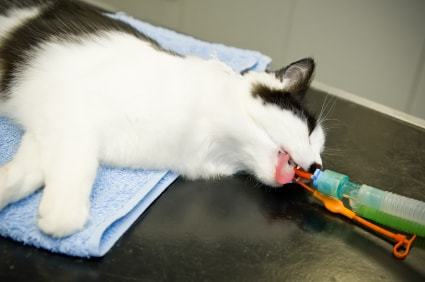
The intravenous catheter provides an open port through which anesthesia induction agents (induction drugs provide the deep sedation necessary to place an endotracheal tube for safe administration of the gas anesthesia), as well as life sustaining and lifesaving fluids and medications are administered.
Endotracheal Tube
Endotracheal tubes are placed in the trachea (the main airway in the back of the throat primarily responsible for breathing) that serves several purposes:
- Protect the airway from aspiration of saliva or vomit (feline patients occasionally vomit while under anesthesia).
- Provide precise oxygen and gas flow rates.
- Provide an easy means to ventilate the feline patient in the event of respiratory arrest.
Dedicated Certified Veterinary Technician to Monitor Anesthesia
A dedicated veterinary technician to constantly monitor vital signs and parameters and monitoring equipment values is of the utmost importance. The technician is trained to recognize aberrations in values and vital signs in real time to assist the veterinarian with immediate intervention to maintain stability.
Monitoring Equipment and Parameters
The following are essential components to safe anesthesia monitoring:
- * Blood pressure – This is starred because aberrations in blood pressure cause our most common and serious anesthesia complications.
- ECG (electrocardiography) – Visible pulse wave of the heart.
- Pulse oximeter – Measures oxygen levels in the blood stream.
- Esophageal stethoscope – A probe that goes into the esophagus and provides an audible heart beat that is heard throughout the operating room.
- Capnometer – Measure carbon dioxide levels in the blood stream.
I my clinic, I have one surgical monitoring device called the Surgivet that has all of these components in one piece of equipment.
What to Expect
Under the best and safest of circumstances, cats after they have had anesthesia may experience some side effects for 24-48 hours that include:
- Drowsiness
- Vocalization
- Restlessness
- Insomnia
- Inappetence
- Vomiting
- Loose stools
In most cases these issues are self-limiting. However, if in doubt, call your veterinarian or bring your cat in to be evaluated.
Dr. Roger Welton is a practicing veterinarian and highly regarded media personality through a number of topics and platforms. In addition to being passionate about integrative veterinary medicine for which he is a globally recognized expert, Dr. Welton was also an accomplished college lacrosse player and remains to this day very involved in the sport. He is president of Maybeck Animal Hospital , runs the successful veterinary/animal health blogs Web-DVM and Dr. Roger’s Holistic Veterinary Care, and fulfills his passion for lacrosse through his lacrosse and sport blog, The Creator’s Game.
Best Practices For Safe Anesthesia Administration In Dogs
I once attended a lecture where the board certified anesthesiologist speaker defined anesthesia as “the controlled release of potentially lethal compounds.” I absolutely loved this definition and use it frequently with my medical team so that they are always acutely aware of the importance of optimal anesthesia vigilance and subsequent positive outcomes. Does this mean we should fear anesthesia? Absolutely not. However, we need to respect it and minimize any risks that anesthesia inevitably presents.
This information is especially important in this relatively new era of discount spay and neuter clinics that often cut costs by skipping some of the most important base principles of the safe administration of anesthesia. Thus, before scheduling anesthetic procedures for your dogs, always verify that these guidelines are being followed:
Thorough Pre-anesthetic Examination
In my clinic, even if a patient was diagnosed with a condition that requires an anesthetic procedure the day before, on the morning of the procedure, a full physical examination by the attending veterinarian and assessment of vital signs is performed prior to rounds. Many aspects of a patient’s health can change in a matter of hours let alone days. Thus, an updated examination on the morning of the procedure is an essential component to safe anesthesia administration in dogs.
For consistency and case and patient familiarity, my clinic assigns the same technician that will stay with the canine patient from check in, pre-anesthetic exam, blood testing, induction, intra-operative care, recovery and post-operative care, through to discharge.
Important Recommended Pre-anesthetic Tests
CBC – CBC stands for complete blood count and tells us about the red blood cell and white blood cell counts. Blood cell counts are important indicators of a patient’s systemic health and enable the veterinarian to make adjustments to anesthesia protocols to account for abnormalities.
Biochemistry Profile – This tells us about liver, kidney, and pancreatic function, as well as electrolyte and plasma protein levels. These parameters inform the veterinarian how efficiently and effectively the canine patient can process and eliminate anesthesia drugs. They also are important to aid the veterinarian in choosing the correct intra-operative fluid types and fluid administration rates.
Pre-medications
My clinic generally administers an opiate injection to the canine patient at least 20 prior to anesthesia. This serves first and foremost to reduce stress, which is a known factor that can increase the risk of anesthesia. For surgical procedures that will induce pain, an opiate injection also dramatically reduces postoperative pain by blocking pain channels before the painful stimulus occurs.
Intravenous Catheter
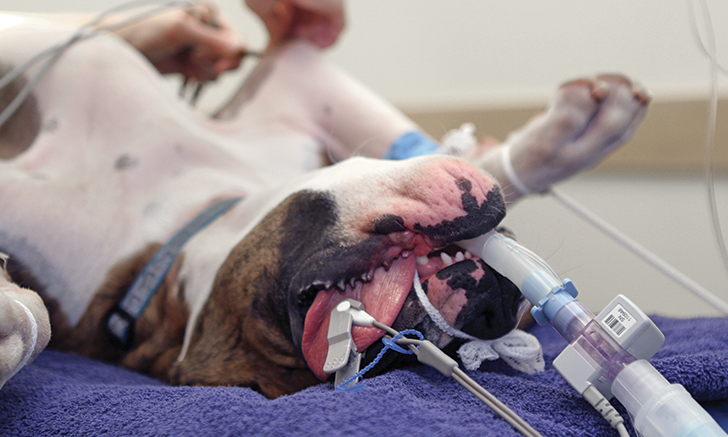
The intravenous catheter provides an open port through which anesthesia induction agents (induction drugs provide the deep sedation necessary to place an endotracheal tube for safe administration of the gas anesthesia), as well as life sustaining and lifesaving fluids and medications are administered.
Endotracheal Tube
Endotracheal tubes are placed in the trachea (the main airway in the back of the throat primarily responsible for breathing) that serves several purposes:
- Protect the airway from aspiration of saliva or vomit (canine patients occasionally vomit while under anesthesia).
- Provide precise oxygen and gas flow rates.
- Provide an easy means to ventilate the patient in the event of respiratory arrest.
Dedicated Certified Veterinary Technician to Monitor Anesthesia
A dedicated veterinary technician to constantly monitor vital signs and parameters and monitoring equipment values is of the utmost importance. The technician is trained to recognize aberrations in values and vital signs in real time to assist the veterinarian with immediate intervention to maintain stability.
Monitoring Equipment and Parameters
The following are essential components to safe anesthesia monitoring:
- * Blood pressure – This is starred because aberrations in blood pressure cause our most common and serious anesthesia complications.
- ECG (electrocardiography) – Visible pulse wave of the heart.
- Pulse oximeter – Measures oxygen levels in the blood stream.
- Esophageal stethoscope – A probe that goes into the esophagus and provides an audible heart beat that is heard throughout the operating room.
- Capnometer – Measure carbon dioxide levels in the blood stream.
I my clinic, I have one surgical monitoring device called the Surgivet that has all of these components in one piece of equipment.
What to Expect
Under the best and safest of circumstances, dogs after they have had anesthesia may experience some side effects for 24-48 hours that include:
- Drowsiness
- Panting
- Vocalization
- Restlessness
- Insomnia
- Inappetence
- Vomiting
- Loose stools
In most cases these issues are self-limiting. However, if in doubt, call your veterinarian or bring your dog in to be evaluated.
Dr. Roger Welton is a practicing veterinarian and highly regarded media personality through a number of topics and platforms. In addition to being passionate about integrative veterinary medicine for which he is a globally recognized expert, Dr. Welton was also an accomplished college lacrosse player and remains to this day very involved in the sport. He is president of Maybeck Animal Hospital , runs the successful veterinary/animal health blogs Web-DVM and Dr. Roger’s Holistic Veterinary Care, and fulfills his passion for lacrosse through his lacrosse and sport blog, The Creator’s Game.
Most Common Household Toxins For Cats

Human Medicines
Some human over-the-counter and prescription human grade medicines pose serious toxicity risks to cats, including:
- Antidepressants
- Cancer medicines
- Cold medicines
- Diet pills
- Pain relievers (acetaminophen, aspirin, ibuprofen, naproxen)
- Fat soluble vitamins (A, D, E, K)
You may have learned that some common medicines work for people and cats. While this is true, refrain from offering your cat any medications without first consulting with your vet. Many medicines that are virtually harmless for people can be very toxic, even fatal for cats.
Human Foods
Many cats beg when we sit down to eat, even try to steal some tidbits when we are not paying attention. There are several humans foods that can be quite toxic to cats, including:
- Alcohol
- Caffeine in coffee, tea, certain sodas
- Chives
- Chocolate
- Garlic
- Grapes
- Onions
- Raisins
- Xylitol (an artificial sweetener found in sugarless gums, candies, toothpastes)
- Yeast dough
Plants
Common houseplants and some others that may be present in and around the home can be toxic to cats. These include:
- Aloe
- Azalea
- Chrysanthemum
- Hyacinths
- Lily
- Marijuana
- Mistletoe
- Poinsettia
- Rhododendron
- Tulip
Common Household Chemicals
Some chemicals surprisingly can taste especially appealing to certain cats. Thus, without exception, keep any chemicals safely locked away, especially:
- Antifreeze
- Bleach
- Detergents
- De-icing salts (which pets may walk through and ingest by licking the salts from their pads)
- Dog flea and tick medication (pills, collars, spot-on flea treatments, sprays, shampoos)
- Fertilizers
- Herbicides
- Insect and rodent bait
Additional Household Hazards
Remain vigilant about common household items that can choke, strangle, block intestines, or electrocute:
- Chicken bones
- Dental floss, yarn, or string
- Holiday decorations, including lights and tinsel
- Toys with small or movable parts that can be ingested.
If You Suspect Your Cat Has Been Poisoned
Act quickly!
Call your vet: Have your veterinary clinic’s and Animal Poison Control Center [(888) 426-4435] phone numbers posted in a visible, convenient place to refer to in a snap.
Watch for the onset of common clinical signs. Common signs of feline toxicity include:
- Breathing problems
- Confusion
- Coughing
- Depression
- Diarrhea
- Dilated pupils
- Drinking and urinating excessively
- Drooling
- Seizures
- Shivering
- Skin irritation
- Tremors
- Vomiting
- Weakness
Dr. Roger Welton is a practicing veterinarian and highly regarded media personality through a number of topics and platforms. In addition to being passionate about integrative veterinary medicine for which he is a globally recognized expert, Dr. Welton was also an accomplished college lacrosse player and remains to this day very involved in the sport. He is president of Maybeck Animal Hospital , runs the successful veterinary/animal health blogs Web-DVM and Dr. Roger’s Holistic Veterinary Care, and fulfills his passion for lacrosse through his lacrosse and sport blog, The Creator’s Game.
Why All Cats 8 Years Of Age Or Older Should Have Blood Pressure Checked On Routine Well Visits
I have been consistent in my messaging for years that the yearly well visit is so much more than simply updating vaccines. The yearly visit performed correctly also involves parasite screening and a through physical examination to facilitate early disease detection to promote quality of life and longevity. In cats 8 years of age or older, routine blood pressure measurement must be an integral component to the physical examination.
Hypertension, aka, high blood pressure, is a common and serious health concern in cats. It may be a primary health issue that can lead to degeneration of the kidneys and cardiovascular system and leaves the feline patient at risk for dangerous clot formations. Hypertension in cats may also be an early indicator of cardiac, kidney, and endocrine disease in cats that would prompt us to run some routine senior lab work to either rule in or rule out the presence of these diseases then address them appropriately if present.
Of the aforementioned diseases, the most common cause of death in cats is chronic kidney failure. Hypertension over time can accelerate degeneration of the kidneys that leads to kidney failure. On the flip side, kidney failure commonly leads to hypertension…which in turn accelerates progression of the kidney failure.
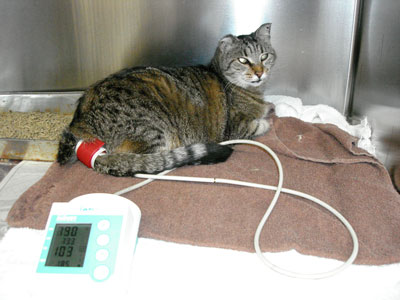
Thankfully blood pressure in cats is easily detected with a blood pressure measuring device called a PetMap where a cuff is placed on the tail to measure pressure over an average of 3-5 readings. Most cats tolerate the reading with minimal stress.
In addition, hypertension is easily treated. In cases of mild hypertension, I usually begin by just feeding a sodium restricted diet. If diet alone does not control the hypertension, then an affordable and safe regimen of two medications administered once daily (benazepril, amlodipine) is very effective in regulating blood pressure. If there is access to a compounding pharmacy which is the case in most areas, most medications can be compounded into one palatable suspension that can be administered in one simple treatment daily.
Here are some general guidelines as to when cats should routinely and regularly have their blood pressure checked:
- Any cat 8 years or older
- Cats of any age living with kidney failure
- Cats of any age living with diabetes and hyperthyroidism
- Cats of any age living with heart disease
Dr. Roger Welton is a practicing veterinarian and highly regarded media personality through a number of topics and platforms. In addition to being passionate about integrative veterinary medicine for which he is a globally recognized expert, Dr. Welton was also an accomplished college lacrosse player and remains to this day very involved in the sport. He is president of Maybeck Animal Hospital , runs the successful veterinary/animal health blogs Web-DVM and Dr. Roger’s Holistic Veterinary Care, and fulfills his passion for lacrosse through his lacrosse and sport blog, The Creator’s Game.
What Is The Right Age To Spay/Neuter A Dog
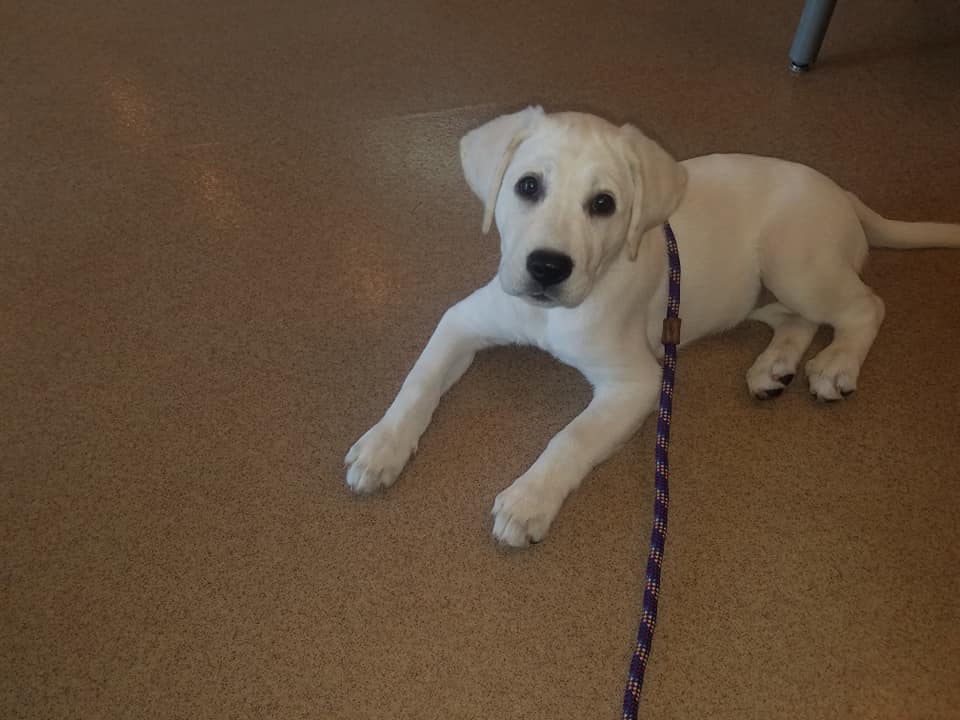
There has been a lot of debate on the topic of what the correct age is to have a dog spayed or neutered. The source of the debate comes as the result of several studies designed to determine the risks of spay/neuter at earlier ages versus later ages or not at all. Each study has its own set of embedded flaws. The study done by the University of California Davis, for example had a small population sample numbering in the hundreds and only studied one particular breed (Golden Retrievers). They also only used study participants that had their general pet care at Davis. It is generally unusual for dogs to have their general pet care done at University referral centers making diagnosis of disease far less likely to fall through the cracks given owners far less likely to decline diagnostics, leading to a higher percentage of diagnosis of some of the diseases the study concluded that early spay or neuter may increase the risks of.
The University of Georgia longevity spay-neuter study had a much larger sampling with 40,000 plus dogs of all breeds. This study was a retroactive study looking at the death records of dogs dating back to 1980 to see trends in overall longevity. The study determined that sterilized dogs lived significantly longer than non-sterilized dogs. In neutered males in comparison to intact males, the life span was increased an average of 13.8%, while in spayed females in comparison to intact females, the life span was increased by an average of 26.3%. These are significant numbers especially taken in the context of dog years. On the other hand, while overall life expectancy was longer in sterilized dogs, they were more likely to die from autoimmune disease or cancer; while intact dogs were more likely to die from infectious disease or trauma.
Davis also did a German Shepherd study that determined that the dogs spayed or neutered before 12 months of age had a 2-3 times greater incidence of certain joint diseases. Again, like the Golden Retriever study, there was the built in bias of dogs that receive general veterinary care at a university referral center and again, a relatively small population size and one single breed.
There is also the known fact that waiting to spay or neuter until later or not doing it at all carries its own risks. Intact males may one day suffer from enlarged prostate, perineal hernias, testicular cancer, and benign but obstructive tumors around the anus (called perianal adenomas). From a behavioral standpoint, if the wind is right, an intact male dogs can smell a female in estrus (commonly called heat) from 2 miles away. The torment that this causes some male dogs can lead to deep seeded behavioral issues such as marking, mounting on people, aggression, and any number of obsessive-compulsive disorders and general anxiety. What’s more, these issues do not always go away following neuter as the behaviors can become ingrained even after the hormonal influence has been removed.
On the female side, intact female dogs have a 21% chance of developing mammary cancer, as well as a life threatening infection of the uterus called pyometra, the treatment for which is emergency spay, but having to be done so with a severely systemically compromised patient with a uterus filled with pus. Delaying spay to allow a few estrus cycles also carries risk, as the preventative aspect of the spay regarding mammary cancer decreases by about 30% with each estrus cycle (as opposed to spaying before the first estrus cycle decreases mammary cancer by more than 80%).
So how do we make sense of all of this? A good starting point is looking at the overall incidence of the diseases that spay/neuter may predispose to and diseases that sterilization may prevent. Let’s look as mammary cancer versus other cancers for example. We know that spay decreases the risk of mammary cancer profoundly and in an intact or late spayed female dog we can expect about a 20% incidence overall. Despite its flaws, if we take a look at the Davis study, there is a slight increase is predisposition to osteosarcoma and hemangiosarcoma in females spayed south of one year of age, cancers that respectively carry 0.1% an 5% incidence in dogs. If we compare overall incidence of cancer, we should inevitably be far more concerned about mammary cancer than hemangiosarcoma and we most should certainly be far more concerned about mammary cancer than osteosarcoma.
Also despite its built it flaws, let’s take a look at the Davis German Shepherd study. The study determined that the risk of tearing the cranial cruciate ligament (CCL), the major stabilizing ligament of the canine knee, double in dogs spayed or neutered before the age of 12 months. Again, however, let’s look at overall incidence. The risk of CCL tear in late neutered or intact male dogs is about 2.5%, about 3.2% in intact or late spayed females. Neuter or spay south of 12 months per the study showed a respective increased risk of CCL tear to about 5% and 6.4%. In the females, I am once again going to be far more concerned about preventing mammary cancer that carries an incidence of 20%. Plus, CCL tears are not life threatening and can be far more effectively treated than cancer. In males, however, as long as it does not lead to out of control behavior, perhaps it makes more sense to wait.
Conclusions
In large to giant breed male dogs, if there are no signs of developing behavioral issues, I would advise holding off on neuter until 12-14 months of age. For medium breeds or smaller, I would not risk ruining an agreeable demeanor and temperament by waiting to neuter and opt for neuter at 6 months, well before the age that testosterone is likely to bring out any negative unwanted maleness. For females, regardless of breed, for me it is all about mammary cancer. Thus, it is my intent to spay any female before her first estrus cycle which is almost always accomplished by performing spay at 6 months of age. I am not a proponent of spaying prior to this age.
Dr. Roger Welton is a practicing veterinarian and highly regarded media personality through a number of topics and platforms. In addition to being passionate about integrative veterinary medicine for which he is a globally recognized expert, Dr. Welton was also an accomplished college lacrosse player and remains to this day very involved in the sport. He is president of Maybeck Animal Hospital , runs the successful veterinary/animal health blogs Web-DVM and Dr. Roger’s Holistic Veterinary Care, and fulfills his passion for lacrosse through his lacrosse and sport blog, The Creator’s Game.
Recharging The Veterinarian Batteries

I just returned from the Western Veterinary Conference in Las Vegas that offered 4 consecutive full days of veterinary continuing education. Continuing education is the ongoing course work that veterinarians must complete yearly in order to keep their professional veterinary state licenses current. Every state has their own requirements regarding the number of hours necessary to keep licenses active. The great part of the continuing education requirement, however, is that veterinarians generally love this aspect of being practicing veterinarians.
As veterinary students, we are inspired by learning veterinary medicine and surgery from its most basic components to its most complex, progressing into clinical training and along the journey feeling ourselves gradually transforming into doctors of veterinary medicine. The prize at the end is achieving our dream of seeing to the health needs of animals and making a meaningful difference in the families that love them. While veterinary school clearly does not come without varying degrees of stress, it is among the greatest experiences of most of our lives.
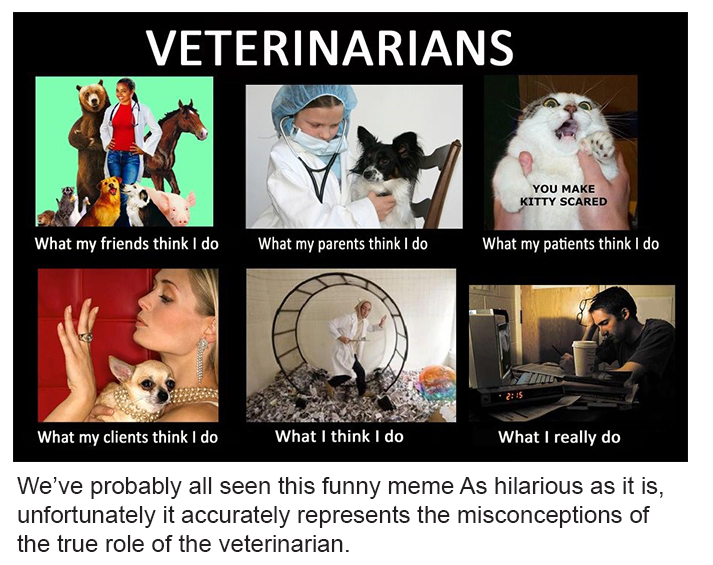
As we ease into the actual career of veterinary medicine and become increasingly busy with cases, it really is quite remarkable how quickly our dream starts to morph into a job. Stress of difficult cases, unhappy clients, negative interactions with staff, and student loan payments over time take their toll emotionally. This meme below sums it all up very well:
One of the most exciting aspects of the veterinary profession, however, is that it is always changing for the better with new treatments, equipment, and diagnostics that make our ability to treat disease and injury increasingly efficient and effective over time. The the pinnacle of veterinary continuing education, the veterinary conference, provides a venue of several days of course work and exhibit halls to absorb new information and research and see the latest and greatest equipment available. Veterinary conferences also take place in enjoyable venues like Orlando, Las Vegas, Atlantic City, and even overseas, enabling a bit a fun in the evenings.

Being in the same place with thousands of other veterinarians, veterinary technicians, and veterinary industry professionals is also inspiring and reinvigorating. With the inevitable networking that occurs, we are reminded that we generally all share the same moments of elation and triumphs, frustrations and grief. It establishes a greater empathy for one another and helps us to see other veterinary clinics in our area less as competition and more as fellow professionals engaged in the common goal of helping animals and the people that love them.
Thus I always return from conference re-energized, grateful that I get to be a veterinarian, and ready to do what I got into the veterinary profession to do: save the world one pet at a time!
Dr. Roger Welton is a practicing veterinarian and highly regarded media personality through a number of topics and platforms. In addition to being passionate about integrative veterinary medicine for which he is a globally recognized expert, Dr. Welton was also an accomplished college lacrosse player and remains to this day very involved in the sport. He is president of Maybeck Animal Hospital , runs the successful veterinary/animal health blogs Web-DVM and Dr. Roger’s Holistic Veterinary Care, and fulfills his passion for lacrosse through his lacrosse and sport blog, The Creator’s Game.
The 3 Most Important Criteria For Choosing A Pet Food
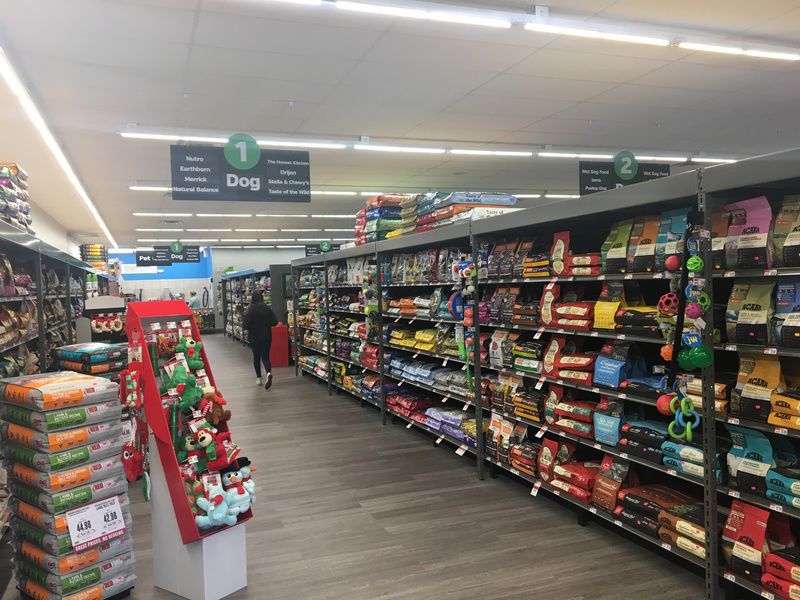
There is more choice in pet food brands, flavors and ingredients that any other time in history. A person walking into a large retail pet store is literally bombarded with so much choice of pet foods that it can be overwhelming. Making things more complicated, pet owners are bombarded with more information and misinformation than ever before in the age of the internet and social media. On top of that, every one is now an expert, from your breeder or groomer, to the 17 year old shelf stocking boy at the pet store.
Because nutrition is such an important foundation for health, I implore you to not ignore the one real expert in all this: your veterinarian. Not only were we trained in general animal and clinical nutrition in veterinary school, we have access to all manner of advancements in animal nutrition via continuing education. We also have important insights into the pet food industry that even part time pet store boy may not be privy to.
A pet food label stating “Natural” or “All Natural” is nearly meaningless merely signifying the absence of one particular dye and two preservatives. All other dyes, preservatives, and animal byproducts are fine under this label (byproducts are not necessarily a bad thing, but explaining that would entail an entire additional post). Any labels containing “Holistic” or “Homeopathic” are completely meaningless, as there are zero criteria for such designations in pet foods.
Grain free diets are the new rage now making up 46% of market share in the pet food industry. They tend to be expensive yet still offer zero evidence that they make pets any healthier. In fact the opposite may be true with the FDA investigating unusual spikes in heart disease in dogs exclusively fed grain free diets. In practice, I commonly see grain free diets cause chronic soft stools or outright diarrhea.
So how does one sift through all of the choices and “opinions?” I am not a cheerleader for any one brand of food, but a good starting point are three basic criteria that any pet food should meet for pet owners to even consider feeding it to their pets. You will note that they are common sense really.
1.) Feeding trials
Feeding trails and the monitoring of a diet’s effect on short and long term health, growth, life span, etc. before going to market is basic research any pet food company should engage in.
2.) Having at least one veterinary clinical nutritionist on staff
A veterinary clinical nutritionist will provide nutrient guidelines that go into any one diet based on the physiology of individual species, size, and recently, even breeds of pets. They will also supervise the results of the feeding trials via the interpretation of stool quality, regular blood and urine testing, physical examination and imaging.
3.) Certification by the Association of American Feed Control Officials (AAFCO)
AAFCO is a voluntary certification and not required by law. When a pet food company volunteers to be audited for AAFCO minimum standards, they are telling the world that they had an unbiased third party inspect their food. While it is not as impressive as many vets would like it to be, AAFCO certification remains a base criteria for selecting a pet food.
So…of all of those pet food brands that you see in the pet store and online, how many to you think fulfill all three of these criteria? Ready to be blown away? 3!
- Hills
- Royal Canin
- Purina
That’s it folks! At least the next time you walk into a pet store, you will be able to take a lot less time browsing!
Dr. Roger Welton is a practicing veterinarian and highly regarded media personality through a number of topics and platforms. In addition to being passionate about integrative veterinary medicine for which he is a globally recognized expert, Dr. Welton was also an accomplished college lacrosse player and remains to this day very involved in the sport. He is president of Maybeck Animal Hospital , runs the successful veterinary/animal health blogs Web-DVM and Dr. Roger’s Holistic Veterinary Care, and fulfills his passion for lacrosse through his lacrosse and sport blog, The Creator’s Game.
Take Dentistry Seriously In Pets – Don’t Make Them Suffer Silently
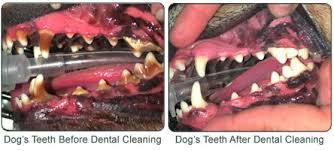
Far too often, pet owners scoff at the idea that their pet’s teeth are are an important area of health, quality of life, and longevity. I examine the teeth and regularly report the different stages of periodontal disease in the exam room and recommend a professional dental cleaning (and possibly oral surgery for advanced stages of dental disease). At worst, owners sometimes roll their eyes or smirk at me as they dismiss the ridiculous notion that a pet should require dental care. Other times, they politely nod, take their treatment plan, but never schedule the procedure; only to return next year for the well visit with the pet suffering with even more gnarly teeth and gums. At best, a frustratingly small percentage of clients will actually schedule a dental procedure.
Case in point, in my 3 doctor practice, we recommend between 20-25 dental procedures per day during routine well visits, yet may perform 12 or fewer dentals per week. What’s more, of the dentals we actually perform, at least half are not routine with the owner’s hand finally having been forced to have the teeth addressed because of abscess, holes from teeth the rotted up into the nasal sinus, or the pet being so painful that he/she will simply not eat.
Leading up to the train wreck mouth that ultimately forces the owner to have the dental done, as we discuss how painful chronic dental disease is below the gum line, we commonly hear, “But he doesn’t really seem like he is in pain.” Trust me, he is in pain! Animals by their nature fight showing pain or weakness and internalize the pain, adapt and live with it and suffer silently.
Please see the x-ray below of a resorbing incisor in in a person:
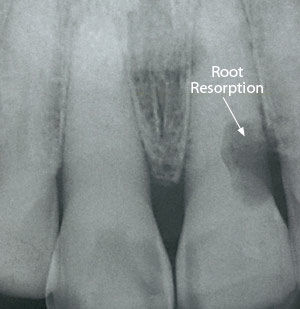
In 2016, I had a very similar lesion that gave me such pain that I felt like someone was sticking a knife through the roof of my mouth into my left eye. I had previously never thought that there would be a time in my life that I would be begging for a root canal but there I was begging the receptionist at the endodontal spet’s office to get me in ASAP.
This past week, I performed a dental on a chihuahua for whom I had been recommending a dental cleaning for years, including during her well visit just 2 weeks prior. Like previous years, the owner was likely content to once again ignore my recommendation but this time chose to comply as a large swelling developed under the left eye that was clearly a tooth root abscess. That poor dog ended up having not just the tooth root abscess but 14 additional teeth with resorbing roots. Having had personal experience with just one single resorbing root, I cannot even fathom the pain this little dog had to live with for years.
The owner also got blindsided by a big bill with 15 dental extractions. Oral surgery is expensive, as are antibiotics and pain medication necessary to treat the patient after surgery. She could have invested a fraction of that amount every couple of years to maintain healthy teeth, not to mention spare her little dog years of suffering in pain and possible long term health consequences that have yet to manifest.
Beyond pain, chronic, unaddressed periodontal disease predisposes to disease via immune suppression, toxicity of the kidneys leading to early onset degenerative kidney disease, heart valve infections, and in severe cases, pathological fractures of the jaw.
February is American Animal Dental Health Month for which I post my obligatory dental article each year hoping that awareness will spread and the importance of dental health in dogs and cats will sink in.
Dr. Roger Welton is a practicing veterinarian and highly regarded media personality through a number of topics and platforms. In addition to being passionate about integrative veterinary medicine for which he is a globally recognized expert, Dr. Welton was also an accomplished college lacrosse player and remains to this day very involved in the sport. He is president of Maybeck Animal Hospital , runs the successful veterinary/animal health blogs Web-DVM and Dr. Roger’s Holistic Veterinary Care, and fulfills his passion for lacrosse through his lacrosse and sport blog, The Creator’s Game.

Keep your pets safe this holiday season!
The holiday season is right around the corner starting with Halloween (yes, in my home, we consider Halloween a holiday!). It is both a joyous and busy time and it can be easy to overlook certain...

Help for nervous/anxious dogs
There seems to be a growing number of excessively nervous, often skittish dogs. This can range from anxieties, such as noise or storm anxiety, anxiousness about being separated from pet parents,...
Bird flu is infecting cats and cases are rising – What you need to know!
H5N1 Avian Influenza is causing far more trouble than just just high egg prices. The bird flu has successfully jumped species now able to infect cats and people. Although the ability to infect...

Read Dr. Roger’s Latest Book!

 Be Healthy & Fit With Celebrity Trainer Steve Jordan
- The New Measure of a Life Well Lived: Why Health Span Matters More Than Longevity
- The Wealth Spark: Igniting Your Path To Abundance and Success
- Bright Line Eating with New York Times best selling author Dr. Susan Peirce Thompson
- Maximizing Your Workout Time: Efficiency Tips from Westwood Private Fitness
- How to Transform Your Dad Bod: Insights from the Fit Father Project – New Podcast Episode Out Now!