In Dogs, Cats Senior Age is Not a Disease!
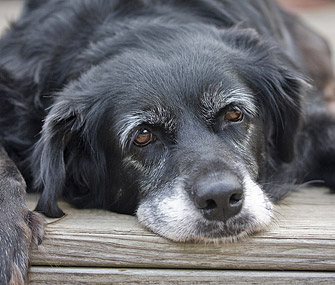
Maybe I am getting impatient as I get on in years of practice, getting older and crotchety myself, or perhaps it is just that after 19 years of hearing the same reservations from pet owners and having the same talk with them to alleviate their reservations over and over and over and over again…that I am just sick of it. Whatever the case, it simply grates on me when I recommend a routine procedure or diagnostic that involves sedation or anesthesia in a senior aged pet that I get the question, “isn’t he too old?”
Ironically this question seems to come most commonly from senior aged people when I recommend a dental procedure, biopsy, colonoscopy, or a whole slew of other diagnostics and procedures that require anesthesia or sedation. They have these instant reservations about a necessary procedure that I am recommending but they have none when it comes to their own procedures that their doctors may recommend. Their logic is like, “Sure I’ll go in for my own colonoscopy despite my advanced age, but my senior dog will die if he does the same.” I wonder how it became a mainstream belief that senior aged dogs are far more likely to die under anesthesia than a senior aged person.
Not to be an ageist, as there are plenty of young people that have the same irrational fears that their senior pet will die if put under anesthesia to the extent that they would preferably let their pet live with a painful or otherwise debilitating condition out of fear of anesthesia.
Case in point, I had a Golden Retriever patient that had a lipoma, a benign tumor that sometimes can become intrusive as they grow large in some patients. When I first noted that the lipoma was getting uncomfortably large to the extent that it was make the dog walk funny and I subsequently recommended surgical removal of the tumor, the dog was just shy of 10 years of age. The owner declined out of fear that the dog was too old to survive the anesthesia, even though he had no cardiovascular or lung issues and his blood work was perfect.
The owner let this thing grow for another 2 years when just shy of 12 years of age and it was literally the size of a watermelon. Between the general arthritis the dog now had and this massive lipoma weighing him down and restricting his movement, the dog could barely get up.
Having no other choice at this point, the owner finally agreed to have the procedure done with euthanasia being her only other alternative. By virtue of waiting for it to get this bad, the owner actually ended up increasing the risk because the surgical time was to be 4-5 times longer than had she done it when I originally made the recommendation 2 years earlier.
Thankfully everything went well and the dog made a full recovery and regained a great deal of mobility back. The tumor ended up weighing 13 pounds.
It is even more frustrating when owners decline much needed dental work on pets. These can be an especially hard sell because in addition to the fear of anesthesia in a senior pet, we also have to contend with pet owners often not taking taking dental health as seriously as they should.
I had an Italian Greyhound patient’s owner put off much needed dentistry for 3 years out of fear of anesthesia. She finally scheduled it when the dog presented looking like an aardvark because the front part of it muzzle was sagging from all of the jaw bone that had rotted out and he could no longer eat. I ended up having to perform an hour and a half worth of oral surgery to extract a full mouth of rotten teeth and surgically reconstruct the upper jaw and leave in a feeding tube for 2 weeks for the owner to feed the dog through while the dog’s mouth healed.
Please be aware, age is not a disease in and of itself. Age is stage of life where we tend to see more disease and it is incumbent upon the veterinarian to rule out underlying disease that may increase the risk of anesthesia prior to a procedure. This starts with a simple physical examination, senior blood work to start, and may also include chest x-rays and an EKG if we suspect any anomalies. Even if there is an underlying condition that may increase risk, we can often adjust our anesthesia/sedation protocols to mitigate that risk.
The reality is that the greater body of anesthetic procedures and diagnostics that we perform in veterinary medicine are in senior aged pets. That is when chronic ailments and injuries tend to be statistically more likely to occur, just as it is in people. If many of them died as the result of anesthesia, that would not reflect well on our profession. The truth is, the vast majority of our senior pets do fine with anesthesia, with anesthesia related death rare with statistical probability rivaling that of anesthesia in people.
What finally prompted this article was a patient I saw yesterday. An otherwise healthy 11 year old Cocker Spaniel presented for a routine well visit and I diagnosed advanced stage dental disease. The teeth were so bad that I saw root exposure with pus and blood at the gum line and the dog was clearly painful for the oral exam.
I naturally recommended a dental ASAP and I was immediately shut down by the owner when I told her the tech would print her out an estimate for cost and she said, “Don’t bother, there is no way I’m doing it, she is too old.” I had a take a few deep breaths as I was feeling my blood rise and I shared with her that the worst pain I have ever felt in my life, even more than the two times I broke my collar bone, was dental pain.
I also told her that living with that level of dental disease would weaken her dog’s immune system, make her more susceptible to cancer, and significantly increase her risk of developing kidney failure. She said nothing just shook her head. I then said that I would have the tech get the estimate anyway, in case she had a change of heart, then proceeded to give myself a time out before I saw my next patient.
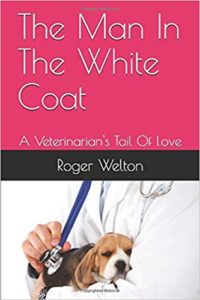
Dr. Roger Welton is a practicing veterinarian and highly regarded media personality through a number of topics and platforms. He is the author of The Man In The White Coat: A Veterinarian’s Tail Of Love. In addition to being passionate about integrative veterinary medicine for which he is a globally recognized expert, Dr. Welton was also an accomplished college lacrosse player and remains to this day very involved in the sport. He is president of Maybeck Animal Hospital , general partner of Grant Animal Clinic, and runs the successful veterinary/animal health blogs Web-DVM and Dr. Roger’s Holistic Veterinary Care. Dr. Welton fulfills his passion for lacrosse through his lacrosse and sport blog, The Creator’s Game.
Beware of Your Dog Ingesting This

You may not recognize what this is but it is a component to common dog toys, specifically the ones that squeak – pictured here is the squeaker within the toy. They can be particularly dangerous because some dogs become obsessed with getting to the source of the noise made by squeaky toys and proceed to tear them out. If they are swallowed, they pose a risk of causing a GI obstruction.
I lost count in my career of how many squeakers I have surgically removed from the guts of dogs. I bring it up today because it is the holiday season and toys in our pets’ stockings are common, most especially squeaky toys….and case in point, I just recently removed one from the colon of a Doberman Pinscher that got stuck.
I am not necessarily saying that we should deny our dogs the joy of a squeaky toy, just saying that we should be careful. If your dog enjoys squeaky toys, you may safely allow him to indulge keeping in mind the following guidelines:
- If your dog is especially obssessed with squeaky toys and/or has an especially strong bite that makes quick work of such toys, perhaps he is not a good candidate for such a toy.
- Purchase an appropriate sized toy. For example, don’t buy a toy breed sized toy for a Pit Bull.
- Inspect the toys frequently, discard and replace as soon as you see damage.
It amazing how much damage and how often I have seen such a fun and seemingly innocuous item can cause. Let your dog have fun, but exercise caution and good discretion and your dog will not likely end up in my operating room.
Dr. Roger Welton is a practicing veterinarian and highly regarded media personality through a number of topics and platforms. He is the author of The Man In The White Coat: A Veterinarian’s Tail Of Love. In addition to being passionate about integrative veterinary medicine for which he is a globally recognized expert, Dr. Welton was also an accomplished college lacrosse player and remains to this day very involved in the sport. He is president of Maybeck Animal Hospital , general partner of Grant Animal Clinic, and runs the successful veterinary/animal health blogs Web-DVM and Dr. Roger’s Holistic Veterinary Care. Dr. Welton fulfills his passion for lacrosse through his lacrosse and sport blog, The Creator’s Game.
Dogs Being Trained to Sniff Out Coronavirus in People
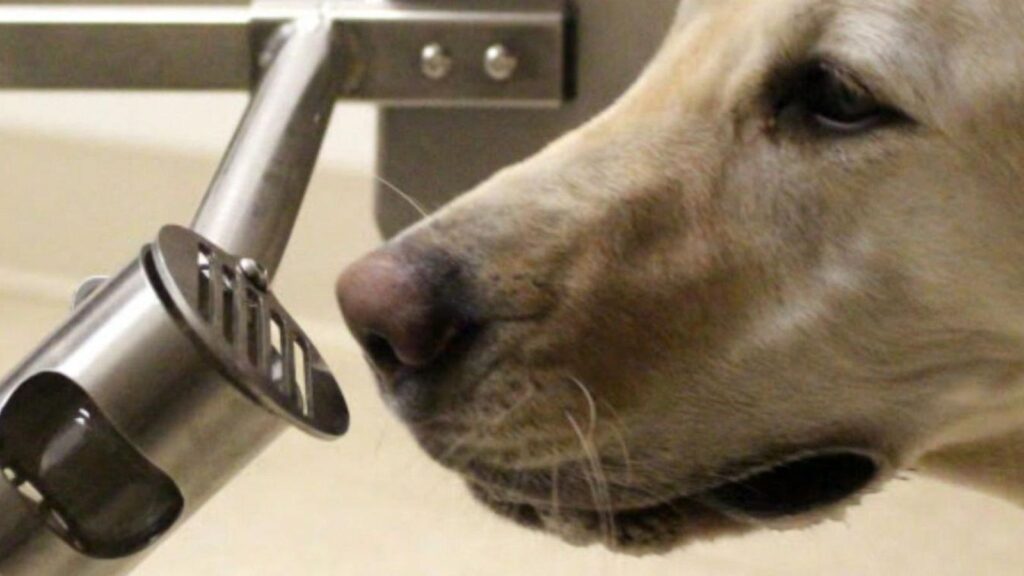
Dog have a long established history of being able to detect health conditions in people. There are service dogs that are trained to predict or recognize seizures in epileptics to assist in protection and alert. There are dogs that can sniff out cancers of the skin and and internal cancers that result in a change of smell in the urine or blood. There are even dogs that can sniff high or low blood glucose levels to alert diabetics. Is it possible that our canine companions with superhero olfactory senses can be trained to sniff out novel coronavirus?
The University of Pennsylvania School of Veterinary Medicine is trying to find out just that with a new program to see if dogs can detect the current strain of the coronavirus, aka, COVID19. The program is currently training dogs to learn how to identify different smells, beginning with sniffing out an odor successfully to be rewarded with a treat. After a successful first training period, the dogs will then begin to use samples from patients who have tested both positive and negative for COVID-19.
The program aims to identify if there an odor associated with a volatile organic compound associated with COVID-19 and see if the dogs can sniff out the difference. The hope is that the doctors at Penn can successfully then train the dogs to help sniff out the COVID-19 in infected people.
Per the program’s director, Dr. Cynthia Otto, if testing and training is successful, it would not be a replacement for standard COVID-19 testing. She views it as ancillary and complementary, such in scenarios like having employees walk by the dogs as they enter the workplace and the dog would alert if someone was positive.
Primary source for the article was https://abcnews.go.com/
Dr. Roger Welton is a practicing veterinarian and highly regarded media personality through a number of topics and platforms. He is the author of The Man In The White Coat: A Veterinarian’s Tail Of Love. In addition to being passionate about integrative veterinary medicine for which he is a globally recognized expert, Dr. Welton was also an accomplished college lacrosse player and remains to this day very involved in the sport. He is president of Maybeck Animal Hospital , general partner of Grant Animal Clinic, and runs the successful veterinary/animal health blogs Web-DVM and Dr. Roger’s Holistic Veterinary Care. Dr. Welton fulfills his passion for lacrosse through his lacrosse and sport blog, The Creator’s Game.
Stop Catering To Your Finicky Dog!
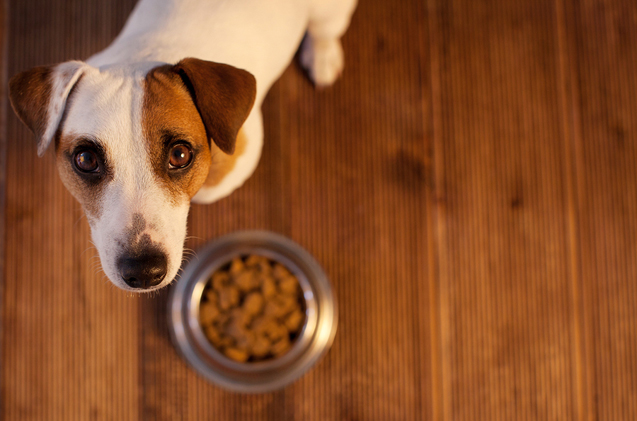
Sorry, no sugar coating here! Perhaps THE MOST IRRITATING part of my job as a veterinarian is when dog owners whose dog may not be particularly food motivated go out of their way find new foods to entice him to eat. Often, they resort for the most unhealthy dog food options that are loaded with fillers and sodium that may be attractive to the dog but in reality he would be better off being fed road kill. In other cases they resort to feeding people food and usually fail in providing well rounded nutrition.
Stop the madness people! Dogs will not starve. If they turn their nose up at food, leave it down for 30 minutes then pick it up and try again 12 hours later. If he refuses again, leave it down for 30 minutes and again pick it up…and so on. I guarantee you they within a day or two he will figure out that this is all he is getting fed, this when he is getting fed, and he has a finite period of time to eat it. In this manner YOU will dictate when and what the dog eats, not the other way around.
During the times a dog refuses food, with few exceptions, it will not harm their health. The one exception is toy breed puppies up to about 3 months of age that can be prone to hypoglycemia (low blood sugar). Other than than that, all that may happen is that the dog may lose a little weight which is probably a good thing, because more often than not, these dogs that have their appetite catered to ironically are overweight and even morbidly obese.
My favorite is when a recommend a weight control diet for a dog that is morbidly obese and was fed everything under the sun and the owner calls stating that the dog dog won’t eat the diet. My answer is always, GOOD! Great way to start a weight loss program!
Dr. Roger Welton is a practicing veterinarian and highly regarded media personality through a number of topics and platforms. He is the author of The Man In The White Coat: A Veterinarian’s Tail Of Love. In addition to being passionate about integrative veterinary medicine for which he is a globally recognized expert, Dr. Welton was also an accomplished college lacrosse player and remains to this day very involved in the sport. He is president of Maybeck Animal Hospital , general partner of Grant Animal Clinic, and runs the successful veterinary/animal health blogs Web-DVM and Dr. Roger’s Holistic Veterinary Care. Dr. Welton fulfills his passion for lacrosse through his lacrosse and sport blog, The Creator’s Game.
Why Are Veterinary Clinics So Unusually Busy During The Coronavirus Pandemic?
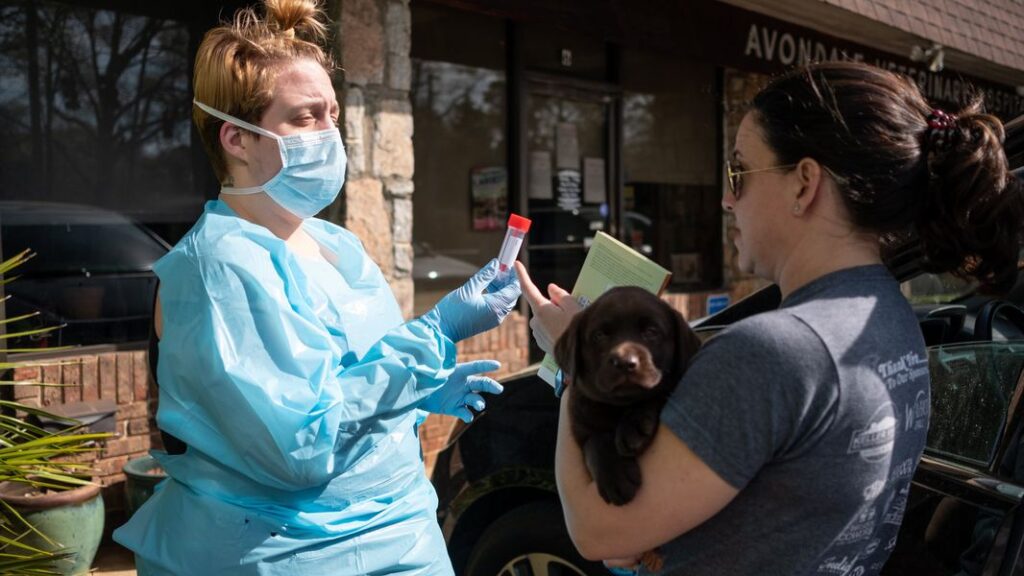
While many small businesses are experiencing major slow downs in business during the coronavirus pandemic, the trend in veterinary clinics across the nation is opposite. Across the country, my clinics included, are experiencing record caseloads with many veterinary clinics booked out days to weeks in advance and operating well beyond capacity. It is not unusual to hear about 24 hour emergency veterinary hospitals to have wait times exceeding 4 plus hours. What it is about the COVID-19 era that is causing so many pets requiring veterinary clinic visits?
Pet Owners Noticing More
Dogs and cats by their nature hide signs of illness and pain. Thus in the flow of many pet owners’ busy lives, subtle signs that something may be wrong with the health of family pets commonly go unnoticed. It often takes more obvious signs like limping in pain, diarrhea, vomiting, and prolonged anorexia to prompt busy pet owners to schedule a veterinary visit.
With many states having had shelter in place rules and many people still working from home, people are simply paying more attention to their pets and picking up on subtle signs of disease such as drinking more water than usual, eating less, eating more, urinating more frequently, mild limping, etc. Often, even subtle signs such as these are the consequent of series underlying disease and owners picking up on them have enabled more frequent early disease detection.
Spike In Pet Fostering, Adoptions
The coronavirus pandemic had nudged many to take the plunge to adopt a new pet they’d been thinking about getting given the unusual opportunity to be at home to acclimate the pet. Out of shear boredom and wishing to use their time productively, many animal enthusiasts found a unique COVID-19 induced capacity to take on rescue fosters. Whether adopted or fostered, these pets require care and represent a significant proportion of new pet veterinary clinic visits.
COVID-19 Forced Clinic Shutdowns
Veterinary clinics with COVID-19 positive staff members sometimes are required to shutdown causing a spike in requested veterinary visits at neighboring clinics. Within a 5 mile radius of the busiest of my two clinics, 3 large veterinary clinics have been forced to closed for weeks at various times over the past few months. Each time this has occurred we have experienced dramatic spike in case loads.
Please Be Patient!
Most of us are doing our very best to accommodate sick and injured patients. Between the surge in visits and having to operate with curbside service with only staff and patients allowed in the building, there are inevitable delays. We ask for your patience and understanding as we do everything in our power to serve you and your pets.
Please also show some empathy to the technicians and doctors running in and out of the building sweating in their PPE, logging more steps than most peoples’ epic workouts. Also, please do not complain that you cannot come in with your pet! We are doing what we are required to do by our respective state veterinary medical associations to remain open!
Dr. Roger Welton is a practicing veterinarian and highly regarded media personality through a number of topics and platforms. He is the author of The Man In The White Coat: A Veterinarian’s Tail Of Love. In addition to being passionate about integrative veterinary medicine for which he is a globally recognized expert, Dr. Welton was also an accomplished college lacrosse player and remains to this day very involved in the sport. He is president of Maybeck Animal Hospital , general partner of Grant Animal Clinic, and runs the successful veterinary/animal health blogs Web-DVM and Dr. Roger’s Holistic Veterinary Care. Dr. Welton fulfills his passion for lacrosse through his lacrosse and sport blog, The Creator’s Game.
Can Your Dog or Cat Transmit Coronavirus?
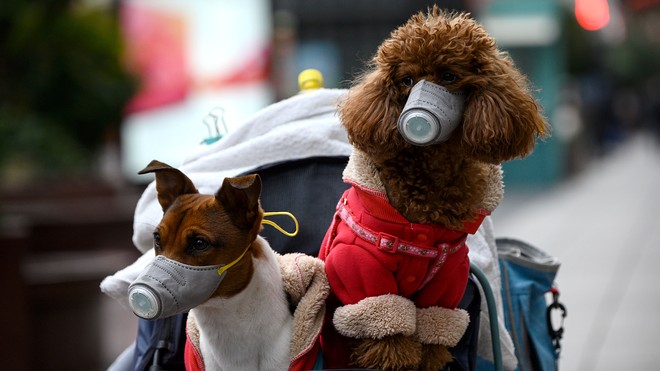
Dogs and cats can indeed transmit coronavirus, but ONLY to their fellow members of their owner respective species. They CANNOT transmit coronavirus to people, nor can people transmit coronavirus to them! So please refrain from putting silly masks like this on your dogs and most certainly do not even remotely entertain giving up your pet as tragically so many out of fear have chosen to do!
I know people are freaking out about the Pomeranian that tested positive for coronavirus in Hong Kong from the home of an elderly woman who was sick with COVID-19. Let me be very clear, the dog DID NOT transmit the disease to the woman nor vice versa. The dog WAS NOT infected with the disease. As many at this point are aware, coronaviruses have the ability to survive on surfaces for hours to days, including the surface of the pet. Thus the virus was ON the dog, not IN the dog.
In the case of the Pomerania in Hong Kong, the dog was likely touched by his infected owner and through routine self grooming it ended up on his mucus membrane surfaces and subsequently came up weak positive for the disease. The dog showed zero respiratory clinical signs at all and showed no evidence of cross species infection. The best lesson we can take away from this case is that we should include other peoples’ pets in our social distancing behavior; but we absolutely have nothing to fear fromour own pets.
Coronaviruses in dogs, cats, and people are nothing new at all, but tend to manifest very differently in each each respective species. For dogs and people, infections are generally self limiting and resolve without medical intervention. In dogs, it usually causes a mild case of diarrhea that is is so mild that it often goes unnoticed by the owner. Because puppies can be a bit more sensitive to otherwise mild infectious diseases, there was once a vaccine commonly administered, but that was largely being phased out by the time of my vet school graduation in 2002. The canine coronavirus vaccine still exists, but few veterinarians administer the vaccine, as it has been largely been deemed unnecessary by the American Veterinary Medical Association and the American Animal Hospital Association.
In cats, coronaviruses are very different ballgame. 90% of cats have been exposed to coronavirus and the vast majority are asymptomatic carriers. A small (<5%) percentage of young cats, kitten to 1-2 year old adults infected with coronavirus, will experience an invariably deadly version of the disease called Feline Infectious Peritonitis, aka, FIP. There currently is no effective treatment for FIP and it is considered to be 100% fatal.
The deadly version of feline coronavirus that causes FIP is a mutated variant of the disease called FIPV. This mutation occurs within the cell of the infected feline host, most commonly in crowded environments, such as shelters and catteries. It has actually been shown that for every 4 cats housed in the same environment, the incidence of the deadly FIPV coronavirus mutation increases 2-fold.
Still, while it is unfortunate for the small percentage of cats that experience the FIPV coronavirus mutation, even that version of coronavirus poses zero risk to people.
Instead of fearing our pets during the COVID-19 pandemic, we should instead be leaning on their companionship in the midst of social isolation. Simply refrain from touching other people’s pets and keep others from touching yours and you will have nothing to fear from them.
Stay healthy and safe, my friends!
Dr. Roger Welton is a practicing veterinarian and highly regarded media personality through a number of topics and platforms. He is the author of The Man In The White Coat: A Veterinarian’s Tail Of Love. In addition to being passionate about integrative veterinary medicine for which he is a globally recognized expert, Dr. Welton was also an accomplished college lacrosse player and remains to this day very involved in the sport. He is president of Maybeck Animal Hospital , general partner of Grant Animal Clinic, and runs the successful veterinary/animal health blogs Web-DVM and Dr. Roger’s Holistic Veterinary Care. Dr. Welton fulfills his passion for lacrosse through his lacrosse and sport blog, The Creator’s Game.
Everything You Need To Know About Leptospirosis In Dogs
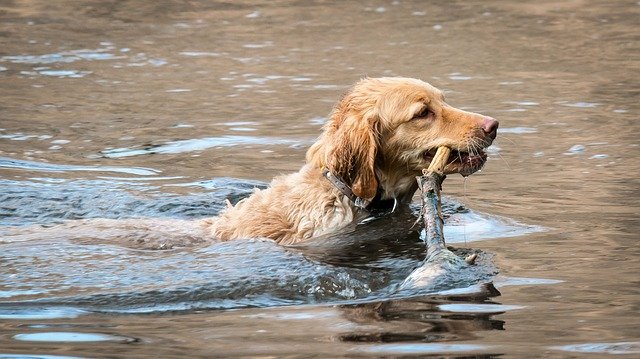
Leptospirosis is a potentially fatal disease caused by the Leptospira bacteria. Leptospira is a cork screw shaped bacteria that effectively self-propels itself in fresh, standing water, such as puddles, ponds, and lakes. The disease is transmitted when dogs and other mammals come into contact with fresh, standing water that is contaminated with the bacteria. Contamination is common given that it occurs via the urine of asymptomatic rodent carriers, most commonly squirrels, rats, and mice.
The Leptospira bacteria attack the canine liver and kidneys leading to failure of each organ system. Once the dog patient is showing clinical signs (vomiting, fever, jaundice, dehydration, shock), even with aggressive in hospital, intensive care treatment, the disease carries a 30% mortality rate. As we continue to clear land for development and encroach into lands that were previously wildlife habitats, the disease continues to rise in incidence.
My motivation for blogging about Leptospirosis is the result of two very concerning areas of misinformation regarding this disease. One is that small companion dogs that spend little time outside and/or dogs that live in suburban or urban environments are not at risk. This could not be further from the truth. Wherever there is water and rodents, there is a risk of Leptospirosis.
In fact, suburban and urban environments actually carry a higher incidence of disease because wherever there are people that create trash and waste, rodents tend to congregate and reproduce. That is why New York City is one of the biggest hot spots of Leptospirosis. We actually see more Leptospirosis in small and toy breed dogs that are popular in suburban and urban environments in comparison to other breeds for these reasons.
The other misinformation that needs clarification comes mostly from breeders that put completely illogical and baseless fear into new dog owners that purchase puppies from them about the “danger” of the Leptospirosis vaccine and warn them not to listen to their veterinarian when he/she recommends Leptospirosis as a core vaccine. Some even go so far as the make the purchasers of one of their puppies sign a contract that they will not allow the vaccine to be administered.
Breeders that make these claims do so with no basis in science and medicine. The vaccine is very safe and the 4 strain Leptospirosis vaccine is very effective in preventing the disease.
If these breeders actually worked in the veterinary medical profession, they would clearly learn how absurd fearing the vaccine more than the disease itself is. They would witness how revoltingly sick dogs present when infected with Leptospirosis and they would see the tragedy of 30% of infected dogs dying from a virtually 100% preventable disease. For the lucky dogs that survive Leptospirosis infection, they would see the financial burden put on the families that had to pay for treatment, since Leptospirosis is a zoonotic disease, that is, a disease potentially transmitted to people; requiring referral to expensive isolation facilities for treatment.
Leptospirosis is now endemic throughout the entire continental United States. As such, it is considered a necessary core vaccine in dogs by the American Veterinary Medical Association, American Animal Hospital Association, The American College of Veterinary Internal Medicine.
Dr. Roger Welton is a practicing veterinarian and highly regarded media personality through a number of topics and platforms. He is the author of The Man In The White Coat: A Veterinarian’s Tail Of Love. In addition to being passionate about integrative veterinary medicine for which he is a globally recognized expert, Dr. Welton was also an accomplished college lacrosse player and remains to this day very involved in the sport. He is president of Maybeck Animal Hospital , general partner of Grant Animal Clinic, and runs the successful veterinary/animal health blogs Web-DVM and Dr. Roger’s Holistic Veterinary Care. Dr. Welton fulfills his passion for lacrosse through his lacrosse and sport blog, The Creator’s Game.
Pet Owners – Say No To Coconut Oil!
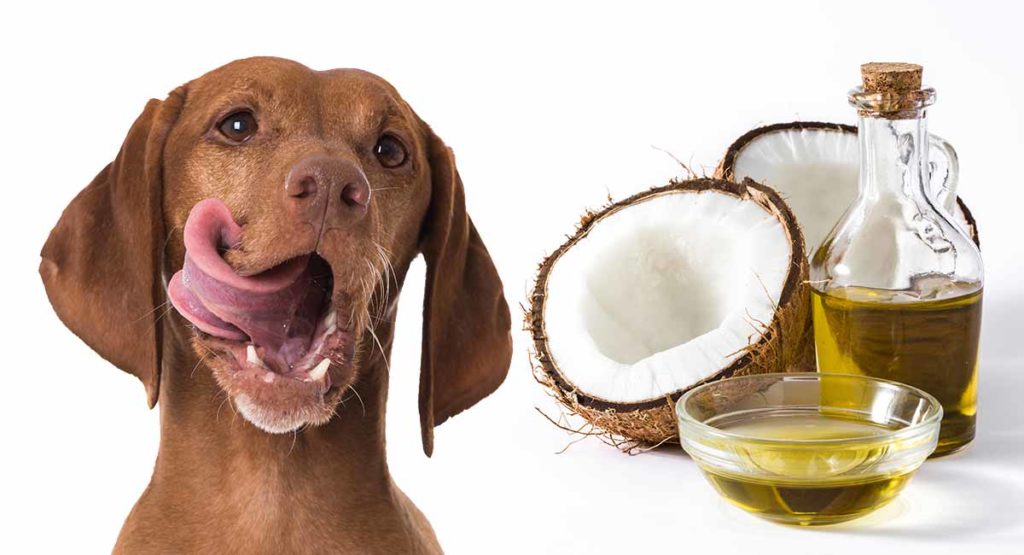
In the past few years there has been a trend with no basis in science and veterinary medicine to feed coconut oil to pets. Thankfully, most cats will not eat it, but it still does not stop some feline owners from smearing it on their skin and fur and even in their ears. Dogs, on the other hand, will often readily eat just about anything, so they receive coconut oil from all angles
I have no idea how coconut oil became the magical elixir of life for pets, but make no mistake, IT IS NOT! The main medicinal molecules present in certain oils are called omega-3-fatty acids that are naturally anti-inflammatory and protective to cells and tissues. Coconut oil has zero omega-3-fatty acids.
Here is what coconut oil does have: medium chain triglycerides. Medium chain triglycerides are fat molecules that are rapidly absorbed in the gut and are therefore quickly integrated into the patient metabolism. The result is a large dose of readily absorbed calories derived from fat. For pets that are genetically predisposed to an inflammatory disease of the pancreas called pancreatitis, this influx of dietary fat can trigger this serious and potentially life threatening disease. Regarding the former point of even a small amount of coconut oil representing a high consumption of calories, obesity is commonly a consequence of coconut oil administration.
Make no mistake, coconut oil is not your pet’s ticket to health and longevity. In addition to not having any medicinal properties whatsoever, coconut oil on the contrary can cause obesity and severe systemic disease.
Dr. Roger Welton is a practicing veterinarian, highly regarded media personality through a number of topics and platforms, and author of The Man In The White Coat: A Veterinarian’s Tail Of Love. In addition to being passionate about integrative veterinary medicine for which he is a globally recognized expert, Dr. Welton was also an accomplished college lacrosse player and remains to this day very involved in the sport. He is president of Maybeck Animal Hospital , general partner of Grant Animal Clinic, and runs the successful veterinary/animal health blogs Web-DVM and Dr. Roger’s Holistic Veterinary Care. Dr. Welton fulfills his passion for lacrosse through his lacrosse and sport blog, The Creator’s Game.
Think Twice Before You Treat A Veterinarian Poorly

I love my job as a doctor of veterinary medicine, mostly because I have a unique ability to focus on the wonderful experiences my career brings me and I am able (usually) to chalk up the negative experiences as inevitable because, well, nothing in this world is perfect. When one observes a recent retention study of the veterinary profession administered by Merck Animal Health, it is clear that unfortunately, a majority of my veterinarian colleagues do not share my joy and this may be a factor in veterinary medicine being ranked first among graduate degree professions in suicide rate.
The study concluded that among my Generation X veterinary peers, only 50% would recommend veterinary medicine as a career choice. Among millennial veterinarians (aged 34 or younger), only 23% would recommend veterinary medicine as a profession. Factors for these sentiments include stress from heavy student loan burdens, poor work-life balance, feeling under-appreciated, and the emotional stress that comes with inevitably losing patients.
However, on top of dealing with these challenges, veterinarians on occasion are treated very poorly by pet owners and that is often the tipping point where veterinarians start to feel progressively less joy in their work. We get accused of being money hungry or not caring about animals simply because an owner may not like his bill. We get accused of gouging because because we cannot always magically garner a diagnosis without recommending diagnostic testing.
I recently got a bad review for one of my clinics by an owner that accused the doctors of running “unnecessary” tests. I wanted to reply, “Really? And how exactly did you come to the conclusion that the testing we recommend is not necessary? Since you clearly know exactly what testing needs to be done, why did you take your pet to a veterinarian in the first place?”
This is hardest for young veterinarians. Our new graduate hire was on service by herself while the other experienced doctor in one of my clinics and I were out of town at a conference. After pouring her heart and soul into the case of a little dog with pancreatitis that ultimately did not recover, the owner accused our passionate and dedicated veterinarian of purposely keeping her dog alive just so that she could get money out of her for all of the testing and hospitalization. What a terrible thing to say to a young veterinarian, especially one who did everything exactly right; especially from an owner that let her dog vomit and wretch for several days before finally agreeing to allow any diagnostics to be run.
Make no mistake, we do not sacrifice 8 years of of our lives to go to school, getting ourselves hundreds of thousands of dollars in debt, with money being our primary purpose. We do it for the passion to one day heal pets and help the families that love them and yes, hopefully earn a decent living to boot.
When sentiments like the ones outlined in this post are put forth to veterinarians by owners that take out their own frustrations it can cut deeply. But before venting with such venom toward a professional who is dedicated to treating animals, understand the following:
- It is not veterinarian who caused you to be financially unprepared for your pet’s injury or illness.
- It is not your veterinarian who caused you to wait too long to bring your pet in or declined important diagnostics until the condition was too far gone.
- Veterinarians are health care providers, not magicians. While we save far more than we lose, sometimes patients die despite our best efforts.
- Veterinarian medicine is a job and veterinary clinics are businesses that must keep a healthy bottom line or cease to exist.
Dr. Roger Welton is a practicing veterinarian, highly regarded media personality through a number of topics and platforms, and author of The Man In The White Coat: A Veterinarian’s Tail Of Love. In addition to being passionate about integrative veterinary medicine for which he is a globally recognized expert, Dr. Welton was also an accomplished college lacrosse player and remains to this day very involved in the sport. He is president of Maybeck Animal Hospital , general partner of Grant Animal Clinic, and runs the successful veterinary/animal health blogs Web-DVM and Dr. Roger’s Holistic Veterinary Care. Dr. Welton fulfills his passion for lacrosse through his lacrosse and sport blog, The Creator’s Game.
Hug – And/Or Rescue -A Dog On National Dog Day!
National Dog Day is celebrated August 26th annually and was founded in 2004 by Pet & Family Lifestyle Expert and Animal Advocate, Colleen Paige. The date of August 26th of significance to Colleen, as it is the date that Colleen’s family adopted her first dog “Sheltie” when she was 10 years old.
National Dog Day honors man’s eternal, loyal, and greatest friend, celebrating all dog breeds, pure and mixed; celebrating family dogs and dogs that work to save lives, to keep us safe and provide comfort. Dogs put their lives on the line every day for their law enforcement partner, for their disabled companion, and for our freedom and safety as they detect bombs and drugs, and perform search and rescue for victims of disaster.
Let’s not forget National Dog Day’s main purpose, however, which is to bring awareness to the public of the staggering number of dogs that need to be rescued from homelessness. Countless dogs wallow in shelters, are passed between foster homes, or await imminent euthanasia if they are not adopted soon.
According to the National Dog Day website, however, National Dog Day has a large tent that includes pure breed dogs. While National Dog Day recognizes people’s right to purchase a pure breed dog, National Dog Day does strongly discourages buying dogs from pet stores supplied by unethical puppy mills, backyard breeders, the internet, and newspaper ads. They also encourage people seeking a new canine companion to consider adoption first. Adoption versus purchase are not necessarily mutually exclusive, as National Dog Day reminds us there are numerous pure breed dog rescues in cities across the country.
I would like to thank Colleen Paige and the organization she founded for creating a day to dedicated to man’s best friend. From dog lovers all over the world sharing posts of their beloved dogs on social media, to raising awareness about issues important to the well being of dogs, one of mankind’s greatest gifts, National Dog Day reminds us how special dogs are and how much work we have to do to make sure as many dogs as possible receive the love that that yearn to give.
In honor of Colleen, National Dog Day and the wondrous innocents they celebrate, please join me in donating $5 to a local rescue today. If you are considering getting a new dog, consider adopting one in need of a forever home.
Recommended Link: https://www.nationaldogday.com/
Dr. Roger Welton is a practicing veterinarian, highly regarded media personality through a number of topics and platforms, and author of The Man In The White Coat: A Veterinarian’s Tail Of Love. In addition to being passionate about integrative veterinary medicine for which he is a globally recognized expert, Dr. Welton was also an accomplished college lacrosse player and remains to this day very involved in the sport. He is president of Maybeck Animal Hospital , general partner of Grant Animal Clinic, and runs the successful veterinary/animal health blogs Web-DVM and Dr. Roger’s Holistic Veterinary Care. Dr. Welton fulfills his passion for lacrosse through his lacrosse and sport blog, The Creator’s Game.

Keep your pets safe this holiday season!
The holiday season is right around the corner starting with Halloween (yes, in my home, we consider Halloween a holiday!). It is both a joyous and busy time and it can be easy to overlook certain...

Help for nervous/anxious dogs
There seems to be a growing number of excessively nervous, often skittish dogs. This can range from anxieties, such as noise or storm anxiety, anxiousness about being separated from pet parents,...
Bird flu is infecting cats and cases are rising – What you need to know!
H5N1 Avian Influenza is causing far more trouble than just just high egg prices. The bird flu has successfully jumped species now able to infect cats and people. Although the ability to infect...

Read Dr. Roger’s Latest Book!
 Be Healthy & Fit With Celebrity Trainer Steve Jordan
- The New Measure of a Life Well Lived: Why Health Span Matters More Than Longevity
- The Wealth Spark: Igniting Your Path To Abundance and Success
- Bright Line Eating with New York Times best selling author Dr. Susan Peirce Thompson
- Maximizing Your Workout Time: Efficiency Tips from Westwood Private Fitness
- How to Transform Your Dad Bod: Insights from the Fit Father Project – New Podcast Episode Out Now!